
Nafplio Olive Oil Tasting
A Nafplio olive oil tasting is a guided visit to an olive estate in the Argolida plain, where a host walks guests through the groves, explains how the oil is made and leads a tasting of fresh extra virgin oils. It fits easily into a trip planned with Greece Tours, since the groves lie close to the old town, Mycenae and Epidaurus.
Two Nafplio olive oil tasting tours are on sale: an olive oil estate tour and tasting near Mycenae, and an Argolic olive oil tasting paired with Ancient Epidaurus. A Nafplio olive oil tasting booked between late October and December falls in the harvest season, when the mills press new oil.
What is a Nafplio olive oil tasting?
A Nafplio olive oil tasting is a visit to a working olive estate in the Argolida, combining a walk through the groves, an explanation of oil production and a guided tasting of extra virgin oils with local food.
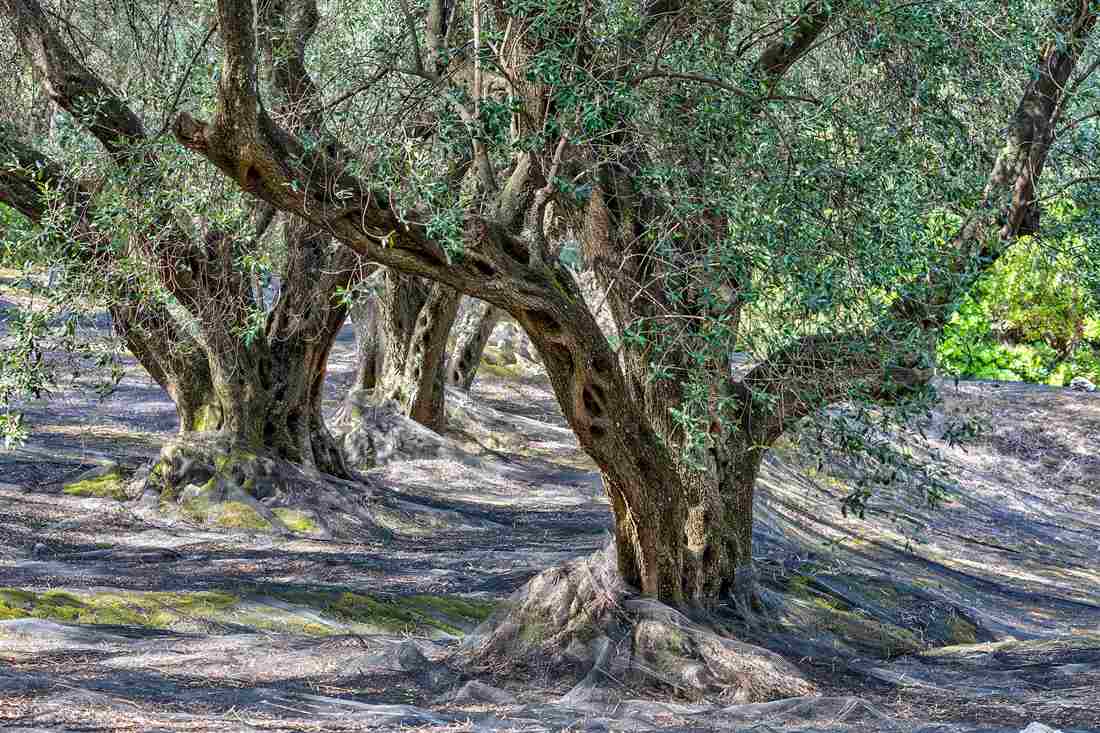
The groves cover the plain that spreads north of Nafplio towards Argos and Mycenae, a landscape farmed since the Bronze Age. A host from the estate meets the group, shows the trees and explains how the fruit turns into oil. Each Nafplio olive oil tasting then moves to a table where guests compare oils side by side and judge them by aroma, taste and the peppery catch in the throat.
The format differs from a shop sampling, where a clerk pours one oil onto bread. At an estate, the host sets out small tasting cups and names the faults that mark a poor oil. Guests leave a Nafplio olive oil tasting able to read a label, spot a defect and choose a bottle. One tour runs near Mycenae and the other adds Ancient Epidaurus, so the tasting fits a day of sightseeing.
Which Nafplio olive oil tasting tours are on sale?
Two Nafplio olive oil tasting tours are listed: Nafplio: Olive Oil Estate Tour and Tasting, set near Mycenae, and Nafplion: Argolic Olive Oil Tasting with Ancient Epidaurus, which pairs the tasting with the ancient theatre and sanctuary.
The first tour, Nafplio: Olive Oil Estate Tour and Tasting, centres on one estate close to Mycenae. Its title promises two parts: a tour of the estate and a tasting. Guests see the groves, learn how the oil is produced and taste the estate’s own oils. This Nafplio olive oil tasting suits travellers who want the olive story told in depth, with time to ask the host questions at each stage.
The second tour, Nafplion: Argolic Olive Oil Tasting with Ancient Epidaurus, joins a tasting of Argolic oils to a visit to the ancient sanctuary of Asklepios and its theatre. It fits travellers who want one outing that covers food and archaeology in one day. Transport, meeting point, length and the contents of the tasting plate vary by listing, so check the tour listing for each detail before booking a Nafplio olive oil tasting.
Why is the Argolida plain olive country?
The Argolida plain suits olives through mild winters, hot dry summers and deep alluvial soil, and olive and orange groves cover the flat land between Nafplio, Argos and Mycenae, the setting of every Nafplio olive oil tasting.
Olive growing in the Argolida reaches back to the Mycenaean age, when palace scribes recorded olive oil on clay tablets. Today the plain is a patchwork of low trees, orange orchards and irrigation channels, with hills on three sides and the Argolic Gulf to the south. Estates range from small family plots to larger farms with their own mill, and a Nafplio olive oil tasting takes place on one of them.
The main varieties in the Peloponnese are Koroneiki, a small fruit that gives a green, peppery oil, and Manaki, a local variety known for a softer, fruitier oil. Some groves mix both, and some estates keep old trees alongside rows of younger plantings. Varieties differ from farm to farm, so ask the host which varieties grow on the estate and which trees supply each oil poured during the Nafplio olive oil tasting.
How does a Nafplio olive oil tasting visit run?
A Nafplio olive oil tasting visit runs in stages: a welcome, a walk through the grove, a look at the pressing area when the estate has one, and a seated tasting of oils with local food.
The host of the estate visit opens with the estate’s story and the place of the olive in Argolida farm life. In the grove, guests see how trees are pruned, how nets are spread under them at harvest and how the fruit changes colour from green to purple and black. In spring the trees carry blossom, in summer small green fruit, and the host explains the farming year from pruning to picking.
The tasting comes last, at a table set with small cups, water and slices of green apple. The host pours the oils one by one, names the variety and harvest of each, and leads the group through smell and taste. A Nafplio olive oil tasting can add bread, olives, tomatoes, cheese or oranges from the plain. The exact plan varies by estate, so check the tour listing for what the visit includes.
- Welcome – the host introduces the estate and its olive varieties.
- Grove walk – the host shows the trees, the pruning and the harvest nets.
- Tasting table – the host pours the oils beside bread and local food.
How is olive oil made from harvest to bottle?
Olive oil is made in five steps: harvest, washing, crushing into a paste, malaxation and centrifuge separation. A Nafplio olive oil tasting explains each step, from the nets under the trees to the fresh oil.
Harvest in the Argolida plain runs from late October to December. Pickers spread nets under each tree and comb the branches with hand rakes or handheld shakers, then gather the fruit into crates. The olives travel to the mill as soon as possible after picking, because fruit that waits in crates starts to spoil and passes defects into the oil that a trained taster spots at once during a Nafplio olive oil tasting.
Cold extraction means the paste stays below 27 °C during milling, which protects the aroma compounds and the bitter, peppery polyphenols. The older phrase “first cold pressed” dates from stone mills and hydraulic presses, when a second pressing with heat or hot water gave more oil of lower quality. Modern mills use a single centrifuge extraction, so a Nafplio olive oil tasting treats cold extraction as the meaningful term on a label.
- Harvest – nets and hand rakes bring the fruit down.
- Washing – water and air strip leaves and dust.
- Crushing – a crusher grinds whole olives into paste.
- Malaxation – slow stirring joins the tiny oil droplets.
- Separation – a centrifuge spins oil away from water and solids.
What makes an olive oil extra virgin?
An olive oil is extra virgin when it comes from mechanical extraction alone, has free acidity at or below 0.8% and shows no taste defects, three points a Nafplio olive oil tasting explains in turn.
Free acidity measures the free fatty acids in the oil, a sign of damaged or late-processed fruit. It carries no taste, so acidity cannot be judged in the mouth. Extra virgin oil needs both a lab result at or below 0.8% and a clean score from a trained tasting panel. Virgin olive oil allows slight defects and higher acidity, and plain “olive oil” is a blend of refined and virgin oils.
A label on a bottle bought after a Nafplio olive oil tasting shows the category, the origin and a best-before date by law. Some producers add a harvest date, the variety, the acidity figure or a PDO or PGI mark tying the oil to a named area. A harvest date is the most useful line, because extra virgin oil loses its fresh aroma over time even in a sealed bottle.
- Category – the grade, with extra virgin at the top.
- Origin – the country or region where the olives grew.
- Harvest date – the season when the fruit was picked and pressed.
How is olive oil tasted step by step?
Tasting olive oil follows set steps: warm the cup in the hand, cover and swirl it, smell the aroma, sip while drawing in air, then judge fruitiness, bitterness and pungency, the method taught at the estate table.
Professional panels taste from small dark blue glasses so that colour does not sway the judgement, since colour says nothing about quality. At a Nafplio olive oil tasting the guest holds the cup in one palm and covers it with the other hand, warming the oil so its aromas lift. A gentle swirl coats the glass, and the guest lifts the cover and breathes in slowly, noting each aroma that rises.
Next comes a small sip. The taster draws air through the teeth with a light slurp, which spreads the oil across the tongue and releases more aroma. Fruitiness shows on the nose and tongue, bitterness at the back of the tongue, and pungency as a peppery catch in the throat that can bring a cough. Between oils, a sip of water and a slice of green apple clean the palate.
Which flavours and defects can a taster learn to spot?
A Nafplio olive oil tasting teaches three positive attributes, fruitiness, bitterness and pungency, and four common defects, rancid, fusty, musty and winey, which decide whether an oil earns the extra virgin grade or falls below it.
Fresh oils from green fruit show aromas of cut grass, tomato leaf, artichoke and green almond, with firm bitterness and a peppery finish. Oils from riper fruit lean towards ripe apple and softer bitterness. Bitterness and pungency come from polyphenols in the fruit, so a sharp catch in the throat marks a fresh, well-made oil rather than a fault. A Nafplio olive oil tasting that pours both shows the gap.
Defects come from poor fruit, slow processing or bad storage. Rancid oil smells of old nuts or crayons after exposure to air, heat and light. Fusty oil smells of damp, fermented fruit left too long in piles before milling. Musty oil carries a mouldy, cellar note from fruit stored in humid conditions, and winey oil has a sour, vinegar edge. One defect drops an oil out of the extra virgin grade.
- Agourelaio – the Greek name for early-harvest oil from green fruit.
- Polyphenols – the natural antioxidants behind bitterness and pungency.
- Strippaggio – the slurp that draws air through the teeth while tasting.
- Panel test – the official grading of an oil by trained tasters.
What foods pair with Argolida olive oil?
Argolida olive oil pairs with bread, tomatoes, feta, table olives, Argolida oranges and local honey, and a Nafplio olive oil tasting can set some of these beside the oils to show how flavours change with food.
A green, peppery oil stands up to bitter greens, grilled vegetables, beans and tomato salads, where its bite matches strong flavours. A softer, fruitier oil suits white cheese, fish and bread for dipping. The Argolida plain is a major orange-growing area, and sliced orange with olive oil, a pinch of salt and a drop of local honey shows in one bite how fruit sweetness tames the bitterness of fresh oil.
Wine follows next, since the Nemea wine zone lies in the next valley north and grows the red Agiorgitiko grape. A Nafplio wine tour adds that side of the region to a trip, and the food of Nafplio spans local dishes built on olive oil, from slow-cooked greens to baked fish. A Nafplio olive oil tasting gives the base knowledge that makes both the wine and the food easier to read.
Can the tasting join Mycenae or Epidaurus in one day?
Yes, a Nafplio olive oil tasting joins Mycenae or Epidaurus in one day, because the groves lie close to both sites, and one of the two tours on sale already combines the tasting with Ancient Epidaurus.
Mycenae is the Bronze Age citadel linked with Agamemnon, entered through the Lion Gate, and the first tour’s estate sits near it on the same plain. A morning at the citadel, its tholos tombs and its museum, followed by the estate visit, joins the ancient kingdom with the living groves around it. A Nafplio olive oil tasting after the ruins also gives a seated break among the trees after the climb.
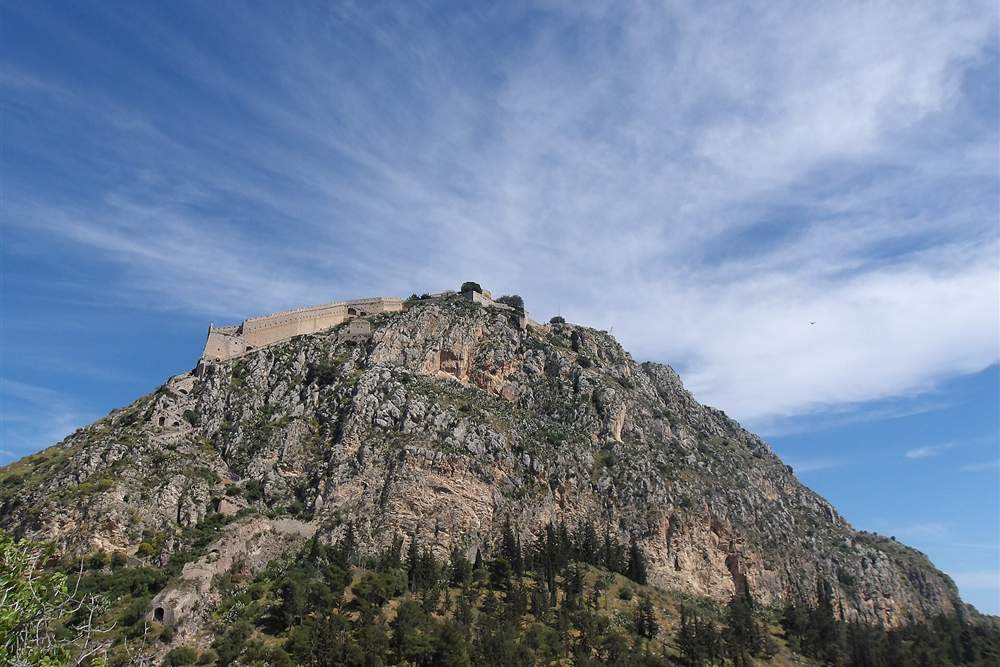
Epidaurus holds the 4th-century BC theatre famous for its acoustics, where a coin dropped on the stage carries to the top rows, beside the sanctuary of Asklepios. The second tour links an Argolic olive oil tasting with a visit to the site. The Palamidi fortress and the Bourtzi castle in the harbour round off the day, so a Nafplio olive oil tasting becomes one stop on an Argolida circuit.
- Morning – walk the citadel of Mycenae before the midday heat.
- Midday – join the estate tour and olive oil tasting nearby.
- Evening – stroll the old town lanes and the harbour front.
Who is a Nafplio olive oil tasting suited to?
A Nafplio olive oil tasting suits food lovers, families, couples and road-trip travellers curious about Greek farming, because it needs no prior knowledge and the walk through the groves stays on the flat ground of the plain.
Food travellers gain the most from the visit, since the tasting explains flavours they meet in every local taverna meal in Greece. Families join easily, because the grove walk and the table of bread and oil hold the attention of younger guests; check the tour listing for any age rules. A Nafplio olive oil tasting also suits travellers without a car, as long as the chosen listing includes transport from town.
Travellers interested in nutrition gain a clear picture of what freshness and polyphenols mean for the oil on their table. A Nafplio olive oil tasting is less suited to anyone who dislikes bitter or peppery tastes, although sips are small and no one has to finish a cup. Guests with mobility needs or food allergies can confirm access to the grove and the contents of the tasting plate before booking.
Where do visitors buy olive oil to take home?
Visitors buy oil at the end of a Nafplio olive oil tasting, where the estate sells its own, then pack tins or dark bottles in checked luggage, since cabin rules limit liquids to 100 ml per container.
Tins block all light and survive knocks, which makes them the safest choice for a suitcase. Dark glass bottles protect the oil from light but need wrapping in clothes or a sealed bag in case of leaks. Oil keeps best away from heat and light, so a bottle left in a hot summer car on the drive back from a Nafplio olive oil tasting starts to lose its fresh aroma.
At home, store the oil in a cool cupboard, away from the stove, and close the cap after each use. Once opened, a bottle keeps its fresh flavour for a few months, and an unopened tin or bottle lasts until the best-before date. Travellers who prefer not to carry liquids can ask the estate about shipping, and shops in the old town of Nafplio sell Argolida oils and olives.
When is the best time to book a Nafplio olive oil tasting?
The harvest, from late October to December, is the best time for a Nafplio olive oil tasting, because mills press fresh oil, while spring and summer visits show blossom or young fruit; book through the tour listing.
Harvest visits show the whole process at once: nets under the trees, crates of fruit and fresh oil running at the mill. New oil in November is at its greenest and most peppery, and some producers bottle it as early-harvest oil. From January to March the work turns to pruning, and in summer the plain is hot by midday, so a morning start suits a July or August Nafplio olive oil tasting.
Booking runs through the tour listing, which shows dates, the meeting point, what the tasting includes and the cancellation terms. Reserve a few days ahead in spring and autumn, and earlier for weekends in July and August, when Nafplio fills with visitors from Athens. Book a harvest-season Nafplio olive oil tasting once travel dates are fixed, since mill days depend on the picking schedule, and confirm the meeting time the day before.
Is a Nafplio olive oil tasting worth it?
Yes, a Nafplio olive oil tasting is worth it for travellers who want to understand Greek food, because it turns a daily ingredient into a skill: judging freshness, spotting defects and choosing oil with confidence at home.
A Nafplio olive oil tasting places the oil in its landscape, on the plain between the citadel of Mycenae and the theatre of Epidaurus. The skills carry over to every shop shelf and taverna table in Greece. For travellers comparing an olive oil tasting in Kalamata or an olive oil tasting in Athens, the Argolida adds two of the country’s major ancient sites within a short drive of the groves.
The two listings answer different needs: the estate tour near Mycenae centres on the groves and production, while the Argolic tasting with Ancient Epidaurus joins food and archaeology in one outing. Both fit into a stay in Nafplio, between a morning at a site and an evening in the old town. Check the tour listing for dates and details, then book the Nafplio olive oil tasting that matches the rest of the trip.
Frequently Asked Questions
Is any knowledge of olive oil needed before the tasting?
No, a Nafplio olive oil tasting needs no prior knowledge. The host explains each step from the grove to the cup, shows how to warm, smell and sip the oil, and names the flavours as the group tastes them together.
Is the tasting suitable for vegans?
The oils themselves are plant-based, and bread, olives, tomatoes and oranges fit a vegan diet, but some plates add cheese or honey. Check the tour listing and tell the operator about dietary needs before the day of the Nafplio olive oil tasting.
Can a working olive mill be seen near Nafplio?
Mills in the Argolida run from late October to December. Outside those months the machines stand idle, so a spring or summer Nafplio olive oil tasting explains the process at the grove and the tasting table instead.
Does the tour include transport from town?
Transport depends on the listing, since one tour can offer pickup in Nafplio while another sets a meeting point at the estate. Check the tour listing for a Nafplio olive oil tasting before booking, and plan a taxi or rental car when transport is not part of it.
Why does fresh olive oil make tasters cough?
The cough comes from oleocanthal, a polyphenol in fresh extra virgin oil that stings receptors in the throat. At a Nafplio olive oil tasting, a strong catch marks a fresh, high-polyphenol oil, and a cough after a sip counts as a good sign.