
For a small town, Nafplio has a remarkable range of museums, from the great Archaeological Museum on Syntagma Square to the award-winning folklore collection, the unique worry-bead museum and the war museum in the old military school. Between them they cover the prehistoric and Mycenaean Argolid, the traditional life and costume of the Peloponnese, the story of the worry beads of the eastern Mediterranean, and the wars that founded and defended the modern Greek state. Compact, inexpensive and walkable, the museums of Nafplio are a rewarding part of any visit, and they are especially welcome on a hot afternoon or a rainy day when the fortresses and streets are less inviting.
This guide covers the museums of Nafplio in full: the Archaeological Museum, the Folklore Foundation, the Komboloi museum, the War Museum and the smaller collections, with what each holds and how to visit. Read it beside the full Nafplio travel guide, the guide to Nafplio old town and the guide to the best things to do in Nafplio.
What museums are in Nafplio?
The main museums of Nafplio are the Archaeological Museum on Syntagma Square, the Peloponnese Folklore Foundation museum, the Komboloi worry-bead museum, and the War Museum. Smaller collections include the National Gallery annex and a distillery museum, all within the walkable old town.
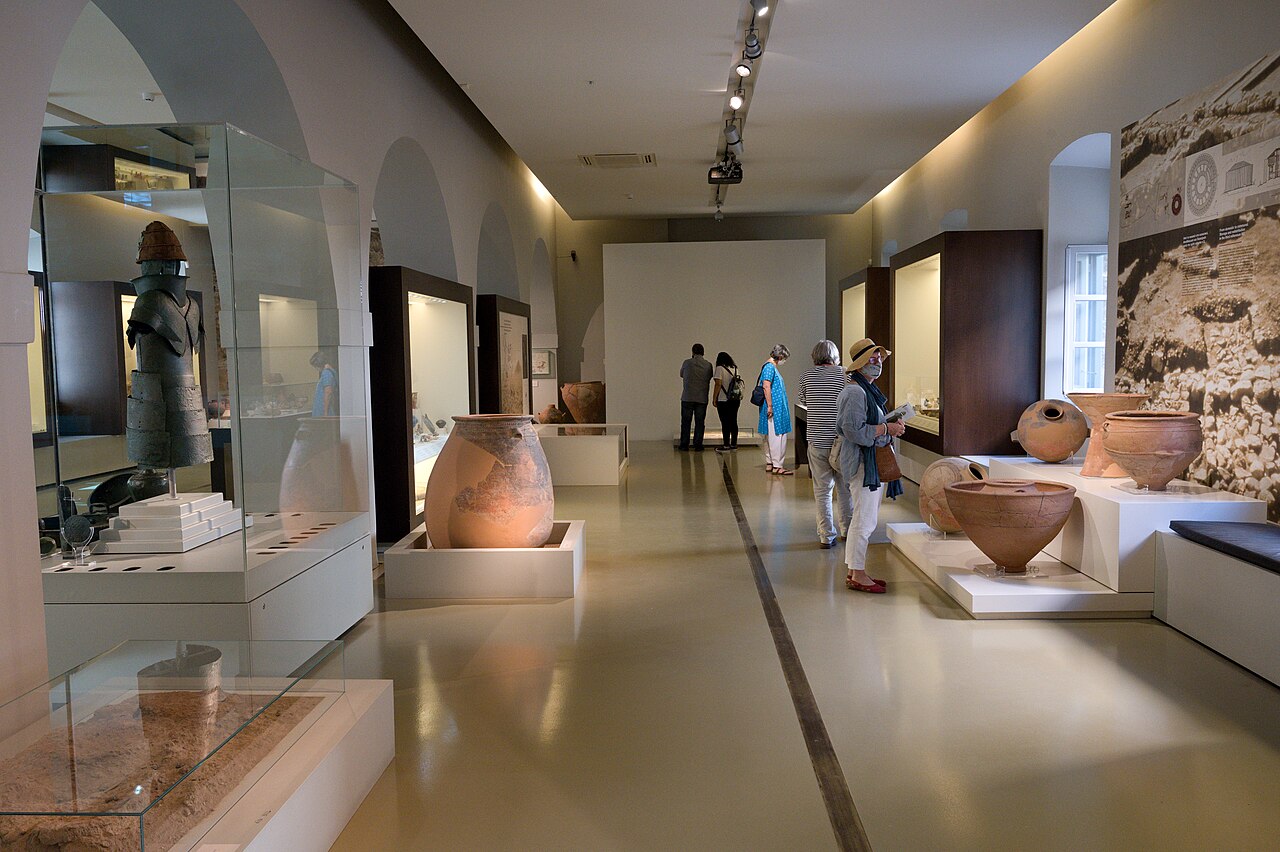
The Archaeological Museum leads. Housed in the Venetian barracks on Syntagma Square, the Archaeological Museum holds finds from across the Argolid, so it is the first and finest of the town’s museums, a rich introduction to the ancient region.
The folklore and worry-bead museums add character. The award-winning Peloponnese Folklore Foundation museum and the unique Komboloi worry-bead museum give the traditional culture of the region and one of its most distinctive customs, so they add character beyond the ancient finds.
The War Museum and others complete it. The War Museum in the old military school, the National Gallery annex and a distillery museum round out the collections, so Nafplio offers museums of archaeology, folk life, war and art in a compact and walkable set, as the guide to Nafplio old town describes.
What is the Archaeological Museum of Nafplio?
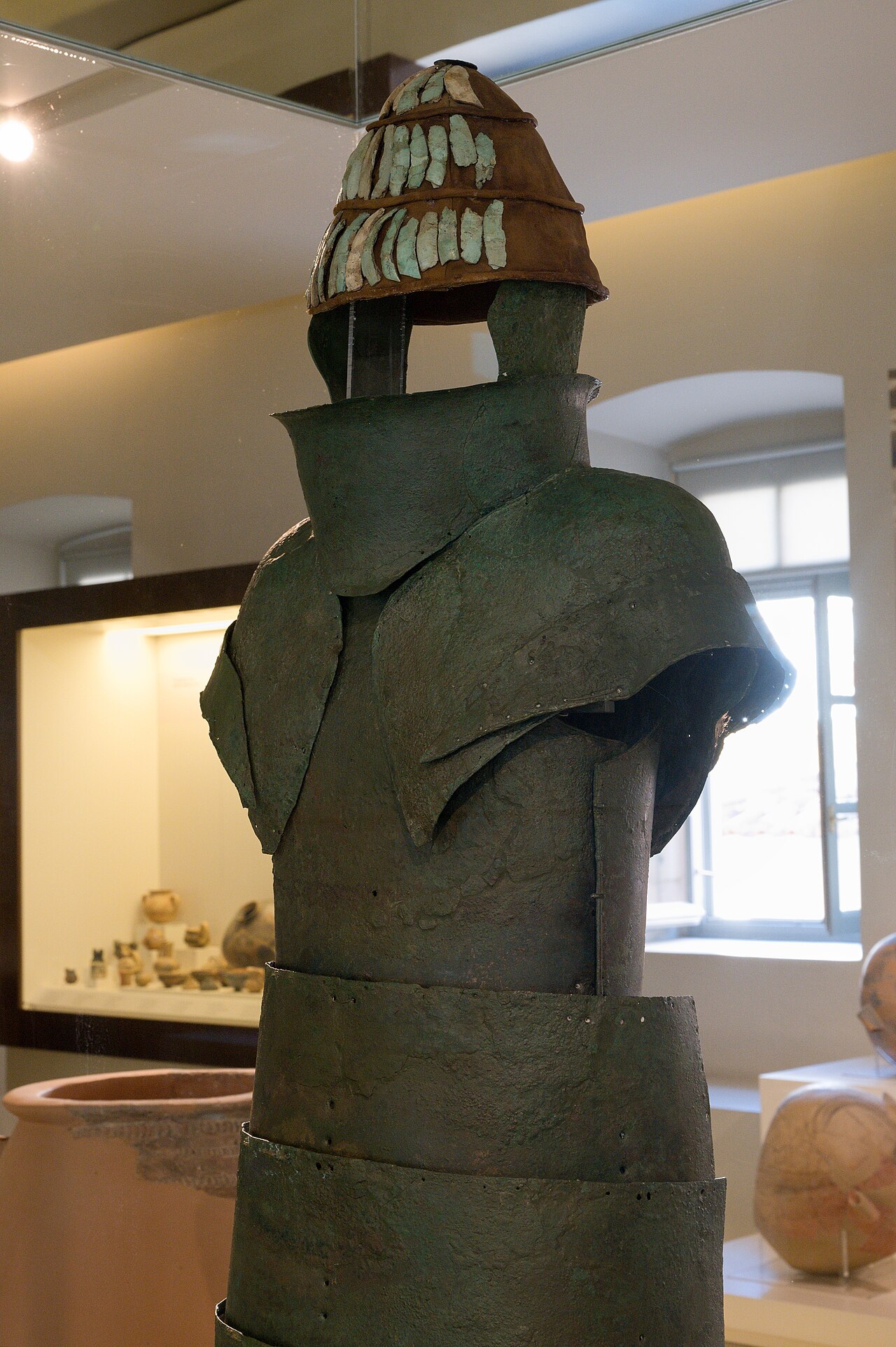
The Archaeological Museum of Nafplio stands on Syntagma Square in the imposing stone Venetian barracks, and displays finds from excavations across the Argolid. Its collection includes prehistoric and Mycenaean pottery, bronze armour and a boar’s-tusk helmet, so it is one of the finest museums in the region.
It fills the Venetian barracks. The museum occupies the grand stone building of the Venetian barracks on the west side of Syntagma Square, so its setting is itself a monument, one of the finest Venetian buildings in the town.
It holds Mycenaean treasures. Among its displays are finds from Mycenae and Tiryns, including bronze armour and a helmet made of boar’s tusks, so the museum is a rich complement to the ancient sites of the Argolid, bringing their finds to life.
It spans the region’s past. The collection covers the prehistoric, Mycenaean and later periods of the Argolid, so it traces the deep history of the region, an essential stop for anyone visiting the ancient sites nearby.
What is the Peloponnese Folklore Foundation museum?
The Peloponnese Folklore Foundation museum, also known as the Vasilis Papantoniou museum, is an award-winning museum of Greek costume, textiles and daily life in the old town of Nafplio. Its tableaux of interiors, costumes, furniture, jewellery and tools give a rich picture of the traditional culture of the region.
It records traditional life. The museum is a non-profit foundation dedicated to preserving tradition, displaying costume, textiles, furniture, musical instruments, jewellery and tools, so it gives a full and vivid picture of the traditional life of the Peloponnese.
It is award-winning. The Peloponnese Folklore Foundation has won European recognition for its collection and displays, so it ranks among the finest folk museums in Greece, laid out over several floors of a town house.
It uses striking tableaux. The museum arranges its exhibits in tableaux of interiors and scenes, so it brings the traditional world to life rather than showing objects in isolation, making it one of the most rewarding museums in the town.
What is the Komboloi museum in Nafplio?
The Komboloi museum in Nafplio is the only museum in the world devoted to worry beads, the komboloi that Greeks traditionally handle to pass the time. Founded in the late twentieth century, it displays a collection of beads and prayer ropes gathered over decades, dating from the sixteenth to the twentieth century.
It is unique in the world. The Komboloi museum is the only one of its kind anywhere, founded by collectors who had gathered and studied worry beads for decades, so it is one of the most distinctive attractions not just of Nafplio but of Greece.
Its beads span centuries. The collection includes worry beads and prayer ropes made of amber, coral, bone and other materials, dating from the sixteenth to the twentieth century, so it traces the custom across cultures and centuries of the eastern Mediterranean.
It has a shop below. The museum sits above a shop selling handmade worry beads, so visitors can buy a komboloi as a souvenir, one of the classic keepsakes of Nafplio, as the guide to Nafplio old town notes.
What is the War Museum of Nafplio?
The War Museum of Nafplio is an annex of the Athens War Museum, housed in the handsome neoclassical building of the first military school of Greece, the Evelpidon. It displays uniforms, weapons and documents covering the wars of the modern Greek state, from the War of Independence onward.
It fills the first military school. The museum occupies the neoclassical building of the Evelpidon, the first military academy of Greece, so its setting is itself a monument to the founding of the modern Greek army.
It covers the modern wars. The collection displays military uniforms, weapons and documents covering the recent war history of the region, from the liberation wars of the early nineteenth century to the twentieth-century conflicts, so it traces the defence of the modern Greek state.
It is an Athens annex. As a branch of the Athens War Museum, the Nafplio War Museum brings a national collection to the town, so it adds military history to the town’s museums of archaeology and folk life.
What other museums are in Nafplio?
Beyond the main four, Nafplio has smaller museums: the National Gallery annex, showing art of the War of Independence, and a distillery museum devoted to the local spirits. These add art and craft to the town’s collections, all within the old town and easily added to a museum walk.
The National Gallery annex shows art. An annex of the National Gallery in Nafplio displays paintings and art connected to the Greek War of Independence, so it adds fine art to the town’s museums, illustrating the events that founded the modern state.
A distillery museum shows local craft. A small distillery museum in the town is devoted to the making of local spirits, so it gives a taste of the region’s craft and produce, an unusual and enjoyable stop.
They round out the town. Together with the main museums, these smaller collections mean Nafplio offers art, craft, war, folk life and archaeology, so the town rewards museum lovers with a range far beyond its size, as the guide to the things to do in Nafplio describes.
Are Nafplio’s museums good for families and rainy days?
Nafplio’s museums are ideal for families and for a hot or rainy day. The Komboloi museum charms children, the Folklore Foundation’s costumes and tableaux hold their interest, and the Archaeological Museum is compact enough not to tire them, so the museums fill a wet afternoon or a break from the summer sun.
They suit a wet or hot day. Being indoors and close together, the museums are the natural choice when the summer sun is fierce or the weather turns wet, so they give a comfortable alternative to the exposed fortresses and streets.
Children enjoy them. The worry beads of the Komboloi museum, the costumes and scenes of the Folklore Foundation and the armour of the Archaeological Museum appeal to children, so the museums work for families rather than tiring young visitors.
They are compact. Because each museum is small, none demands a long visit, so families can see one or two without children losing interest, and combine them with a gelato and a walk, as the guide to the best time to visit Nafplio notes for a rainy day.
Where are Nafplio’s museums located?
Nafplio’s museums are all in or near the old town. The Archaeological Museum stands on Syntagma Square, the Folklore Foundation and Komboloi museums sit in the marble lanes nearby, and the War Museum is a short walk away in the old military school, so all are reached easily on foot in the walkable quarter.
The Archaeological Museum is on the square. The main museum occupies the Venetian barracks on Syntagma Square, so it is at the very heart of the old town, the first museum most visitors reach.
The folklore and worry-bead museums are in the lanes. The Peloponnese Folklore Foundation and the Komboloi museum sit in the marble streets a short walk from the square, so they are easily added to a wander through the old town.
The War Museum is close by. The War Museum stands a short walk from the square in the neoclassical building of the old military school, so it too lies within the walkable old town, easily combined with the others on a museum walk.
How do you visit Nafplio’s museums in one day?
You visit Nafplio’s museums in one day by starting at the Archaeological Museum on Syntagma Square, then walking to the Folklore Foundation and the Komboloi museum in the nearby lanes, and finishing at the War Museum. Because they are small and close together, several are easily seen in a morning or afternoon.
Start on the square. Begin at the Archaeological Museum on Syntagma Square, the finest of the town’s collections, so the day opens with the ancient finds of the Argolid at the heart of the old town.
Walk to the folklore and worry-bead museums. From the square, walk the short distance to the Peloponnese Folklore Foundation and the Komboloi museum, so the traditional life of the region and the unique worry-bead collection follow naturally.
Finish at the War Museum. End at the War Museum in the old military school, so a museum day covers archaeology, folk life, the worry beads and the wars of the modern state, all within the walkable old town and easily done in half a day.
What are the opening hours and tickets for Nafplio’s museums?
Nafplio’s museums charge modest admission, with the Archaeological Museum among the more expensive at a few euros, and generally open from the morning, with some closing on one weekday and shorter winter hours. It is worth checking each museum’s current times, as they vary and change by season.
Admission is modest. The museums of Nafplio charge small entrance fees, a few euros each, with the Archaeological Museum the main one to buy a ticket for, so seeing several museums costs little.
Hours vary by museum. The museums generally open from the morning, though some close on one day of the week and keep shorter hours in winter, so it is worth checking the current times for each before a visit.
They cluster in the old town. Because the main museums all sit within the walkable old town, they are easily combined on a single walk, so a museum-focused morning or afternoon takes in several without much walking between them.
Frequently Asked Questions
What is the best museum in Nafplio?
The best-known and most important museum in Nafplio is the Archaeological Museum, housed in the imposing Venetian barracks on Syntagma Square, which displays finds from across the Argolid, including prehistoric and Mycenaean pottery, bronze armour and a famous boar’s-tusk helmet, making it a rich complement to the ancient sites of Mycenae and Tiryns nearby. However, the award-winning Peloponnese Folklore Foundation museum, with its tableaux of costume, textiles and traditional life, is regarded as one of the finest folk museums in Greece and is a favourite of many visitors. The Komboloi museum, the only museum in the world devoted to worry beads, is the most unusual and distinctive, and the War Museum in the old military school covers the wars of the modern Greek state. Which is best depends on your interest: archaeology, folk life, a unique curiosity or military history. Because the museums are small and cluster in the walkable old town, many visitors see several in a single visit.
How many museums does Nafplio have?
Nafplio has four main museums and several smaller ones, a remarkable number for such a small town. The four principal collections are the Archaeological Museum on Syntagma Square, the award-winning Peloponnese Folklore Foundation museum, the unique Komboloi worry-bead museum, and the War Museum housed in the first military school of Greece. Beyond these, the town has smaller collections including an annex of the National Gallery, showing art of the War of Independence, and a distillery museum devoted to local spirits. Between them, these museums cover the prehistoric and Mycenaean Argolid, the traditional costume and daily life of the Peloponnese, the story of the worry beads of the eastern Mediterranean, the wars that founded and defended modern Greece, and the art and craft of the region. Because they are all small and cluster within the walkable old town, it is easy to visit several in a single morning or afternoon, so Nafplio rewards museum lovers far beyond its size.
Are Nafplio’s museums worth visiting?
Yes, Nafplio’s museums are well worth visiting, and they are a rewarding part of any stay, especially on a hot afternoon or a rainy day. The Archaeological Museum is essential for anyone visiting the ancient sites of the Argolid, bringing the finds of Mycenae and Tiryns to life in a fine Venetian building on the main square. The Peloponnese Folklore Foundation museum is one of the best folk museums in Greece, giving a vivid picture of traditional costume and life, while the Komboloi museum, the only one of its kind in the world, is a charming curiosity unique to the town. The War Museum adds the story of the modern Greek state in a handsome neoclassical setting. Because the museums are small, inexpensive and cluster within the walkable old town, they are easy to combine, so even those who prefer not to spend a whole day in museums can enjoy one or two alongside the fortresses, the streets and the waterfront, deepening their understanding of Nafplio and its region.