
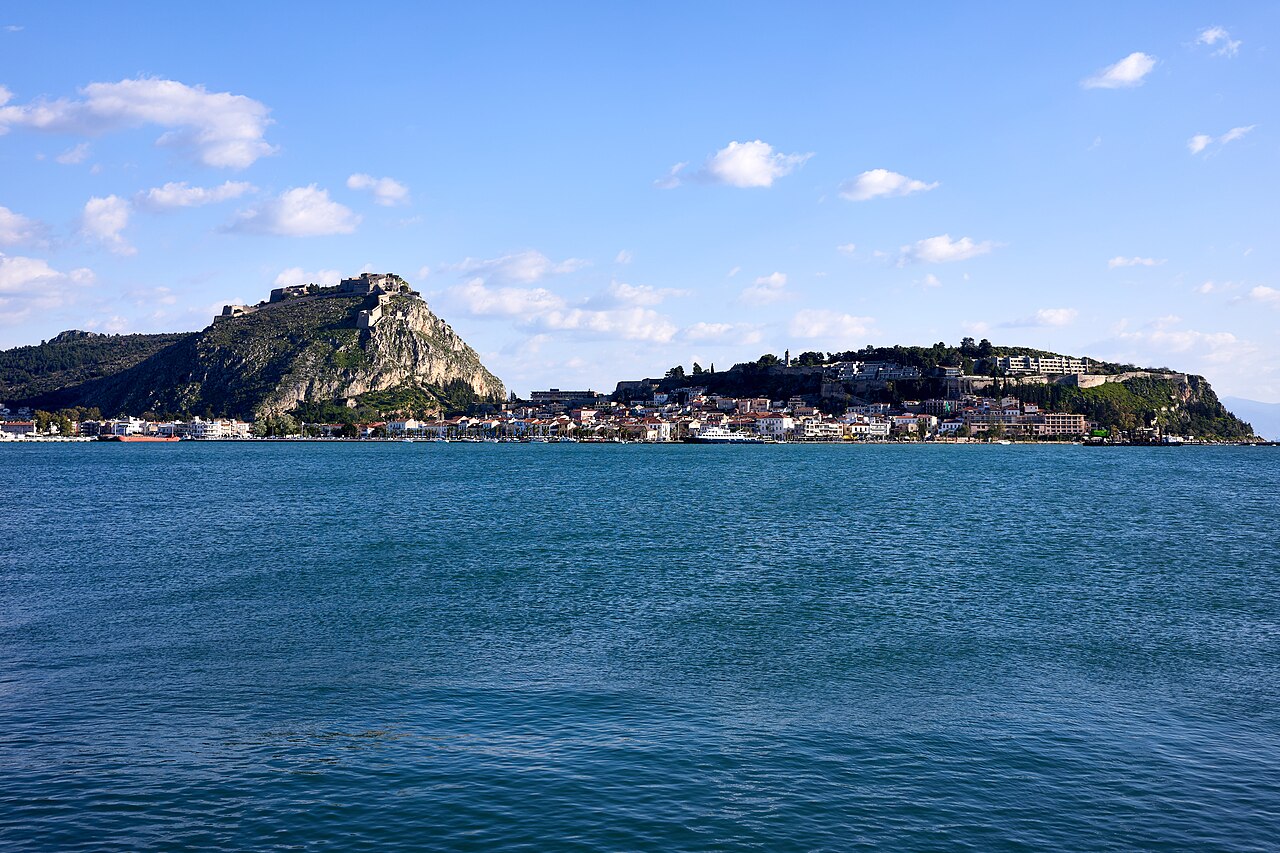
Nafplio is a rewarding destination in every season, but the best time to visit depends on what you want from the trip. Spring and autumn bring warm, comfortable days ideal for climbing Palamidi and walking the old town, summer is hot and lively and best for the beaches, and the mild winter is quiet, cheap and a favourite weekend escape. Understanding the weather month by month, and how the crowds and prices move with it, is the key to choosing when to go.
This guide covers the best time to visit Nafplio in full: the weather season by season and month by month, the summer heat and swimming, the quiet mild winter, the cheapest time to go, and the best time to climb Palamidi and enjoy the beaches. Read it beside the full Nafplio travel guide, the guide to the best things to do in Nafplio and the guide to Nafplio beaches.
When is the best time to visit Nafplio?
The best time to visit Nafplio is spring and autumn, from April to June and September to October, for warm days, comfortable sightseeing and thinner crowds. Summer is hot and busy but best for swimming, while winter is quiet, mild and cheap, so the shoulder seasons suit most visitors best.
The shoulder seasons are ideal. In spring and autumn the weather is warm without the fierce heat of high summer, perfect for climbing Palamidi and walking the old town, the light is clear and the crowds thinner, so April to June and September to October are the finest months for a visit to Nafplio.
Summer suits the beaches. July and August bring heat and crowds, and the town is at its busiest, but the sea is warm and the beaches and boat trips at their best, so summer rewards visitors who come mainly for swimming and who time their sightseeing for the cool of the morning and evening.
Winter is quiet and mild. Out of season Nafplio is calm and its mild climate makes it a favourite winter weekend escape from Athens, with cafes and tavernas open and prices low, so even the cooler months are rewarding for those who want atmosphere and value over beach weather.
What is Nafplio like in spring?
Nafplio in spring, from March to May, is mild and green, with temperatures rising from around 15°C early on to the mid-20s by May. The countryside is in flower, the crowds are light and the days are warm enough for sightseeing, making spring one of the best times to visit the town.
The weather is mild and warming. Spring temperatures in Nafplio climb steadily from the mild days of March, around 15°C, to the warm mid-20s of May, so the season offers comfortable warmth for walking the old town and climbing Palamidi without the heat of summer or the chill of winter.
The landscape is at its greenest. After the winter rains the Argolid is green and the wildflowers are out, so spring is a beautiful time to explore the ancient sites and the countryside around Nafplio, with the hills and roadsides in bloom and the light fresh and clear.
The crowds are still light. Before the summer peak the town is quiet in spring, so the sights, streets and tavernas are uncrowded and rooms easier to find, making it an ideal time for a relaxed visit, though the sea is still cool for swimming until early summer.
What is Nafplio like in summer?
Nafplio in summer, from June to August, is hot and lively, with July and August highs of 30°C to 35°C and little rain. The sea is warm for swimming, the boat trips and beaches are at their best, and the town is busy, so summer suits beach visitors who sightsee in the cooler hours.
It is hot and dry. The height of summer brings daytime temperatures of 30°C to 35°C and almost no rain, so the days are long, sunny and hot, and the middle of the day is fierce for climbing the exposed fortress, which is best tackled early or late when the heat eases.
The sea is at its warmest. Summer is the swimming season, with the sea warm and inviting, so the beaches of Arvanitia, Karathona and Tolo and the boat trips into the gulf are at their best, making summer the time to come for a beach-focused stay in the region.
The town is busy and alive. July and August are the peak, when Nafplio is at its liveliest, the squares full in the evening and the festival season under way, including performances at nearby Epidaurus, so summer has energy and atmosphere alongside the heat and the crowds.
What is Nafplio like in autumn?
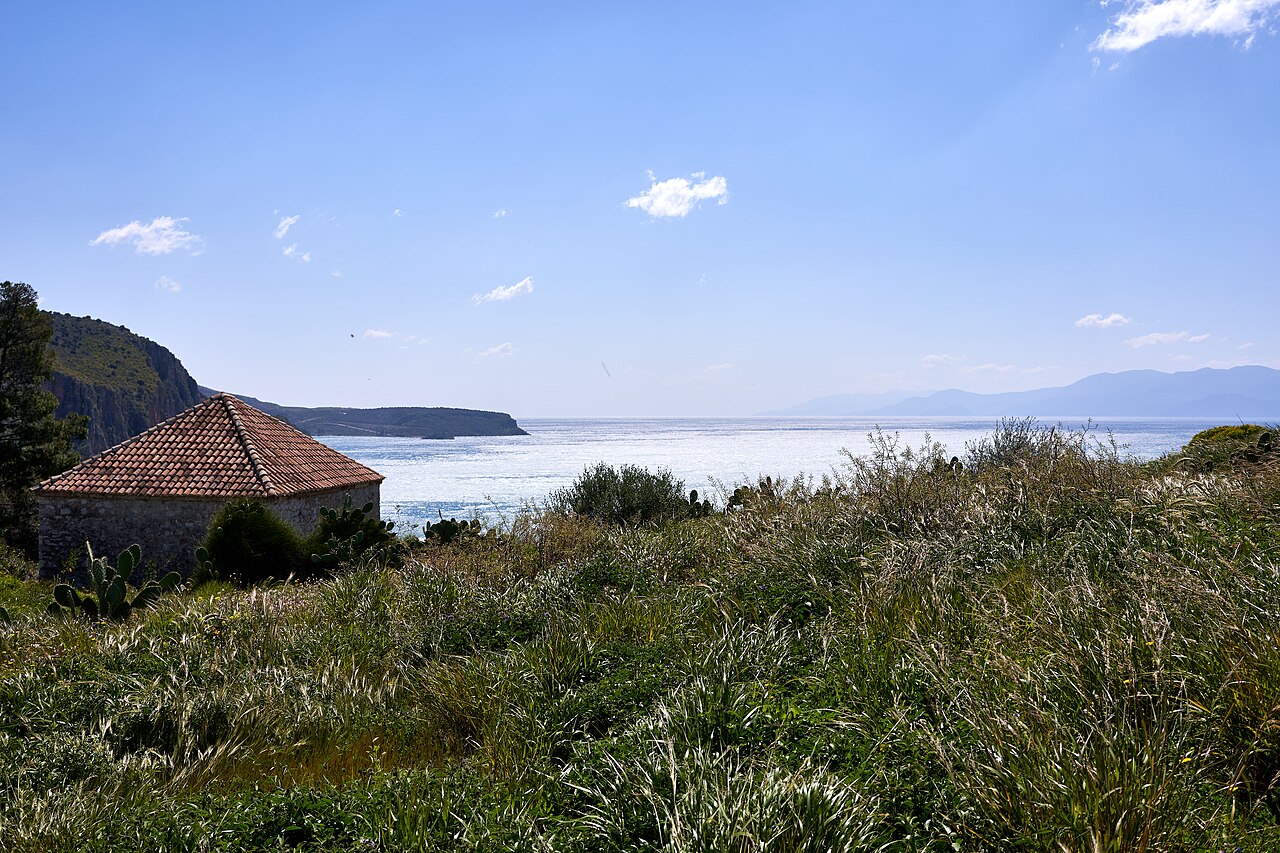
Nafplio in autumn, from September to November, is warm early and cooling later, with September still summery and the sea at its warmest. The crowds thin after August, the light is golden and the days remain fine for sightseeing, so early autumn is one of the very best times to visit.
September keeps the summer warmth. Early autumn holds the warmth of summer without its peak crowds, with September days still in the high 20s and the sea at its warmest after the long summer, so it combines beach weather with quieter streets, the ideal blend for many visitors.
October is mild and clear. As autumn goes on the heat eases to comfortable warmth, ideal for climbing Palamidi and exploring the ancient sites, and the light turns golden, so October is a lovely month for sightseeing, with fine days and only the first hints of the coming rains.
The crowds fall away. After the August peak the town grows quieter through the autumn, so rooms are easier and the sights less busy, and the combination of warm days, warm sea in September and thin crowds makes early autumn a favourite season, as the guide to Nafplio beaches notes for swimming.
What is Nafplio like in winter?
Nafplio in winter, from December to February, is mild and quiet, with daytime temperatures around 10°C to 15°C and the year’s heaviest rain in December. It is the low season, cheap and calm, and a popular weekend escape from Athens, so winter suits those who want atmosphere and value over beach weather.
The weather is mild but wetter. Winter in Nafplio is gentle by northern standards, with daytime temperatures around 10°C to 15°C, but it is the wettest time of year, with December the rainiest month, so days are cooler and showers more frequent, though hard frost and snow are rare on the coast.
It is the quiet, cheap season. Away from the summer crowds the town is calm in winter, rooms are at their cheapest and the tavernas and cafes serve a mainly local crowd, so winter offers Nafplio at its most peaceful and affordable, rewarding for those who value atmosphere over sunbathing.
It is a favourite weekend escape. Because its mild climate and beauty make it a popular winter retreat for Athenians, Nafplio stays lively at weekends even in the low season, so a winter weekend finds the town animated while weekdays are quiet, a good time for a calm and inexpensive visit.
What is the weather like month by month in Nafplio?
Nafplio has a mild Mediterranean climate: cool, wet winters and hot, dry summers. Temperatures rise from around 10°C to 15°C in winter to 30°C to 35°C in July and August, then fall through autumn. Rain is heaviest in the winter months and almost absent in high summer.
Winter and spring warm gradually. The coldest months, December to February, sit around 10°C to 15°C by day with the year’s heaviest rain, then spring warms steadily from the mild teens of March to the mid-20s of May, so the first half of the year moves from cool and wet to warm and dry.
Summer is hot and rainless. June brings warmth, and July and August the peak heat of 30°C to 35°C with almost no rain, so high summer is reliably hot, sunny and dry, ideal for the beach but demanding shade, water and careful timing for sightseeing in the exposed fortress.
Autumn cools and dampens. September stays warm and summery, October is mild and pleasant, and by November the temperatures drop and the rains return, so autumn slides from summer warmth back towards the wetter, cooler days of winter, with the pleasant middle of the season ideal for a visit.
When is the cheapest time to visit Nafplio?
The cheapest time to visit Nafplio is the low season of late autumn to early spring, roughly November to March apart from holidays, when room rates fall well below the summer peak. Weekdays cost less than weekends year-round, so a midweek winter stay brings the lowest prices of all.
Winter brings the lowest rates. Outside the summer and the main holidays, room prices in Nafplio drop sharply, so late autumn and winter offer the best value, with even the boutique guesthouses of the old town becoming affordable, making the low season ideal for a budget or a quiet visit.
Weekdays beat weekends. Because Nafplio is a favourite weekend escape, Friday and Saturday nights carry a premium in every season, so choosing weekday nights saves money year-round, and a midweek stay is both cheaper and calmer than a busy weekend in the town.
The shoulder seasons balance cost and weather. Spring and autumn sit between the low winter rates and the summer peak, offering mild weather for sightseeing at moderate prices, so travellers who want both value and good conditions find the shoulder months the best compromise, as the guide on where to stay in Nafplio explains.
When is the best time to climb Palamidi?
The best time to climb Palamidi is spring and autumn for comfortable temperatures, and the early morning or late afternoon in summer to avoid the midday heat. The fortress is exposed and shadeless, so the cooler hours and the softer light of morning and evening make the climb and the views far better.
The shoulder seasons suit the climb. In spring and autumn the mild weather makes the long stairway up Palamidi comfortable, so these seasons are ideal for the climb, avoiding both the summer heat and the winter rain, with clear light over the town and gulf from the ramparts.
Summer demands early or late timing. Because the fortress is exposed and shadeless and the stone steps a hard climb in the heat, a summer ascent is best made in the cool of the early morning or the late afternoon, both for comfort and for the softer light on the town below.
The light rewards morning and evening. The low sun of morning and evening flatters the old town, the Bourtzi and the gulf spread beneath the fortress, so timing the climb for these hours gives both an easier ascent and the best views, as the guide to things to do in Nafplio describes.
When is the best time to swim in Nafplio?
The best time to swim in Nafplio is June to October, when the sea is warm, with the water at its warmest in August and September. June and September combine warm water with fewer crowds, while July and August are hottest and busiest, so early autumn is the ideal time for the beaches.
The swimming season is long. The sea around Nafplio is warm enough for comfortable swimming from June through to October, so the beach season stretches well into autumn, and even in October the water holds its warmth on fine days, giving a long window for the coast.
Late summer is warmest. The sea reaches its warmest in August and September after the long summer heat, so late summer and early autumn give the most comfortable swimming, with September combining warm water and thinner crowds once the August peak has passed.
June and September beat the crowds. While July and August are the hottest and busiest months, June and September offer warm water and sunshine with fewer people on the sand, so these shoulder months are the best time for the beaches, as the guide to Nafplio beaches sets out.
When are the crowds biggest in Nafplio?
The crowds in Nafplio are biggest in July and August and on weekends year-round, when Athenians escape to the town. Weekdays and the shoulder and low seasons are much quieter, so visitors who want to avoid the crowds come midweek or outside high summer for a calmer experience.
High summer is the peak. July and August bring the most visitors, drawn by the beaches and the warm sea, so the town, its sights and its beaches are at their busiest then, and rooms are in greatest demand, making advance booking important for a summer stay.
Weekends are busy all year. Because Nafplio is the classic weekend escape from Athens and its mild winters keep it popular, weekends fill even out of season, so a Friday or Saturday in any month is livelier and dearer than a midweek visit, when the town is at its calmest.
Midweek and shoulder seasons are quiet. Away from the summer peak and the weekends, Nafplio is relaxed, so travellers who want to avoid the crowds do best to come on weekdays in spring, autumn or winter, enjoying the town, its sights and its tavernas at a gentler pace.
When is the best time for the ancient sites near Nafplio?
The best time to visit the ancient sites near Nafplio, such as Mycenae and Epidaurus, is spring and autumn, from April to June and September to October. The exposed, shadeless ruins are hot and hard in summer, so the mild shoulder seasons give comfortable conditions and clear light for the day trips.
The ruins are exposed to the sun. Mycenae, Epidaurus, Tiryns and the other sites of the Argolid are open, shadeless hillsides and plains, so they are hot and tiring to explore in the summer heat, and the spring and autumn months make walking them far more comfortable, the best time for a day of archaeology.
Early and late in the day beats the heat. In summer the sites are best visited soon after they open in the morning or in the late afternoon, avoiding both the midday sun and the coach crowds, so timing matters as much as season for a good visit to Mycenae or Epidaurus.
The light rewards the shoulder seasons. The clear, golden light of spring and autumn flatters the ancient stones and the surrounding hills, so these months give the best conditions and photographs for the day trips, as the guide to day trips from Nafplio describes.
When are the festivals and events in Nafplio?
Nafplio’s cultural season runs mainly through summer, when the nearby ancient theatre of Epidaurus stages its festival of drama and music and the town hosts concerts and events, including performances at the Bourtzi. Summer visitors combine the heat and beaches with the richest calendar of festivals and nightlife.
Epidaurus is the summer highlight. The great ancient theatre of Epidaurus, a short drive from Nafplio, stages a summer festival of classical drama and music in its perfect acoustics, so a summer visit allows an evening at one of the most famous theatres in the world, the cultural high point of the season.
The town comes alive in summer. Through the warm months Nafplio hosts concerts, cultural events and a lively evening scene in its squares and along the waterfront, with events staged at the island fortress of the Bourtzi, so summer offers the fullest calendar of festivals and nightlife in the town.
The shoulder seasons are quieter but cultured. Spring and autumn bring fewer large events but a calmer town, and the museums, galleries and tavernas are open year-round, so visitors who prefer culture without the summer crowds find the shoulder months rewarding, as the guide to the things to do in Nafplio sets out.
What to pack for Nafplio by season?
Pack light clothes, sun protection and swimwear for the hot, dry summer, layers and a light jacket for the mild spring and autumn evenings, and warmer clothes with a raincoat for the cooler, wetter winter. Comfortable shoes for the marble streets and the Palamidi steps are essential in every season.
Summer needs sun gear. For July and August, light and breathable clothes, a hat, high-factor sunscreen and swimwear are essential against the heat and strong sun, along with plenty of water for the exposed climb to Palamidi and the shadeless beaches, so summer packing is all about staying cool and protected.
Spring and autumn call for layers. In the shoulder seasons the days are warm but the evenings cooler, so layers and a light jacket cover the range, with swimwear worth packing for the warm sea of early autumn, making these seasons the easiest to dress for on a visit to the town.
Winter needs warmth and a raincoat. For the cooler, wetter winter, warmer clothes, a waterproof jacket and an umbrella handle the showers and the mild chill, and good walking shoes remain essential for the marble streets and the fortress steps, so winter packing trades sun gear for rain protection.
Frequently Asked Questions
What is the best month to visit Nafplio?
The best months to visit Nafplio are May, June, September and October. May and June bring warm, comfortable weather ideal for climbing Palamidi and exploring the old town and the ancient sites, with the countryside still green from spring and the crowds not yet at their peak. September and October are equally rewarding, with September holding the warmth of summer and the sea at its warmest for swimming, and October offering mild, golden days perfect for sightseeing once the August crowds have gone. All four months avoid both the fierce heat of July and August and the wetter, cooler days of winter, so they combine good weather with thinner crowds and easier prices. Of them, September is often singled out as the single best month, pairing warm water for the beaches with quiet streets and pleasant temperatures for the town.
Is Nafplio worth visiting in winter?
Yes, Nafplio is well worth visiting in winter, when it shows a quieter and more local side. The climate is mild by northern standards, with daytime temperatures around 10°C to 15°C, though December is the wettest month of the year, so days are cooler and showers more frequent than in summer. What winter offers is peace and value: the summer crowds are gone, room rates are at their lowest, and the tavernas and cafes serve a mainly local crowd, so the town is calm and atmospheric. Because its beauty and mild weather make it a favourite weekend escape for Athenians, Nafplio stays lively at weekends even in winter, while weekdays are very quiet. It is not the season for the beach, but for exploring the fortresses, the old town and the museums, and enjoying good food at low prices, winter is a rewarding time to visit.
How hot does Nafplio get in summer?
Nafplio gets hot in summer, with daytime temperatures in July and August typically reaching 30°C to 35°C and very little rain. The heat is dry rather than humid, but the middle of the day is fierce, especially on the exposed stone steps and ramparts of Palamidi, which are shadeless and hard to climb in the peak heat. For this reason summer sightseeing is best done in the cooler hours of the early morning and the late afternoon, keeping the hot midday for the beach or a shaded taverna. The upside of the summer heat is the warm sea, which makes June to September the swimming season, so summer suits visitors who come mainly for the beaches of Arvanitia, Karathona and Tolo and the boat trips into the gulf, and who plan their time in the town around the cooler parts of the day.