
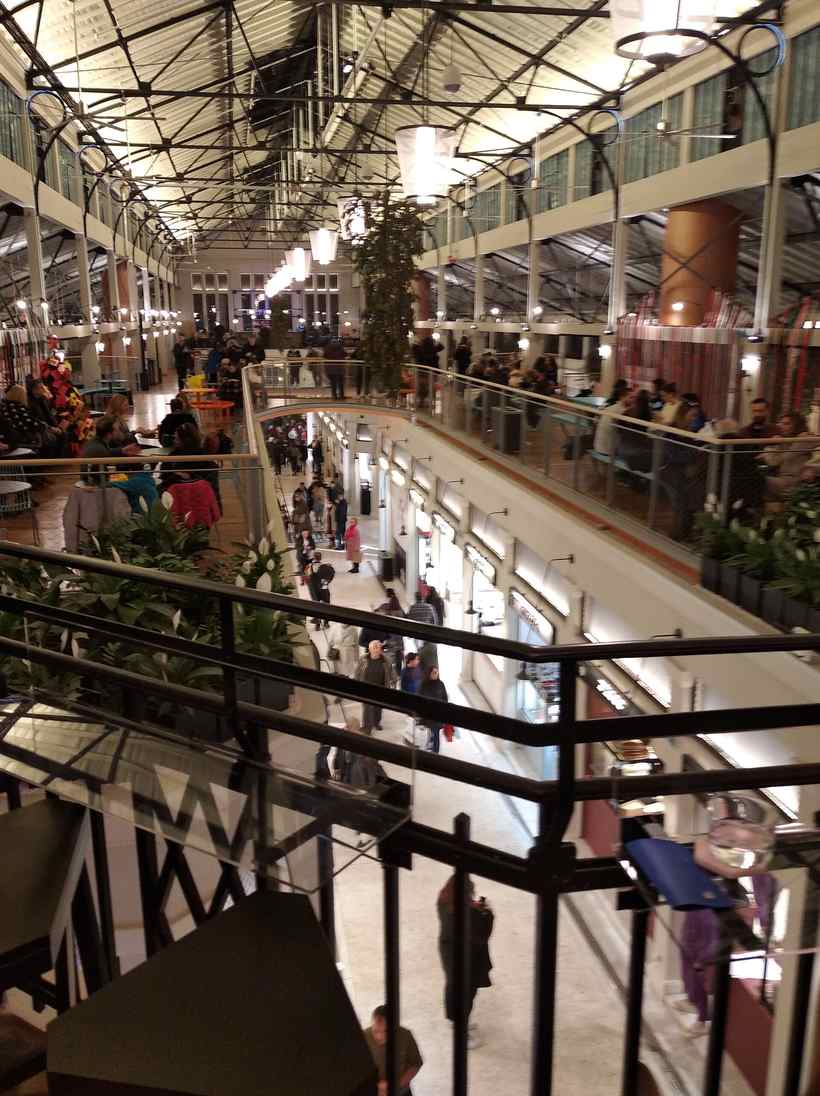
Modiano Market, located in the heart of Thessaloniki, is a bustling hub of culinary activity and cultural history. Originally designed by Eli Modiano, it stands on a site that was rebuilt following a devastating fire. The market’s architecture features a basilica-style layout with a glazed roof, offering a vibrant space for vendors and visitors. Following a period of decline, a comprehensive restoration transformed it into a lively food and dining hall, where tavernas and various stalls offer a wide array of local delicacies. Discover the rich tapestry of flavours and history that defines this iconic market, with My Greece Tours.
Visitors to Thessaloniki will find the Modiano Market a fascinating blend of history and gastronomy. This market, with its unique architectural charm and diverse offerings, is a testament to the city’s rich cultural tapestry. The sections below cover its historical significance, the culinary experiences available, and more. Whether you’re on Thessaloniki tours or exploring independently, the Modiano Market is a must-visit destination that encapsulates the essence of the city. Discover how this market has evolved and what makes it a central part of Thessaloniki’s vibrant life.
What is the historical significance of Modiano Market?
Modiano Market is a testament to Thessaloniki’s resilience and cultural diversity, rebuilt after a great fire and reflecting the city’s Jewish heritage.
Modiano Market’s history is deeply intertwined with Thessaloniki’s past. The structure was built by Eli Modiano, a prominent Jewish architect, on the site of a district ravaged by a significant fire. Its construction marked a new beginning for the area, symbolising resilience and renewal. Eli Modiano’s design drew from the architectural styles of the period, incorporating a basilica-like structure that allowed natural light to illuminate the central nave. This design not only created a welcoming space but also highlighted the market’s role as a central hub for the community, fostering trade and social interaction among diverse groups.
The market’s location in Thessaloniki’s old commercial core placed it at the heart of the city’s economic activities. It served as the main indoor food market for decades, supplying residents with essential goods like meat, fish, and groceries. The market’s significance grew as it became a meeting point for different cultures and communities, reflecting the city’s diverse population. Its evolution over the years showcases its adaptability and enduring importance within Thessaloniki, continuing to serve as a vital link between past and present, connecting generations through commerce and culture.
The comprehensive restoration of Modiano Market in recent times breathed new life into this historic structure. This restoration was not just about preserving the physical building but also about reviving its spirit as a bustling marketplace. Positioned alongside the open-air Kapani market and the Ottoman Bezesteni, it forms a vibrant trio that represents Thessaloniki’s rich commercial heritage. The market’s transformation into a food and dining hall has ensured its continued relevance, attracting both locals and tourists eager to experience its unique offerings and engage with its storied past.
What can visitors expect at the Modiano Market?
Visitors can explore a variety of stalls offering local delicacies, from tavernas to spice and cheese stalls, all under one roof.
The Modiano Market offers a vibrant array of culinary delights that cater to both locals and tourists. As you enter the market, the aroma of fresh produce and spices fills the air, inviting exploration of its diverse offerings. Stalls line the central nave, each showcasing a unique aspect of Greek cuisine. From traditional tavernas serving meze and ouzo to delis stocked with regional delicacies, the market provides an authentic taste of Thessaloniki’s food culture. Visitors can wander from stall to stall, sampling different flavours and discovering new favourites, experiencing the market’s lively atmosphere and cultural vibrancy.
Modiano Market’s standout features include its fishmonger, where fresh seafood is displayed on ice, ready to be purchased and enjoyed. Cheese lovers will find an array of local varieties, each with distinct textures and flavours. Spice stalls, with their colourful displays, offer a sensory experience, with the opportunity to purchase unique blends that add a touch of Greece to any dish. The market’s focus on quality and authenticity ensures that every visitor can find something to savour, making it a culinary haven for all who visit.
The market’s atmosphere is lively and welcoming, making it a perfect spot for socialising and immersing oneself in local culture. The combination of traditional and modern elements creates a dynamic environment where history and contemporary tastes coexist. Whether you’re a food enthusiast or simply curious about Thessaloniki’s culinary scene, a visit to Modiano Market offers a memorable experience. Exploring the market is also an excellent way to engage with local vendors, who often share stories and insights about their products, enriching the visitor experience and deepening the connection to Thessaloniki’s cultural heritage.
How does Modiano Market reflect Jewish Thessaloniki?
Modiano Market reflects Jewish Thessaloniki through its architectural design by Eli Modiano and its historical connection to the Jewish community.
The architectural design of Modiano Market is a tribute to Thessaloniki’s Jewish heritage. Eli Modiano, a prominent figure within the city’s Jewish community, played a crucial role in shaping the market’s design. His vision combined traditional architectural elements with modern functionality, resulting in a structure that is both aesthetically pleasing and practical. The basilica-style layout, with its central nave and side aisles, reflects the influence of European architectural trends of the time, while also accommodating the needs of a bustling market. This design honours the rich cultural tapestry of the Jewish community in Thessaloniki, celebrating their contributions to the city’s development.
Thessaloniki’s Jewish community has long been an integral part of the city’s cultural fabric. Modiano Market, located in an area historically associated with Jewish merchants, stands as a symbol of this enduring legacy. The market’s history is intertwined with the stories of Jewish families who contributed to the city’s economic and cultural development. Visiting the market offers a glimpse into this rich history, allowing visitors to appreciate the lasting impact of the Jewish community on Thessaloniki. The market serves as a living museum of the city’s diverse past, showcasing the resilience and creativity of its Jewish inhabitants.
Modiano Market today is not just a place for commerce; it is a space that celebrates cultural diversity and historical continuity. The market’s restoration has preserved its architectural character while adapting it to modern needs, blending history with contemporary use. This balance between past and present makes Modiano Market a significant cultural landmark in Thessaloniki. Those interested in Jewish history can further explore the city’s heritage through Jewish Thessaloniki, where various sites and stories highlight the community’s contributions and experiences, enriching the understanding of Thessaloniki’s multicultural identity and its historical layers.
What dining experiences does Modiano Market offer?
Modiano Market offers diverse dining experiences, including traditional tavernas, meze and ouzo bars, and delis, providing a taste of local Greek cuisine.
Dining at Modiano Market is an experience that engages all the senses. Traditional tavernas within the market serve a variety of meze, small dishes that are perfect for sharing with friends and family. These dishes, often accompanied by ouzo, a popular Greek spirit, offer a taste of authentic Greek hospitality. The market’s layout, with its central nave and open stalls, creates a communal atmosphere where diners can enjoy their meals while soaking in the vibrant surroundings. This setting is ideal for those seeking to immerse themselves in local dining culture, experiencing the warmth and conviviality of Greek mealtimes.
The market’s delis offer a selection of cured meats, cheeses, and other delicacies that highlight the flavours of the region. Each deli provides a unique assortment of products, allowing visitors to sample different tastes and textures. Whether you’re looking for a quick bite or a leisurely meal, the delis at Modiano Market cater to a wide range of preferences. The emphasis on quality and local ingredients ensures that every dining experience is memorable, making it a must-visit for food lovers. The diverse offerings provide a comprehensive taste of Thessaloniki’s culinary traditions.
Modiano Market also features modern dining options that reflect the evolving culinary landscape of Thessaloniki. Innovative chefs and restaurateurs have set up shop within the market, blending traditional recipes with contemporary techniques. This fusion of old and new creates exciting dining experiences that appeal to both locals and tourists. For those interested in exploring Thessaloniki’s broader culinary scene, Thessaloniki restaurants offer further opportunities to discover the city’s diverse flavours. The market thus serves as a culinary bridge between the past and the present, highlighting the dynamic nature of Greek cuisine.
How has Modiano Market evolved over time?
Modiano Market evolved from a traditional food market to a restored food and dining hall, reflecting changes in Thessaloniki’s cultural and economic landscape.
The evolution of Modiano Market mirrors the broader changes that have taken place in Thessaloniki over the years. Initially, it served as the city’s primary indoor food market, a bustling centre for commerce where locals could purchase fresh produce, meats, and other essentials. The market’s design, with its spacious central nave and side stalls, facilitated the flow of goods and people, making it a vital part of the city’s daily life. Thessaloniki’s modernisation brought challenges, including competition from new retail spaces and changing consumer habits, prompting a need for revitalisation and adaptation.
A comprehensive restoration project was undertaken to revitalise Modiano Market in response to these challenges. This project focused on preserving the market’s historical character while adapting it to meet contemporary needs. The restoration involved refurbishing the market’s interior and exterior, enhancing its structural integrity, and updating its facilities. These efforts transformed the market into a vibrant food and dining hall, attracting a new generation of visitors eager to experience its unique offerings. The market’s revival reflects the city’s commitment to preserving its cultural heritage while embracing modernity.
Modiano Market today is a dynamic space that celebrates Thessaloniki’s rich cultural heritage while embracing modern trends. The market’s successful transformation demonstrates the importance of preserving historical sites and adapting them to serve contemporary purposes. Modiano Market continues to play a central role in Thessaloniki’s cultural and economic life, offering a unique blend of history and gastronomy. Visitors interested in exploring other local markets can find more information at the markets of Thessaloniki. The market’s evolution is a testament to its resilience and adaptability, showcasing how historical spaces can thrive in a modern context.
What is the architectural style of Modiano Market?
Modiano Market features a basilica-style architecture with a central nave and glazed roof, designed by Eli Modiano.
The architectural style of Modiano Market is a striking example of early twentieth-century design, characterised by its basilica-like layout. This style, chosen by architect Eli Modiano, features a long central nave flanked by rows of stalls, creating a harmonious and functional space. The glazed roof allows natural light to flood the market, enhancing the visibility of the products on display and creating an inviting atmosphere for shoppers. This architectural choice not only serves practical purposes but also adds to the market’s aesthetic appeal, making it a focal point for visitors and architecture enthusiasts.
Eli Modiano’s design reflects the influence of European architectural trends of the time, incorporating elements that were both modern and timeless. The market’s structure, with its emphasis on open spaces and natural light, aligns with the architectural movements that prioritised functionality and simplicity. This design philosophy is evident in the market’s layout, which facilitates the flow of people and goods while maintaining a sense of order and elegance. The combination of these elements makes Modiano Market a noteworthy example of its era’s architectural innovation, attracting architecture enthusiasts and scholars.
The market’s architectural significance extends beyond its design, as it represents a period of renewal and growth for Thessaloniki. The construction of Modiano Market symbolised a fresh start for the city’s commercial core after the devastating fire. The structure today stands as a testament to the enduring legacy of Eli Modiano and his contributions to Thessaloniki’s urban landscape. Those interested in exploring other historic areas of the city can visit Ladadika for additional insights into the region’s architectural and cultural heritage, complementing the experience at Modiano Market and enriching the understanding of Thessaloniki’s historical development.
How does Modiano Market compare to other Thessaloniki markets?
Modiano Market stands out for its historical architecture and diverse offerings, complementing nearby open-air markets like Kapani and Bezesteni.
Modiano Market holds a unique position among Thessaloniki’s markets due to its historical significance and architectural style. A covered market hall, it offers a different shopping experience compared to the open-air markets like Kapani and Bezesteni. The market’s basilica-style layout, with its central nave and glazed roof, provides a distinctive setting that enhances the shopping experience. This architectural choice creates a comfortable environment for exploring the diverse range of products available, from fresh seafood to artisanal cheeses, setting it apart from its peers and offering a unique shopping atmosphere.
The market’s proximity to other historical sites within Thessaloniki’s commercial core adds to its appeal. Visitors can easily explore Modiano Market alongside the bustling streets of Kapani and the historic Bezesteni, each offering their own unique atmospheres and product selections. This proximity allows for a comprehensive exploration of Thessaloniki’s vibrant market culture, showcasing the city’s rich culinary and commercial heritage. Each market complements the others, offering a diverse array of goods and experiences, making for a full day of cultural immersion and exploration in Thessaloniki.
Modiano Market’s restoration has added a modern twist to its offerings, setting it apart from the more traditional open-air markets. The inclusion of dining options and contemporary stalls within the market reflects the evolving tastes and preferences of both locals and tourists. This blend of old and new makes Modiano Market a standout destination for those seeking a comprehensive understanding of Thessaloniki’s market scene. For a guided exploration of the city’s culinary offerings, consider joining a Thessaloniki food tour, providing deeper insights into the local gastronomy and enhancing the visitor experience.
Frequently Asked Questions
What are the main features of Modiano Market?
Modiano Market features a basilica-style architecture with a central nave and glazed roof. It hosts a variety of stalls offering fresh produce, cheese, spices, and dining options, including tavernas and ouzo bars. The market reflects Thessaloniki’s rich cultural heritage through its design and offerings.
How can I reach Modiano Market?
Modiano Market is centrally located in Thessaloniki’s old commercial core, making it easily accessible by public transport, taxi, or on foot. Visitors can explore it alongside nearby attractions like Kapani Market and Bezesteni, enhancing their experience of the city’s vibrant market culture.
What types of food can I try at Modiano Market?
Visitors can enjoy a wide variety of Greek cuisine at Modiano Market. Options include traditional meze, fresh seafood, cured meats, and local cheeses. The market’s delis and tavernas offer authentic flavours, providing a taste of Thessaloniki’s diverse culinary scene.
Is Modiano Market suitable for families?
Modiano Market is a family-friendly destination, offering a vibrant atmosphere with diverse food options for all ages. The market’s open layout allows for easy navigation, and its variety of stalls ensures that there’s something for everyone to enjoy, from snacks to full meals.
What is the best time to visit Modiano Market?
The best time to visit Modiano Market is during the morning when vendors are fully stocked, and the market is bustling with activity. This time allows visitors to experience the market’s lively atmosphere and enjoy fresh produce and other offerings at their peak.
Are there guided tours available for Modiano Market?
Guided tours are available for those interested in exploring Modiano Market’s history and offerings in depth. These tours provide insights into the market’s significance within Thessaloniki, highlighting its architectural features and diverse culinary options. Consider joining a local tour for a comprehensive experience.