
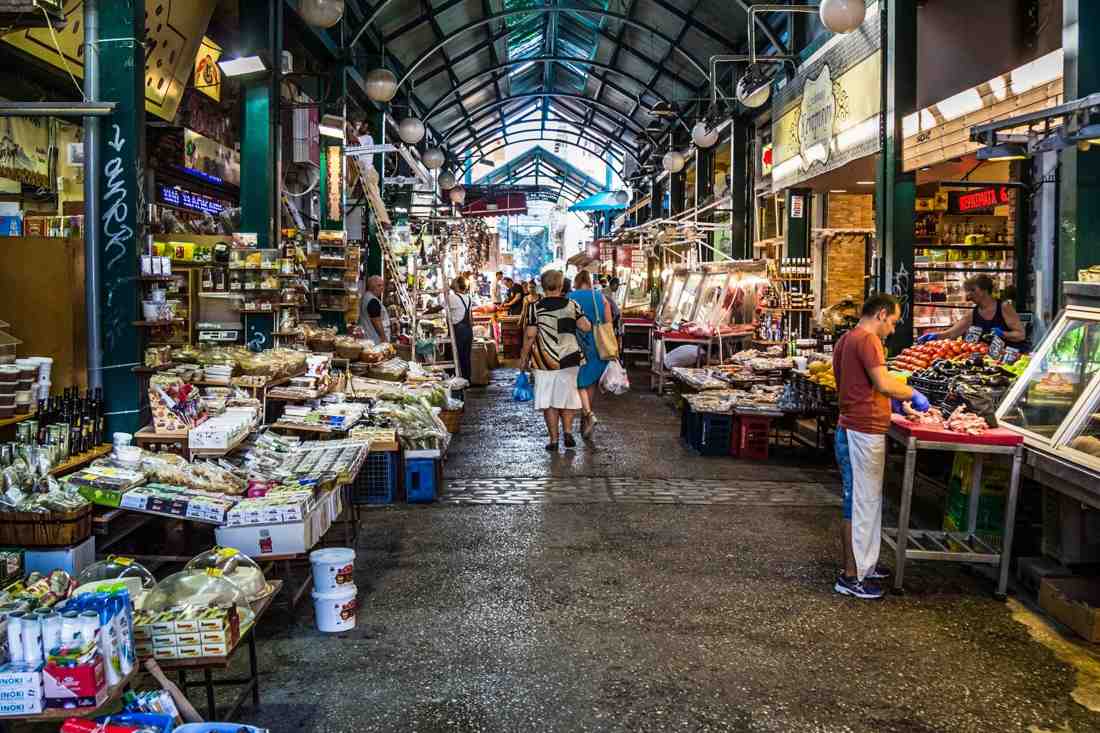
Thessaloniki carries a reputation as the food capital of Greece, and its restaurants back the claim on every street. The city eats through a dense grid of tavernas, mezedopoleia, grill houses, and seafront tables shaped by cooks who arrived from Asia Minor, by Sephardic Jewish bakers, and by four centuries of Ottoman kitchens. Choosing where to eat means reading the districts rather than chasing one single address. This guide maps the eating quarters, the dishes that define each table, and the timing that matches the Greek clock, so the food slots cleanly into a wider trip planned with My Greece Tours.
The sections below cover the eating districts of Ladadika, Valaoritou, and the Upper Town, the market lanes around Kapani and Modiano, the seafront, and the dishes that anchor each table from breakfast bougatsa to a late shared meze. Each answer names a quarter or a plate and the reason locals eat there, so the plan works for a solo traveller or a family group. A guided food walk turns a first visit into a route with context, and it pairs with the wider lineup of Thessaloniki tours.
Why Is Thessaloniki Called Greece’s Food Capital?
Thessaloniki earns the food-capital title through layered migration. Cooks from Asia Minor, Sephardic Jewish bakers, and Ottoman grill traditions stacked their recipes onto Macedonian produce, giving the city a deeper street-food range than the rest of Greece.
The population exchange of the early twentieth century moved cooks from Smyrna, Constantinople, and the Pontic coast into the port within a short span of years. They arrived with recipes for spiced meatballs, stuffed vegetables, and syrup-heavy pastries that met local Macedonian produce head-on. The result leans on peppers, cumin, and sesame rather than the lighter olive-and-herb palette of the islands. That inheritance still fills the restaurant menus of the centre, and it explains why a plate here reads like a map of migration rather than one narrow regional style.
Sephardic Jewish families shaped the city’s baking and preserving for close to five centuries before the war years thinned their number. Ottoman rule layered coffee houses, sweet syrups, and charcoal grills onto the same lanes across four hundred years. Each community left a dish that still sells daily, from custard bougatsa to cumin-scented soutzoukakia. A restaurant walk through the centre fits inside the wider list of things to do in Thessaloniki, and it ties the food directly to the Roman and Byzantine landmarks along the same streets.
Geography locks the mix in place. The harbour drew traders, spices, and fresh catch into a compact grid beside the Thermaic Gulf, and the grid still holds the markets and their surrounding tables. Farmland across central Macedonia fills the stalls with peppers, beans, and stone fruit, and the gulf supplies mussels and small fish to the tavernas. The distances stay walkable, so one evening can link a refugee grill, a Jewish-rooted bakery, and an Ottoman-style sweet counter on foot without a taxi.
This depth changes how a visitor should choose a table. Reading the district tells more than reading a single name, because each quarter cooks in its own register. A grill house near the market works for a fast lunch, a seafront mezedopoleio suits a long evening, and an Upper Town taverna rewards a slow dinner with a view. The sections below take the quarters one by one and set out what each does best.
Where Should You Eat in Ladadika?
Ladadika packs the restored oil-warehouse quarter behind the old port with tavernas, ouzeris, and mezedopoleia. The pedestrian lanes around its central square fill from lunch into the night, making it the easiest district for a first meal.
Ladadika takes its name from the olive-oil trade that once filled its low stone warehouses near the harbour. The buildings survived the great fire and the decades of decline that followed, and restoration turned the quarter into a protected eating district of painted facades and narrow cobbled lanes. The streets around Emporiou Square carry the densest run of tables, and the pedestrian layout keeps traffic out, so diners spill onto the pavement across the warm months.
The cooking here leans traditional. Tavernas grill meat and fish over charcoal, mezedopoleia build tables of shared small plates, and ouzeris pour the anise spirit alongside seafood. The format suits a group that wants to order across the menu rather than commit to one main plate. A first-time visitor reads Ladadika as the safe opening move, because the range covers grilled meats, fried seafood, dips, and salads within a short walk of one square.
Timing shapes the experience. The lanes stay quiet through the early afternoon, then build steadily from the Greek lunch hour past two o’clock and again for dinner after nine at night. Weekends draw the heaviest crowds, and a table near the square can fill fast, so booking ahead pays off on a Friday or Saturday. The district sits within a short walk of the port, the Ladadika waterfront, and the main squares, which keeps it central for a first evening.
Ladadika works for a mixed table. Vegetarians find fried cheese, roasted peppers, fava dip, dolmades, and grilled vegetables alongside the meat and fish, and the shared meze format lets a group carry both on one table. Families read the pedestrian lanes as safe for children, and the early-evening service suits diners who cannot wait for the late local dinner. The quarter rewards a slow pace over a rushed one, which is the rhythm the whole city keeps.
What Makes Valaoritou a Dining District?
Valaoritou grew out of a former textile and workshop quarter into the city’s younger eating and bar zone. Modern kitchens and mezedopoleia share the lanes with tsipouro bars, and the tables run late toward midnight.
Valaoritou sits three blocks inland from the port, in the grid of old textile workshops and wholesale stores that once ran the city’s rag trade. The workshops emptied as the industry moved on, and the empty ground-floor spaces drew a younger crowd of bars, modern kitchens, and record stores into the shells. The quarter kept its worn industrial face, which now reads as character rather than neglect, and the contrast pulls a design-minded crowd after dark.
The food here tilts contemporary. Young chefs run small kitchens that rework Greek staples with a modern hand, and the mezedopoleia pour tsipouro and natural wine alongside plates built for sharing. The style favours seasonal produce, bolder plating, and a shorter menu that changes with the market. A diner who wants the traditional taverna heads to Ladadika, while a diner chasing the newer kitchens and the late crowd heads to Valaoritou.
The rhythm runs later than the rest of the centre. Kitchens serve past the standard dinner hour, and the bars keep pouring until the small hours, so the quarter reads as the natural second stop after a meal elsewhere. Weekends turn the lanes into the busiest nightlife ground in the city, and the tables blur into the bar crowd as the evening stretches on. A traveller who wants a quiet dinner picks an earlier hour before the noise builds.
Choosing a base near this energy shapes each evening, so a look at where to stay in Thessaloniki pays off before booking. The quarter suits a younger traveller or a couple chasing the modern side of the city’s food, while a family or a diner after a calm meal reads it better as a drinks stop than a dinner one. The mix of old workshop and new kitchen is the draw, and it marks how fast the food scene has moved.
What Can You Eat Around the Kapani and Modiano Markets?
The Kapani and Modiano market lanes serve seafood, tsipouro meze, and grilled small plates steps from the stalls. Kapani keeps the spice and fish sellers, while the restored Modiano hall now holds sit-down mezedopoleia and wine counters.
Kapani, the older of the two markets, packs its lanes with spice sellers, fishmongers, butchers, and produce stalls under a low roof off Aristotelous Square. The air carries cumin, dried oregano, and smoked paprika, and vendors call prices across the narrow aisles. The tsipouradika wedged between the stalls cook the day’s catch steps from where it lands, which keeps the seafood as fresh as the city offers. A market lunch here reads the raw ingredients before the cooked plate.
The restored Modiano market nearby now holds a run of sit-down counters serving meze, wine, and small plates under a steel-and-glass hall. The restoration kept the historic ironwork and added modern kitchens beneath it, so the same produce sold at the stalls reaches a table within the same building. The format suits a diner who wants the market atmosphere without the standing and the queue, and it draws both locals and visitors through the day and into the evening.
The eating style around the markets favours grazing. Tsipouro arrives in small carafes, and each round brings a fresh plate of grilled octopus, fried small fish, cured meats, or seasonal vegetables. The rhythm slows the meal into a long social sitting rather than a quick refuel, and the low prices reward a table that orders across the menu. A guided market visit reads this culture clearly, and it slots neatly into a wider Thessaloniki food tour that links the stalls to the tables.
Timing matters at the markets. The stalls trade hardest through the morning, when the produce and fish sit at their freshest, so a market walk works best before lunch. The tsipouradika and the Modiano counters carry the food through the afternoon and into the night, so the eating outlasts the shopping. A morning of market browsing followed by a midday meze table gives a visitor the full arc, from raw stall to cooked plate, inside one compact quarter.
Where Do Locals Eat in the Upper Town?
The Upper Town keeps quiet tavernas with gulf views above the walls. The old Ottoman quarter that survived the fire serves wood-fired meats, mountain sausage, and slow-cooked greens away from the seafront crowds.
The upper town climbs the hillside above the Byzantine walls, in the timber-and-plaster quarter that escaped the great fire and kept its Ottoman street plan intact. Narrow cobbled lanes twist between low houses, small squares open without warning, and the ground rises toward the citadel at the top. The tavernas here sit away from the tourist flow of the seafront, so the tables draw a local crowd and the pace stays calm through the evening.
The cooking reflects the inland side of Macedonia. Wood-fired kitchens grill mountain sausage, slow-cook wild greens, and roast meats in the plainer, older style of the hill villages rather than the seafood register of the coast. The plates favour hearty portions and rustic flavours over refinement, and the produce leans on the farms of the interior. A diner who wants the traditional northern table, cooked without fuss, reads the upper town as the clearest place to find it.
The views seal the appeal. Tables on the upper terraces look down across the whole city to the Thermaic Gulf, and the light over the water at dusk turns a plain dinner into an event. The climb rewards the effort, and the last stretch of Byzantine wall and the citadel sit within a short walk of the tables. A slow dinner here pairs the food with the best outlook in the city, well above the crowded seafront.
Reaching the quarter takes a climb or a short taxi from the centre, which keeps the crowds thinner than the port. The historic core of Ano Poli rewards a wander before dinner, past the walls, the old churches, and the small squares, so a diner often folds the meal into an afternoon of sightseeing. The combination of quiet tavernas, inland cooking, and a gulf view marks the upper town as the choice for a diner who wants distance from the tourist grid.
Where Do You Eat Along the Seafront and Kalamaria?
The seafront and Nea Paralia line the gulf with cafes and fish tables, while Kalamaria to the southeast stays residential and strong on seafood. The promenade suits a slow coffee, a late fish plate, and a seafront walk.
The Nea Paralia promenade runs the redesigned waterfront from the White Tower along the gulf, past sculpted gardens, cycle paths, and open lawns that draw the whole city out for the evening stroll. The cafes along the front pour the iced freddo that fuels the city, and the tables face the water and the sunset over Mount Olympus across the bay. The stretch reads as the place for a coffee and a long sit rather than a full dinner, though fish tables sit within reach of the walk.
The seafront cooking centres on the catch. Fish tavernas grill the day’s arrivals whole, serve small fried fish by the plate, and pair the seafood with the gulf view that gives the meal its setting. The style stays simple, letting the freshness of the fish carry the plate rather than heavy sauces. A diner who wants seafood with a water view reads the front and the harbour edge as the obvious ground, especially through the warm evenings.
Kalamaria, the residential district southeast along the coast, keeps a quieter, more local table. The neighbourhood sits away from the tourist centre, so the tavernas cook for regulars and the seafood arrives fresh from the same gulf. The prices ease as the crowds thin, and the plates hold to the traditional register of grilled fish, fried shellfish, and shared meze. A traveller staying in the southern districts finds Kalamaria the natural place to eat without the centre’s bustle.
The seafront suits a slower evening than the market lanes. The walk itself is the draw, and the tables read as a pause within it rather than the whole event, so a diner strings a coffee, a fish plate, and a sunset stroll into one loose stretch. The open front stays cooler than the packed centre through the summer, and the breeze off the gulf makes the promenade the most comfortable ground for a hot-weather dinner.
What Should You Eat for Breakfast in Thessaloniki?
Breakfast in Thessaloniki centres on bougatsa, a filo pie filled with semolina custard, cheese, or minced meat. Locals pair it with a sesame koulouri ring and a strong iced coffee from the same counter.
Bougatsa defines the morning. Bakers stretch filo paper-thin, fill it with sweet semolina custard or salty cheese, bake it in wide trays, then cut it into squares and dust the sweet version with sugar and cinnamon. The minced-meat variant turns the same pastry into a savoury handful for a heartier start. A bougatsa counter shows the Asia Minor filo craft at its clearest, and it sets the tone for a day of eating that follows the migration story through the rest of the city.
Koulouri Thessalonikis is the second breakfast fixture. Vendors ring the sesame-crusted bread rings over their arms at kiosks near Aristotelous Square and every major junction, and office workers grab one on the move for the price of a coin or two. The crust carries a deep sesame flavour, and the crumb stays chewy rather than soft. Paired with a wedge of bougatsa, the koulouri makes a walking breakfast that needs no table and costs almost nothing.
Coffee ties the morning together. The city runs on freddo espresso and freddo cappuccino, iced and whipped, alongside the slower Greek coffee brewed in a briki. Cafes cluster around Navarinou and the seafront, and locals linger over a single glass for an hour at a stretch. A breakfast stop reads this ritual as culture rather than a quick refuel, and it explains why the eating clock in the city runs later than a first-time visitor expects.
Breakfast blurs into the late-morning habit of the bakery counter. Spinach and cheese pies, small savoury rolls, and the sesame ring fill the gap between an early coffee and the late Greek lunch past two o’clock. A traveller who skips the hotel buffet and eats from a bakery instead reads the real morning rhythm of the city, and the cost stays low enough that breakfast leaves the budget clear for a long dinner.
Which Grilled Dishes Define the City?
Grilled plates anchor the savoury table. Gyros and souvlaki wraps feed walkers between stops, while cumin-spiced soutzoukakia in tomato sauce carry the Asia Minor signature that sets Thessaloniki’s meat cooking apart from the south.
Gyros is the workhorse of the city’s street food. Pork or chicken turns on a vertical spit, gets shaved thin, then rolls into a warm pita with tomato, onion, tzatziki, and a scoop of fries. The wrap costs the price of a bus ticket and feeds a walker between sights. Souvlaki, skewered and charcoal-grilled, offers the leaner cousin of the same tradition. The grill houses that still cut meat from a real spit rather than a factory cone reward the diner who looks for them.
Soutzoukakia mark the clearest Asia Minor signature on the plate. Refugee cooks from Smyrna brought the recipe for cumin-and-garlic meat rolls simmered in a rich tomato-and-wine sauce, and the dish carries the old name of the city on menus as soutzoukakia Smyrneika. Served over rice or with crusty bread, the plate shows how migration reshaped the northern Greek table. A diner who wants to taste the city’s history in one dish orders these before the seafood.
Smaller grilled bites fill the rest of the meat table. Bifteki patties, spicy village sausage, grilled peppers, and skewered cheese appear across the tavernas of the centre, and vendors around the markets roast corn and chestnuts through the cooler months. The grilled register runs from the cheap street wrap to the full taverna plate, so a diner tunes the meal to the budget and the appetite. Ordering across the range in small portions reads the meat culture better than committing to one large plate.
The grill sits at the centre of the shared table. A mezedopoleio order that mixes grilled octopus, a plate of soutzoukakia, fried cheese, and a bowl of dip covers the range in one sitting, and the format keeps the meal social rather than solitary. The charcoal cooking runs through every district, from the market tsipouradika to the Upper Town tavernas, which makes the grill the common thread that ties the city’s tables together.
How Do You Eat Mussels and Seafood in Thessaloniki?
Thessaloniki eats mussels in quantity, fried, steamed, or baked with rice and cheese as mydia saganaki. Small fried fish and shellfish meze arrive in shared plates at the seafront tsipouradika beside the gulf.
Mussels, or mydia, run through the city’s seafood culture. Cooks fry them in a light batter as mydia tiganita, steam them open with wine and pepper as mydia achnista, or bake them with rice, tomato, and cheese as mydia saganaki. The Thermaic Gulf and the farms off the nearby coast supply the shellfish fresh through most of the year. A seafood table that reaches the water builds a plate of mussels as its centrepiece, because the dish stays cheap, local, and tied to the working harbour.
Small fish and shellfish fill out the seafood meze. Fried anchovies, grilled sardines, marinated gavros, and boiled shrimp arrive in shared plates rather than large mains, matching the grazing rhythm of the tsipouro table. The style rewards a group that orders across the menu and passes the plates around. A diner steers toward the day’s catch and away from the frozen import, and the shared format keeps the seafood light enough to leave room for the sweets that follow.
The seafront and the market lanes hold the freshest of the seafood. Tsipouradika near the old harbour and the fishmongers inside Kapani sell the catch that the kitchens cook steps away. Eating shellfish within sight of the boats keeps the chain short and the flavour clean. This proximity marks the difference between market-fresh and reheated seafood, and it gives a rule a traveller can carry to any coastal Greek town on the rest of the trip.
Seafood suits the season. The mussel and small-fish plates run cheapest and freshest through the cooler months and the shoulder seasons, when the catch lands steadily and the tables stay local. A diner who plans a seafood-heavy meal reads the day’s board rather than the printed menu, since the fish tavernas cook what the boats bring rather than a fixed list. Ordering the catch of the day beats ordering by name at any harbour table.
How Does the Mezedopoleio and Tsipouro Table Work?
The mezedopoleio table works in rounds. Each carafe of tsipouro or ouzo brings a fresh small plate, so seafood, cheese, and cured meats reach the table in sequence rather than as one large course.
Tsipouro is the northern Greek pomace spirit, distilled from the skins and stems left after the wine harvest. Locals drink it in small carafes, chilled and neat, or in the anise-scented version that clouds white with water and mirrors ouzo. The tsipouradiko, the tavern built around the drink, orders food in rounds: one carafe, one plate of meze, repeat. The rhythm slows the meal and turns eating into a long social sitting rather than a rushed course.
Meze culture drives the format. Rather than a single main plate, the table fills with shared dishes: grilled octopus, fried cheese saganaki, cured meats, roasted peppers, and dips of fava and taramosalata. Each glass earns a new plate, and the table grows through the evening. The style suits a group and rewards patience over speed. A diner learns the unwritten order, from lighter seafood early to richer meats later, and reads the meal the way a local does rather than ordering everything at once.
Ouzo shares the same table with a different accent. The anise spirit anchors the ouzeri, the meze tavern of the south and the islands, and the city keeps both traditions side by side. Diners choose tsipouro for a drier, grappa-like edge and ouzo for the sweeter anise note, and the meze plates stay the same across either choice. The pairing of spirit and small plate is the social engine of an evening, and it is the reason dinner here stretches past midnight rather than ending in an hour.
The mezedopoleio suits a mixed budget. The small plates cost far less than a full main course, and a table of four can eat and drink through a long evening for a modest sum by ordering in rounds. The format also carries a mixed group well, since a shared table holds meat, seafood, and vegetarian plates side by side without splitting the party. Reading the meze table as the default dinner unlocks the city’s food at its most typical and its most affordable.
What Sweets Should Finish a Meal?
Trigona Panoramatos, cones of crisp filo piped full of cream, finish a Thessaloniki meal. Syrup pastries from Asia Minor recipes and almond-topped tsoureki round out the sweet counter across the centre.
Trigona Panoramatos take their name from the suburb of Panorama on the hills above the city. Bakers roll filo into a triangle, bake it until it shatters like glass, soak it lightly in syrup, then pipe the hollow full of thick custard cream. The contrast of crackling pastry and cool cream makes the trigono the dessert most diners save for the finish. A single piece rewards a slow coffee, and the strongest versions come from bakeries that fry and fill the cones to order.
Syrup sweets carry the deepest Asia Minor roots. Refugee bakers brought recipes for nut-packed pastries, semolina cakes soaked in syrup, and milk-based puddings that now fill the display cases across the centre. The style favours honey, walnuts, and rosewater over the plainer sweets found further south. A dessert stop at a traditional zaharoplasteio reads the counter like a record of the population exchange, and the baker can often name the town each recipe travelled from.
Tsoureki closes the sweet map. The brioche-like braided bread, enriched with mahleb and mastic, arrives plain, topped with flaked almonds, or filled with chocolate and chestnut cream in the modern bakeries. Locals eat it through the year rather than only at Easter, and the city treats tsoureki as a point of civic pride. A slice pairs with the same freddo that opened the day, and it gives a meal a soft, aromatic finish after the crisp filo and the syrup.
Sweets belong to the after-dinner walk as well as the table. Locals leave the taverna and carry on to a zaharoplasteio or a bakery for the dessert and a second coffee, so the sweet stop becomes its own leg of the evening. The habit suits a visitor, since it opens the late streets and the lit squares after the meal. Ending on a trigono by the seafront reads the city’s rhythm at its most relaxed.
How Do You Choose a Restaurant and Time Your Meal?
Choosing well means matching the district to the meal and the clock to Greek hours. Greeks dine late, order small plates to share, and book at weekends, while vegetarian and vegan plates reach almost every table.
Timing shapes the whole experience. Greek meals run late, with lunch past two in the afternoon and dinner rarely before nine at night, so a diner who arrives at seven finds the tables empty and the kitchen quiet. Reading this clock rather than fighting it opens the city at its liveliest. A traveller who eats a bakery breakfast, a light market lunch, and a long evening meze slots into the local rhythm and skips the half-empty early service aimed at tourists.
The district guides the choice as well as the menu. Ladadika suits a first traditional dinner, Valaoritou the modern kitchens and the late crowd, the markets a grazing meze lunch, the Upper Town a quiet dinner with a view, and the seafront a fish plate by the water. Matching the mood to the quarter beats chasing one famous name across the city. A plan that spreads meals across the districts reads the food from different angles rather than one.
Booking pays off at the busy hours. Weekends and the warm evenings fill the pedestrian lanes fast, and a table near a central square can turn diners away without a reservation. A quick call ahead secures the seat, and it matters most on a Friday or Saturday night in Ladadika or on the seafront. Off-peak, a walk-in works across the centre, and the earlier hour trades the crowd for a calmer room.
Dietary needs cause no trouble here. Vegetarian plates run through every menu, from fried cheese and dips to stuffed vegetables and grilled produce, and vegan options reach almost every table thanks to the Orthodox fasting tradition that built a deep meat-free repertoire. The shared meze format helps a mixed group most, since one table can carry meat, fish, and plant-based plates at once. Folding the eating into a wider Thessaloniki itinerary keeps the meals paced between the White Tower, the Rotunda, and the seafront rather than crammed into one rushed day.
What Does Eating Out in Thessaloniki Cost?
Eating out in Thessaloniki runs cheaper than the southern resorts and the islands. A street gyros costs the price of a coffee, a market meze lunch stays modest, and a full taverna dinner with wine holds well below island prices.
The street food keeps the budget floor low. A gyros wrap, a sesame koulouri, and a wedge of bougatsa each cost the price of a coin or two, so a traveller eats a full day of snacks for the cost of one sit-down plate elsewhere. The city’s habit of walking breakfasts and market lunches feeds this economy, and it leaves the budget clear for a longer evening at the table.
The mezedopoleio format stretches the value further. Small plates cost far less than a full main course, and a table that orders in rounds of tsipouro and meze eats and drinks through a long evening for a modest sum. A group of four splits the plates and the bill, and the shared format turns a cheap round of dishes into a full dinner. The tsipouradika around the markets sit at the value end of the range.
Prices climb with the setting rather than the food. A table on the seafront with a gulf view or a modern kitchen in Valaoritou charges more than a market taverna cooking the same produce, so a diner tunes the cost to the location. Reading the district guides the spend as clearly as it guides the style, and the range runs from a pocket-change street lunch to a full waterfront dinner without ever reaching island resort prices.
Which Season Suits Eating Out in Thessaloniki?
Thessaloniki eats well through the year, though the shoulder seasons of spring and autumn suit the tables best. Mild evenings fill the pedestrian lanes, the seafood lands fresh, and the crowds thin from the summer peak.
Spring and autumn read as the prime eating seasons. The warm-but-mild evenings suit the pedestrian lanes of Ladadika and the open seafront tables without the heavy heat of high summer, and the crowds ease from the July and August peak. The seafood lands steadily through the cooler months, and the produce stalls fill with the stone fruit of spring and the greens of autumn, so the market menus run at their richest either side of summer.
Summer shifts the eating outdoors and later. The heat pushes diners to the cooler seafront and the breezy Upper Town terraces, and the tables fill well after dark once the day’s warmth drops. The city empties a little as locals head for the beaches of the nearby coast, so the centre stays walkable even at the peak of the season. A late dinner by the gulf reads the summer rhythm at its most comfortable.
Winter keeps the food culture alive indoors. The bougatsa counters, the covered markets, and the tsipouradika trade through the cold months, and the roasted chestnuts and hearty grilled plates suit the season. The crowds drop to their lowest, so a winter visitor finds the tables calm and the booking pressure light. The eating never pauses, since the markets and the bakeries run the same daily rhythm across the year regardless of the weather outside.
Frequently Asked Questions
Which district is best for a first dinner in Thessaloniki?
Ladadika reads as the easiest first dinner. The restored oil-warehouse quarter behind the port packs tavernas, ouzeris, and mezedopoleia into pedestrian lanes around one central square, so a first-time visitor finds grilled meat, fried seafood, and shared meze within a short walk without needing to know the city.
What food is Thessaloniki famous for?
Thessaloniki is famous for bougatsa, the custard or cheese filo pie eaten at breakfast, and for cumin-spiced soutzoukakia brought by Asia Minor refugees. Mussels, sesame koulouri, tsipouro meze, and the cream-filled trigono pastry round out the dishes that mark the city as Greece’s food capital.
What time do restaurants open for dinner in Thessaloniki?
Kitchens serve dinner from around nine at night, and the tables fill late. A diner who arrives at seven finds an empty room and a quiet kitchen. Eating on the Greek clock, with a late lunch past two and a dinner after nine, opens the city at its liveliest.
Are Thessaloniki restaurants good for vegetarians and vegans?
Yes. Vegetarian plates run through every menu, from fried cheese and fava dip to stuffed vegetables and grilled produce, and the Orthodox fasting tradition built a deep vegan repertoire. The shared meze format lets a mixed table carry meat, fish, and plant-based plates at once.
Do you need to book a table in Thessaloniki?
Booking pays off at weekends and through the warm evenings, when the pedestrian lanes of Ladadika and the seafront fill fast. A quick call ahead secures a central table on a Friday or Saturday night. Off-peak and midweek, a walk-in works across most of the centre.
Where do locals eat away from the tourist centre?
Locals climb to the Upper Town for quiet tavernas with gulf views, or head southeast to residential Kalamaria for fresh seafood at easier prices. The market tsipouradika around Kapani also draw a local crowd for a grazing meze lunch steps from the fish stalls.