
Mastichari, a tranquil harbour village on the north coast of Kos, offers a perfect blend of relaxation and adventure. Known for its sandy beaches and ferry connections to Kalymnos, it provides a serene escape from bustling resorts. Plan the whole trip with Greece Tours.
With its charming seafront lined with fish tavernas and opportunities for water sports, Mastichari is ideal for families and solo travelers alike. Its proximity to Kos International Airport makes it easily accessible for visitors seeking a peaceful retreat.
What makes Mastichari a unique destination on Kos?
Mastichari stands out for its serene harbour atmosphere, sandy beaches, and ferry links to Kalymnos. Visitors find a tranquil alternative to busier resorts, with opportunities for relaxation and watersports.
Mastichari sits on the north coast of Kos, about 25 km southwest of Kos Town. The village grew around a working fishing harbour that still shelters small boats and day ferries. Kos International Airport near Antimachia lies a short drive to the south, so arriving travellers reach the seafront within about twenty minutes. Low whitewashed houses, a single main street, and a compact grid define the settlement. Fishermen unload their catch each morning beside the quay where tavernas open for lunch. Small supermarkets and bakeries line the main street for daily supplies. The pace stays slow compared with Kardamena or Kos Town. Families and couples choose Mastichari for direct beach access, calm mornings, and easy island-hopping.
The harbour and the long sandy shore anchor almost every activity in the village.
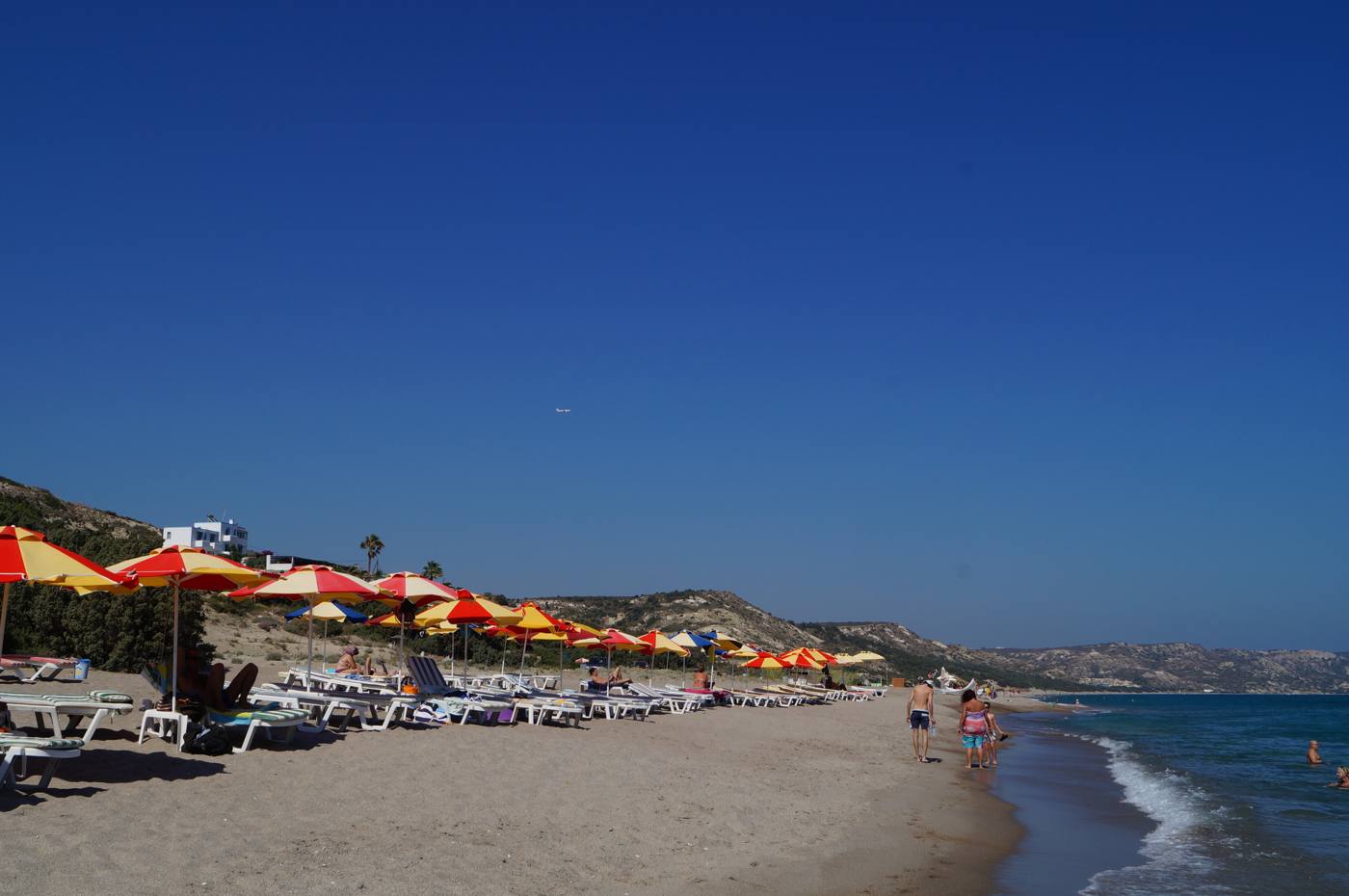
The sandy beach at Mastichari runs westward from the harbour for well over a kilometre. Fine golden sand meets shallow, gently shelving water that stays waist-deep far from shore. Morning brings flat, glassy conditions ideal for swimming and paddling. Sunbeds and umbrellas line the central stretch, while the western end keeps a quieter, undeveloped character. The seabed holds firm sand with no loose rocks, so barefoot walking feels safe. Tamarisk trees behind the sand offer natural shade through the hottest hours. The open aspect gives long views across the channel toward Kalymnos. By early afternoon the meltemi wind builds and the surface ripples with whitecaps. Swimmers favour the sheltered morning window, and wind riders take the exposed afternoons.
This split rhythm lets one beach serve two very different groups across a single day.
Mastichari harbour works as the fastest gateway from Kos to Kalymnos and Pserimos. Passenger ferries and day boats cross to Pothia, the Kalymnos capital, in about 30 to 45 minutes. The short hop makes a Kalymnos day trip realistic, leaving in the morning and returning by evening. Pserimos, a tiny islet between the two larger islands, sits even closer and draws swimmers to its shallow bay. Boats load at the concrete quay beside the fishing fleet, steps from the tavernas. Fishing boats share the same basin, so the port stays busy from dawn. The crossing threads calm channel water with views back toward the Kos coastline.
This link turns Mastichari into a base for exploring the northern Dodecanese, not just a beach stop. The harbour timetable shapes how visitors plan their outward days.
Fish tavernas line the Mastichari seafront within steps of the moored boats. Owners serve grilled fish, octopus, and calamari landed by the local fleet that morning. Tables spill onto the quay, so diners eat beside the water as the sun drops toward Kalymnos. Traditional plates such as moussaka, souvlaki, and Greek salad round out the menus. Waiters recite the day’s fresh fish rather than handing over a printed card. Prices sit below the levels of Kos Town’s busiest strips, reflecting the village scale. The dinner service runs late, matching the long Aegean evenings. Cafes near the harbour open early for coffee and pastries before the beach fills. This concentration of eateries around one small port keeps everything walkable.
Food, harbour, and beach sit within a five-minute stroll, which defines the compact appeal of Mastichari.
How accessible is Mastichari from Kos Town and the airport?
Mastichari is conveniently located about 25 km from Kos Town and near Kos International Airport. Its accessibility makes it a popular choice for visitors seeking a peaceful coastal retreat.
The drive from Kos Town to Mastichari covers about 25 km across the island’s flat northern plain. A car or taxi completes the trip in around 30 minutes on well-surfaced roads. The route runs west past Tigaki and Marmari before turning inland toward the harbour. KTEL public buses serve the village from the Kos Town terminal on a daily schedule. The flat terrain also suits cyclists, and the ride follows gentle gradients most of the way. Cyclists cover the flat coastal route in little more than an hour. Rental cars give the widest freedom for reaching quieter beaches beyond the bus stops. Parking near the Mastichari seafront stays straightforward outside peak August afternoons.
This ease of movement lets visitors treat Kos Town’s ancient sites as a half-day outing from a Mastichari base.
Kos International Airport ‘Hippocrates’ near Antimachia sits closest to Mastichari of any resort. The transfer covers roughly ten kilometres and takes about fifteen to twenty minutes by road. Arriving passengers reach the village seafront faster than they reach Kos Town itself. This proximity suits families with young children who want a short first-day journey. Taxis wait outside the terminal, and pre-booked transfers meet most flights. Airport transfers run day and night to match late-arriving charter flights. Car-hire desks operate inside the airport for travellers collecting a vehicle on arrival. The central airport location also shortens the return trip on departure day. Late flights allow a full final beach morning before the brief drive south.
This airport link is the practical reason Mastichari features on first-time Kos itineraries.
Mastichari works as a launch point for the north-coast beaches and the mountain interior. Tigaki and Marmari lie a short drive east along the same coastal road. The mountain village of Zia climbs the slopes of Mount Dikeos to the southeast for wide sunset views. The Venetian castle at Antimachia stands inland near the airport, an easy detour. The castle and the traditional stone houses of Pyli add further inland stops. Kos Town’s Asklepion, agora, and Knights’ Castle wait about 25 km east for a culture day. This spread of sites within a 30-minute radius suits travellers who want variety. A single rental car unlocks history, mountains, and beaches from one harbour base.
The village keeps its calm evenings while daytime excursions reach across the island’s width.
The harbour adds sea routes to Mastichari’s road and air access. Ferries to Pothia on Kalymnos run the crossing in about 30 to 45 minutes. Day boats also reach Pserimos, the small island in the strait, in a shorter hop. This combination of airport, bus, car, and ferry gives the village four transport modes. Travellers arrive by air, settle at the beach, and add island day trips by sea. The concentrated harbour keeps ticket kiosks, tavernas, and the boat quay in one place. The bus stop, taxi rank, and boat quay share the same seafront. Onward planning stays simple because every departure point sits within walking distance.
This layering of access explains why Mastichari suits both relaxed families and active island-hoppers. Kos villages rarely combine such short airport and ferry connections in one location.
What are the beach and swimming options in Mastichari?
Mastichari offers a wide, sandy beach with shallow waters perfect for swimming. The beach’s gentle slope and clean sands make it ideal for families and those seeking a relaxing day by the sea.
The main Mastichari beach forms one of the longest sandy stretches on the north coast, and it ranks among the wider Kos beaches. Golden sand extends westward from the harbour past the taverna strip toward open dunes. The gentle gradient keeps water shallow for a long way out, a comfort for young swimmers. Firm sand underfoot replaces the pebbles found on parts of the east coast. The central section carries sunbeds, umbrellas, and beach bars, while the far west stays natural. Blue water and pale sand give the shore an open, exposed feel. Showers and kiosks serve the busier zone near the parking area. The scale of the beach absorbs summer crowds without feeling packed.
This length and shallow entry make Mastichari a first choice for families on Kos.
Mornings at Mastichari deliver flat, clear water before the north wind rises. Swimmers reach the sea across firm sand with no sudden drop-offs. The north-coast position exposes the beach to the meltemi, the summer wind that funnels down the Aegean. This breeze cools the air through July and August when inland temperatures climb. By midday the surface builds a gentle chop that suits paddleboards and beginner riders. Late afternoon can bring stronger gusts that push swimmers toward the sheltered eastern corner near the harbour wall. Beach bars stay open into the evening once the wind drops. Reading the daily wind pattern lets visitors match the sea to their plans.
Calm swims belong to the morning, and wind sports own the afternoon. This predictable rhythm defines a day on the Mastichari shore.
Beyond the main beach, the coastline around Mastichari opens into quieter sandy pockets. Walking west past the developed strip reaches undeveloped sand backed by low dunes and tamarisk. These stretches carry no facilities, so swimmers bring their own water and shade. Rockier margins near the headlands hold small fish that reward a snorkel mask. The clear, shallow water gives good visibility across the sandy seabed. Kayak and paddleboard rentals reach these coves on calm mornings. Families spread out here for space away from the sunbed rows. The salt-pan lagoon behind nearby Tigaki adds a birdwatching detour for those combining beaches. This range of settings, from serviced sand to empty shoreline, sits within a short walk or drive.
Visitors pick the mood they want without leaving the north coast.
The Mastichari shoreline turns into a wind-sports centre once the meltemi fills in. Windsurf and kitesurf stations operate along the western beach where the wind runs cleanest. Instructors rent boards, rigs, and kites and run lessons for first-timers on flat morning water. The long fetch and steady summer breeze draw riders back across whole seasons. Beginners practise in the shallow inshore zone where standing depth reduces risk. Stronger riders reach across the bay toward the open channel. Wetsuits and harnesses hang ready at the rental huts through the summer. Storage racks and a rigging lawn sit behind the sand near the access road.
This concentration of gear and tuition makes Mastichari one of the leading wind spots on Kos. The same beach that calms families each morning powers the wind fleet each afternoon.
What dining options are available in Mastichari?
Mastichari’s seafront is lined with fish tavernas offering fresh seafood and traditional Greek dishes. These eateries provide a relaxed dining experience with striking views of the Aegean Sea.
Mastichari’s dining centres on the fish tavernas ringing the harbour and seafront. Local boats supply the daily catch, so grilled fish, octopus, and calamari headline the menus. Cooks weigh whole fish at the table before grilling it over charcoal. Grilled octopus dries on lines at the quay before it reaches the grill. Prices track the market and the season rather than a fixed tourist rate. Tables sit metres from the moored caiques, and the water laps below the quay. The setting turns a simple lunch into a slow harbour meal. Service stays relaxed, and diners hold their tables through the afternoon. This link between the fishing fleet and the kitchens keeps the seafood genuinely fresh.
Eating beside the boats that landed the catch defines the Mastichari table.
Beyond seafood, the tavernas serve the full range of Greek mainstays. Moussaka, souvlaki, stifado, and grilled meats fill out menus for non-fish eaters. Greek salad, tzatziki, and grilled vegetables cover lighter and vegetarian choices. Dips such as fava and taramosalata open most shared meals along the quay. Portions run generous, and shared meze plates suit groups working through a spread of dishes. House wine and local ouzo accompany most meals along the seafront. Bread, olives, and olive oil arrive from island producers. The kitchens hold to traditional recipes rather than international menus. This breadth means mixed groups eat well from one table.
Children, meat-eaters, and vegetarians each find familiar plates that anchor the village’s reputation for honest food at fair value.
Cafes and bakeries near the Mastichari seafront open early for the beach crowd. Greek coffee, freddo espresso, and fresh pastries fuel the walk to the sand. Bakeries sell spanakopita, tiropita, and koulouri for a portable breakfast. Mid-afternoon the same cafes serve cold drinks and ice cream in the shade. Beach towels, sun cream, and cold water sell from the same counters. The compact layout keeps every cafe within a short stroll of the harbour. This daytime scene runs alongside the tavernas rather than competing with them. Visitors move from morning coffee to a beach session to a harbour lunch without a car. The village rhythm flows through these small counters and terraces.
Casual daytime eating fills the gaps between the sea and the evening meal along the seafront.
Evenings in Mastichari draw diners back to the illuminated harbour front. Sunset over the Kalymnos channel colours the water as the tavernas fill. Bars along the quay pour cocktails, beer, and Greek spirits into the night. The atmosphere stays low-key, without the club scene of larger resorts. Families linger over late dinners while the fishing boats rest at their moorings. Live bouzouki and acoustic sets appear at harbour tavernas through the peak weeks. Ferry crews take their late supper at the same quayside tables. The short seafront keeps everything in view and within a two-minute walk. This calm nightlife suits couples and families more than party crowds.
Mastichari closes each day around the same harbour where it began, over food and a view of the sea.
What are the ferry options from Mastichari?
Mastichari’s harbour serves as a key ferry link to Kalymnos and Pserimos. Regular services connect the village to these nearby islands, making it an ideal base for island hopping.
Mastichari harbour anchors the ferry link between Kos and Kalymnos. Passenger boats cross to Pothia, the Kalymnos capital, in about 30 to 45 minutes. The port sits at the northwest of Kos, the closest point to its neighbour. Boats depart from the concrete quay beside the fishing fleet in the village centre. Kalymnos draws climbers to its limestone cliffs and preserves a deep sponge-diving heritage. Climbers carry their gear aboard for the limestone crags above Pothia. The short crossing supports a full day on the island with a return the same evening. This route carries foot passengers on scheduled daily sailings. The proximity makes the trip a realistic add-on rather than a major expedition.
Mastichari’s harbour turns Kalymnos into a straightforward day out from a Kos base.
Pserimos adds a second sea destination from Mastichari. The islet lies in the channel between Kos and Kalymnos, a short boat ride from the harbour. Its main settlement wraps around a shallow sandy bay ideal for swimming. Day boats deliver visitors for hours of beach time and a taverna lunch. A single taverna serves lunch beside the Pserimos landing beach. The tiny population and single village give Pserimos a quiet, off-grid feel. Swimmers reach warm, calm water straight off the sand. Return boats gather day visitors in the late afternoon before the wind builds. The trip suits travellers wanting an island smaller and slower than Kos itself.
Both routes leave from the same quay, so planning a boat day stays simple from the village.
The ferry links widen the range of a Mastichari holiday well beyond the beach. Kalymnos offers rock climbing, a working harbour town, and mountain villages. Sponge shops and a maritime museum fill the Pothia waterfront. Pserimos delivers a single quiet bay and a slow pace. Each island carries a distinct character reachable within an hour of leaving Kos. This access lets visitors build day trips around interests rather than a fixed tour. Climbers, swimmers, and sightseers each find a matching destination. The northern Dodecanese cluster tightly here, and Mastichari sits at its hinge. Boat operators post outward and return times on the quay.
Travellers tailor outward days to weather and mood, which marks the difference between a beach stop and a genuine island-hopping base on Kos.
Ferry tickets sell at the Mastichari harbour kiosks and through local agents. Foot-passenger fares stay modest, and the short crossings keep costs low. Departures cluster in the morning, with return sailings through the afternoon and evening. Checking the daily board on arrival helps visitors lock in an outward slot. Boats run more frequently through the peak summer weeks than in the shoulder season. Weather and the meltemi occasionally shift or cancel sailings, so plans stay flexible. Onboard, the crossing passes the low profile of Pserimos to starboard. The kiosks sit steps from the tavernas, so buying a ticket fits into a coffee stop. This ease of purchase reinforces the harbour’s role as the village’s practical hub.
Mastichari keeps island travel as simple as walking to the quay.
What water sports are popular in Mastichari?
Mastichari is a hotspot for windsurfing and kitesurfing, thanks to the meltemi winds. The village offers ideal conditions for these activities, attracting enthusiasts from around the world.
Windsurfing leads the water sports at Mastichari thanks to the reliable meltemi. The north-coast beach faces the summer wind head-on, filling most afternoons with usable breeze. Long, flat, shallow water inshore gives beginners a forgiving learning zone. Rental stations line the western end of the sand with boards and rigs for every level. Instructors run structured courses that start in standing-depth water. Board bags and rig-repair kits sell from the beachfront centres. The bay’s western end catches the cleanest, most consistent gusts. The steady thermal pattern lets riders plan sessions around a dependable daily wind. This consistency draws windsurfers back across whole seasons.
The combination of shallow entry and open fetch makes Mastichari one of the main windsurf beaches on Kos.
Kitesurfing shares the Mastichari beach with the windsurf fleet. The wide, open sand gives kiters room to launch and land their lines safely. Steady afternoon wind and uncluttered water support both learners and advanced riders. Kite schools supply gear and run lessons that begin with ground handling before the water. The long shallow zone reduces risk while beginners master control. Riders reach across the bay once the meltemi settles into its pattern. Colourful kites over the western beach mark the daily session from the harbour. Rescue boats patrol the kite zone during the busiest afternoon hours of summer. Operators manage space between kite and windsurf zones to keep the water safe.
This organised setup lets Mastichari host both wind sports on one shoreline through the summer.
Stand-up paddleboarding fills the calm morning window before the wind rises. Flat water off the harbour lets paddlers glide along the shoreline with clear views to the seabed. Rental boards wait at the beach stations that later switch to wind gear. The activity suits families and mixed groups wanting a gentle sea outing. Morning paddlers explore the quiet western sand and the rocky margins near the headlands. The glassy surface reflects the hills behind the northern plain at dawn. This early slot avoids the afternoon chop that favours wind riders. Paddleboarding needs no wind, so it opens the sea to complete beginners. The same beach that powers kites at three o’clock offers glassy paddling at nine.
This daily contrast lets one shoreline serve calm and active tastes.
Snorkelling and swimming round out the water activities at Mastichari. The clear, shallow water gives strong visibility across the sandy floor. Rocky sections near the headlands shelter small fish that reward a mask and fins. Families snorkel the calm morning water close to shore in easy depth. Boat trips from the harbour reach Pserimos and quiet coves for swimming stops. Masks, fins, and snorkels rent from the same beachfront huts by the hour. The gentle gradient keeps the swimming zone safe for children well out from the sand. This spread of low-key options complements the high-energy wind sports. Visitors mix a calm snorkel morning with a wind session the same afternoon.
Mastichari’s single beach carries the full water-sports range across each day, from gentle floats to fast rides.
What family-friendly activities are available in Mastichari?
Mastichari offers a range of family-friendly activities, from safe swimming at the beach to exploring nearby attractions. The village’s relaxed atmosphere makes it ideal for families seeking a peaceful holiday.
Mastichari suits families through its shallow, sandy beach at the village edge. The gentle gradient keeps water waist-deep far from shore, a comfort for young swimmers. Firm sand replaces pebbles, so paddling and sandcastle building stay easy. Sunbeds, umbrellas, and beach kiosks cluster near the parking for short carrying distances. Morning calm gives children a safe window before the afternoon wind rises. Tamarisk trees behind the sand supply natural shade through midday heat. Shaded seating and cafes near the sand suit families with toddlers and prams. Showers and cafes sit within a two-minute walk of the central beach. This concentration of family basics beside easy parking removes the daily logistics strain.
Parents reach sand, shade, food, and shallow water without a long walk from the car.
Family outings from Mastichari reach the early-Christian basilica of Agios Ioannis nearby. The site preserves floor mosaics and column bases from a fifth- and sixth-century church. Open ruins let children walk among the low walls in a compact, uncrowded space. The uncrowded ruins let children roam safely away from traffic and cars. The short visit pairs history with a stop that does not tire young legs. Interpretive interest sits alongside the beach day rather than replacing it. The salt-pan lagoon behind nearby Tigaki adds flamingo and heron sightings in migration seasons. These low-key excursions build variety into a family week without long drives. Each destination sits within a 20-minute radius of the harbour.
History, birds, and beaches combine into short, child-friendly days out from Mastichari.
Boat days give families a memorable outing from the Mastichari harbour. The 30-to-45-minute crossing to Kalymnos stays short enough for young children. Pserimos sits even closer, with a shallow bay made for family swimming. Day boats leave in the morning and return by evening, matching a child’s rhythm. On the islands, families swim, eat at a harbour taverna, and explore a small village. The manageable distances keep the trip low-stress compared with longer ferries. The calm channel keeps the short crossing steady and settled for young passengers. Children experience a second island without a demanding journey. These excursions add adventure to a beach-based holiday.
The harbour location means the boat waits a two-minute walk from the tavernas, so family island-hopping fits neatly into a Mastichari week.
Mastichari’s flat terrain and cycle-friendly roads open easy family biking. Kos is known for cycling, and the northern plain around the village stays level. Rental shops offer child seats and smaller frames alongside adult bikes. Bike trailers and tag-alongs carry the youngest riders on the flat lanes. Quiet lanes toward Tigaki and the inland fields suit gentle family rides. The tavernas welcome children with familiar plates such as pasta, chicken, and chips. Relaxed harbour seating lets families eat without the formality of resort restaurants. Cafes serve ice cream and cold drinks through the afternoon. This mix of safe cycling, shallow swimming, and easy dining covers a full family day.
Mastichari packs the essentials of a children’s holiday into one compact, walkable village on the Kos coast.
What accommodations are available in Mastichari?
Mastichari offers a range of accommodations, from hotels to self-catering apartments. The village’s relaxed atmosphere and proximity to the beach make it a popular choice for visitors seeking a peaceful stay.
Accommodation in Mastichari spans small hotels, studios, and self-catering apartments. Family-run properties dominate the village rather than large international chains. Most sit within walking distance of the beach and harbour tavernas. Rooms range from simple studios to apartments with kitchenettes and balconies. Pools appear at the mid-size hotels set back from the seafront. Balcony rooms catch the sea breeze above the quiet back streets. The scale keeps the atmosphere quieter than the big resort strips of Kos. Prices generally run below Kos Town and Kardamena for comparable rooms. This spread lets couples, families, and independent travellers find a match. The compact layout means most beds sit a short walk from sand and food.
Mastichari trades resort scale for a village setting close to the water.
Self-catering apartments give families and longer-stay visitors added flexibility. Kitchenettes let guests prepare breakfast and store beach supplies. Ground-floor studios and first-floor apartments cluster in the streets behind the seafront. Air conditioning, free parking, and a shared pool feature at most apartment blocks. Walking distance to the beach removes the need for daily driving. Weekly rates suit families settling in for a full week by the sea. Supermarkets and bakeries in the village stock daily essentials. This independence appeals to travellers who prefer their own pace over hotel schedules. Balconies catch the meltemi breeze that cools the summer evenings.
The self-catering option keeps costs down for larger groups, turning the village into a practical base for a relaxed, self-directed holiday.
Hospitality in Mastichari carries the personal touch of small, owner-run stays. Hosts often live on site and handle check-in, tips, and local advice directly. The village scale means staff recognise returning guests across a stay. Repeat guests book the same studio year after year through the owners. This attention shapes the difference from the anonymous feel of large resorts. Owners point visitors toward the best fish taverna or the morning boat. Breakfast at the smaller hotels leans on local bread, honey, and yoghurt. The quiet streets stay calm at night, away from resort noise. Guests trade extensive facilities for proximity to the harbour and beach.
This human scale defines the appeal of staying in Mastichari for travellers who value location and warmth over size.
Choosing the right base repays a little planning, and a guide to where to stay in Kos compares the island’s resorts. Mastichari fits travellers wanting a beach, a harbour, and short airport and ferry links. Families favour the shallow sand and calm evenings over the busier southern strips. Wind-sports visitors book near the western beach for direct access to the rigging area. Kefalos and Kardamena lie further south for travellers who want a louder nightlife scene. Booking ahead matters through July and August when the small stock fills. Shoulder-season rates drop, and the meltemi eases for gentler beach days. The village suits those prioritising location and quiet over resort facilities.
Matching the base to the trip keeps a Mastichari holiday running on the pace it promises.
What are the best ways to reach Mastichari?
Mastichari is easily accessible from Kos International Airport and Kos Town. Visitors can reach the village by car, taxi, or public bus, making it a convenient destination for travelers.
Kos International Airport near Antimachia gives Mastichari its fastest arrival route. The transfer covers about ten kilometres and takes fifteen to twenty minutes by road. Arriving passengers reach the seafront quicker than they reach Kos Town. Taxis wait at the terminal, and pre-booked transfers meet scheduled flights. Car-hire desks inside the airport serve travellers collecting a vehicle on landing. The short first-day drive suits families with tired children. The airport name honours Hippocrates, the ancient physician born on the island of Kos. This proximity puts the beach within reach of the plane in under half an hour. The central airport position also shortens the departure trip, so a late flight leaves room for a final beach morning.
The airport link explains Mastichari’s steady place on first-time Kos itineraries.
Kos Town connects to Mastichari by a 25-km road across the northern plain. Cars and taxis complete the drive in about 30 minutes on good roads. KTEL public buses run the route from the town terminal on a daily timetable. The flat terrain also allows a longer cycle ride for active travellers. Rental cars give the freedom to combine the airport, the beach, and inland villages. The coastal road passes Tigaki and Marmari before turning toward the harbour. The coastal road stays flat and well-marked the whole way. Buses drop passengers near the Mastichari seafront within a short walk of the sand. This range of options fits every budget from taxi to public bus.
Reaching the village from the capital stays simple whichever mode a traveller chooses.
Sea routes give Mastichari a third arrival option from the neighbouring islands. Ferries from Pothia on Kalymnos reach the harbour in about 30 to 45 minutes. Day boats also connect Pserimos to the Mastichari quay. Travellers island-hopping through the Dodecanese can enter Kos directly at the village. The harbour lands passengers steps from the tavernas and bus stop. Inter-island ferries also call at Kos Town’s main port to the east. This sea gateway complements the airport and road access. Visitors arriving by boat skip Kos Town entirely and start at the beach. The combined air, road, and sea links give the village unusual connectivity for its size.
Kos resorts rarely offer three distinct ways in, and Mastichari’s harbour keeps the island-hopping door open alongside the airport road.
Planning the journey benefits from a route guide. A resource on how to get to Kos covers the flights and ferries that feed the island. Summer charter flights arrive daily from northern European cities into the Antimachia runway. Domestic flights and ferries link Kos with Athens, Rhodes, and other Aegean ports. From the airport, Mastichari sits closer than any major resort. From Kos Town, the bus and the coastal road reach the village in half an hour. Travellers arriving by inter-island ferry can transfer straight to the north coast. Mapping the final leg in advance keeps the transfer smooth. Mastichari rewards the short planning with one of the quickest airport-to-beach runs on Kos.
What nearby attractions can visitors explore from Mastichari?
Mastichari serves as a gateway to nearby attractions such as the early-Christian basilica of Agios Ioannis, the beaches of Tigaki and Marmari, and the mountain village of Zia. These sites offer diverse experiences for visitors.
The early-Christian basilica of Agios Ioannis stands closest to Mastichari among the historic sites. The ruins preserve mosaic floors and column bases from a fifth- and sixth-century church. Open, low walls let visitors walk the ground plan of the original nave. The compact site fits into a short morning before the beach. Wildflowers frame the low stone walls across the open site through spring. Its position near the village keeps the visit a brief detour rather than an expedition. The remains illustrate the island’s early Christian period alongside its ancient and medieval layers. Signboards outline the church’s original form. This quiet monument adds historical depth to a beach-focused base.
Agios Ioannis gives Mastichari its own piece of the wider Kos heritage, within easy reach of the harbour.
North-coast beaches at Tigaki and Marmari lie a short drive east of Mastichari. Both offer long sandy shores with shallow water and organised facilities. The salt-pan lagoon behind Tigaki draws flamingos, herons, and egrets in migration seasons. Marmari’s dunes and shallow bay draw families along the same stretch of coast. These beaches deliver a change of scene from the Mastichari sand within twenty minutes. Windsurfers also work the Tigaki shoreline when the meltemi runs. The string of north-coast beaches lets visitors sample a different bay each day. Cyclists reach them on the flat coastal road for a low-effort ride. This cluster of shores keeps beach variety within easy range.
Mastichari sits at the western end of a continuous sandy coast made for exploring by car or bike.
The mountain village of Zia climbs the slopes of Mount Dikeos southeast of Mastichari. Stone houses, craft shops, and tavernas line its stepped lanes above the plain. The village faces west, so its terraces frame the sunset over the Aegean. The 25-minute drive gains altitude quickly from the coast to the pine-clad hillside. The drive climbs through pine woods toward the Dikeos ridge. Cooler mountain air offers relief from the summer beach heat. Walking trails climb from Zia toward the Dikeos summit for stronger hikers. Local honey, herbs, and handmade goods fill the village stalls. This upland outing balances the flat coast of Mastichari with mountain scenery.
Zia gives visitors the island’s high country within a half-hour drive of the harbour.
Wider exploration from Mastichari can follow a guide to things to do in Kos covering the island’s landmarks. Kos Town holds the Asklepion, the ancient agora, and the Knights’ Castle of Nerantzia. The Casa Romana and the odeon add Roman layers to the town centre. The Venetian castle at Antimachia stands inland near the airport, a quick detour. Therma beach east of Kos Town offers a hot spring where warm water meets the sea. The southwest bay of Kefalos adds Agios Stefanos basilica and the Kastri islet. These sites spread across the island within a 40-km reach of the harbour. A rental car links history, springs, and southern beaches into full day trips.
Mastichari’s central position keeps the whole of Kos within a comfortable daily radius.
Frequently Asked Questions
What is the best time to visit Mastichari on Kos?
Late spring and early autumn suit Mastichari best, spanning May, June, September, and early October. Temperatures in these months stay warm for swimming and beach days without the peak-summer heat. The meltemi wind blows more moderately than in July and August, giving calmer sea conditions for families. Crowds thin outside the high season, so the beach, tavernas, and harbour feel unhurried. Accommodation rates drop below the August peak across the village. Windsurfers still find usable breeze in these months, though the strongest, most reliable wind belongs to high summer. Sea temperatures climb through June and hold their warmth into October after a long summer of heating.
Ferry services to Kalymnos and Pserimos run on lighter but workable schedules in the shoulder weeks. Walking, cycling, and visiting Agios Ioannis feel comfortable before the midsummer heat peaks. This balance of warm water, gentler wind, and open space makes late spring and early autumn the practical window for a Mastichari holiday.
How can I travel from Mastichari to Kalymnos?
Ferries from Mastichari harbour reach Pothia, the Kalymnos capital, in about 30 to 45 minutes. The village sits at the northwest tip of Kos, the closest point to its neighbour. Boats depart from the concrete quay beside the fishing fleet in the village centre. Tickets sell at the harbour kiosks and through local agents steps from the tavernas. Departures cluster in the morning, with return sailings through the afternoon and evening. This schedule supports a full Kalymnos day trip with a same-evening return to Kos. The crossing threads calm channel water with views back toward the north coast. Kalymnos rewards visitors with limestone climbing cliffs, a working harbour town, and a sponge-diving heritage.
Foot-passenger fares stay modest given the short distance. Sailings run more frequently through the peak summer weeks than in the shoulder season. Strong meltemi wind occasionally shifts a departure, so checking the daily board on arrival helps. This short, frequent link makes Kalymnos one of the easiest day trips from Mastichari.
Are there any cultural events in Mastichari?
Summer religious feasts anchor the cultural calendar in Mastichari and the surrounding villages. The feast of Saint John the Baptist, the village’s namesake through the Agios Ioannis basilica, brings church services and communal gatherings. Panigyria, the traditional Greek name-day festivals, fill village squares with music, dancing, and shared food across the season. Grilled meat, local wine, and live bouzouki mark these open-air celebrations. Fishing and maritime traditions surface at harbour events that reflect the village’s working port. Easter, the central festival of the Greek year, transforms the churches with processions and midnight liturgy. These gatherings open to visitors, who join residents at the tables and in the squares.
The events reveal the island’s living traditions alongside its ancient sites. Attending a panigyri gives travellers a direct link to village life beyond the beach. The rhythm of feast days threads through the summer, so a Mastichari stay often overlaps at least one local celebration in the surrounding area.
What wildlife can be seen around Mastichari?
Birdlife defines the wildlife around Mastichari, centred on the salt-pan lagoon behind nearby Tigaki. Flamingos gather in the shallow salt water during spring and autumn migration. Herons, egrets, and wading birds feed along the lagoon margins through the same seasons. The wetland forms one of the richest birdwatching sites on the north coast of Kos. Offshore, the clear water shelters fish that snorkellers spot over the sandy seabed. The Aegean around the island supports marine turtles that surface in coastal waters. Inland, the slopes of Mount Dikeos hold pine woodland, wildflowers, and the herbs that scent the mountain air. Lizards and small raptors inhabit the dry hillsides above the plain.
The mix of wetland, sea, and mountain gives the Mastichari area a broad range of habitats within a short drive. Early morning and late afternoon bring the strongest wildlife activity in the summer heat. This variety rewards visitors who pair beach days with a quiet lagoon or mountain visit.
Is Mastichari suitable for solo travelers?
Solo travellers find Mastichari a calm and manageable base on the north coast of Kos. The compact village centres on one seafront, so navigation stays simple on foot. Fish tavernas and cafes along the harbour make natural meeting points for independent visitors. Windsurf and kitesurf schools draw a social crowd where solo guests join lessons and group sessions. The safe, walkable streets suit travellers arriving without a car. Ferry links to Kalymnos and Pserimos open easy day trips for one. The airport sits ten kilometres away, so arrival and departure stay straightforward. Cycling on the flat northern plain gives a solo rider quiet routes to nearby beaches.
The village’s slow pace suits reading, swimming, and long harbour meals alone. Accommodation in small owner-run studios keeps costs down for single occupancy. Hosts share local advice that eases an independent stay. This blend of safety, easy transport, and sociable water sports makes Mastichari a practical choice for solo travellers on Kos.
Can I rent a bicycle in Mastichari?
Bicycle rentals operate in Mastichari, matching the island’s reputation as one of the most cycle-friendly in Greece. The flat northern plain around the village gives level, low-effort routes for riders of every age. Rental shops supply adult bikes, children’s frames, and child seats for family outings. Helmets and lights rent alongside the bikes for road safety. The quiet coastal road links Mastichari with Tigaki and Marmari on an easy ride. Inland lanes cross farmland toward Antimachia and its Venetian castle. Cycling reaches the nearby beaches and the Agios Ioannis basilica without a car. The gentle gradients suit casual riders rather than only trained cyclists. Morning rides avoid the afternoon meltemi and the midday heat.
Bringing water and sun protection matters on the exposed plain. A bicycle extends a visitor’s range along the north coast at a relaxed pace. This low-impact way of moving fits the calm character of Mastichari and opens the surrounding countryside to riders of every level.
What safety tips I follow in Mastichari?
Basic precautions keep a Mastichari holiday trouble-free, since the village itself stays calm and low-crime. Watching personal belongings on the busy central beach and at the harbour prevents most petty loss. Strong sun over the exposed north coast calls for high-factor cream, a hat, and shade through midday. Swimmers benefit from noting the afternoon meltemi, which builds chop and pushes the water westward. Staying near the sheltered eastern corner by the harbour wall suits weaker swimmers on windy afternoons. Wind-sports visitors follow the safety briefings from the beach schools and check their gear before launching. Cyclists on the coastal road wear a helmet and ride with traffic on the flat lanes.
Drinking water regularly counters the dry summer heat. Ferry passengers confirm return sailing times to avoid a missed boat from Kalymnos or Pserimos. Keeping a charged phone and the accommodation address on hand covers most needs. These simple habits let visitors enjoy the beach, harbour, and day trips with confidence.