
Kos ranks as the third-largest island in the Dodecanese, spread across about 290 square kilometres of the eastern Aegean off the Turkish coast. The island rewards trip planning that matches each month to the weather, the crowd level, and the activity. Plan the whole trip with Greece Tours.
Summer delivers hot beach days from June to September, while May and October open cycling, hiking, and quiet sightseeing. Winter empties the resorts and returns Kos Town to its residents. This guide maps every season to the right kind of visit.
What is the weather like in Kos throughout the year?
Kos holds a Mediterranean climate: hot, dry summers from June to September and mild, damp winters. Sunshine dominates the long summer, while rain arrives mainly between November and February, greening the interior plain.
Kos sits off the Turkish coast near Bodrum, and its climate splits cleanly into two halves. June through September brings hot, rainless days, long sunshine hours, and warm nights across Kos Town and the resorts. The thermometer climbs into the low-to-mid 30s Celsius at the July peak, then eases through September. Humidity stays moderate because the northerly airflow keeps the atmosphere dry. This stretch defines the classic beach window, when the sea, the sky, and the tavernas all run at full pace. Travelers who want guaranteed heat and open beach bars target these four months. The trade-off is the density of visitors and the premium on rooms across the northeast coast around Lambi and Psalidi.
Kos Airport near Antimachia runs its heaviest charter schedule across this window, linking the island to northern Europe.
Winter turns Kos toward the second half of its climate, mild and wet rather than hot and dry. Rain concentrates between November and February, greening the interior plain and sending streams down the slopes of Mt Dikeos. Coastal temperatures stay above frost, so the harbour, the castle, and the agora remain walkable on dry days. The resorts along the northeast and south coasts close, and the charter flights stop for the season. Kos Town keeps its year-round tavernas and museums open for its roughly 33,000 residents. The green landscape and quiet streets reward off-season travelers who accept a closed beach scene. Domestic flights to Athens and ferries to Rhodes and Piraeus run reduced winter timetables.
This half of the year strips the island back to its working core, away from the summer crowds.
Spring and autumn bridge the two extremes, delivering the island’s most balanced weather. April and May warm the air and the sea from the winter low, while October cools both from the August peak. Daytime temperatures settle into the low 20s Celsius across these shoulder weeks, comfortable for cycling and hiking. Rainfall drops sharply from the winter total, and clear light sharpens the view across the strait to Kalymnos. Wildflowers cover the plain in May, and the Tigaki salt-pan lagoon draws flamingos on the spring passage. October holds residual summer warmth in the sea, extending swimming past the beach-holiday peak. These transition months open the ancient sites and the mountain trails without the July furnace.
The mild air and thin crowds rank spring and autumn as the practical window for active travel.
Sea temperature governs the Kos calendar more than the air, since the water buffers the daily swing. The Aegean around the island warms slowly through spring, reaching swimming comfort by late May. It peaks in the mid-20s Celsius across July and August, when the shallow north-coast shelves feel warmest. The water then releases its heat gradually, holding swimmable warmth into mid-October before the autumn cool. The shallow bays at Tigaki and Marmari heat fastest, while the deeper southwest coves at Kefalos lag and hold warmth later. This thermal lag stretches the bathing season to five months across the year. Travelers chasing the longest swim target the late-May-to-October band rather than the July core.
The sea therefore extends the usable Kos summer well beyond the hottest weeks on either side of the peak.
When is the best time to enjoy Kos beaches?
Kos beaches perform best from June to September, when the sea holds swimming warmth and rainfall stays near zero. July and August peak for heat and crowds, while May and October trade warmth for space and calm.
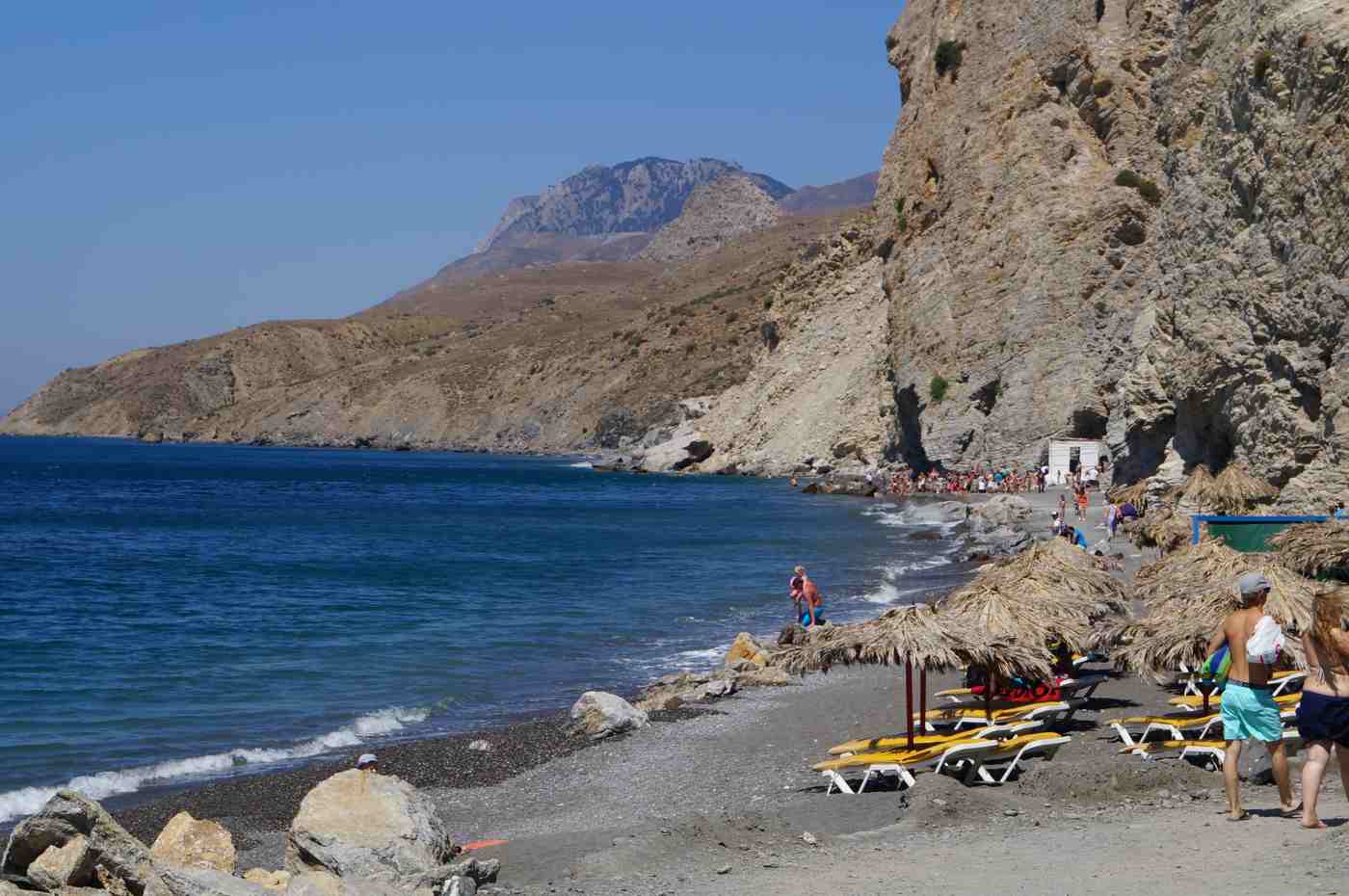
Kos lines its north coast with wide, shallow beaches at Tigaki, Marmari, and Mastichari, each backed by water that warms early. June opens reliable swimming, and the sea holds its heat through September before easing in October. Tigaki stretches for roughly 10 kilometres of pale sand and shelves gently, which suits families with young children. Marmari catches the northerly breeze that draws windsurfers to its flat, wind-fed shallows. Mastichari doubles as the ferry port for Kalymnos, so its beach mixes sunbathers with day-trippers. The salt-pan lagoon behind Tigaki adds flamingos in spring, extending the reason to arrive before the July rush. These north-coast strands define the core Kos beach experience across the warm half of the calendar.
Buses run the coast road through summer, linking each beach to Kos Town in under 30 minutes.
July and August fill the shoreline from Lambi to Kardamena with sunbeds, umbrellas, and beach bars at capacity. Paradise Beach in Kefalos bay, named for the gas bubbles that rise offshore, packs its car park by mid-morning. Camel Beach and Magic Beach nearby hold smaller coves that reach capacity fast in high summer. The water stays clear and warm, and organized swimming zones separate bathers from boats. Visitors who book a July or August beach day arrive early to claim shade. The northeast town beaches at Psalidi and Lambi give the shortest walk from Kos Town lodgings. This peak stretch rewards energy and tolerance for company rather than solitude.
It also delivers the fullest roster of watersports, rentals, and boat trips to Nisyros and Pserimos.
May and October strip the crowds from the same sand while keeping the water swimmable for confident bathers. The sea climbs through the high teens and low 20s Celsius in May, then holds late warmth into October. Sunbeds thin out, rental queues vanish, and photographers work the salt-pan reflections at Tigaki. Agios Stefanos in Kefalos bay pairs an open beach with two early Christian basilica ruins and a view to Kastri islet. These months suit couples and solo travelers who rank calm and price over guaranteed heat. Water temperature runs cooler than August, so a morning swim feels brisk on entry. The reward is empty sand and unhurried access to the island’s best-known strands.
Room rates fall from their peak, and the coast road stays quiet.
Kos spreads its coastline across four distinct beach zones, each matched to a different traveler. The north coast at Tigaki and Marmari serves families and windsurfers with shallow, breeze-cooled water. Kefalos bay in the southwest holds Paradise, Camel, Magic, and Agios Stefanos, a 40-kilometre drive from Kos Town. Therma, east of the capital, channels a natural hot spring into a seaside rock pool, usable in cooler months. The town beaches at Lambi and Psalidi trade scenery for a five-minute transfer from harbour hotels. Buses run the coast road through summer, and rented cars open the far southwest. This spread means one week samples calm lagoons, spring-fed pools, and open, wind-driven swell.
Reading the wind and coast lets beachgoers find sheltered or exposed water on any day.
How does the meltemi wind affect Kos?
The meltemi, a dry north wind, sweeps Kos through July and August. It cools the north coast, sharpens visibility, and feeds the windsurf breaks at Tigaki and Marmari, while sheltering the southwest bays around Kefalos.
The meltemi rises from the north across the Aegean and reaches its steadiest strength in July and August. This dry airflow drops the felt temperature on the north coast by a noticeable margin during heatwaves. Tigaki and Marmari sit directly in its path, which turns their flat shallows into dependable windsurf and kitesurf water. Schools along these two beaches rent rigs and run lessons through the windy months for beginners and racers alike. The wind also scrubs haze from the sky, so the profile of Kalymnos and the Turkish coast stays sharp on the horizon. Sailors reading the forecast plan north-coast days around its rhythm, since the meltemi builds through the afternoon.
Its arrival marks the difference between a still southwest cove and a churning northern break.
The meltemi shapes where beachgoers spend a windy day rather than whether they swim at all. Kefalos bay in the southwest sits in the lee of the land, so Paradise and Agios Stefanos stay calm when Tigaki whitecaps. Kos Town and the eastern beaches at Psalidi catch a moderate version that cools sunbathers without shredding umbrellas. Cyclists on the flat northern grid ride out with the wind and return against it, planning routes to suit. The airflow suppresses humidity, which keeps warm nights comfortable across the resorts. Boat trips to Nisyros and Pserimos read the wind before departure, favouring calmer morning windows.
The meltemi therefore acts as a daily planner: north coast for sport, southwest coves for stillness, both under the same clear summer sky.
The meltemi divides Kos watersports into two clear camps by skill and appetite. Beginners book morning lessons at Marmari before the wind peaks, when the shallows stay manageable and knee-deep for long stretches. Advanced windsurfers and kiters wait for the afternoon build, when the fetch across open water lifts the swell. Rental centres grade their gear to the day’s forecast, matching sail size to wind strength. Stand-up paddlers and swimmers migrate to the sheltered southwest on the strongest days. The consistency of the airflow is the draw: the meltemi returns most summer afternoons rather than arriving at random. This reliability ranks Kos among the eastern Aegean’s steadier windsurf bases within the Dodecanese chain.
Tigaki and Marmari carry the bulk of the schools, gear stores, and rescue cover along their two long, shallow strands.
The meltemi extends its reach beyond the beach into the island’s climate and daily life. The dry northerly limits evaporation on the tamarisk shorelines and keeps the inland air breathable. Farmers and tavernas across Pyli and Antimachia plan around its afternoon pattern, and open-air dining leans into its cooling. The wind eases as September advances, which softens the sea state and lengthens the calm-water swimming season into October. Its retreat signals the shift from high summer to the gentler shoulder weeks. The meltemi ranks as a defining feature of a Kos summer rather than a hazard to avoid. Travelers who understand its timetable read the island correctly, choosing the north coast for action and sheltered south for rest.
The airflow therefore sorts the island into wind and lee, sport and stillness, across every summer day.
What are the peak tourist months in Kos?
July and August rank as the peak tourist months in Kos, when charter flights, room rates, and beach density all top out. Kos Town, Kardamena, and Tigaki carry the heaviest crowds during these eight weeks.
July and August draw the year’s largest visitor numbers to Kos from across northern Europe. Kos International Airport near Antimachia runs its densest charter timetable in these weeks, feeding the resorts each morning. Kos Town fills its harbour front with diners, and the ancient agora and Roman Casa Romana see queues at midday. Kardamena on the south coast, the island’s largest package resort, packs its beach and its ferry quay to Nisyros. Tigaki and Marmari on the north coast reach their yearly high in sunbed occupancy. Room availability tightens across all price bands, from harbour guesthouses to Psalidi resorts. Travelers who target these two months book flights and lodging months ahead to lock rates.
This peak delivers the fullest island in service, staffing, and nightlife.
July and August concentrate demand onto a fixed stock of rooms, which lifts prices to their annual ceiling. Hotels along the northeast coast quote premium rates, and the harbour tavernas run continuous service from noon to midnight. The Asklepion, 4 kilometres southwest of Kos Town, records its busiest gate counts as tour coaches arrive in sequence. The Knights’ Castle of Nerantzia at the harbour mouth and the Plane Tree of Hippocrates draw steady foot traffic. Nightlife along Kardamena’s strip and Kos Town’s bar quarter runs at full volume through these weeks. The island absorbs the load through a wide bed base built for mass tourism.
Visitors trade solitude for guaranteed heat, long opening hours, and the fullest roster of tours, boat trips, and rentals. Booking early flattens the premiums that arrive with the school-holiday window.
July and August test how to get to Kos, pushing the island’s transport network to capacity. Buses run frequent coast-road services between Kos Town, Tigaki, Kardamena, and Kefalos through the long daylight hours. Taxis and rented scooters fill the gaps, and the port dispatches day boats to Nisyros, Kalymnos, Pserimos, and Bodrum each morning. Restaurants seat two or three sittings a night, and beach bars staff up for the season’s peak. Water temperature reaches its warmest in these weeks, which extends swimming from dawn to dusk. The density rewards travelers who want company, events, and a charged atmosphere. It penalises those chasing quiet, since every headline site and beach carries its yearly maximum of visitors.
The northeast and south coasts absorb the bulk of the load, while the far interior stays comparatively calm.
July and August still leave room to escape the densest zones for travelers who plan around them. The far southwest around Kefalos and Agios Stefanos empties faster than Kardamena, rewarding an early drive. Zia, the mountain village on the slopes of Mt Dikeos, trades beach heat for sunset views and cooler evening air. The interior lanes toward Pyli and Antimachia carry a fraction of the coastal traffic. Morning starts beat both the heat and the coaches at the Asklepion and the castle. Boat trips depart before the afternoon meltemi, opening calm crossings to Pserimos and Nisyros. This peak therefore rewards structure: dense resorts by design, quiet corners by choice, all inside the same eight-week window.
The island runs two experiences at once, crowded coast and calm interior, across its busiest stretch.
When is the best time for cycling and hiking in Kos?
May and October rank as the best months for cycling and hiking in Kos. Mild temperatures, thin crowds, and dry trails suit the flat Kos Town grid and the climb up Mt Dikeos to its summit.
Kos ranks among Greece’s most cycle-friendly islands, and May and October frame the ideal riding window. Kos Town lays out a flat grid with dedicated cycle lanes that thread past the agora, the castle, and the harbour. Rental shops line the waterfront and hand out bikes by the day for the coastal run to Tigaki and Psalidi. The spring and autumn air stays mild, which keeps long rides comfortable without the July furnace. Dry trails and low humidity favour the interior loops toward Pyli and Zipari. Wildflowers cover the plain in May, while October brings clear light and cooler afternoons. Cyclists cover the northern coast road, then climb toward the Dikeos foothills for a harder session.
These two months turn the whole island into an open riding circuit.
May and October open the flat network that makes Kos a beginner’s cycling base. The coast road from Kos Town to Tigaki runs level for roughly 12 kilometres, ideal for a relaxed family ride. Marmari and Mastichari extend the route west along the north shore with sea views the whole way. The absence of steep gradients on the coastal plain lets casual riders cover long distances without strain. Cooler temperatures remove the mid-summer risk of dehydration on exposed stretches. Bike-hire outlets in the capital fit road, hybrid, and electric machines to match rider fitness. The reduced traffic of the shoulder season leaves the coast road quieter than in August.
These conditions rank the two shoulder months as the safest, most comfortable stretch for two wheels on Kos.
May and October carry hikers up Mt Dikeos, the island’s 846-metre high point above Zia. The trail climbs from the mountain villages through pine and cypress to a summit chapel with a full-island panorama. Cooler air makes the ascent manageable where July heat turns it punishing. The route passes the abandoned settlement of Old Pyli and its Byzantine castle ruins on longer variants. Clear autumn visibility opens views to Kalymnos, Pserimos, and the Turkish coast from the ridge. Spring adds green slopes and running streams that dry out by high summer. Walkers pair the climb with a meal in Zia, the village strung along the mountain’s western shoulder. This hike ranks as the island’s signature walk.
The mild shoulder weeks keep the trail dry and the summit air cool.
May and October widen the outdoor roster beyond the bike and the boot. Birdwatchers work the Tigaki salt-pan lagoon, where flamingos and waders feed on the spring passage. Photographers catch low autumn light across the plain and the Dikeos ridge. The mild air suits trail running on the interior tracks toward Antimachia and its Venetian castle. Sea kayakers launch from the calmer shoulder-season coves before the meltemi fades entirely. These months link active days with warm-enough swims, since the water holds summer heat into October. The reduced crowds free the trails, the roads, and the ruins for unhurried exploration. This blend of sport, wildlife, and quiet ranks May and October as the island’s prime outdoor window.
It suits travelers who rate movement over sunbathing and pair a morning climb with an afternoon swim.
What are the seasonal crowd patterns in Kos?
Kos crowds peak in July and August, thin sharply in May and October, and fall to residents-only in winter. The northeast resorts and Kardamena carry the summer density, while the interior stays quiet year-round.
Kos runs a sharp seasonal curve, with visitor numbers climbing from a spring base to an August peak. July and August pack the northeast coast from Lambi to Psalidi and the south resort of Kardamena. Beaches fill by mid-morning, the Asklepion queues at its gate, and harbour tavernas run continuous service. The charter timetable at the Antimachia airport dictates the rhythm, landing fresh arrivals each dawn. Kos Town’s bar quarter and Kardamena’s strip carry the nightlife load through these weeks. The density concentrates on the coast, since the beaches and ancient sites draw the mass market. Travelers who accept company gain full staffing, long hours, and the widest choice of tours.
The trade-off is the premium on rooms and the wait at every headline attraction.
May and October drain the coast to a fraction of the August total. The same beaches at Tigaki and Marmari hold open sand at midday, and sunbed rows shrink. The Asklepion, the Casa Romana, and the Knights’ Castle give unhurried access without any coach queues. Room rates fall from their peak, and harbour tavernas seat walk-ins without a wait. Milder air opens cycling and hiking that the July heat suppresses. The Plane Tree of Hippocrates and the agora ruins reward slow visits in soft light. These shoulder weeks suit history-focused travelers and couples who rank space over guaranteed heat. The island stays fully operational into mid-October.
The resorts then begin their autumn wind-down along the northeast and south coasts, and the beach bars pause first.
Winter empties Kos of tourism and returns the island to its roughly 33,000 residents. The resorts along the northeast shut their beach bars, and the charter flights stop, leaving domestic links to Athens and Rhodes. Kos Town keeps its year-round tavernas, museums, and the castle open for locals and off-season visitors. Rain greens the interior, and the Dikeos slopes carry running streams from the winter storms. Ferries to Kalymnos, Rhodes, and Piraeus run reduced timetables through the cold months. The mild Aegean winter rarely brings frost to the coast, so walking and cycling stay viable on dry days.
This season strips the island to its working core, rewarding travelers who want the culture without the crowd or the beach. Local festivals and church feasts mark the calendar, opening a window on island life.
Kos matches its crowd curve to distinct traveler types across the calendar. Families and package tourists dominate July and August, drawn by heat, beaches, and nightlife. Cyclists, hikers, and culture-first visitors claim May and October for the mild air and open sites. Off-season travelers take the winter for its quiet tavernas and green landscape. The interior villages of Zia, Pyli, and Antimachia stay calm even at the August peak, offering a retreat from the coast. Reading this pattern lets travelers pick a month that matches priority, whether density or space. The island therefore serves opposite briefs across one year. High summer runs a charged mass-tourism engine; the shoulder and winter weeks run a quiet Aegean base.
The coast and the interior run on separate clocks through the same season.
How do prices change with the seasons in Kos?
Prices in Kos peak in July and August, ease through May and October, and bottom out in winter. Room rates, car hire, and flights swing hardest, while everyday taverna meals stay steadier across the year.
Kos ties its prices tightly to demand, and July and August set the annual ceiling. Hotels across Lambi, Psalidi, and Kardamena quote peak rates, so where to stay in Kos needs early booking. Charter airfares from northern Europe climb into the school-holiday window and hold through August. Car and scooter hire tightens as fleets book out, lifting daily rates across the rental desks. Restaurant and beach-bar prices hold firmer with steady demand, though a taverna meal stays modest by European standards. Travelers who target the peak lock flights and rooms months ahead to avoid the sharpest premiums. The value on offer is guaranteed heat, full service, and the widest tour roster rather than a bargain.
This window rewards planning over spontaneity, since last-minute rooms in the northeast resorts run scarce and dear.
May and October soften the whole cost base as arrivals thin from the August maximum. Hotels across the northeast release shoulder rates and run promotions to fill quieter weeks. Airfares fall outside the school-holiday peak, opening cheaper charter and scheduled connections. Car hire loosens as fleets sit idle, so a booked vehicle costs less per day than in August. The saving stacks with the milder weather that opens cycling, hiking, and unhurried sightseeing. Travelers on a budget stretch the same money further across rooms, transport, and tours. The sea holds swimming warmth into October, so beach days survive the price drop. These two shoulder months deliver the strongest balance of open service, mild conditions, and reduced rates.
That balance ranks them as the value-focused traveler’s clear target.
Winter drops Kos prices to their yearly floor as tourism all but stops. The resorts along the coast close, and the operators that stay open cut rates to draw off-season travelers. Domestic flights to Athens and the ferry links carry lower fares than the summer charters. Kos Town’s year-round tavernas keep everyday prices steady, since they serve residents rather than the tourist peak. The trade-off is reduced choice: shut beach hotels, paused watersports, and thinner ferry schedules. Travelers who accept the quiet gain the island’s culture and green landscape at minimal cost. Walking the harbour, the castle, and the agora costs nothing beyond the flight and the room.
This season suits budget travelers who rate atmosphere and price over beach heat and nightlife, planning around the reduced links.
Kos spreads its price ladder across four tiers matched to the seasons. Peak July and August command the top rate for heat and full service. Shoulder May and October offer mid-range value with mild weather and open sites. Winter floors the cost for travelers who accept a closed beach scene. Everyday spending on taverna meals, bakery stops, and bus fares stays broadly stable across the calendar. Daily budgets flex less than headline room rates. Booking early flattens the peak-season premium, while flexible dates capture the shoulder discounts. Reading this ladder lets travelers align the trip to a budget rather than a fixed month.
The island therefore serves both the premium summer visitor and the value-focused shoulder or winter traveler. Room rates carry the widest swing between the tiers.
What are the best months for sightseeing in Kos?
May and October rank as the best months for sightseeing in Kos. Mild air and thin crowds open the Asklepion, the Casa Romana, the Nerantzia castle, and the Plane Tree of Hippocrates for unhurried visits.
Kos carries a dense layer of ancient and medieval sites, and May and October give the calmest access. The Asklepion, the terraced healing sanctuary of Asclepius 4 kilometres southwest of Kos Town, headlines the island’s heritage. Its three stepped terraces climb toward a Doric temple with a view back over the town and the strait. Mild shoulder air removes the July heat that punishes the open, shadeless site. Morning visits in these months avoid both the coaches and the midday sun. Kos as the birthplace of Hippocrates anchors this sanctuary in the history of medicine. Travelers who put culture first find the sanctuary calm, well-lit, and photograph-ready in spring and autumn.
These weeks turn a rushed peak-season stop into an unhurried half-day at the island’s signature monument.
May and October open Kos Town’s compact heritage core without the summer press. The Knights’ Castle of Nerantzia guards the harbour mouth, built by the Order of St John from reused ancient stone. The Plane Tree of Hippocrates spreads beside it, where tradition holds the physician taught his students. The ancient agora, the Roman odeon, and the Casa Romana with its mosaics sit within a short walk. Italian-era buildings from the Dodecanese occupation line the grid, adding a 20th-century layer. The flat, walkable centre lets visitors chain these sites on foot in a single morning. Cooler air and open gates make the shoulder months the practical window for this concentrated circuit.
The town rewards slow exploration once the coaches and the heat retreat from its lanes.
May and October carry sightseeing beyond the capital into the island’s villages and castles. Antimachia guards a Venetian-era fortress on the central plateau near the airport, its walls enclosing chapels and cisterns. Old Pyli holds a ruined Byzantine settlement below a hilltop castle, reached by a short climb. Zia strings along the Dikeos slope, its lanes lined with craft stalls and its terrace framing the western sunset. Kefalos in the southwest overlooks Agios Stefanos bay, where two early Christian basilicas stand above the sand. Cooler air makes these drives and climbs comfortable where the July heat deters them. The dispersed sites suit a rented car and a full shoulder-season day.
This spread rewards travelers who pair the headline Asklepion with the island’s quieter historic corners.
May and October blend Kos culture with its landscape under settled, dry skies. The Tigaki salt-pan lagoon adds flamingos in spring, pairing birdlife with the nearby beach. Mt Dikeos frames the interior, and its foothills open walking routes between the ancient and medieval sites. Clear autumn light sharpens views across the strait to Kalymnos and the Turkish coast. The mild air lets travelers combine a morning at the Asklepion with an afternoon in Zia or Kefalos. Reduced crowds free the ruins, the castle, and the tree for slow, uninterrupted visits. These months rank as the practical peak for heritage travel. They marry open sites, comfortable temperatures, and long, usable daylight across the island.
A single shoulder-season day chains the sanctuary, the castle, and a mountain village without a queue.
How does the swimming season vary in Kos?
The Kos swimming season runs from late May to mid-October, tracking the sea temperature. Water climbs from the high teens in spring to the mid-20s Celsius in August, then holds late warmth into autumn.
Kos holds a swimming window that outlasts its beach-holiday peak by weeks on either side. The Aegean around the island warms through spring, reaches comfortable bathing temperature by late May, and stays swimmable to mid-October. The shallow north-coast shelves at Tigaki and Marmari heat fastest, opening the season a touch earlier there. Deeper southwest bays at Kefalos lag slightly but hold their warmth later into autumn. Sea temperature drives the calendar more than air heat, since the water buffers the daily swing. Travelers chasing the longest possible swim target the late-May-to-October band rather than the July core. This five-month range ranks Kos among the longer bathing seasons in the Dodecanese.
The sheltered northern shallows and the southwest coves stretch usable beach days past the crowds.
July and August bring the sea to its yearly warmest, in the mid-20s Celsius across the coast. The water reaches bathtub comfort at Tigaki and Lambi, where children wade far out on the shallow shelf. Long daylight extends swimming from an early-morning dip to a late-evening cool-down. Organized swim zones at the busy beaches separate bathers from boat traffic through the peak. The meltemi chops the north coast on windy afternoons, nudging swimmers toward the sheltered southwest. Warm water and calm mornings define the classic Kos bathing day in high summer. This peak delivers the most reliable swim of the year, paid for in crowds and premium rooms.
Confident and casual swimmers alike find the sea at its most forgiving across these eight weeks. The north shore and the Kefalos coves both deliver.
May and October bracket the peak with cooler but usable water for confident swimmers. The sea sits in the high teens and low 20s Celsius in May, brisk on entry yet fine for an active swim. October holds the residual summer heat longer, since the water releases warmth slowly after August. Empty beaches at Tigaki and Agios Stefanos give open water without the peak-season boat traffic. Morning swims feel sharp, while midday sun on the sheltered coves takes off the chill. These shoulder weeks suit lap swimmers and cold-tolerant bathers over young children. The pairing of swimmable water and empty sand ranks the shoulders as the connoisseur’s bathing window.
Travelers who accept a cooler plunge gain the beaches almost to themselves on both coasts. The salt-pan lagoon and the basilica ruins stand almost empty.
Kos matches its swimming spots to conditions across the long season. The north coast at Tigaki, Marmari, and Mastichari offers warm, shallow, family water, exposed to the meltemi on windy days. Kefalos bay in the southwest shelters Paradise, Camel, and Agios Stefanos from the north wind for calm swimming. Therma, east of Kos Town, feeds a natural hot spring into a seaside rock pool, usable even in the cooler shoulder weeks. The town beaches at Lambi and Psalidi give the shortest walk to a swim from harbour lodgings. Reading the wind and the coast lets swimmers find calm water on any summer day. This spread of sheltered and exposed beaches sustains bathing across the full late-spring-to-autumn range.
The warm northern shallows and the sheltered southwest coves both stay usable.
What are the seasonal activities available in Kos?
Kos matches activities to each season. Summer brings beaches and windsurfing; May and October bring cycling, hiking, and sightseeing; winter brings quiet cultural walks. The meltemi and Mt Dikeos anchor the outdoor calendar.
Kos loads its summer with water-based activity from June through September. Windsurfing and kitesurfing headline the north coast at Tigaki and Marmari, driven by the afternoon meltemi. Swimming, snorkelling, and paddleboarding fill the calmer southwest bays at Kefalos and Agios Stefanos. Day boats leave Kardamena for Nisyros and Mastichari for Kalymnos, adding volcanic and neighbouring-island trips. The warm sea and long daylight stretch beach time from dawn to dusk. Nightlife along Kos Town’s bar quarter and Kardamena’s strip runs at full pace through the peak. Families and young travelers find the fullest roster of things to do in Kos in these four months. Summer therefore ranks as the action season.
It runs on the sea, the wind, and the island’s beach infrastructure across the north and south coasts.
May and October redirect the island toward land-based activity under mild skies. Cycling opens across the flat Kos Town grid and the coast road to Tigaki, ideal for the cooler air. Hiking climbs Mt Dikeos to its 846-metre summit chapel, rewarding walkers with a full-island panorama. Sightseeing runs unhurried at the Asklepion, the Nerantzia castle, and the villages of Zia and Pyli. Birdwatching works the Tigaki salt-pan lagoon during the spring and autumn passage. The sea still holds swimming warmth, so active days end with a beach cool-down. These shoulder months rank as the outdoor peak for travelers who rate movement over sunbathing. The mild air and thin crowds turn the whole island into an open circuit.
The bike, the boot, and the camera all work from the coastal plain to the mountain ridge.
Winter narrows the roster to culture, walking, and quiet exploration across Kos. The resorts close, but Kos Town keeps its museums, tavernas, and the harbour castle open through the cold months. Mild coastal weather allows dry-day walks along the waterfront and cycling on the flat grid. Rain greens the interior and sends streams down the Dikeos slopes for hardy hikers. Local festivals and church feasts mark the calendar, opening a window on island life beyond tourism. The ferry links to Kalymnos, Rhodes, and Piraeus run reduced timetables for off-season travel. This season strips activity to its cultural and scenic core, rewarding travelers who want the island without the crowd.
Winter Kos serves atmosphere, heritage, and green landscape rather than beach heat or watersports, at a fraction of the summer rate.
Kos aligns its full activity roster to a clear seasonal logic across the year. Summer owns the water: windsurfing, swimming, boat trips, and nightlife on the coast. The shoulder months own the land: cycling, hiking, sightseeing, and birdwatching under mild air. Winter owns the culture: museums, festivals, and quiet walks through Kos Town and the harbour. The meltemi governs the summer watersports calendar, while Mt Dikeos anchors the shoulder-season hiking. Reading this rhythm lets travelers match a month to an interest rather than force one trip to cover all. The island therefore rewards repeat visits, since each season unlocks a different roster. One year on Kos spans surf, summit, and heritage, each in its proper window.
The calendar runs from the July windsurf peak to the quiet winter walks.
Frequently Asked Questions
What is the best time to visit Kos for a beach holiday?
June to September delivers the strongest beach holiday on Kos, matching warm sea to reliable sunshine. The water reaches swimming comfort by June and holds its heat through September before easing in October. Tigaki, Marmari, and Mastichari on the north coast offer wide, shallow sand that warms early and suits families. Paradise, Camel, and Agios Stefanos in the southwest Kefalos bay shelter from the meltemi on windy days. July and August bring the warmest sea, the longest daylight, and the fullest beach-bar service, paid for in crowds and premium rooms. June and September trade a fraction of that heat for thinner sunbed rows and lower rates.
Windsurfers target the north coast, where the afternoon meltemi feeds the flat shallows at Tigaki and Marmari. Travelers who want guaranteed beach weather book inside this four-month band and start each day early to claim shade. This window defines the classic Kos summer, with the sea at its most forgiving across every coast.
When is the best time to visit Kos for cultural exploration?
May and October give the best conditions for cultural travel on Kos, pairing mild air with thin crowds. The Asklepion, the terraced sanctuary of Asclepius 4 kilometres southwest of Kos Town, opens without coach queues or July heat. Its three stepped terraces climb to a Doric temple with a view over the town and the strait to Turkey. Kos Town’s compact core packs four sites within a short walk. These are the Knights’ Castle of Nerantzia, the Plane Tree of Hippocrates, the ancient agora, and the Casa Romana. Cooler shoulder air makes the open, shadeless sites comfortable across a full morning. The dispersed monuments reward a rented car.
Antimachia’s Venetian fortress, Old Pyli’s Byzantine ruins, and the Kefalos basilicas all sit a drive from the capital. Reduced visitor numbers free the ruins for slow, photograph-ready visits in soft light. Kos as the birthplace of Hippocrates anchors this heritage in the history of medicine. These two months turn a rushed peak-season stop into an unhurried cultural circuit.
What is the weather like in Kos during the winter?
Winter on Kos brings mild coastal temperatures, greener landscapes, and the year’s rainfall between November and February. Frost rarely reaches the coast, so the harbour, the castle, and the agora stay walkable on dry days. The resorts along the northeast and south coasts close, and the charter flights from northern Europe stop for the season. Kos Town keeps its year-round tavernas, museums, and the Knights’ Castle of Nerantzia open for residents and off-season visitors. Rain greens the interior plain and sends streams down the slopes of Mt Dikeos for hardy walkers. Domestic flights to Athens and ferries to Kalymnos, Rhodes, and Piraeus run reduced winter timetables.
Prices fall to their yearly floor, and the island’s roughly 33,000 residents reclaim its streets from tourism. Local festivals and church feasts open a window on island life beyond the beach season. Travelers who accept a closed beach scene gain the culture, the green landscape, and the quiet at minimal cost across the coldest months.
How does the meltemi wind affect summer activities in Kos?
The meltemi, a dry north wind, shapes Kos summer activity through July and August. It cools the north coast during heatwaves, drops the felt temperature, and scrubs haze from the sky for sharp horizons. Tigaki and Marmari sit directly in its path, which turns their flat shallows into dependable windsurf and kitesurf water. Schools along both beaches rent rigs and grade lessons to the day’s wind, from knee-deep beginner mornings to advanced afternoon swell. Kefalos bay in the southwest sits in the lee of the land, so Paradise and Agios Stefanos stay calm when the north whitecaps. Boat trips to Nisyros and Pserimos read the wind and favour calm morning crossings.
Cyclists on the flat northern grid plan routes to ride out with the wind and return against it. The airflow suppresses humidity, which keeps warm nights comfortable across the resorts. The meltemi therefore acts as a daily planner rather than a hazard, sending sport to the north and stillness to the south.
What are the advantages of visiting Kos during the shoulder season?
May and October combine mild weather, thin crowds, and lower prices into the island’s strongest all-round value. Temperatures rise through spring and cool gently in autumn, opening cycling on the flat Kos Town grid and hiking up Mt Dikeos. The sea holds swimming warmth into October, so active days still end with a beach cool-down. Room rates fall from the July peak, airfares drop outside the school holidays, and car hire loosens as fleets sit idle. The Asklepion, the Nerantzia castle, and the Plane Tree of Hippocrates open without coach queues or midday heat. Beaches at Tigaki, Marmari, and Agios Stefanos give open sand and calm water for unhurried swims.
Birdwatchers work the Tigaki salt-pan lagoon during the spring and autumn passage of flamingos and waders. The reduced traffic frees the coast road, the trails, and the ruins for slow exploration. These two shoulder months reward travelers who rank space, price, and mild air over guaranteed peak-summer heat and full nightlife.
What is the significance of the Plane Tree of Hippocrates in Kos?
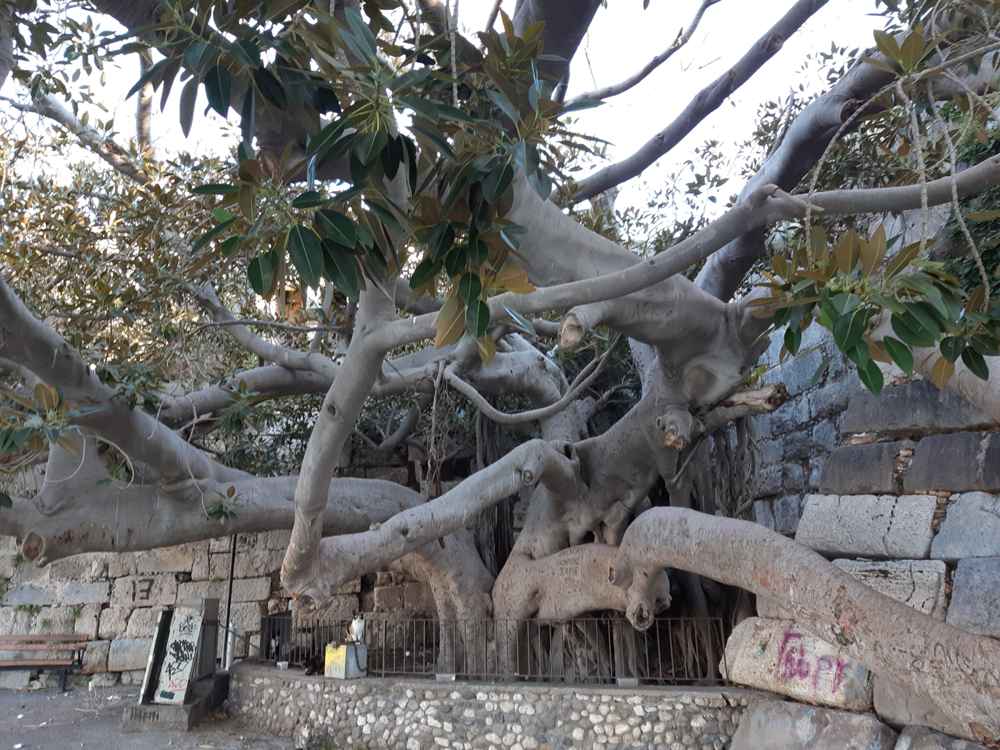
The Plane Tree of Hippocrates stands in Kos Town by the harbour, marking the island’s link to the father of medicine. Tradition holds that Hippocrates taught his students beneath a plane tree on this spot in antiquity. The living tree spreads its broad canopy on a stone platform beside the Knights’ Castle of Nerantzia. Its trunk, hollow and propped with scaffolding, ranks among the oldest plane trees in Europe by local account. The Order of St John built the adjacent castle and a nearby fountain that once drew water past the tree’s roots. Visitors chain the tree with the ancient agora, the Roman Casa Romana, and the harbour castle on a short walking circuit.
Kos as the birthplace of Hippocrates frames this monument within the history of the Asklepion, the healing sanctuary 4 kilometres to the southwest. The tree carries the island’s medical heritage into its everyday harbour front. Travelers reach it on foot within minutes of the port, best in the mild months of May and October.
How does Kos accommodate different types of travelers throughout the year?
Kos serves opposite traveler briefs across one calendar by matching each season to a distinct roster. July and August draw families and young travelers with warm sea and long daylight. They add windsurfing at Tigaki and Marmari and nightlife in Kos Town and Kardamena. May and October suit cyclists, hikers, and culture-first visitors, pairing mild air with open access to the Asklepion, the Nerantzia castle, and Mt Dikeos. Winter fits off-season travelers who want quiet tavernas, green landscapes, and island festivals without the beach crowds. The northeast resorts and Kardamena carry the summer mass market. The interior villages of Zia, Pyli, and Antimachia stay calm even at the August peak.
Prices track the same curve, topping out in summer and bottoming in winter, so budgets flex with the chosen month. Day boats to Nisyros, Kalymnos, and Pserimos extend the roster for island-hoppers through the warm season. Reading this seasonal logic lets each traveler pick a month that matches priority, whether heat, movement, culture, or price.