
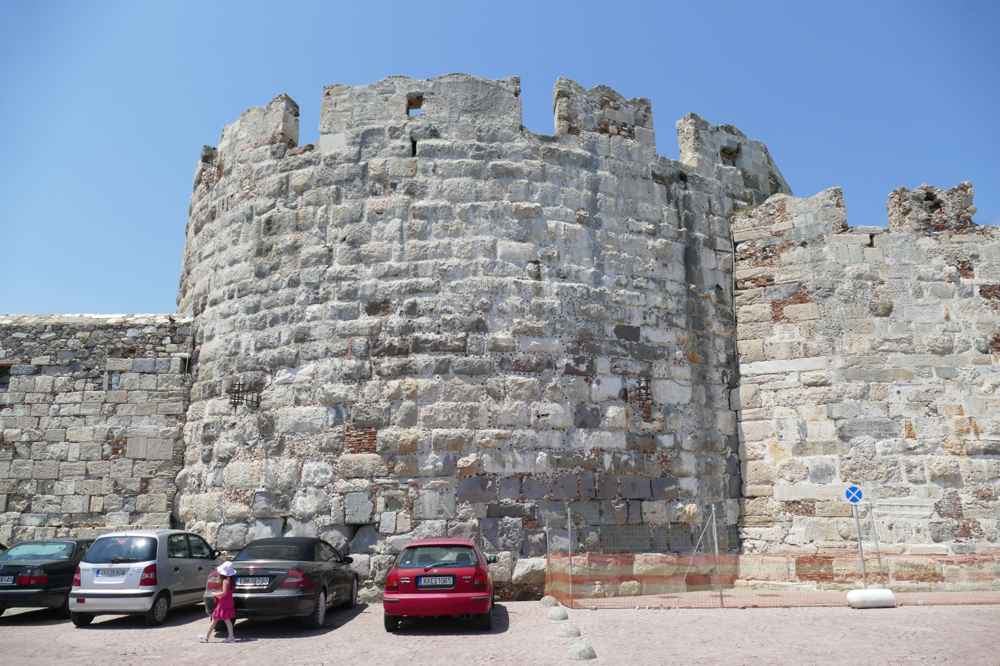
Kos lies in the eastern Aegean, the third-largest island in the Dodecanese chain and a natural crossroads between Greece and the Turkish coast. Two principal routes bring visitors to the birthplace of Hippocrates: air services into Kos International Airport near the centre of the island. Ferry connections from mainland Greece and neighbouring islands. The island’s position close to Bodrum adds a third option, with short day-boat crossings from Turkey that take less than an hour. Each route offers distinct advantages depending on origin, budget and season, and understanding the network helps travellers choose the most efficient path to this cycling-friendly island. Plan the whole trip with Greece Tours.
The airport handles both domestic flights year-round and a wide roster of seasonal international services during the summer months. Ferry schedules link Kos to Piraeus and to the wider Dodecanese constellation, with conventional overnight boats and faster daytime catamarans serving different traveller preferences. Smaller ports at Kardamena and Mastichari supplement the main harbour at Kos Town, providing local hops to nearby islands. Whichever gateway you select, onward transport by bus, taxi or rental vehicle connects the arrival point to beaches, mountain villages and the ancient Asklepion that crowns the island’s cultural landscape.
Which airlines fly to Kos and where does the airport sit on the island?
Kos International Airport Hippocrates carries the IATA code KGS and sits near Antimachia in the island’s centre, roughly equidistant from Kos Town to the northeast and Kefalos to the southwest.
The airport occupies a plateau between the central plains and the southwestern peninsula. Placing it about 24 kilometres by road from Kos Town and 12 kilometres from the resort strip at Kardamena. A single terminal building processes both international and domestic arrivals, and the compact layout means short walks from aircraft to baggage claim. Runway orientation takes advantage of prevailing northwesterly winds, and the facility can accommodate narrow-body jets that dominate European leisure routes. Outside the terminal, a taxi rank, bus stop and car-rental desks provide onward connections to every corner of the island.
Athens remains the most frequent domestic connection, with multiple daily departures that take around 50 minutes gate to gate. These flights operate throughout the calendar, ensuring year-round access even when international schedules thin in winter. Thessaloniki also appears on domestic timetables during peak months, offering northern Greece a direct link. The Athens service doubles as a connector for long-haul passengers arriving into the capital from other continents. Turning a two-flight itinerary into a practical option for visitors from the Americas, Asia or the Gulf states.
Seasonal international flights dominate the summer roster, typically running from late April until late October. Airlines from the United Kingdom, Germany, Scandinavia, the Netherlands, Poland and Italy schedule both charter and low-cost services, with frequencies peaking in July and August. Many routes operate once or twice weekly, while popular origins such as London or Frankfurt see daily rotations during high season. Advance booking secures the widest choice of departure times and competitive fares, though last-minute seats often appear as airlines adjust capacity to match demand across their networks.
The airport’s central location means no single resort dominates transfer times, spreading visitor flows across Kos beaches from Tigaki in the north to Kamari in the southwest. Travellers bound for Kos Town face a 25-minute drive along a modern highway, while those heading to Kefalos or the Agios Stefanos basilica ruins cover a similar distance in the opposite direction. Mastichari and Marmari lie within 15 minutes, and even the mountain village of Zia on the slopes of Mount Dikeos sits less than 30 minutes away. This geography reduces the risk of long, tedious transfers and lets visitors reach their accommodation quickly after landing.
How long does the ferry from Piraeus to Kos take and what types of boat run the route?
Conventional overnight ferries from Piraeus to Kos take about 10 to 12 hours, departing Athens in the evening and arriving at Kos Town harbour the following morning.
The overnight ferry remains the classic route for travellers who value economy and the romance of waking up in island waters. Departures typically leave Piraeus between early evening and late night, threading through the Cyclades or sailing directly southeast past Patmos and Kalymnos before reaching Kos at dawn or mid-morning. Cabins range from basic inside berths to outside doubles with portholes, and deck-class tickets allow passengers to claim airline-style seats or spread sleeping bags on open decks during warm months. Onboard cafeterias serve hot meals, and boats feature lounges, bars and small shops that keep passengers comfortable through the crossing.
High-speed catamarans compress the timetable by running at nearly double the speed of conventional hulls, but their lighter construction makes them sensitive to wind and swell. These vessels usually depart Piraeus in the morning, calling at fewer intermediate islands to maintain schedule integrity, and reach Kos by late afternoon or early evening. Seating resembles an aircraft cabin, with assigned places and limited outdoor deck space. The shorter voyage appeals to travellers who prefer daylight sailing and want to maximise time on the island, though ticket prices run higher than overnight alternatives and cancellations occur more often when the meltemi blows hard across the Aegean.
Both ferry types call at multiple Dodecanese ports, turning the voyage into an island-hopping opportunity. Common stops include Syros or Mykonos in the Cyclades, then Patmos, Leros and Kalymnos before Kos. Some itineraries continue south to Rhodes, making Kos a natural midpoint on longer Dodecanese journeys. Passengers can break the trip by disembarking at an intermediate island and catching a later boat, though this requires careful schedule coordination and separate ticket segments. The flexibility suits explorers who want to sample islands in one trip without backtracking by air.
Booking ahead through online portals or Athens travel agencies secures preferred cabin types and sailing dates, especially during July and August when Greek holiday-makers and international tourists fill capacity. Walk-up tickets remain available at the Piraeus gate for most departures outside peak weekends, but choice narrows to whatever inventory remains. Bicycles and motorcycles travel in vehicle holds for a modest surcharge, and the island’s famous cycling culture makes bringing a folding bike a practical option for those planning to explore things to do in Kos on two wheels.
Which other Greek islands connect to Kos by ferry and how frequent are the services?
Kos functions as a Dodecanese hub with regular ferry links to Rhodes, Kalymnos, Leros, Patmos, Nisyros, Symi and Astypalaia, plus occasional connections toward the Cyclades and Samos in the northeastern Aegean.
Rhodes lies about 100 nautical miles southeast, and ferries cover the distance in roughly three to four hours depending on vessel type and intermediate stops. The route ranks among the most travelled in the Dodecanese, with at least one departure each day during high season and sailings weekly even in winter. Many boats continue beyond Rhodes to smaller southern islands or double back north, creating a loop that lets passengers design circular itineraries. The connection makes Kos a convenient staging post for travellers combining the two largest Dodecanese islands in a single holiday. The short voyage fits easily into a day’s schedule without requiring an overnight passage.
Kalymnos sits immediately north, separated by a strait less than 20 kilometres wide at its narrowest point. Fast ferries and local boats shuttle between Kos Town and Pothia, the Kalymnos capital, in around 30 to 40 minutes, while the northern Kos port of Mastichari offers an even shorter crossing to Kalymnos in about 20 minutes. This proximity encourages day trips to explore the sponge-diving heritage and dramatic rock-climbing cliffs of the neighbouring island. Leros and Patmos lie farther north along the same chain. Through-tickets from Kos reach both islands in two to four hours. Depending on the number of stops and the vessel’s speed.
Nisyros, the volcanic island famous for its active caldera, sits just 16 nautical miles south of Kos. Daily excursion boats depart Kardamena on the south coast in summer. Taking around 40 minutes to reach Mandraki harbour. Conventional ferries from Kos Town also call at Nisyros times weekly. The short hop makes Nisyros the most popular day-trip destination from Kos, and passengers can walk into the crater, visit whitewashed villages and return the same afternoon. Symi and Astypalaia appear less frequently on timetables, with services running two or three times weekly and often requiring a change at Rhodes or another intermediate port.
Connections toward the Cyclades and the northeastern Aegean exist but operate sporadically, usually once or twice weekly in summer and rarely in winter. Boats heading northwest from Kos call at islands such as Amorgos or Naxos before reaching Piraeus, while northeastbound ferries link Kos to Samos and occasionally Ikaria. These routes suit adventurous island-hoppers willing to adjust plans around irregular schedules, and they open overland alternatives to flying back through Athens. Timetables shift each season as operators balance fuel costs and passenger loads, so checking current schedules closer to travel dates ensures accurate planning for anyone weaving Kos into a multi-island Kos and Aegean odyssey.
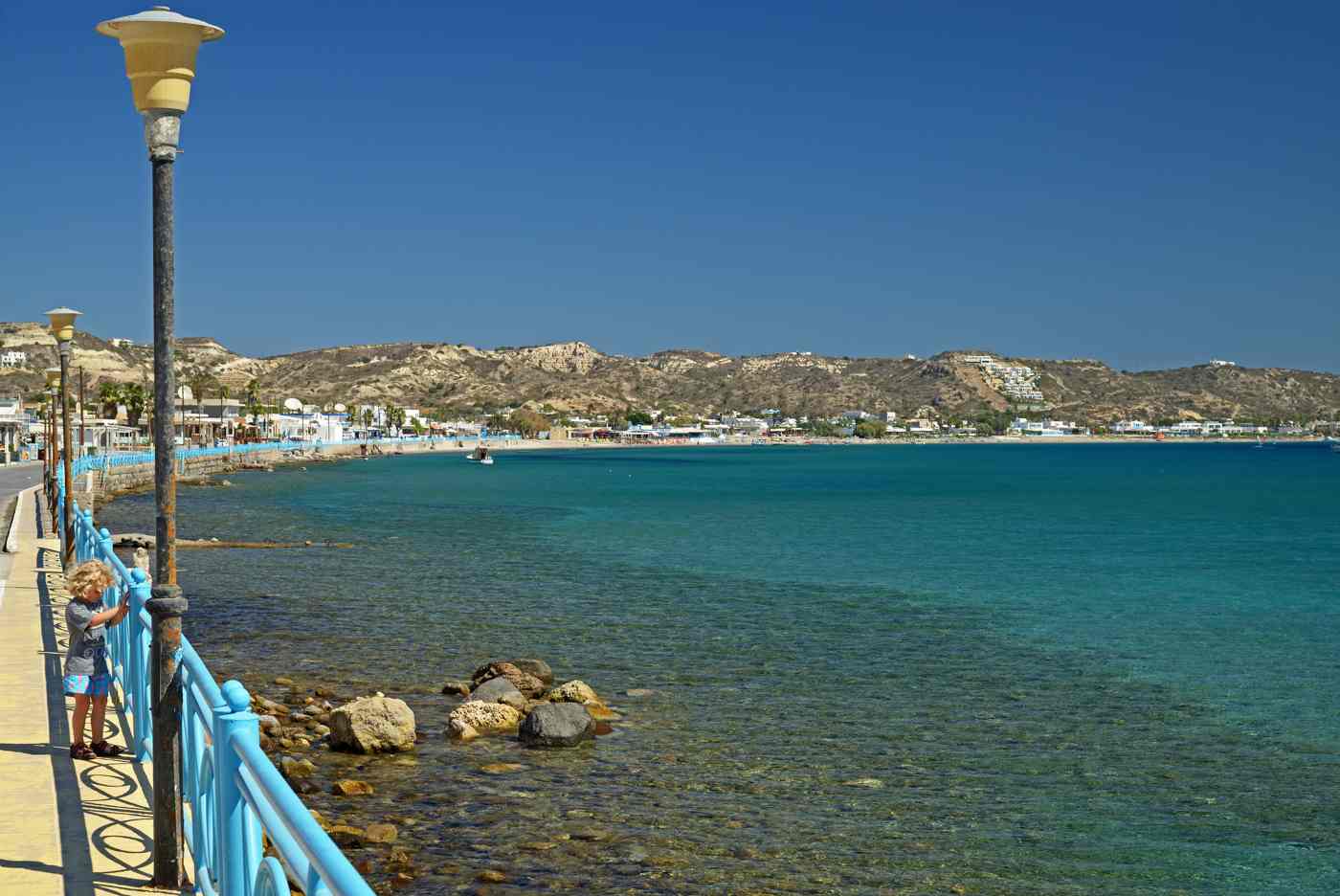
What is the Bodrum to Kos ferry crossing and who uses this route?
Day boats cross the strait between Bodrum on the Turkish mainland and Kos Town in about 20 to 45 minutes, depending on vessel type and sea conditions.
The Bodrum\u2013Kos strait measures roughly 15 nautical miles at its narrowest, making it one of the shortest international sea crossings in the eastern Mediterranean. Catamarans and hydrofoils handle the bulk of passenger traffic, zipping across the water in around 20 minutes on calm days, while slower conventional ferries take closer to 45 minutes. Departures cluster in the morning and early afternoon during summer. With up to three or four round trips daily at peak season, then drop to one or two per day in spring and autumn. Winter service becomes irregular or pauses altogether as tourism dwindles and weather windows narrow.
Passport and visa formalities add time to the crossing despite the short voyage. Passengers surrender travel documents at the departure port for immigration processing, collect them on arrival, and repeat the procedure on the return leg. European Union and many other nationals enter Greece visa-free for short stays, while Turkey’s e-visa system simplifies entry for most tourists. Checking current requirements before booking prevents surprises at the gate. The boats themselves range from sleek, air-conditioned catamarans with indoor seating to open-deck ferries that let passengers enjoy the breeze and photograph the approaching coastline.
Day-trippers form the largest user group, with Bodrum-based tourists riding over for hours in Kos Town to visit the Castle of Nerantzia. The ancient agora and the Plane Tree of Hippocrates before returning to Turkey by evening. Conversely, visitors staying in where to stay in Kos properties cross to Bodrum to explore the Mausoleum ruins, the castle of St Peter and the bustling bazaar. Cruise ships calling at Bodrum sometimes offer Kos as a shore excursion. Independent travellers use the link to stitch together Greek island and Turkish coast itineraries without retracing steps through major airports.
Tickets go on sale at agencies near both harbours and through online platforms, though same-day walk-up purchases remain common outside July and August. Fares vary by operator and season but generally cost less than a short-haul flight. The experience of crossing an international border by sea adds a memorable dimension to any Aegean journey. Bicycles and small motorbikes can travel on ferries for an extra fee, extending the utility of the route for cyclists touring the region. The crossing also serves as a practical escape valve when ferry strikes or flight cancellations disrupt other routes. Offering an alternative path into or out of Greece through the Turkish transport network.
How do travellers choose between flying to Kos and taking the ferry from Athens?
Flight versus ferry decisions hinge on budget, available time, tolerance for overnight travel and the desire to visit intermediate islands.
Budget-conscious travellers often favour the ferry, especially when booking deck-class tickets that cost a fraction of airfare. A night spent in a reclining seat or on an open deck under the stars eliminates the expense of an Athens hotel, and the savings multiply for families or groups. Onboard meals from the cafeteria run cheaper than airport restaurants. The slower pace allows passengers to spread out, read, socialise or sleep without the cramped confines of an aircraft cabin. For those already planning to island-hop, the ferry becomes both transport and part of the adventure. With sunrise views over the Aegean and the chance to watch Dodecanese peaks emerge from the horizon.
Time-pressed visitors prioritise the flight, which compresses the Athens\u2013Kos leg into a morning or afternoon and leaves the rest of the day free for beach lounging or exploring the Asklepion. Business travellers, short-break tourists and anyone with limited holiday allowance find the speed worth the premium. The convenience of checking luggage through from an international arrival in Athens to Kos without an overnight stop simplifies logistics. Families with young children sometimes prefer the flight to avoid managing restless kids through a 12-hour voyage, though others relish the novelty of a ferry journey and the space to move around that ships provide.
Island-hopping ambitions tip the balance toward ferries, because air connections between smaller Aegean islands remain sparse and expensive. A traveller wanting to visit Patmos, Leros and Kos in sequence books a single ferry ticket with stops, disembarking and re-boarding as the boat works down the chain. Flying require returning to Athens for each leg or purchasing costly inter-island flights with limited schedules. The ferry network turns geography into an asset, letting passengers trace the Dodecanese arc in a logical progression and experience the rhythm of Greek island life as locals do. Riding the same boats that carry produce, mail and everyday commuters.
Seasonal factors also weigh in the choice. Summer’s calm seas and long daylight hours make ferry travel pleasant, with outdoor decks offering front-row seats to passing islands and the chance to strike up conversations with fellow passengers. Winter’s rougher conditions and reduced schedules push more travellers toward flights, which operate reliably year-round regardless of wind or swell. Meltemi winds in July and August can delay or cancel high-speed catamarans, so anyone with a tight onward connection from Kos Town to another island or a return flight home builds buffer time into the itinerary or opts for the certainty of air travel.
What transport options connect Kos airport to hotels and resorts around the island?
Public buses, pre-booked shuttles, taxis and rental cars link Kos International Airport to accommodation across the island.
The public bus stop sits a short walk from the terminal exit. The route to Kos Town operates times daily, aligning roughly with flight arrivals during the tourism season. The journey takes around 35 minutes, following the main highway northeast through Zipari and Asfendiou villages before descending to the coastal plain and the capital. Fares remain modest, and the service suits solo travellers or couples with light luggage who plan to stay in or near Kos Town. From the town bus station, onward connections radiate to Tigaki, Marmari, Mastichari, Kardamena and Kefalos, though schedules require careful checking and transfers can add an hour or more to total travel time.
Taxis queue outside the arrivals hall throughout the day, and drivers quote fixed or metered fares to popular destinations. A ride to Kos Town costs around the equivalent of 25 to 30 euros, while Kardamena or Kefalos runs higher due to greater distance. The convenience of door-to-door service and the ability to accommodate families with children, elderly passengers or bulky luggage makes taxis the default choice for visitors. Ride-hailing apps have limited presence on the island, so arranging a taxi through the hotel in advance or joining the airport rank remains the standard approach.
Sharing a cab with other passengers heading the same direction can split costs, and drivers often suggest this arrangement when parties arrive on the same flight.
Car rental counters from international and local agencies occupy a row inside the terminal, and most companies allow online pre-booking with vehicle collection immediately after clearing customs. The island’s compact size and well-maintained road network make self-drive an attractive option, giving travellers the freedom to explore mountain villages, remote beaches and archaeological sites on their own schedule. A small hatchback suffices for paved roads and town parking, while a scooter or quad bike appeals to those comfortable with two wheels and warm weather. Fuel stations cluster near Antimachia and along the main coastal highway, and GPS navigation or a downloaded map ensures easy wayfinding across the flat northern plains and the hillier southwest.
Pre-arranged hotel shuttles and private transfers offer a middle ground between public buses and taxis, with resorts sending minibuses to meet arriving guests. These services often cost less than a taxi for groups and include a meet-and-greet with a name board in the arrivals hall, smoothing the transition from flight to accommodation. Some package-holiday operators bundle transfers into the overall price, so checking the booking confirmation before arranging separate transport avoids double payment. The short distances across Kos mean no transfer exceeds 40 minutes.
The island’s cycling infrastructure even tempts adventurous souls to rent a bicycle at the airport and pedal to their hotel, though this remains a niche choice best suited to experienced riders with minimal luggage and a base close to the terminal.
Which ports on Kos handle ferry arrivals and what facilities do they offer?
Kos Town harbour on the northeast coast serves as the island’s principal ferry terminal, handling overnight boats from Piraeus, Dodecanese inter-island services and day boats to Bodrum.
Kos Town’s ferry quay stretches along the waterfront adjacent to the Castle of Nerantzia, placing arriving passengers within a five-minute walk of the old town’s caf\u00e9s, shops and hotels. The terminal building houses ticket offices for multiple ferry operators, a small waiting area with seating, and basic facilities including toilets and a snack kiosk. Larger ferries berth at the outer mole, and passengers walk down the gangway onto the quay, then cross the harbour road to enter the town grid. Taxis and buses wait near the terminal, and the flat, pedestrian-friendly streets make onward movement straightforward even with wheeled luggage.
Kardamena’s jetty lies at the eastern end of the resort strip, a compact concrete pier where excursion boats and conventional ferries to Nisyros tie up. The village itself wraps around a sandy beach and a main street lined with tavernas, bars and souvenir shops, catering to a younger, resort-focused crowd. Ferries from Kardamena to Nisyros run daily in summer. Departing mid-morning and returning late afternoon. The short crossing makes this port a practical choice for day-trippers who want to explore the volcanic caldera without backtracking to Kos Town. Ticket booths cluster near the waterfront, and the informal atmosphere contrasts with the busier capital harbour.
Mastichari occupies the north coast roughly 20 kilometres west of Kos Town, and its small harbour handles the frequent shuttle service to Kalymnos. The crossing takes around 20 minutes, and the boats carry both foot passengers and vehicles, making Mastichari the fastest link between the two islands. The village retains a quieter, more traditional character than Kardamena, with a long sandy beach, a handful of fish tavernas and fewer large hotels. Travellers staying in the northern resorts of Tigaki or Marmari find Mastichari the most convenient departure point for a Kalymnos day trip. Avoiding the drive to Kos Town and the longer crossing from the main port.
All three ports offer limited luggage storage. Passengers with heavy bags or early-morning ferry departures often arrange to leave luggage at their hotel or a nearby caf\u00e9 for a small fee. Kos Town’s central location and range of services make it the default arrival point for most visitors. Knowing that Kardamena and Mastichari exist opens alternative routing options for those staying in the south or north. The smaller ports also reduce the risk of missing a connection due to traffic or parking delays. Their proximity to specific beaches and resorts shortens total travel time when the destination aligns with the port location.
How does seasonality affect ferry and flight schedules to Kos?
Summer brings peak frequency for both air and sea services, with daily flights from multiple European cities and numerous ferry departures linking Kos to Piraeus and neighbouring islands.
The tourism calendar on Kos follows the classic Mediterranean arc, ramping up in late April, peaking from late June through early September, then tapering through October. Airlines respond by flooding the summer schedule with charter and low-cost flights from the United Kingdom, Germany, Scandinavia and beyond, often operating wide-body aircraft on the busiest routes. A traveller searching for flights in July finds dozens of weekly options from London alone, while the same search in January returns only the Athens domestic service and a single weekly charter if a tour operator has block-booked winter sun packages. This seasonality means advance planning becomes critical for shoulder-season visits, when flight inventory shrinks and prices rise due to limited competition.
Ferry operators follow a similar pattern, adding extra vessels and increasing frequencies during the high season to handle the surge of island-hoppers and Greek holiday-makers. The Piraeus\u2013Kos overnight ferry runs daily or near-daily from May through September, with operators competing on the route and offering a range of cabin classes and onboard amenities. Come November, the schedule contracts to three or four departures weekly, and operators withdraw their fastest catamarans entirely, leaving only conventional ferries that brave rougher autumn and winter seas. Travellers planning off-season trips must check timetables closer to departure dates, because published schedules often shift as companies assess bookings and weather forecasts.
Inter-island connections within the Dodecanese also fluctuate with the seasons. The Kos\u2013Rhodes link maintains year-round service because both islands have substantial local populations and off-season tourism. Routes to smaller islands such as Astypalaia or Symi drop to once or twice weekly in winter. The Bodrum day boats usually suspend operations entirely from November through March, resuming in April as Turkish and Greek tourism seasons restart. This variability means that a multi-island itinerary planned for October requires more flexibility and longer layovers than the same trip in July, when daily departures allow tight connections and spontaneous route changes.
Weather plays a secondary role in seasonality, with the meltemi wind of summer sometimes delaying or cancelling high-speed ferries despite the peak travel period. Conventional ferries prove more resilient to wind and swell, so risk-averse travellers with fixed onward flights from Kos or Athens book slower boats that rarely cancel. Winter storms can disrupt any vessel, and the reduced schedule means a cancelled ferry strand passengers for two or three days until the next departure. Flight operations at Kos airport continue year-round with minimal weather disruption, because the island’s moderate climate and modern runway infrastructure handle rain and wind more reliably than small-boat navigation.
Understanding these seasonal rhythms helps visitors align their travel dates with the best balance of schedule frequency, weather stability and crowd levels across the island’s beaches, villages and ancient sites.
What onward transport moves visitors around Kos after they arrive?
Public buses, rental cars, scooters, bicycles and taxis provide onward transport across Kos once visitors arrive by air or sea.
The public bus network radiates from the main terminal in Kos Town, with routes running east to Therma hot springs. West to Mastichari and Marmari, south to Kardamena and Kefalos. Inland to Pyli and Zia on the slopes of Mount Dikeos. Frequencies vary by route and season, with popular beach lines running every hour or two in summer and less often in winter. Fares remain inexpensive, and tickets purchased onboard or at kiosks cover single journeys, while multi-day passes offer savings for visitors planning trips. The buses themselves range from modern air-conditioned coaches on trunk routes to smaller minibuses serving mountain villages.
Posted timetables at stops help passengers plan connections, though delays can occur during peak afternoon hours when traffic clogs the coastal road.
Bicycles dominate local transport culture, and Kos Town’s flat grid and extensive cycle lanes make pedalling the easiest way to navigate the capital. Rental shops cluster near the harbour and along the main hotel strips, offering city bikes. Mountain bikes and electric-assist models for those tackling the climb to Zia or exploring the hillier southwest. The island’s narrow profile means a fit cyclist can cross from the north coast to Kefalos in a long day, though most riders stick to shorter loops that link beaches, villages and archaeological sites. Dedicated paths parallel the coast from Kos Town west to Tigaki and beyond, separating cyclists from motor traffic and providing safe, scenic routes for families and casual riders.
Car and scooter rentals unlock the entire island, allowing visitors to reach remote beaches such as Camel or Magic in the southwest. Explore the Venetian castle at Antimachia. Drive the loop around Mount Dikeos without waiting for buses or pedalling uphill. International rental agencies and local outfits compete on price and vehicle selection, and booking online before arrival often secures better rates than walk-in rentals. Fuel costs remain moderate, and the island’s road network consists of a main coastal highway plus secondary roads that climb into the interior, all well-signposted in Greek and Latin script.
Parking in Kos Town requires patience during high season, but resorts and villages offer ample street parking, and most hotels provide free spaces for guests.
Taxis operate from ranks in Kos Town, at the airport and in larger resorts, and drivers accept hail requests or pre-bookings by phone. Metered fares apply for most journeys, though fixed rates to the airport and popular tourist sites are common. A taxi from Kos Town to Zia costs around 15 to 20 euros, while a trip to the Asklepion runs less due to the shorter distance. Ride-sharing apps have minimal presence, so traditional taxi services remain the primary on-demand option. For groups or families, splitting a taxi fare often costs less per person than bus tickets and delivers door-to-door convenience.
Especially when travelling with beach gear, young children or elderly relatives who find bus schedules and stops challenging.
What practical tips help first-time visitors navigate arrival and onward travel on Kos?
First-time visitors benefit from pre-booking accommodation near their arrival port or airport, downloading offline maps, carrying cash for bus fares and small purchases, and confirming ferry schedules within 48 hours of departure.
Choosing accommodation within walking distance of Kos Town harbour simplifies arrival for ferry passengers. Eliminating the need for immediate taxi or bus connections and allowing time to orient before venturing farther. Similarly, booking a hotel near the airport or along the main coastal highway reduces transfer complexity for air arrivals, especially late-evening flights when bus service thins and taxi queues lengthen. Many visitors underestimate how quickly they can traverse the island. Assuming that a 40-kilometre length requires hours of travel. The modern road network and light traffic outside peak afternoon hours mean Kos Town to Kefalos takes around 45 minutes by car and the northern beaches lie within 20 minutes of the capital.
Offline maps downloaded to a smartphone before departure prove invaluable when mobile data roams expensively or village coverage drops. Applications that cache OpenStreetMap data work well across Greece, showing roads, footpaths, beaches and points of interest without an internet connection. The maps also help cyclists navigate the web of bike lanes and quiet backroads that crisscross the northern plains. They mark the locations of fuel stations. ATMs and supermarkets that otherwise require asking for directions. Carrying a paper map as backup costs little and provides a larger overview that helps visualise the island’s geography and plan day trips.
Cash remains important despite widespread card acceptance, because small tavernas, beach-chair rentals, bus conductors and some ferry-ticket kiosks prefer or require notes and coins. ATMs cluster in Kos Town, Kardamena and other resorts, and withdrawing a few hundred euros upon arrival covers incidental expenses for days. Tipping practices follow standard Greek custom, with rounding up taxi fares and leaving small change at caf\u00e9s appreciated but not obligatory. Carrying a reusable water bottle reduces plastic waste and expense, because tap water across Kos meets safety standards and public fountains appear in villages, though visitors prefer bottled water for taste.
Confirming ferry schedules close to travel dates prevents surprises caused by last-minute timetable changes, strikes or weather cancellations. Operators post updates on websites and social media, and ticket agents in Kos Town provide current information for all routes. Building a buffer day before a return flight home cushions against a cancelled ferry that otherwise cause a missed connection. Travel insurance that covers trip interruption adds peace of mind. Learning a handful of Greek phrases such as greetings, thank you and basic directions earns smiles from locals and enriches the cultural experience. Even though English proficiency in tourist zones means language barriers rarely impede practical transactions or navigation around the island.
Frequently Asked Questions
Can I visit Kos as a day trip from Bodrum or vice versa?
Day trips between Bodrum and Kos work well during the summer season when multiple daily crossings compress the voyage into 20 to 45 minutes each way. Boats typically depart Bodrum mid-morning, giving passengers four to six hours on Kos before the return sailing in late afternoon. This window allows time to walk the harbour area, visit the Castle of Nerantzia, explore the ancient agora and have lunch at a waterfront taverna. Conversely, visitors based on Kos cross to Bodrum to tour the Mausoleum of Halicarnassus, the castle of St Peter and the bazaar before returning by evening. Passport control at both ports adds roughly 30 minutes to each leg, so the total excursion consumes most of a day.
Winter service becomes sporadic or pauses, making day trips impractical outside the April-to-October window. Booking tickets a day in advance secures preferred departure times, though walk-up sales remain common in shoulder months when boats run below capacity.
Do I book ferry tickets from Piraeus to Kos in advance?
Advance booking guarantees cabin choice and sailing dates, especially during July and August when Greek holiday-makers and international tourists fill overnight ferries to capacity. Online portals and Athens travel agencies sell tickets weeks or months ahead, allowing passengers to compare operators, cabin classes and prices before committing. Walk-up purchases at the Piraeus gate remain possible for most departures outside peak weekends. Availability narrows to whatever inventory remains unsold. Often leaving only deck-class seats or inside cabins on less convenient sailing times. High-speed catamarans carry fewer passengers than conventional ferries and sell out faster, so anyone prioritising speed over cost books early.
Families wanting adjoining cabins or groups travelling together benefit from advance reservations that let them secure berths on the same boat. Flexible travellers willing to adjust dates or accept basic accommodation can often find last-minute tickets, though this approach risks delays if the preferred departure fills and the next available sailing runs a day or two later.
How early I arrive at Kos airport before a flight?
Domestic flights to Athens require arrival around 60 minutes before departure, allowing time for check-in, security screening and a short walk to the gate. International flights to European destinations call for 90 to 120 minutes, particularly during peak summer mornings when departures cluster and queues lengthen at check-in counters and security. The single-terminal layout keeps walking distances short, so the extra time provides a buffer rather than reflecting complex navigation. Passengers who check in online and travel with carry-on luggage only can trim these windows slightly. The airport’s modest size means arriving too early leaves limited options for passing time beyond a small caf\u00e9 and duty-free shop.
Charter flights sometimes impose stricter check-in deadlines, with counters closing 40 minutes before departure, so reading the airline’s instructions on the booking confirmation prevents last-minute stress. Travellers staying in Kos Town or nearby resorts allow 30 to 40 minutes for the drive to the terminal, adding a margin for traffic or unexpected delays along the route.
Which Kos port is closest to the Asklepion and how do I get there?
Kos Town harbour sits about four kilometres northeast of the Asklepion, making it the closest port to the ancient healing sanctuary. Taxis from the ferry terminal reach the site in roughly 10 minutes, following the road that climbs gently southwest through olive groves and cypress trees. Public buses do not serve the Asklepion directly. Visitors relying on public transport walk or cycle from Kos Town. A journey of around 30 to 40 minutes on foot or 15 minutes by bicycle along quiet backroads. Rental bikes from shops near the harbour offer an economical and scenic option. The route passes through the suburb of Platani before ascending the low hill where the terraced ruins overlook the coastal plain.
Some visitors combine the Asklepion with a trip to Zia by continuing uphill toward Mount Dikeos after exploring the sanctuary, though this extension requires a car or scooter due to the steeper gradients and longer distance. Kardamena and Mastichari lie farther from the Asklepion. Travellers arriving at those ports face a longer transfer to the site. Making Kos Town the logical gateway for anyone prioritising a visit to this signature archaeological attraction.
Are there direct ferries from Kos to the Cyclades islands?
Direct ferries from Kos to the Cyclades run infrequently, typically once or twice weekly during summer and rarely or never in winter. These services follow a northwesterly route from Kos toward Piraeus, calling at Dodecanese islands such as Kalymnos or Patmos before crossing to Cycladic ports like Amorgos, Naxos or Paros. The voyage can take 10 to 14 hours depending on the number of stops and the vessel’s speed. Schedules shift each season as operators adjust routes to balance demand and fuel costs. Most travellers find it faster and more reliable to ferry or fly from Kos to Athens. Then catch an onward ferry or flight to the Cyclades, rather than waiting for the sporadic direct connection.
The indirect route also offers more frequent departures and a wider choice of Cycladic destinations, because Piraeus serves as the hub for the entire Aegean network. Adventurous island-hoppers with flexible schedules and a desire to trace a less-travelled path sometimes embrace the direct Kos\u2013Cyclades ferry. Treating the long voyage as part of the journey and enjoying the chance to watch the Aegean seascape unfold over hours.
Can I bring a bicycle on the ferry to Kos?
Bicycles travel on most ferries to Kos for a modest surcharge, typically a fraction of a passenger ticket and far less than a car fare. Conventional overnight ferries from Piraeus and inter-island boats within the Dodecanese load bikes into vehicle holds or designated storage areas. Passengers wheel them on and off via the car ramp. Folding bikes often travel free if they pack into a bag small enough to count as hand luggage, though policies vary by operator and checking in advance avoids surprises at the gate. High-speed catamarans sometimes restrict or prohibit bicycles due to limited cargo space and weight constraints, so anyone planning to bring a bike on a fast ferry confirms acceptance when booking.
Once on Kos, the island’s cycling infrastructure and flat northern terrain make a bicycle an ideal tool for exploring coastal paths, reaching beaches and navigating Kos Town’s pedestrian-friendly streets. Rental bikes remain widely available and inexpensive. Many visitors leave their own bicycles at home and rent on arrival. Avoiding the hassle of transporting a bike through airports or ferry terminals and the risk of damage in transit.
What happens if my ferry to Kos is cancelled due to weather?
Ferry cancellations due to high winds or rough seas trigger automatic rebooking on the next available departure. Operators typically notify passengers by email or SMS if contact details were provided at booking. Travellers waiting at Piraeus or an intermediate island receive updates at the ticket office. Most companies offer a full refund or a voucher valid for future travel if the delay exceeds a certain threshold. The next sailing depart the same evening. The following day or two days later depending on weather forecasts and the route’s normal frequency. Passengers stranded by a cancellation need contingency accommodation and flexible onward plans.
Travel insurance that covers trip interruption reimburses hotel costs and missed connections, providing financial protection against the unpredictable Aegean weather. High-speed catamarans cancel more often than conventional ferries because their lighter hulls handle swell poorly, so risk-averse travellers with tight schedules book slower boats that rarely scrub departures. Monitoring wind forecasts and sea-state reports in the days before travel helps anticipate potential disruptions. Building a buffer day before a return flight home cushions against a cancelled ferry that otherwise cause a missed connection and expensive last-minute rebooking.