
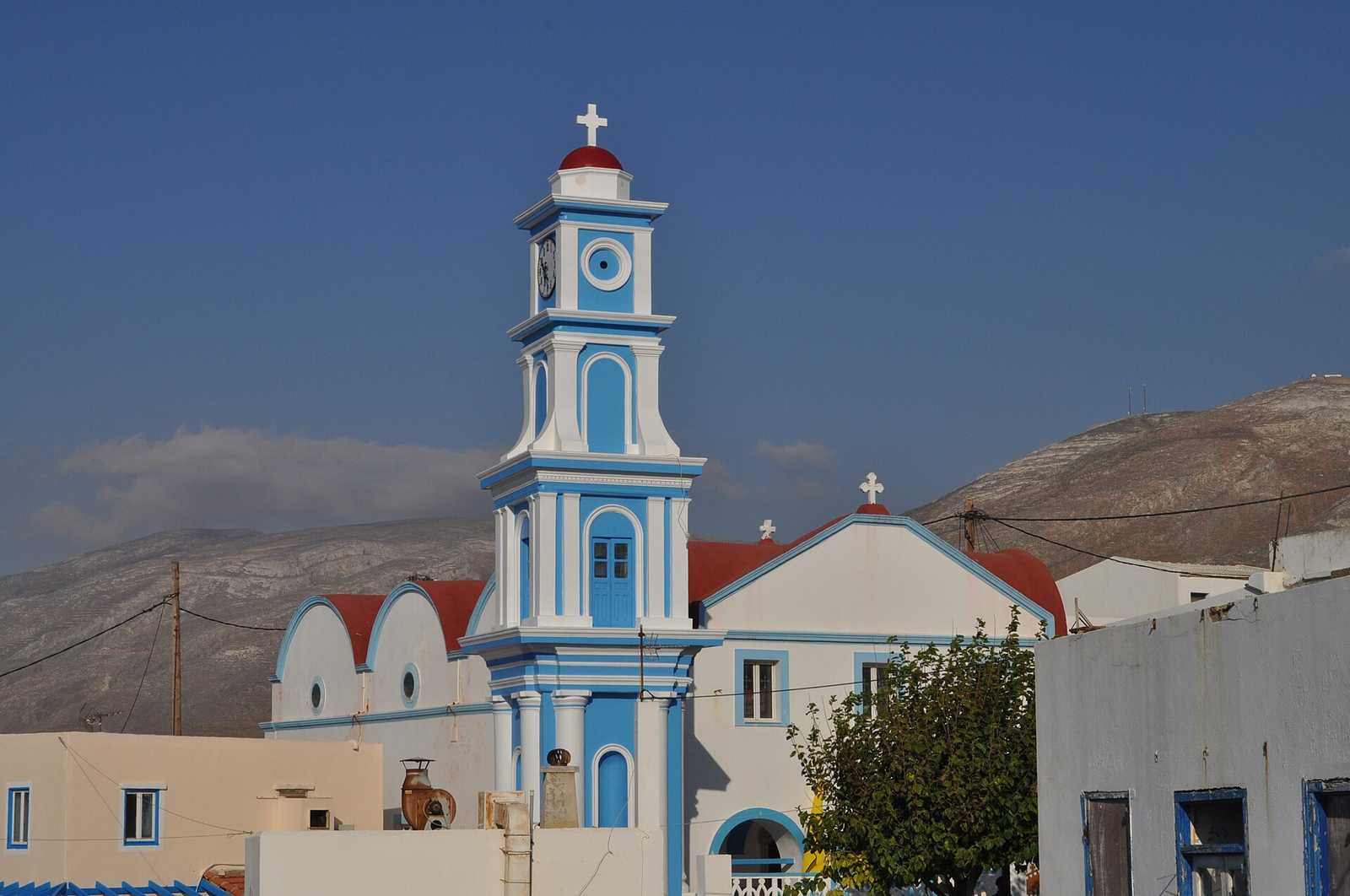
Discover Kasos Island, Greece, a tranquil escape with authentic beaches, local cuisine, and rich traditions. Plan your trip with our expert guide.
Kasos has two tours of its own, a yacht cruise to Armathia and the ferry from Karpathos; the other tours below run on Karpathos, its neighbour to the north-east.
Kasos Travel Guide: Explore Greece’s Hidden Island Gem — Beaches, Food, And Practical Tips
Kasos is small, quiet, and often overlooked, which is exactly why we love it. Tucked in the southern Aegean between Karpathos and Crete, Kasos (pronounced KA-sos) feels like a place time forgot: low-slung white houses, handfuls of bays, and a population that still follows seasonal rhythms. For travelers after authenticity rather than crowded beaches and packaged tours, Kasos delivers. In this guide, Greece Tours will walk you through why Kasos is worth visiting, the practical essentials, how to get there and around, where to stay, the best beaches and day trips, plus food, festivals, and a ready-to-use 3-day itinerary. We’ve tested routes, checked ferry timetables, and spoken to locals so you can plan a relaxed, confident trip.
Why Kasos Is Worth Visiting
Kasos rewards visitors who trade convenience for character. Unlike its busier Dodecanese neighbors, Kasos remains largely free of mass tourism, which means quieter beaches, authentic tavernas, and unhurried island life. Here’s what makes Kasos stand out:
- Intimate scale: With just a few villages and a population under 1,000, the island offers a human-scale experience. We can walk most of the main towns in under an hour and still discover tucked-away corners.
- Untouched beaches: Sandy coves and rocky bays with crystal-clear water are rarely crowded. Beaches like Fokia, Aposkina, and Poli are places where we can spread a towel and enjoy real solitude.
- Living traditions: Folk music, seasonal festivals, and boatbuilding traditions persist here. Kasos has a strong maritime identity, and we’ll often see fishermen mending nets or villagers preparing for a feast day.
- Outdoor variety: Even though it’s small size, the island offers hiking routes, snorkeling, and calm bays for kayaking. The western coast has dramatic cliffs and views across the Libyan Sea.
- Authenticity at the table: Kasian cuisine emphasizes seafood, local cheeses, and simple, well-sourced ingredients. Eating here feels like getting invited to someone’s family meal.
Eventually, Kasos is worth a visit if we want to slow down, connect with local life, and experience Greece beyond the postcard beaches. It’s not about luxury resorts or nightlife: it’s a restorative island for travelers who appreciate off-the-beaten-path discovery.
Where is Kasos, and how is the island laid out?
Kasos is the southernmost island of the Dodecanese, lying southwest of Karpathos and east of Crete. It covers 66.4 square kilometres, rises to 601 metres at Prionas and counted 1,223 residents at the 2021 census, spread across Fry and five other villages.
Kasos runs 19.8 kilometres from Cape Avlaki to Cape Akti and is 7.7 kilometres wide near its middle. Its coastline measures 59 kilometres, and the Karpathian Sea washes every side. The channel between Karpathos and Kasos is recorded as the stormiest stretch of Greek sea, and the name Kasos is traced to a Phoenician root meaning sea foam. Kasos also holds the mildest winters in Greece, with a record low of 2.7 °C.
Fry is the capital and main port on the north coast. The town curves around Bouka bay, and its name comes from the ancient word ofrys, meaning eyebrow, after the shape of the shore. Residents of Agia Marina and returning refugees founded it in 1840. Emporeios, the old port, sits 500 metres away inside the limits of Fry. Agia Marina, to the south, is the largest village and was once the seat of the municipality. Poli stands at 200 metres on the site of the ancient acropolis. Panagia was a village of captains and shipwrights, and Arvanitochori keeps a traditional olive mill.
- Village sizes: At the 2011 census Agia Marina had 444 residents, Fry 357, Arvanitochori 169, Poli 80 and Panagia 34.
- Armathia: The largest islet of Kasos had 8 residents in 1951 and over 100 at its peak, when gypsum was mined there for export. It is now uninhabited.
- Makronisi: This islet north-northwest of Fry covers 0.296 square kilometres and ranks second in size after Armathia.
- Protected birds: Kasos and the Kasonisia islets form a Natura 2000 Special Protection Area for Eleonora’s falcon and Audouin’s gull.
- Municipal area: With all its islets, the municipality covers 69.464 square kilometres of land.
What happened in the Holocaust of Kasos in 1824?
In June 1824 an Egyptian-Ottoman fleet sent by Muhammad Ali attacked Kasos to punish its role in the 1821 revolution. Albanian troops landed at night behind Agia Marina, killed 500 men, captured over 2,000 women and children, and laid the island waste.
When the revolution began, Kasos was semi-autonomous, with 7,000 people and a fleet of about 100 ships. Kasiots rose in April 1821 under their elected admiral, Nikolaos Gioulios. Their ships raided the coasts of Anatolia, the Levant and Egypt and carried aid to the rebels on Crete. Once Crete was subdued in the spring of 1824, Kasos became the next target.
The islanders asked the Provisional Administration of Greece for help, but it had no money to send the fleet. The Egyptian fleet of 45 ships under Ismael Gibraltar shelled the coast for two days and fired over 4,000 shots in a single day. A feint with 18 large boats at the northern tip hid the real landing, as 1,500 Albanians came ashore at Antiperatos, behind Agia Marina. Only 6 Kasiots guarded that path.
- Markos Malliarakis: This shipowner, who led the defence with Ioannis Grigoriadis, was captured, broke his bonds, killed three guards and died on 7 June 1824.
- Ships seized: The attackers took 15 larger and 40 smaller vessels and burned three newly built ships.
- Captives: Relatives bought back a small number, and the rest went to the slave markets of Egypt and Crete.
- Greek fleet: Ships under Antonios Kriezis reached Kasos only on 2 July, too late to help.
- Next blow: Less than a month later, the Destruction of Psara followed.
The municipality marks the anniversary every year on 7 June with three days of events. Two monuments in Fry keep the memory: the Heroes’ Monument near Bouka, with two anchors and four cannons, and the Holocaust Monument by the sculptor Anatolis Lazaridis in the Town Hall square. A third memorial stands above Antiperatos beach, at the landing site.
Survivors drifted back after Kasos came under Greek administration in 1829, but the London Protocol of 1830 left it under Ottoman rule. Italy took the island in 1912, German forces held it from 18 September 1943 until the summer of 1945, and it joined Greece on 7 March 1948. In 2018 the municipality took the name Municipality of the Heroic Island of Kasos.
What links Kasos to the Suez Canal and the sea?
Kasos links to the Suez Canal through its people: from 1859 Kasiots went to Egypt to dig the canal, and about 5,000 islanders emigrated there. Kasiot communities grew in Port Said, Ismailia and Suez, while shipping families such as Kulukundis and Rethymnis built fleets abroad.
Kasiots left for Egypt in 1859, the year digging began, and a new wave followed in 1866. The work force on the canal grew from 18,000 in 1859 to 42,000 in 1863. A Kasiot couplet blames Ferdinand de Lesseps for peopling the desert and emptying Kasos.
In 1908 Greek canal workers founded the mutual-aid society Phoenix, which ran with Kasiot members until 1918. Emigration drained the island: the 1917 census counted 1,855 residents, and by the 1920s only 400 of about 2,300 houses on Kasos were lived in all year. Later waves went to Istanbul, mainland Greece, the USA and South Africa.
- Sailing fleet: In 1843 the fleet of Kasos counted over 75 ships, the third naval power in the Aegean.
- Steam: From 1890 the rise of steam began to end the era of Kasiot sailing ships, and the wooden shipyard of Kasos fell idle.
- Kulukundis: Manolis Kulukundis, born on Kasos in 1898, founded Rethimnis Kulukundis Ltd in London with Minas Rethymnis and later owned 11 Liberty ships.
- Shipping names: Other shipowning families from Kasos include Mavroleon, Pnevmatikos, Diakakis, Nikolaou, Papadakis and Papadimitriou.
- Naval Museum: A display built on the private collection of Antonis Chatzipetrou shows sextants, compasses, ship models and shipbuilding tools.
Seafaring is still the main occupation on Kasos, and islanders serve as captains, engineers and crew on merchant ships. The airport near Fry bears the name of Markos Malliarakis, the 1824 defender. Boats from Fry run to Armathia and its Marmara beach, while boat trips on Karpathos cover the larger island to the north-east.
Practical Essentials: Money, Safety, Language, And Health
Before we arrive, a few practical essentials make the trip smoother. Kasos is straightforward, but planning avoids last-minute surprises.
Money
- Cash-first island: While some shops, tavernas, and accommodation accept cards, Kasos remains largely cash-oriented. We should carry enough euros for several days, and withdraw at the Pyrgos/Kasos town ATM on arrival if needed. ATMs can run out during peak season, so plan accordingly.
- Prices: Expect modest island prices, slightly higher than mainland Greece for imported items, but excellent value for local food and simple rooms.
Safety
- Very safe: Kasos is low-crime, and locals are welcoming. Usual travel caution applies: secure belongings, don’t leave valuables visible in parked vehicles, and be mindful on isolated beaches after sunset.
- Sea safety: Some beaches lack lifeguards and have rocky entry points. We always check conditions, avoid swimming alone in rough weather, and use reef shoes where necessary.
Language
- Greek primary: Greek is the local language. Basic English is common, especially among younger residents and service staff, but phrases in Greek go a long way. Simple greetings like “kalimera” (good morning) and “efcharistó” (thank you) warm interactions.
- Dialects and local terms: Kasos has regional expressions and names for dishes or places. We’ll ask locals for recommendations; they love sharing.
Health
- Medical facilities: The island has a small health center (agria) for minor issues and first aid. For serious emergencies, we may need to be transferred to Karpathos or Crete. Travel insurance that covers medical evacuation is a sensible precaution.
- Pharmacies: There’s usually at least one pharmacy in the main town, but stock is limited; bring any prescription meds and a basic first-aid kit.
Connectivity
- Mobile and internet: Coverage is reasonable around the main villages, but can be spotty in remote coves. If we need reliable connectivity, consider a local SIM with data or plan for intermittent access.
By handling money, safety, language, and health basics before departure, we’ll enjoy Kasos with fewer hassles and more presence.
Getting There And Getting Around Kasos
Reaching Kasos requires a little planning. There are no direct flights from most international hubs, so most visitors arrive by ferry from neighboring islands or via Karpathos.
Connections
- From Karpathos: The most common route is a short ferry from Karpathos (Pigadia). Ferries run multiple times a week, and travel time can range from 1 to 3 hours depending on the vessel.
- From Crete and Rhodes: Seasonal connections exist from Crete (Kissamos or other ports) and Rhodes; these are less frequent and often timed for summer travelers.
- From Piraeus (Athens)/other major ports: There are occasional longer ferry services linking Kasos to the Athens network, but these are irregular and usually seasonal.
Booking
- Booking recommended: Summer months fill up, especially local ferries that double as cargo runs. We book tickets ahead of time for preferred dates and to secure vehicle space if we’re bringing a car.
- Flexible plans: Weather can alter schedules. We plan buffer days for missed connections and keep essential items in carry-on in case luggage is delayed.
Getting Around On The Island
- Walking: The main port towns are compact and easy to explore on foot. For short errands or beach hops nearby, walking is our simplest option.
- Taxis: Few and often on-call: book in advance when possible. Taxi availability is limited late at night.
- Rentals: Cars and scooters are available to rent in season. We reserve vehicles in advance during July–August and choose one with good ground clearance for rougher island roads.
Local rhythm
- Expect slower timetables: Services run at a relaxed pace. Ferries may arrive midday or late afternoon rather than at convenient tourist hours. We adapt our schedule and embrace a slower tempo.
Getting around Kasos rewards patience and curiosity. The island is best explored slowly, with time to stop at a beach, a seaside taverna, or a viewpoint that isn’t on any map.
Best Time To Go & Weather Patterns
Kasos enjoys a typical Mediterranean climate with hot, dry summers and mild, wetter winters. When we pick our travel dates, these seasonal patterns matter:
- Peak season (July–August): Warm, sunny days are ideal for swimming and boat trips. It’s the busiest time, but Kasos still feels uncrowded compared with other Greek islands. Expect higher prices and earlier bookings for rentals and rooms.
- Shoulder seasons (May–June, September–October): Our favorite months. Sea temperatures are pleasant, days are warm, and wind or storm risk is lower than in late autumn. Many local businesses open for the season in May and stay through October.
- Winter (November–April): Quiet and atmospheric, but many services close. If we visit now, we should prepare for limited accommodation options and potential ferry cancellations in rough weather.
Wind and waves
- Meltemi influence: The Meltemi, a strong northerly wind, can affect Kasos in mid-summer. It clears skies and cools things off, but can make sea travel choppy. South-facing beaches are better sheltered during strong northerlies.
Practical tip: For easy sailing, calmer seas, and open tavernas, aim for May–June or September when Kasos feels at its most welcoming without the peak crowds.
Where To Stay: Towns, Villages, And Accommodation Options
Kasos offers a modest range of places to stay, from family-run guesthouses to simple apartments. Choosing where to base ourselves depends on what we want from the trip.
Pyrgos (Kasos Town)
- Best for first-time visitors: The main port and administrative center, Pyrgos, is lively by Kasos standards with cafes, a handful of tavernas, and basic shops. Staying here minimizes transfers and makes ferry arrivals easy.
- Accommodation: Small hotels and rooms-to-let cluster near the harbor. We can find host-run rooms that include breakfast and local tips.
Aghia Marina and Menetes
- Quieter village options: Agia Marina is a charming seaside spot with easy access to nearby beaches. Menetes, up in the hills, offers views and a slower pace with several traditional guesthouses.
Seaside hamlets and bays
- For beach proximity: If our priority is dawn-to-dusk beach time, consider modest rooms near Poli or Fokia. These are more remote and quieter, ideal for longer stays.
Types of accommodation
- Rooms to rent (rooms-sto-lepto): Family homes renting one or two rooms are common and provide authentic hospitality.
- Studios and apartments: Good if we prefer self-catering and longer stays. Kitchens are basic but functional.
- Small hotels: A few small, comfortable hotels operate in Pyrgos and Aghia Marina, often run by families who handle bookings directly.
Booking tips
- Reserve early in summer: July and August fill up. For the best local hosts, email directly; many operators favor personal contact over large platforms.
- Ask about amenities: Confirm air conditioning, parking, and whether breakfast is included. If we plan to rent a car, request a parking spot.
Where we stay shapes the experience: Pyrgos for convenience, smaller villages for intimacy, and bays for pure beach time. We recommend staying at least two nights in Pyrgos to get logistics sorted, then moving to a quieter bay for the rest of the trip.
Top Beaches, Historic Sights, And Day Trips
Kasos punches above its weight when it comes to beaches and quiet historic charm. Here are the highlights we’d recommend exploring.
Top Beaches
- Poli: A long sandy bay with shallow, clear water. Good for families and for long swims. There’s a laid-back taverna near the parking area and shade under tamarisk trees.
- Fokia: A picturesque cove with turquoise water and pebbled shore. It’s quieter and excellent for snorkeling among submerged rocks.
- Aposkina: A sandy beach with a slightly wilder vibe: the water is bright and inviting. Access can be via a short dirt track, so a vehicle with decent clearance helps.
- Koutsali: Secluded and scenic, a short hike from the road rewards us with solitude and sea caves to peer into.
Historic Sights and Cultural Stops
- Kasos Folklore Museum (Pyrgos): Small but rich in local artifacts, traditional costumes, and maritime objects. It offers context for the island’s seafaring heritage.
- Old Churches and Chapels: Scattered across the island, these small Byzantine and post-Byzantine churches often feature votive offerings and local fresco fragments.
- Boatyards: Observing traditional boatbuilding and fishermen at work connects us to the living maritime culture.
Day Trips and Excursions
- Boat trips around the island: Hire a small boat or join a local skipper to explore hidden coves, snorkel, and visit nearby islets. Private half-day or full-day trips are available in season.
- Nearby islands: We can take a day trip to Karpathos for more amenities or use Kasos as a quieter base before heading on to Crete. Ferry schedules dictate feasibility.
- Hiking routes: Short coastal hikes and inland paths lead to viewpoints where we can watch the light change over the Libyan Sea.
Practical beach tips
- Bring shade: Many coves lack facilities: a beach umbrella or light pop-up shelter makes a long day more comfortable.
- Respect nature: Kasos is pristine: pack out rubbish and avoid lighting fires in scrubland.
These beaches and sights give a balanced Kasos visit: sun, sea, and a little cultural depth without crowds.
Food, Festivals, And Local Culture
Food and festivals are where Kasos’ personality really shows. We can plan our visit to include local dishes and, if we’re lucky, a village feast.
Kasian cuisine
- Seafood first: Fresh fish, grilled octopus, and fried calamari are staples. Locals prepare fish simply: olive oil, lemon, and herbs that let the flavor shine.
- Local cheese and dairy: Goat and sheep cheeses are common. Try a plate with olive oil and a squeeze of lemon.
- Pastries and pies: Spanakopita (spinach pie) and other hand-made pies are often sold at kafeneia (coffee houses) or made at home.
- Traditional recipes: Kasos has its own versions of recipes found on nearby islands; ask hosts about unique local preparations like slow-roasted lamb or seasonal vegetable dishes.
Eating out
- Taverna culture: Meals are social and can run long. We should arrive relaxed, order a few plates to share, and let the conversation and extra meze guide us.
- Seasonal menus: Many tavernas adjust offerings based on the catch of the day and seasonal produce. Expect daily specials and ask what’s freshest.
Festivals and events
- Religious feasts: Village patron saint days (panigyria) are highlights, with music, dancing, and food. These events are communal and welcoming to visitors who come respectfully.
- Music and dance: Kasos preserves traditional songs and dances. If we attend a panigyri or a local concert, we’ll experience authentic community life.
Cultural etiquette
- Dress and respect: Casual attire is fine, though churches require modesty. When entering a taverna or a home, a few Greek phrases and a friendly manner go far.
- Conversational openness: Locals are proud of their island and generous with recommendations: we should accept invitations to learn more and try new dishes.
Sampling Kasos’ food and joining a festival are some of the most memorable parts of a visit. The tastes are honest and the celebrations heartfelt, exactly why we come to small islands like this.
Sample 3-Day Kasos Itinerary
This compact itinerary balances relaxation, local culture, and active exploration. We build flexibility into each day. Kasos rewards unhurried travel.
Day 1, Arrival, Pyrgos, and a Sunset Walk
- Morning: Arrive at Pyrgos harbor, check into our room, and get our bearings with a coffee at a harbor kafeneio. We’ll pick up cash and ask the proprietor for dinner recommendations.
- Afternoon: Explore Pyrgos on foot, visit the Folklore Museum, and stroll the narrow streets to see traditional houses. Grab a light lunch of grilled fish and salad.
- Evening: Walk to a nearby viewpoint for sunset. Dinner at a family-run taverna: try a local cheese and seasonal vegetable dish. Early night to rest after travel.
Day 2, Beach Day and Village Evening
- Morning: Head to Poli or Fokia for a beach morning. Bring snorkel gear and a picnic, or plan to eat at a nearby taverna. Swim and relax under tamarisk shade.
- Afternoon: If we rented a car or scooter, drive inland to Menetes for a slow village walk and a coffee with locals. Alternatively, hire a small boat for a coastal exploration.
- Evening: Time your visit to coincide with a village panigyri if one is happening. Enjoy live music, local dancing, and homemade dishes shared among neighbors.
Day 3, Boat Trip, Historic Stops, and Departure Prep
- Morning: Book a half-day boat trip to visit secluded coves and snorkel. The water clarity is often excellent: keep an eye out for small sea caves.
- Afternoon: Return to Pyrgos, visit any last-minute shops for local products (honey, cheese, small crafts), and pack. Enjoy a leisurely final meal near the harbor.
- Evening: If our ferry departs late, do a last short walk along the waterfront. If leaving the next morning, confirm ferry times and transport to the port.
Variations and add-ons
- For hikers: Substitute Day 2’s beach time with a coastal hike to more remote lookout points.
- For photographers: Plan dawn shoots at Koutsali or the eastern cliffs on clear mornings when the light is soft.
A short 3-day trip gives a genuine Kasos taste. For deeper immersion, extend the beach and village days, and leave room for spontaneous invitations from locals.
Conclusion
Kasos is best approached with patience and curiosity. It doesn’t promise flashy attractions, but it rewards those who slow down: quiet beaches, honest food, and warm local hospitality. Whether we’re stopping by en route to Karpathos or choosing Kasos as a deliberate off-grid escape, the island offers restorative rhythms and sincere encounters. Plan practically, respect local life, and leave space for the island’s small surprises; that’s how we come away feeling we’ve discovered something rare in the Aegean.
Kasos Travel Guide: Frequently Asked Questions
What makes Kasos Island worth visiting in Greece?
Kasos Island offers an authentic, off-the-beaten-path experience with quiet beaches, traditional villages, and a living maritime culture. Visitors enjoy unhurried island life, untouched beaches, local festivals, and genuine Kasian cuisine away from mass tourism.
How can I get to Kasos Island and get around once there?
Kasos is accessed mainly by ferry from Karpathos, with seasonal routes from Crete and Rhodes. On the island, walking is convenient within towns, taxis are limited, and renting a car or scooter is recommended for exploring beaches and villages at your own pace.
When is the best time to visit Kasos Island for good weather and fewer crowds?
The shoulder seasons of May–June and September–October are ideal. During these months, the weather is warm with calm seas, local businesses are open, and Kasos remains uncrowded, offering a relaxed and pleasant visit.
What type of accommodation options are available on Kasos Island?
Kasos offers family-run guesthouses, rooms to rent in homes, small hotels in Pyrgos and Aghia Marina, and simple apartments. Visitors should book early in summer and can choose based on convenience, beach proximity, or village intimacy.
What should travelers know about safety and money on Kasos?
Kasos is very safe with low crime. Travelers should carry enough cash as many places are cash-only, and ATMs may run out during peak season. Exercise usual travel precautions and be mindful of swimming safely, as some beaches lack lifeguards and have rocky access.
What are some must-try local foods and cultural experiences on Kasos Island?
Kasian cuisine focuses on fresh seafood, local goat and sheep cheeses, and handmade pies. Visitors can enjoy communal meals at tavernas and take part in traditional festivals featuring folk music and dancing for an authentic cultural experience.
Find more experiences in My Greece Tours: