
Damalas is a small farming village in the fertile interior of Naxos, set among olive groves and gardens near Potamia. The village keeps the island’s ceramic craft alive through a traditional pottery workshop, and a restored olive press records how families once pressed their harvest. Stone lanes thread past churches, water channels and green plots that farmers still work. Damalas rewards travellers who want the quiet, authentic side of Naxos rather than the beach resorts. This guide explains where the village sits, how to reach it, and what makes its pottery and farming heritage distinct. Plan your route through the green valley and discover Damalas with My Greece Tours.
Damalas sits within the green heart of the island, a short drive from the coast and easy to fold into an inland day. This page works alongside our wider Naxos travel guide, which frames how the interior villages connect. The sections below cover the location and access, the pottery tradition and its workshop, the restored olive press and farming life, the green setting near Potamia, and the daily rhythm of the village. Each section answers a practical question first, then expands with concrete detail so you can plan an unhurried visit.
Where is Damalas village and how do you reach it?
Damalas lies in the fertile central interior of Naxos, near Potamia, roughly ten kilometres inland from Naxos Town. Drivers reach it by the main inland road toward Chalki in about twenty minutes.
Damalas occupies a low green valley between Naxos Town and the mountain villages of the interior. The village stands close to Potamia, the linked hamlets that fill the well-watered basin south-east of the port. Reaching Damalas is straightforward by car or scooter. Drive the main road from Naxos Town toward Chalki, then follow the signed turn into the Potamia valley. The route runs past olive groves, citrus gardens and stone terraces the whole way. Public buses serve the larger interior villages, so travellers often rent a vehicle for flexibility across the villages of Naxos. Parking sits at the village edge, since the inner lanes are narrow.
The drive itself, threading the green valley, ranks among the most scenic short trips on the island.
Damalas pairs naturally with nearby stops on one inland loop. The three settlements of Potamia lie minutes away and share the same spring-fed valley. The larger village of Halki, the old commercial centre of the Tragaea, sits a short drive uphill and makes a logical anchor for the day. Distances between these interior villages stay small, so a single morning covers several. Signposting on the main routes is clear, and the roads are paved and well maintained. Reaching Damalas takes little effort, yet the village feels a world away from the busy waterfront. That contrast is the reason many visitors add it to an interior itinerary.
What is the pottery tradition of Damalas and where is the workshop?
Damalas is known across Naxos for keeping the island’s ceramic craft alive. A traditional pottery workshop in the village shapes bowls, jars and cups on the wheel, using local clay and old techniques passed down through generations.
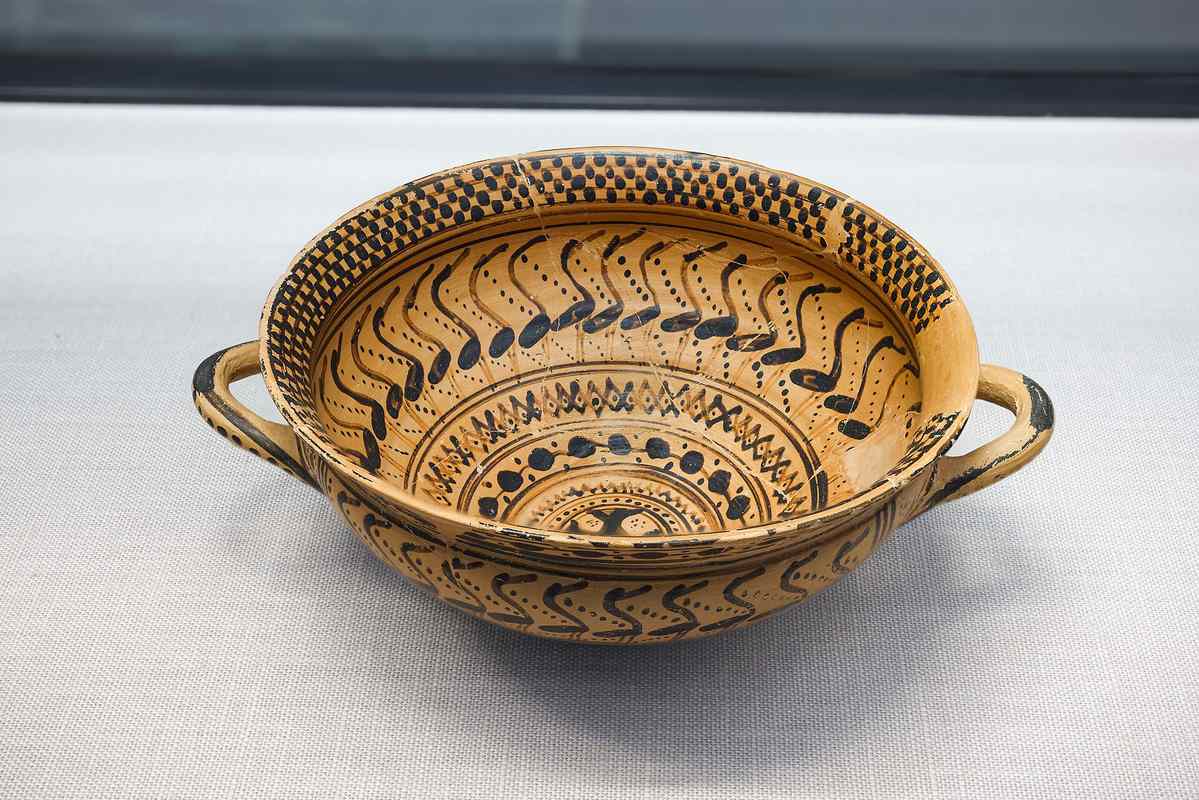
The pottery workshop is the heart of Damalas and the reason the village name is tied to ceramics. A resident potter works clay on the wheel in full view, turning raw earth into bowls, plates, jugs and storage jars. The forms follow shapes that Naxian households used for centuries: wide bowls for kneading, tall jars for oil and grain, and simple cups for daily use. Visitors watch the wheel spin, see pieces trimmed and glazed, and buy finished work directly from the maker. The craft depends on local clay and a knowledge of firing that few island villages still hold. This continuity matters, because mass-produced tableware pushed most traditional potteries to close.
Damalas kept its wheel turning, and that living workshop gives the village a genuine cultural weight beyond its small size.
The workshop welcomes travellers who want to understand how the pieces are made rather than only shop. The potter explains the stages: preparing and wedging the clay, centring it on the wheel, raising the walls, then drying, glazing and firing. Each stage carries its own risk, and a single crack undoes hours of work. Buying a bowl or jug here means carrying home an object tied to a named maker and a named village. The ceramics also connect to the wider table culture of the island, since the same jars once held the olive oil, wine and produce celebrated in Naxos food and wine.
That link between vessel and harvest explains why pottery and farming sit side by side in Damalas rather than as separate stories.
What is the restored olive press and how does farming shape Damalas?
Damalas holds a restored old olive press that shows how villagers once extracted oil from their groves. Farming still defines the village, with olive trees, gardens and small plots worked across the fertile valley floor.
The restored olive press stands as a small monument to the village’s agricultural past. The press preserves the stone basin and heavy mechanism that crushed olives into paste, then squeezed the paste for oil. Families once brought their harvest here each winter and pressed the fruit collectively, a shared task that anchored the farming calendar. Seeing the equipment explains a craft that machinery later replaced in most villages. Olive oil remained the backbone of the local diet and economy for generations. The groves that feed the press still cover the slopes around Damalas, their silver leaves defining the landscape. Restoring the press kept that memory visible rather than letting it fade.
The building lets visitors connect the trees outside with the oil that shaped island cooking, trade and daily survival across the interior of Naxos.
Farming continues to set the pace of life in Damalas today. Villagers tend olive trees, citrus, vegetables and vines on plots fed by the valley’s springs and channels. The fertile land is the reason a village grew here at all, since water and good soil are scarce assets on a Cycladic island. Damalas shares this agricultural character with neighbouring interior settlements such as Damarionas, another green village of the Tragaea. Walk the edges of the village and you pass working gardens, fruit trees and grazing land rather than tourist shops. This is the productive, lived-in Naxos that predates tourism.
The olive press, the groves and the gardens together tell one continuous story about how families fed themselves from the land they still farm.
Why is Damalas described as a green village near Potamia?
Damalas earns its green reputation from the spring-fed Potamia valley around it. Water channels, dense gardens, olive groves and leafy trees fill the basin, creating a lush landscape rare among the dry Cycladic islands.
The green setting is the first thing travellers notice on arrival at Damalas. The village sits in the Potamia valley, one of the best-watered parts of Naxos, where springs feed a network of channels that irrigate gardens year round. The result is a landscape of shade trees, running water and cultivated plots that contrasts sharply with the bare hills elsewhere in the Cyclades. This lushness is not decorative; it is the working basis of the farming economy. The same water that greens the valley also feeds the vegetables, fruit and olives grown here. Walking paths link Damalas with the wider Potamia hamlets, passing streams, watermills and dense vegetation along the way.
The valley is a favourite for gentle hikes precisely because it stays green and cool when the coast turns hot and dry in high summer.
The green valley also frames how Damalas fits the interior region of Naxos. The village belongs to the fertile zone that stretches toward the Tragaea plain and the marble villages beyond. Nearby settlements such as Sangri, with its towers and the ancient Temple of Demeter, sit within easy reach and share the agricultural heritage of the interior. Together these villages form a route through the productive heart of the island rather than its beaches. The abundance of water explains why churches, gardens and old houses cluster so densely in such a small place. Damalas reads as a pocket of green calm, and that setting, more than any single monument, defines the experience of visiting the village.
What is village life like in Damalas today?
Village life in Damalas stays quiet, traditional and rooted in farming. Stone lanes, small churches, gardens and a handful of residents give it an authentic, unhurried character far from the island’s busy coastal resorts.
Daily life in Damalas moves at the pace of the land rather than the tourist season. The village keeps a small permanent population, and residents work the surrounding groves and gardens much as earlier generations did. Stone-paved lanes wind between old houses, small churches and shaded courtyards. Chapels dot the village and the fields around it, marking the deep religious tradition of rural Naxos. There are no crowds, no rows of souvenir shops and no nightlife here. What Damalas offers instead is authenticity: a working village where the pottery wheel, the olive press and the gardens are part of real life, not a staged display.
Travellers who value quiet, culture and craft over beaches find the village deeply rewarding. A visit is best made slowly, on foot, with time to talk to the people who live and work there.
Damalas suits a certain kind of traveller and a certain kind of day. Come in the morning to watch the potter, see the olive press, then walk the lanes and the green paths toward Potamia. Bring water, comfortable shoes and patience for narrow roads. The village works best as one stop on a wider exploration of the fertile interior, combined with Halki, Sangri or the Tragaea villages. Respect that this is a living community: enter gardens only when invited and buy from local makers to support the crafts that keep the village alive. Damalas rewards curiosity and quiet more than any checklist of sights. Plan your visit and tours through our Naxos travel guide.
Frequently Asked Questions
Is Damalas worth visiting on a trip to Naxos?
Damalas is worth visiting for travellers who want the authentic, rural side of Naxos rather than beaches and resorts. The village rewards a short, focused stop rather than a full day on its own. The main draws are the traditional pottery workshop, where a resident potter shapes ceramics on the wheel, and the restored olive press that records the village’s farming past. The green Potamia valley setting adds a lush landscape rare in the Cyclades, with gardens, olive groves and running water. Damalas works best combined with nearby interior villages on one inland loop, since distances between them are small. Visitors who value craft, quiet and traditional culture find the village genuinely memorable.
Those seeking nightlife, shopping or a long beach day will prefer the coast. Damalas earns its place on an itinerary as a cultural and scenic counterpoint to the busier parts of the island.
What can you buy at the Damalas pottery workshop?
The Damalas pottery workshop sells functional and decorative ceramics made on site by the resident potter. Typical pieces include bowls, plates, cups, jugs, small vases and storage jars, all shaped from local clay and finished with glazes. The forms echo traditional Naxian household vessels, so the work carries genuine cultural roots rather than generic tourist styling. Prices vary with the size and complexity of the piece, and buying directly from the maker means the money supports a living craft. Watching the wheel turn before you choose an item adds meaning to the purchase, since you see the skill involved. Smaller items travel home easily in hand luggage, while larger jars need careful packing.
The workshop is the reason many people come to Damalas, so allow time to browse, ask questions about the process and select a piece. A handmade bowl or cup from here is a lasting reminder of the island’s ceramic tradition.
How do you combine Damalas with other villages of Naxos?
Damalas fits neatly into an inland loop through the fertile interior of Naxos, since the interior villages sit close together. Start from Naxos Town and drive the main road toward Chalki, turning into the Potamia valley to reach Damalas first while the light is good and the potter is at work. From there, continue to the three Potamia hamlets along the green walking paths or by car. Halki, the historic centre of the Tragaea, makes a natural next stop with its old shops, the Vallindras distillery and Byzantine churches. Sangri and its Temple of Demeter lie a short drive south, adding an archaeological layer to the day.
Damarionas and the other Tragaea villages round out a fuller loop for those with more time. Keep the pace slow, since narrow roads and scenery reward unhurried travel. One morning easily covers Damalas plus two or three neighbours, making the interior a rich alternative to a beach day.