
Avlakia is a small seaside village on the north coast of Samos, set between Kokkari to the west and Agios Konstantinos to the east. The settlement gathers around a little fishing harbour, a narrow pebble beach and a row of seafront fish tavernas. Homes climb the lower slope of Mount Ampelos behind a single coast road, and wooded ridges rise close behind the tiled rooftops. Its small scale, calm and green backdrop mark it out from the busier resorts elsewhere on the island. Plan the whole trip with Greece Tours.
This guide covers what Avlakia is and where it sits on the north coast, its little harbour and fishing-village character. The pebble beach and swimming, the seafront fish tavernas. The mountain setting below the wooded slopes of Mount Ampelos. It also outlines road access from Vathy and Kokkari and the drive up to the wine villages. The aim is a clear, practical picture of a quiet village that suits travellers who prefer a slow, traditional base over nightlife and crowds.
What is Avlakia, the north-coast village between Kokkari and Agios Konstantinos on Samos?
Avlakia is a small seaside village on the north coast of Samos, set between Kokkari to the west and Agios Konstantinos to the east. It centres on a pebble beach, a little harbour and seafront fish tavernas below Mount Ampelos.
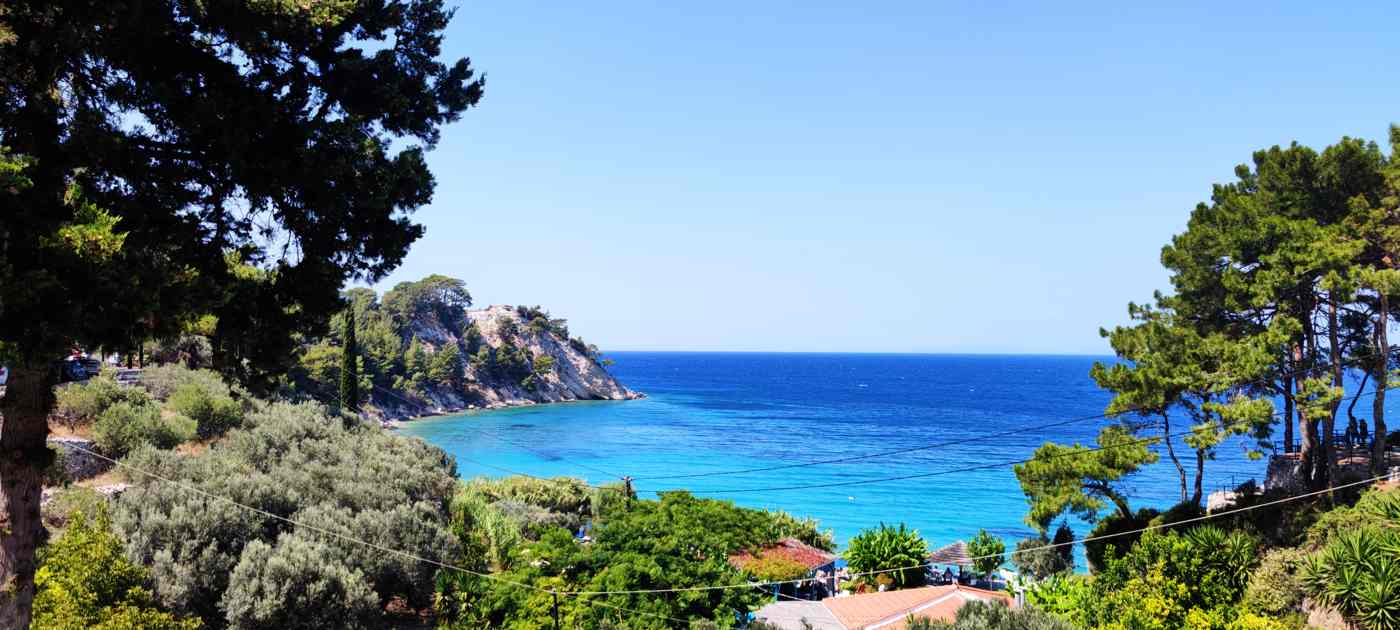
Avlakia lies on the green north coast of Samos, in the eastern Aegean near the Turkish shore. The village strings along a single coast road beside a sheltered pebble bay. Wooded slopes rise close behind the tiled rooftops, and the sea opens to the north across the strait. Homes, rooms and tavernas cluster around a small harbour at the water’s edge. The settlement stays compact, walkable end to end within minutes. Fishing boats and small craft shelter near the shore through the year. This north-coast position gives the village a mild, sheltered feel away from the busier southern resorts.
Avlakia holds a quiet, traditional character, and travellers reach it easily by car or local bus along the coast road that threads the northern villages together.
The village sits between two well-known points on the northern coast road. To the west lies Kokkari, the fishing and windsurf village with its pebble bays and lively seafront. To the east stands Agios Konstantinos, the flowered village on the same green shore. Avlakia falls between them, quieter than Kokkari and smaller in scale. The drive from Kokkari runs about ten minutes east along the coast. Agios Konstantinos lies only minutes further west of the village. This middle position makes Avlakia a calm base between two busier centres. The coastline here curves through a chain of small pebble coves. Wooded ridges frame the water and the settlement below.
Both directions open easy day trips by car, and the road stays close to the sea the whole way.
Road access shapes daily life in Avlakia on the north coast. The coast road links the village to Vathy, the island capital and main ferry port, in about twenty minutes to the east. Heading west, the same road reaches Karlovasi, the second ferry port, within around half an hour. Local buses run along this route through the day between the northern villages. Drivers find parking along the seafront and in the side lanes near the harbour. The Samos airport near Pythagorio lies about an hour away by car. Most visitors arrive by hire car and stop for a meal beside the water. The village works as a natural rest point on the long north-coast drive.
Short distances to both ferry ports keep arrivals and departures simple for travellers touring the whole island.
Avlakia keeps a working-village character alongside its summer visitors. Year-round residents run the tavernas, rooms and small shops near the harbour. The population stays small, and daily life centres on the seafront and the fishing boats. Mornings bring the boats back with the day’s catch to the little port. Cafes fill in the evening as the summer heat eases along the front. The village avoids the crowds and nightlife of the larger island resorts. Its small scale lets visitors settle in within a day of arriving. Neighbours know one another, and the pace stays slow and unhurried. Green slopes from Mount Ampelos reach down toward the pebble shore.
This blend of settled community and quiet coast defines the place, and it suits travellers who prefer calm mornings and long, slow meals over bustle.
What is the little harbour and fishing-village character of Avlakia on Samos like?
Avlakia keeps a small fishing harbour at the centre of the village, where wooden caiques tie up beside the seafront. The little port shapes daily life, supplying the tavernas with fresh catch and giving the village its calm, traditional character.
A small harbour anchors the village of Avlakia on the north coast. Wooden fishing boats and caiques moor along a short stone quay beside the seafront. A low breakwater shelters the moorings from the northern swell and the meltemi wind. The port stays modest in size, built for local fishing rather than large ferries. Nets, ropes and floats lie stacked along the quayside through the working seasons. Fishermen mend their gear and unload crates near the water in the early hours. The harbour sits within steps of the tavernas and cafes along the front. Small pleasure craft and dinghies share the calm water in summer. The scene keeps the unhurried rhythm of a working Aegean village.
This little port forms the visible heart of Avlakia and shapes its daily life around the sea.
Fishing has shaped Avlakia for generations along this stretch of coast. The boats head out before dawn and return with the morning catch. Crews land fish such as sea bream, red mullet, sardines and octopus. Much of the catch passes straight to the seafront tavernas nearby. The rest reaches households and small shops in the northern villages. The harbour’s rhythm follows the weather and the meltemi wind through summer. Calm days let the smaller boats work the coves and the open water. Rough afternoons keep the fleet tied up behind the breakwater. This close link between boat and table defines the village kitchen. Visitors watch the boats unload from the taverna terraces above the quay.
The daily catch anchors both the small economy and the meals of Avlakia through the season.
The harbour front gathers the social life of the village. Cafes and tavernas face the moored boats across the narrow quay. Fishermen and residents meet over coffee in the morning shade. Children watch the boats and cast lines from the stone edge. The water stays clear and calm within the sheltered arm of the port. Evening brings a slow stroll along the quay as the heat fades. Lamplight falls on the boats and the still harbour water after dark. The scale stays small, with room for only a handful of craft. Visitors often linger here longer than the size of the port suggests. The harbour offers a quiet contrast to the open pebble beach beside it.
This working waterfront keeps Avlakia grounded in its long fishing past and frames the classic village view.
The little harbour sets Avlakia apart from the larger island resorts. Its working boats keep the village tied to the sea and the seasons. The port stays free of large marinas, cruise traffic and crowds. This calm, traditional feel draws travellers who seek a real fishing village. The harbour frames the classic north-coast scene of boat, quay and taverna. Photographers find colour in the painted hulls against the blue water. Sunset light warms the boats and the sheltered port together. The scene changes little through the seasons, holding its old character. Fishing families still work the water as they have for generations. The harbour anchors the village identity more than any single sight along the coast.
Avlakia rewards visitors who value this quiet, authentic waterfront over the polished tourist marinas found elsewhere.
What is the pebble beach at Avlakia on Samos like for swimming?
Avlakia has a narrow pebble beach beside the seafront, where the water deepens quickly and stays clear. Swimmers find calm, sheltered conditions on still mornings, with tavernas, shade and the little harbour close behind the shore.
The beach at Avlakia runs along the village seafront beside the harbour. It consists of grey and white pebbles rather than sand. The strip stays narrow, backed by the coast road and the tavernas. Water reaches a good depth within a short distance of the shore. The pebble bed keeps the sea clear and free of sand clouds. Swimmers enter over smooth stones near the waterline. Bathing shoes help on the pebbles for tender feet. The shore faces north across open water toward the Turkish coast. Morning brings the calmest, clearest conditions for a swim. The beach sits only steps from the cafes and the little harbour. Sun loungers appear along parts of the front through the summer.
The setting suits a quiet dip rather than a wide, sandy resort scene along the coast.
Avlakia forms one link in the chain of north-coast pebble bays. It sits among the wider set of Samos beaches that line this green shore. Small coves lie either side of the village along the coast road. Certain bays sit below the road and need a short walk down. Others open beside the tavernas within the village itself. Tsamadou, Lemonakia and Tsabou lie a short drive west toward Kokkari. Each cove keeps clear blue water over a clean pebble bed. Rocky headlands separate one bay from the next along the coast. Walkers reach several small coves within minutes on foot. The clean water rewards those who explore beyond the main strip.
These bays give the village more shore than its small size first suggests.
Swimming at Avlakia favours calm mornings and sheltered days. The north coast catches the meltemi wind on breezy afternoons. On still days the water lies flat and clear to the seabed. Depth increases quickly, suiting confident swimmers well. The pebble bottom means no sudden shelves close to the shore. Families keep younger children near the shallow edge. Fish gather among the stones and draw snorkellers to the coves. Visibility stays high in the clean, sand-free water. Shade from the trees and awnings waits just behind the shore. Swimmers alternate their dips with coffee along the seafront. The sea warms through summer into the early autumn. Rocky coves nearby offer clear water for exploring too.
These conditions make the village beach easy and reliable for bathing right through the season.
Facilities at the beach stay simple and close at hand. Tavernas and cafes line the seafront directly behind the pebbles. Loungers and umbrellas cover parts of the shore in season. Changing happens at the rooms and small hotels nearby. The flat seafront gives easy access to the water’s edge. No large beach bars or watersports crowd the shore here. The calm suits families and older visitors alike. Fresh fish and coffee wait only steps from the sea. Trees and awnings shade parts of the front through midday. Parking sits along the seafront road for drivers. This close mix of beach, harbour and village keeps swimming easy and unhurried. Bathers reach food, shade and shore within a short walk.
The simple setup keeps the shore uncluttered right through the busy summer.
What are the seafront fish tavernas of Avlakia on Samos known for?
Avlakia is known for its seafront fish tavernas, which line the harbour and serve the daily catch landed by local boats. Grilled fish, seafood and Greek village dishes reach the table steps from the water, beside local Samos wine.
Seafront tavernas line the harbour at the heart of Avlakia. Their terraces face the moored fishing boats across the narrow quay. Tables sit close to the water under awnings and shade trees. Menus centre on the fish and seafood landed by the local boats. The kitchens grill the day’s catch simply over charcoal. Village dishes and Greek salads round out the tables. Diners watch the harbour and the sea while they eat. Meals run long and slow into the warm evening. The tavernas double as the social heart of the village. Owners often greet returning guests by name each season. The setting joins fresh food with an open sea view across the bay.
This close link of boat, quay and table defines dining in Avlakia along the north coast.
The fish reaches the tavernas straight from the harbour boats. Crews land the catch in the early hours beside the quay. Cooks choose from sea bream, red mullet, sardines, octopus and squid. The kitchens grill, fry or bake the fish to simple recipes. Olive oil, lemon and herbs dress most of the seafood dishes. Greens, tomatoes and local cheese fill out the village menus. The short path from boat to plate keeps the fish fresh. Prices follow the daily catch and the season, in general terms. Diners find the day’s fish often sold by weight at the table. This freshness marks the difference from the inland tavernas.
The harbour setting lets guests see where their meal began that morning. Fresh seafood defines the reputation of the Avlakia tavernas along the coast.
The tavernas serve far more than fish along the seafront. Grilled meats, vegetables and Greek staples fill the menus too. Slow-cooked dishes and mezedes suit long, shared tables. Local Samos Muscat wine appears on most of the tables here. This sweet wine comes from the vineyards on the slopes above. Coffee, fruit and sweets follow the meal under the lamplight. Breakfast cafes open early along the harbour front. Fresh bread arrives from the village bakery each morning. Children move safely between the tables on the flat quay. Prices stay moderate compared with the larger island resorts. The kitchens draw vegetables and herbs from the green slopes behind.
This range keeps the tavernas busy from morning through to night, and the food anchors the calm social life of Avlakia.
Dining defines the evenings in quiet Avlakia through the season. Visitors linger over dinner as the harbour lights come on. The pace stays slow, matching the calm of the small village. Terraces fill gently as the day’s heat fades along the front. The sound of the sea carries across the still quay. Families and couples share long meals under the shade trees. The tavernas avoid loud music and late-night bars entirely. Their draw lies in fresh fish, open sea views and calm. Returning guests seek out the same terraces each year. The harbour setting turns a simple meal into the day’s high point. This unhurried dining culture suits the traditional village well.
Avlakia rewards travellers who value fresh seafood and a quiet seafront table over resort nightlife and crowds.
How do the wooded slopes of Mount Ampelos shape the setting of Avlakia on Samos?
Avlakia sits directly below Mount Ampelos, the green mountain whose springs feed the village and whose woods shade its slopes. The road climbs from here to the wine villages of Vourliotes and Manolates on the terraced hillsides above.
Mount Ampelos rises steeply behind the village of Avlakia. The mountain reaches over a thousand metres above the north coast. Pine, oak and plane woods cover its lower slopes. Springs from the mountain feed the village gardens and greenery. This water keeps the slopes and the shade alive through the summer. The mountain catches cloud and rain more than the dry south. Terraced vineyards climb the hillside for sweet Samos Muscat grapes. The wooded backdrop frames the village from the sea. Streams run down the ravines toward the pebble shore. The high slopes shelter Avlakia from the southern heat. Green ridges stand close behind the tiled rooftops.
This mountain setting gives the village its lush, watered character, where the blue sea meets the green slope in a single view.
The road climbs from Avlakia into the Ampelos wine villages. Stavrinides sits on the lower slope amid vine and pine. Ambelos village gives the mountain its name higher on the ridge. Vourliotes stands nearby, one of the oldest hill villages of Samos. Manolates perches high on the slope amid thick woodland. The road passes springs, streams and terraced vineyards on the way up. Drivers climb through cool, shaded gullies out of the coastal heat. Tavernas in the hill villages serve visitors with wide mountain views. The vineyards on these slopes grow the grapes for Samos Muscat wine. Views open over the coast and the sea far below.
The short drive links the pebble shore to the green heights above. This mountain road forms one of the main draws of the village.
The mountain shapes the weather along this stretch of coast. Cloud gathers on Ampelos and cools the evenings below. Rain falls more here than on the southern plains. The extra water explains the village’s deep greenery. Streams flow through the gullies even in the dry months. Vineyards and gardens climb the terraced lower slopes. Bees work the mountain flowers for local Samos honey. The woods hold pine, chestnut and plane along the streams. Birdsong fills the ravines above the quiet village. The green backdrop stays vivid through the summer heat. Cool nights follow the warm days beside the water. Walkers and cyclists use the shaded mountain roads above the coast.
This watered landscape sets the north coast apart from the drier south of the island.
The setting below Ampelos suits active, nature-focused visits. Mornings begin with a swim off the pebble shore. Afternoons climb into the shaded woods and the wine villages. The village sits at the meeting of coast and mountain. Trails, vineyards, beaches and tavernas all lie within easy reach. Cyclists ride the quiet coast and mountain roads. Walkers explore the ravines, springs and old paths above. Wine lovers visit the vineyards on the terraced slopes. The green surroundings cool the summer heat noticeably. Families combine gentle beach days with short mountain drives. The scenery stays lush where the south turns dry and bare. Photographers find colour from the harbour to the summit above.
This blend of sea, harbour and forest defines Avlakia and rewards travellers who value calm, green landscapes over crowds.
How does the road climb from Avlakia to the wine villages of Mount Ampelos?
The road from Avlakia switchbacks up the wooded slopes of Mount Ampelos to four wine villages. It reaches Stavrinides, Ambelos, Vourliotes and Manolates through pine and terraced Muscat vineyards in about twenty-five minutes.
The mountain road leaves the Avlakia seafront and rises immediately through olive groves and pine toward the interior of Mount Ampelos. Stavrinides is the first wine village on the climb, a tiny cluster of stone houses on a shelf above the coast, ringed by terraced vineyards. The tarmac is narrow, with tight hairpin bends and steep drops, so drivers keep a low gear and watch for oncoming cars. Views open back over Avlakia, its harbour and the blue north coast as the road gains height. The verges fill with wildflowers in spring and cyclamen in autumn, and the air cools noticeably above the shore.
Most visitors drive this stretch, though walkers follow older marked footpaths that shortcut the loops between the coast and the villages above.
Ambelos, which shares its name with the mountain, sits higher on the slope amid dense Muscat terraces that supply the island cooperative. Vourliotes lies a short drive west, one of the oldest villages on Samos, its coloured houses gathered around a shaded central square lined with tavernas. Both villages pour the local sweet and dry Muscat that the surrounding vineyards produce, and small family cellars welcome tasters. Above Vourliotes the forest monastery of Panagia Vronda stands among plane trees, reached by a short walk or a rough side road. The square at Vourliotes shelters under old trees, and the narrow lanes stay closed to cars, so visitors park at the edge.
Each village keeps a cool, green feel far removed from the heat of the coast below.
Manolates crowns the route as the highest and best-known of the four wine villages, perched on the north slopes of Ampelos above Avlakia and Kokkari. Flowered lanes closed to traffic wind between stone houses, and workshops of ceramics and crafts open along the way. Marked footpaths link Manolates with Vourliotes through pine and chestnut woods, part of the island walking network, and nightingales are noted in the wooded ravines nearby. The village stays cool through summer and gives long views over the terraced vineyards to the sea. Tavernas here serve slow-cooked meat and local wine on terraces above the valley.
Drivers reach Manolates on the same climbing road, roughly twenty-five minutes from the Avlakia seafront, with parking on the village edge. A short loop combines two or three villages in a single half-day trip.
The climb rewards drivers and walkers with a changing landscape of vineyard, forest and open ridge within about five kilometres. A rented car or scooter handles the road best, since the KTEL bus serves the coast rather than the high villages. Walkers set out early to beat the midday heat, carrying water and wearing firm shoes for the stone paths. The terraced Muscat vineyards on these slopes feed the sweet PDO Samos wine, and harvest colours the hillsides in late summer. Most visitors base at Avlakia or Kokkari and drive up for a long lunch and a tasting before returning to the coast for a swim.
The loop of Stavrinides, Ambelos, Vourliotes and Manolates makes a natural half-day from the village, easily paired with a beach afternoon below.
What pebble coves lie on either side of Avlakia along the Samos north coast?
Pebble coves flank Avlakia on both sides of the north coast. West toward Kokkari lie Tsabou, Lemonakia and Tsamadou; east toward Agios Konstantinos and Karlovasi run quieter shingle bays below the coast road.
West of Avlakia the coast road passes three of the island’s best-known pebble coves within a short drive. Tsabou is the nearest and quietest, a small pebble cove backed by green hills with a seasonal canteen. Lemonakia follows, a curved horseshoe of pale pebbles and clear turquoise water set below the road. Tsamadou lies just beyond, a pine-backed cove with deep water, sunbeds on part of the sand and a long clothing-optional reputation at its far end. All three sit near the fishing village of Kokkari and its windsurf scene. Steep tracks and small car parks lead down from the road to each cove.
The meltemi that funnels along this exposed coast can push afternoon waves onto the pebbles, so mornings often bring the calmest swimming here.
East of Avlakia the road runs on toward Agios Konstantinos, a green village known for its flower-lined seafront and plane trees. Its pebble beach and the quieter shingle bays between the two villages give calm swimming away from the busier Kokkari coves. The slopes of Mount Ampelos rise directly behind this stretch, and walking trails climb from the shore to the wine villages above. Small tavernas and rooms line the seafronts, keeping a family, low-key feel. Beyond Agios Konstantinos the coast continues to Karlovasi, the northwest town and second ferry port. These eastern coves see fewer visitors than the famous western trio, so they suit swimmers who want space.
A car or scooter reaches them easily on the main north-coast road. Each bay is a short signed turn off the coast road.
The north-coast beaches share pale grey pebbles, clear deep water and a backing of pine and green hillside rather than wide sand. Water shoes help on the stones, and the quick drop into depth makes the coves good for snorkelling over rock and seagrass. Avlakia’s own pebble beach fits this pattern, a calm strip in front of the fish tavernas that suits a swim between drives up the mountain. Shade thins at midday on most coves, so an umbrella or an early start helps. The clear water draws snorkellers to the rocky headlands between the bays, where bream and octopus shelter.
None of these beaches has a big resort behind it; each keeps sunbeds, a canteen or a taverna and little more along this quiet stretch of Samos.
Choosing between the coves comes down to wind, crowds and mood on the day. West toward Kokkari the beaches are livelier and better organised, with more sunbeds and tavernas. East toward Agios Konstantinos and around Avlakia the bays are quieter and plainer. On windy meltemi days the exposed north coast gathers chop, and swimmers cross the island to the sheltered south or southwest for calm water. Mornings usually stay calmest before the wind builds after noon. A short drive links every cove, so a base at Avlakia puts the whole north coast within reach in minutes. Families favour the calmer, organised bays with shallow entries, while snorkellers and quiet-seekers head for the smaller coves.
The pebbles keep the water exceptionally clear along this entire green shore.
How do you reach Avlakia from Vathy and Kokkari on Samos?
Avlakia sits on the main north-coast road about fifteen kilometres west of Vathy and roughly five kilometres east of Kokkari. Drivers, the KTEL bus and taxis all reach it along this coastal route in under half an hour.
The drive from Vathy follows the north-coast road west, the island’s main artery, hugging the shore past Kokkari before reaching Avlakia. The route runs about fifteen kilometres and takes around twenty to twenty-five minutes in normal traffic. It passes the deep bay of the capital, climbs over a low headland and drops to the string of north-coast villages and coves. The road is paved and well signed but winding in places, so drivers allow for slow stretches behind buses and farm vehicles. From Vathy this is also the way to Karlovasi, the airport road branching off south near the capital.
Most visitors arriving by ferry at Vathy pick up a car or catch the bus straight along this coast to reach Avlakia and the north-coast beaches.
Kokkari lies just east of Avlakia, the nearest resort and a five-minute drive along the same coast road. This short hop makes Avlakia an easy quiet base for anyone who wants Kokkari’s tavernas, windsurf scene and beaches without its summer crowds. Walkers and cyclists cover the stretch too, following the shore between the two villages. Kokkari holds more shops, car-hire offices and bus stops than tiny Avlakia, so visitors often run errands there. The pebble coves of Tsamadou, Lemonakia and Tsabou sit between Kokkari and Avlakia, strung along minutes of the coast road. From Kokkari the mountain road to Manolates and Vourliotes climbs the slopes shared with Avlakia.
The two villages effectively share one stretch of coast, one bus line and one set of beaches on the green north.
The KTEL bus links Avlakia to Vathy and Karlovasi along the north-coast line, stopping at Kokkari and the villages between. Buses run times a day in summer and less often in the shoulder season and on Sundays, so travellers check the return times before setting out. The fare is low, but the timetable suits set day trips rather than beach-hopping between coves. From Vathy the same line reaches Kokkari, Avlakia and Agios Konstantinos before continuing to Karlovasi in the northwest. Buses stop on the main road at the edge of the village, a short walk from the seafront.
Visitors without a car use the bus to reach Avlakia, then walk to the nearby coves or arrange a taxi for the mountain villages that buses do not serve.
Travellers flying in land at Samos Airport near Pythagorio on the southeast coast, about forty kilometres from Avlakia by road. The drive crosses the island from the southeast to the north coast in roughly forty-five minutes to an hour, usually by hire car or pre-booked transfer. Ferry arrivals dock at Vathy in the northeast or Karlovasi in the northwest, both on the same north-coast road as Avlakia. From Vathy the village is about twenty minutes west; from Karlovasi it lies a similar distance east. A rented car collected at the airport or port gives the most direct route and the freedom to reach the coves and wine villages.
Taxis meet flights and ferries for door-to-door trips when visitors prefer not to drive the winding coast road themselves.


What is it like to stay in Avlakia on Samos?
Staying in Avlakia means small rooms and family-run studios near a quiet pebble beach and seafront tavernas, with no large hotels or resort strip. The village suits travellers who want calm nights and quick access to the north coast.
Accommodation in Avlakia runs to small studios, apartments and rooms rather than big hotels, most family-run and set close to the seafront. Buildings are low and traditional, tucked among gardens and olive trees behind the pebble beach. Rates tend to sit below the busier resorts, and the small scale means a quiet, personal stay. The village has limited stock, so rooms fill in high summer and booking ahead matters. Self-catering studios with kitchenettes suit longer stays and families who cook after beach days. Most places lie within a short walk of the tavernas, the harbour and the shore, so a car is not needed to move around the village itself.
The setting stays calm at night, with the sound of the sea rather than bars and clubs.
A stay in Avlakia works as a quiet coastal base within easy reach of the island’s north-coast highlights. Kokkari and its beaches sit five minutes east, and the wine villages of Ampelos climb the road behind. The pebble coves of Tsamadou, Lemonakia and Tsabou lie a short drive west for daily swims. Vathy, the capital, is around twenty minutes away for ferries, the archaeological museum and the giant Kouros. A car parked in the village opens the whole north coast, the mountain villages and, with a longer drive, the south. Travellers who want a calm bed and a fish dinner by the sea, with beaches and mountains close by, choose Avlakia over the louder resorts.
The village trades nightlife and choice of hotels for peace and a central north-coast position.
Daily life in Avlakia centres on the seafront, where fish tavernas grill the day’s catch beside the little harbour. A minimarket or two, a bakery and a café cover basic needs, though a full supermarket means a short drive to Kokkari. Mornings bring a swim off the pebbles; afternoons suit a drive up to a wine village; evenings settle into a long dinner by the water. The pace is slow, and the village empties of day visitors by nightfall, leaving the sea and the tavernas. Guests staying longer fall into the rhythm of beach, mountain and taverna without needing to move far.
Bread, fruit and local wine come from the village shops, and the tavernas pour the Muscat made on the slopes above. The stay stays simple and unhurried.
A base at Avlakia works best for visitors happy with a car and a quiet routine rather than a full resort. Travellers wanting nightlife, big hotels, a wide choice of restaurants and shops look to Kokkari, Pythagorio or Vathy instead. Families and couples who value calm and clear water find the village an easy fit, especially for a week of swimming and drives. The limited room stock and small scale mean early booking in July and August, when the north coast fills. A hire car pays off here, since the bus alone leaves the mountain villages and quieter coves hard to reach. Avlakia rewards those who plan a slow, self-catering coastal holiday over a busy resort stay.
The village stays open through the warm season and winds down as autumn arrives on Samos.
Who does the quiet village of Avlakia suit, and when is the best time to visit?
Avlakia suits couples, families and walkers who want a calm north-coast base with beaches and wine villages close by. June, September and early October bring warm sea, open tavernas and the thinnest crowds.
Avlakia suits travellers who put calm, swimming and scenery above nightlife and a big resort scene. Couples find quiet dinners by the harbour and easy trips to the wine villages for tastings. Families value the shallow pebble shore, the safe village lanes and the short drives to organised beaches nearby. Walkers use the village as a trailhead for the footpaths climbing to Manolates and Vourliotes through the forest. Older visitors and those returning to Samos often choose Avlakia for its slow pace and central north-coast position. It fits self-catering stays, longer holidays and anyone happy to drive for variety. Travellers set on clubs, crowds and a wide hotel choice are better placed in Kokkari or Pythagorio.
The village rewards a quiet, unhurried style of island holiday on the green north coast.
July and August are the hottest and busiest months on Samos, when the north-coast villages fill and rooms in tiny Avlakia sell out early. The meltemi wind funnels along this coast through high summer, cooling the beaches and feeding the Kokkari windsurf scene while whipping up afternoon waves on the pebbles. Sea temperatures peak, tavernas run at full swing and every cove draws crowds by midday. Visitors in these months book ahead, swim in the calmer mornings and cross to the sheltered south on the windiest days. The heat sits high, so the cool wine villages above make welcome midday escapes.
Peak season brings the liveliest atmosphere and the fullest facilities, at the cost of crowds and higher prices. Avlakia stays quieter than the resorts even at the height of summer.
June and September bring warm sea, open facilities and thinner crowds, the sweet spot for a stay in Avlakia. The water holds summer heat into September, and the wine harvest colours the Ampelos slopes in late summer to early autumn. Days stay warm and long, but the beaches and tavernas feel calmer than in peak July and August. Rooms are easier to find and prices ease from the high-season peak. These months suit swimming, drives to the wine villages and walks in comfortable heat. Early October often keeps warm enough for the sea while quietening the coast further. Couples and older travellers favour this shoulder window for its balance of warmth and space.
The Muscat grape harvest around this time adds a working buzz to the villages above Avlakia.
May and October suit walkers, with cooler air for the footpaths to Manolates and Vourliotes and green, wildflower-covered slopes. The sea runs cooler in these shoulder weeks, and tavernas and rooms keep shorter hours as the season winds down. Spring turns the mountain and coast their greenest, ideal for the wine-village trails and quiet beach days. Winter is mild, green and rainy, with the village given over to local life and reduced buses and ferries. Travellers seeking walking, birdlife and empty beaches favour these edges of the season over high summer. The Ampelos slopes above Avlakia stay walkable much of the year, though winter storms close the highest paths.
Matching the month to the plan matters: swimming peaks in summer, while walking and calm suit spring and autumn on this coast.
Frequently Asked Questions
Is Avlakia worth staying on Samos?
Avlakia rewards travellers who want a quiet, traditional north-coast base rather than a busy resort. The village puts a pebble beach, seafront fish tavernas and a small harbour at your door. With the Kokkari beaches five minutes east and the Ampelos wine villages up the road behind. Vathy and its archaeological museum lie about twenty minutes away, and the famous coves of Tsamadou and Lemonakia sit a short drive west. Accommodation is limited to small studios and rooms, so the stay feels personal and calm, with the sound of the sea at night. A hire car makes the base work, since it opens the mountain villages and quieter beaches the bus does not reach.
Visitors set on nightlife, big hotels and crowds look elsewhere, but those after peace, clear water and easy day trips find Avlakia a strong choice. It fits couples, families and walkers who value a slow island holiday. The village stays open through the warm season from late spring to autumn.
Is Avlakia good for a family holiday with kids?
Avlakia suits families who want a calm beach base with shallow, clear water and safe village lanes. The pebble beach in front of the tavernas gives easy swimming, and the organised coves of Lemonakia and Tsamadou lie a short drive west for sunbeds and canteens. The village is small and quiet, so children move safely between the shore, the harbour and the rooms. Self-catering studios with kitchenettes suit families who cook after beach days, and the seafront tavernas welcome children with simple grilled fish and pasta. Day trips fill easily: the Potami waterfalls, the giant Kouros in the Vathy museum, a boat trip along the coast and the cool wine villages above.
Distances on Samos are longer than on small islands, so a hire car helps families reach beaches and sights. Pebble beaches mean water shoes for little feet, and the meltemi can bring afternoon waves, so mornings usually give the calmest swimming for young children.
Can you walk from Avlakia to the wine villages?
Walkers reach the Ampelos wine villages from Avlakia on marked footpaths and the mountain road that climb the wooded slopes behind the village. Older trails shortcut the road’s hairpins, linking the coast with Stavrinides, Ambelos, Vourliotes and Manolates through pine, chestnut and terraced Muscat vineyards. The climb is steep and takes longer on foot than by car, so walkers set out early, carry water and wear firm shoes for the stone paths. A network of signed paths connects the villages to each other, letting hikers loop Vourliotes and Manolates through the forest before descending. The reward is cool mountain air, long views over the coast and tastings of the local sweet and dry Muscat at village tavernas.
Drivers cover the same ground in about twenty-five minutes, then park at the village edges and walk the car-free lanes. Most visitors combine a drive up with a short walk between two villages, then a swim back at the coast.
What are the nearest beaches to Avlakia?
Avlakia’s own pebble beach sits right in front of the village tavernas, a calm strip for an easy swim off the north coast. West toward Kokkari lie three of the island’s best-known coves within a short drive: Tsabou, the nearest and quietest. Lemonakia. A curved horseshoe of pale pebbles and turquoise water. And Tsamadou, a pine-backed cove with deep water and a clothing-optional far end. East toward Agios Konstantinos and Karlovasi run quieter shingle bays below the coast road. All share pale pebbles, clear deep water and a backing of pine rather than wide sand, so water shoes help and snorkelling is good over the rock.
The exposed north coast catches the meltemi, so afternoon waves can build and mornings stay calmest. A car or scooter reaches every cove in minutes, and on windy days swimmers cross to the sheltered south of the island for flat water and sand. Families favour the calmer organised coves with sunbeds and canteens.
Where can you eat fresh fish on the Avlakia seafront?
Fish tavernas line the Avlakia seafront beside the little harbour, grilling the day’s catch steps from the water. The village keeps a small cluster of family-run tavernas rather than a long resort strip, so the feel stays traditional and quiet. Tables sit close to the pebble shore, and boats in the harbour supply the fresh fish, octopus and seafood on the menu. Meals lean on grilled fish, fried calamari, Greek salad, local greens and mezedes, paired with the sweet and dry Muscat made on the slopes above. Prices for fish follow the daily catch and the weight chosen at the table, as across Greek fishing villages.
Evenings run long and calm here, with the sound of the sea replacing bars and music. Visitors staying nearby often eat on the seafront each night, while day trippers stop after a swim. For a wider choice, the harbour tavernas of Kokkari sit five minutes east along the coast road.
How do you get to Avlakia on Samos?
Avlakia sits on the main north-coast road, reached by car, bus or taxi from the island’s ports and airport. From Vathy, the capital and main ferry port, the drive west runs about fifteen kilometres and takes around twenty minutes, passing Kokkari on the way. Kokkari itself lies five minutes east, so the two villages share one stretch of coast. Samos Airport near Pythagorio sits on the southeast coast, roughly forty kilometres away, a drive of about forty-five minutes to an hour across the island. The second ferry port, Karlovasi in the northwest, lies a similar distance west along the same coast road.
The KTEL bus links Avlakia to Vathy, Kokkari and Karlovasi times a day in summer, stopping on the main road at the village edge. A hire car or scooter gives visitors the most freedom, since buses run to a set timetable and do not serve the mountain villages or remote coves nearby.
Is Avlakia quiet or busy in summer?
Avlakia stays quiet even in high summer, keeping a calm, traditional feel while the bigger resorts fill. The village has a small cluster of tavernas, a pebble beach and limited rooms, so it never gathers the crowds of Kokkari or Pythagorio. July and August bring the most visitors, warmest sea and fullest tavernas, and the tiny room stock sells out early, so booking ahead matters. Day trippers pass through for a swim and a fish lunch, then move on, leaving the evenings calm. The meltemi wind funnels along this exposed north coast through high summer, cooling the beaches and stirring afternoon waves on the pebbles.
June, September and early October bring warm sea with thinner crowds and easier rooms, the calmest window for a stay. Even at the peak, Avlakia trades nightlife and bustle for peace, clear water and the sound of the sea, making it a base for quiet holidays. The green mountain setting behind the village adds to its restful, unhurried mood.