
The Trojan War is the great legendary conflict of Greek myth, a ten-year siege of the city of Troy in Asia Minor by a coalition of Greek kingdoms. Homer’s epic poem the Iliad places Agamemnon, king of Mycenae, at the head of that Greek host, making his citadel the leading power of the heroic age. The story turns on Paris of Troy carrying off Helen, wife of Menelaus of Sparta and sister-in-law to Agamemnon. Heroes such as Achilles, Odysseus, Hector and Ajax crowd the tale, which ends with the wooden horse and the sack of Troy. Trace this legend at its royal source with My Greece Tours.
Scholars still debate whether a real war lies behind the legend, though Troy and the Mycenaean kingdoms were genuine Bronze Age powers. The tale shaped Greek identity, art and drama for centuries, and Mycenae stands at its heart as the seat of the war’s commander. The sections below cover the outline of the myth, Agamemnon’s role, the historical question, the war’s long cultural afterlife, and how the story ties to the ruins you can walk today. For the wider picture, our Mycenae travel guide sets this legend against the stones that inspired it.
What was the Trojan War in Greek myth?
The Trojan War was the legendary ten-year siege of Troy in Asia Minor by a coalition of Greek kingdoms. Greek myth casts it as the defining heroic conflict, ending with the wooden horse and the fall of the city.
The Trojan War stands as the central legendary conflict of the Greek imagination, a ten-year campaign in which a coalition of Greek kingdoms crossed the sea to besiege the city of Troy in Asia Minor. The myth says the war began when Paris of Troy carried off Helen, wife of Menelaus of Sparta, an insult that pulled the whole Greek world into arms. Kings and princes from across the mainland and islands answered the call, and their fleet sailed east for a siege that would grind on across ten long years. The tale gathered heroes, gods and tragedy into one vast story, and it became the shared inheritance of every later Greek.
The conflict gave Greek culture its foundational war, a measure against which all later struggle was judged.
The story reaches its climax with the trick of the wooden horse, a hollow figure left as a false offering that hid Greek warriors within its frame. The Trojans drew it inside their own walls, and by night the hidden men opened the gates to their waiting army, and Troy fell to fire and sword. Figures such as Achilles, Odysseus, Hector and Ajax fill the narrative, each carrying a fate that later poets and playwrights would return to again and again. The Iliad itself covers only a short stretch near the war’s end, yet the wider legend spans the whole ten years and its bitter aftermath.
This vast cast and long arc made the war a treasury of story, one that shaped Greek identity, art and drama for centuries to come.
What role did Agamemnon of Mycenae play in the war?
Homer’s Iliad makes Agamemnon, king of Mycenae, the commander of the entire Greek host at Troy. His leadership of the coalition marks Mycenae as the leading power of the heroic age and places the citadel at the story’s centre.
Homer’s Iliad gives Agamemnon, king of Mycenae, the supreme command of the Greek expedition against Troy. His brother Menelaus of Sparta had lost Helen to Paris, and Agamemnon led the coalition that sailed to win her back and punish the city. That role of overlord marks Mycenae as the leading power of the heroic age, the throne from which the whole Greek war effort was directed. The poem shows him as a proud and forceful figure, quarrelling with Achilles over honour and spoils, a dispute that drives much of the Iliad’s tragedy. The choice of Mycenae as the seat of the war’s commander is no accident of the story.
It reflects a memory of the citadel as the foremost power of its distant age, the natural head of a gathered Greek host. The gathering of that fleet cost Agamemnon his daughter Iphigenia, sacrificed for a fair wind.
The link between Agamemnon and Mycenae runs through the darkest strands of Greek tragedy as well as through the war itself. His line, the House of Atreus, carried an inherited curse that later playwrights drew on for their most powerful and enduring drama. On his return from Troy the victorious king met death within his own royal palace, a homecoming turned to murder that closed the heroic story on a note of doom. This royal weight is why Mycenae, above every other citadel, became the fixed anchor of the Trojan legend.
The commander’s seat and the site of his fall gave the myth a physical home, a hill of stone that generations of Greeks could point to as the source from which the great war was led.
Was there a real war behind the legend of Troy?
Scholars genuinely debate whether a real war lies behind the legend. Troy and the Mycenaean kingdoms were real Bronze Age powers, yet the myth mixes history with poetry, so it counts as legend rather than plain record.
The question of history behind the Trojan legend is one that honest scholarship leaves open. Troy was a real city in Asia Minor, and the Mycenaean kingdoms of the Greek mainland were genuine Bronze Age powers, so the setting rests on solid ground. That much lends the story a backbone of possibility. The myth as Homer tells it, though, weaves gods, curses and heroic feats through the account, and it reached its written form long after the age it describes. Nobody can show for certain that a single great war, or perhaps a series of clashes, lies behind the poetry.
The careful view holds the two apart: a real world of Bronze Age citadels on one side, and on the other a legend shaped by centuries of retelling before it was ever written down.
The Mycenaean civilization gives the debate its firm historical anchor. This was a real network of powerful citadels across the Greek world, rich, warlike and organised, exactly the kind of society that could have mounted a distant campaign. The gap lies between knowing such powers existed and proving that the specific war of Helen, Paris and the wooden horse ever took place. Poets recited and reshaped the tale across generations, and the version Homer fixed carries the marks of that long oral life. The result is a story that honours a genuine past without being a plain record of it.
Travellers who walk the ruins meet this tension directly, standing on real Bronze Age stone while holding a legend whose truth remains, by any fair account, uncertain.
How did the Trojan War shape Greek culture?
The Trojan War became the foundation of Greek storytelling, feeding poetry, art and drama for centuries. Its heroes and their fates gave writers and artists a shared language of myth that helped define Greek identity across the ancient world.
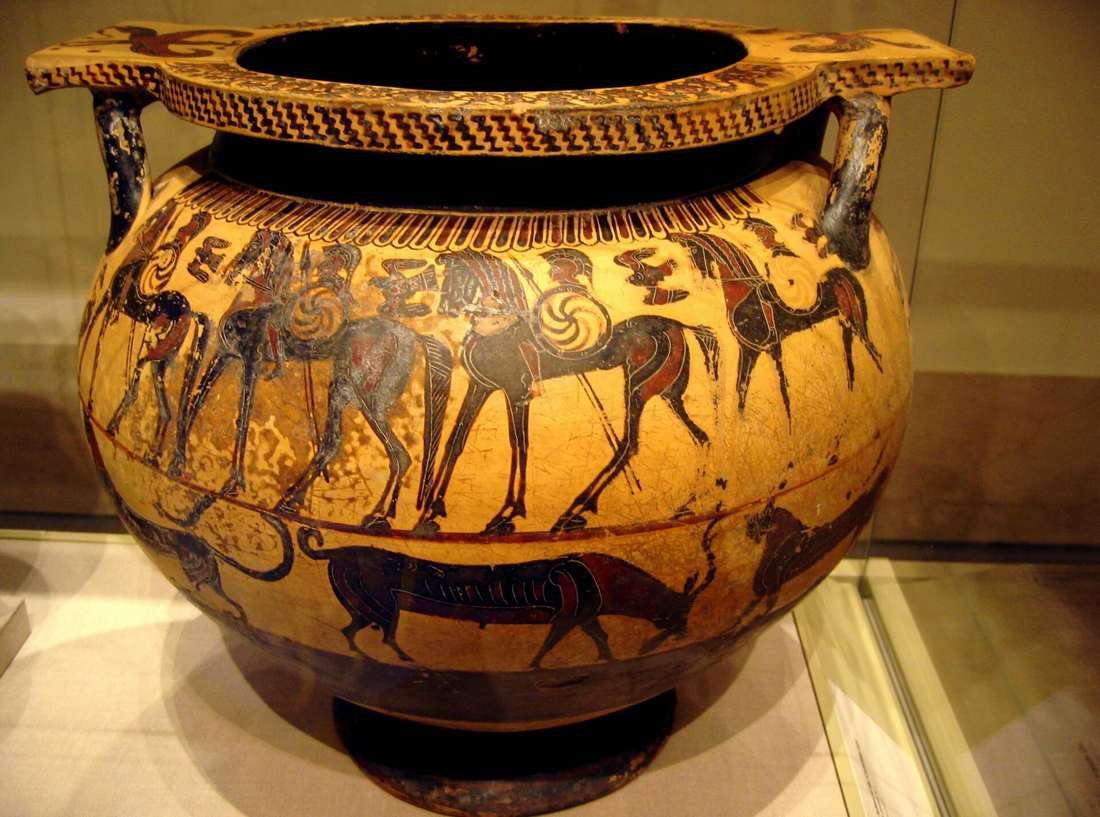
The legend of the Trojan War worked its way into nearly every corner of Greek cultural life. Homer’s Iliad and Odyssey stood at the head of the tradition, learned and quoted across the Greek world, but the story spread far beyond those poems. Vase painters filled their surfaces with scenes from the siege, sculptors carved its heroes, and later poets spun out episodes the epics only touched. The war supplied a common stock of characters and events that any Greek would recognise at once, a shared inheritance binding scattered cities together.
This deep saturation of art and story is what turned a distant legend into a living part of Greek identity, a set of tales that every generation grew up knowing and retelling in its own voice.
Greek drama drew its most searching and ambitious work from the Trojan cycle and the doomed royal families it produced. The fate of Agamemnon, his murder on returning home and the vengeance that followed, gave the great tragedians their material of enormous power, performed before large civic audiences. Heroes such as Achilles and Odysseus became models of courage, cunning and mortal limit, figures against whom people measured their own conduct. The tale offered lessons on pride, honour, loss and the reach of fate, carried down through school and stage alike.
The story shaped Greek identity, art and drama for centuries, and its influence outlasted the ancient world entirely, passing into the wider inheritance of European literature that still returns to Troy for its images and themes.
How does the Trojan legend connect to the ruins of Mycenae?
The ruins of Mycenae give the legend a physical home, since Homer names it as Agamemnon’s seat. Walking the citadel gate and the great tholos tomb, visitors stand where Greek myth placed the commander of the whole Trojan war.
The stones of Mycenae turn the Trojan legend from words into a place you can walk. Homer names the citadel as the seat of Agamemnon, so its ruins carry the whole weight of the story in a way no page can match. Entering through the famous Lion Gate, with its carved beasts above the lintel, a visitor passes beneath the same threshold the myth assigns to the war’s commander. Beyond lie the palace foundations, the grave circles and the thick defensive walls that marked this out as a true Bronze Age power.
The site does not prove the war, yet it gives the legend a fixed address, a hill of real stone where the story of Helen, Paris and the ten-year siege finds its royal source.
Below the citadel stands the Treasury of Atreus, a vast beehive tomb whose towering stone dome still astonishes those who step inside. Long linked in name to the cursed royal house of the legend, it shows the wealth and ambition of the people who raised Mycenae to greatness. The tension a visitor feels here is the heart of the experience: genuine Bronze Age engineering on one hand, the shadow of a debated myth on the other. Travellers often pair the site with a wider Greek itinerary, moving between Mycenae and the classical monuments of Athens to trace the long arc of Greek civilisation.
Standing among the ruins, the Trojan War stops being distant poetry and becomes a story rooted in a landscape you can see and touch.
Frequently Asked Questions
Who were the main heroes of the Trojan War?
The Trojan War gathered a remarkable cast of heroes on both sides of the walls. On the Greek side stood Agamemnon of Mycenae as overall commander, joined by his brother Menelaus of Sparta, whose wife Helen the war was fought to recover. Achilles ranks as the greatest warrior of the Greek host, his rage and grief driving much of Homer’s Iliad, while Odysseus supplied the cunning that devised the wooden horse. Ajax stood among the strongest of the Greek champions in battle. On the Trojan side, Hector served as the city’s foremost defender and noblest fighter, and Paris, whose flight with Helen began the whole conflict, fought beside him.
These figures became the shared reference points of Greek storytelling, each carrying a distinct fate that poets and playwrights returned to for centuries. Their deeds, quarrels and deaths gave the legend its human weight, and their names still stand as bywords for courage, cunning, pride and loss in the wider tradition of European literature.
Why is Mycenae so central to the Trojan War story?
Mycenae holds the centre of the Trojan legend because Homer’s Iliad makes its king, Agamemnon, the commander of the entire Greek host. That single choice places the citadel at the head of the heroic age and turns it into the throne from which the war was directed. The story treats Mycenae as the foremost power among the Greek kingdoms, the natural leader of a coalition drawn from across the mainland and islands. Agamemnon’s fate deepens the link further: his murder on returning home from Troy, and the curse on his royal line, gave Greek tragedy its most powerful and lasting drama, all rooted here at this one royal site.
The ruins reinforce that centrality, since visitors can still walk the citadel and its great tombs, standing where the myth placed the war’s commander. This mix of literary role, royal tragedy and surviving stone is why Mycenae, above every other citadel of the age, became the fixed anchor of the Trojan War in the Greek imagination.
Is the story of the wooden horse true?
The wooden horse forms the famous climax of the Trojan legend, the trick by which the Greeks finally took Troy after ten years of siege. In the myth the Greeks built a hollow horse, hid warriors inside it, and left it as a false offering before pretending to sail away. The Trojans drew it within their own walls, and by night the hidden men slipped out and opened the gates to the returning army, so the city fell. Nobody can show that this episode reflects any real event, and the same honest uncertainty that surrounds the whole war applies to the horse in particular.
Troy and the Mycenaean kingdoms were real Bronze Age powers, but the horse belongs firmly to the world of poetry and symbol rather than proven history. Scholars treat it as a legendary motif, a memorable image of cunning triumphing over strength. The tale endured because it captures a lasting truth about deception in war, even where its literal history stays beyond reach.