
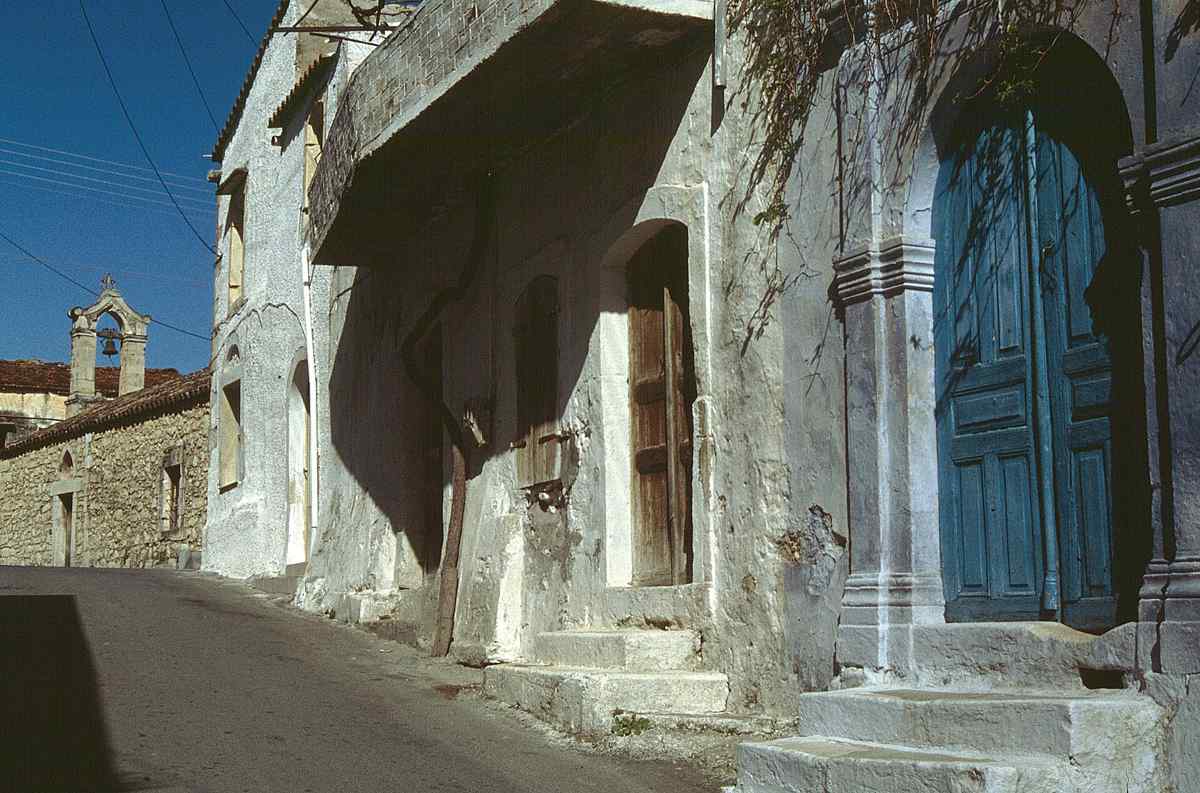
Margarites sits on a hillside in the Rethymno region of central Crete, a small village where the ancient craft of pottery still shapes daily life. Family workshops line the narrow lanes, their wheels turning out tall storage jars and decorative ceramics using techniques passed down through generations. Stone houses climb the slope between flower-filled alleys, and cafe terraces open onto views of surrounding olive groves and valleys. The village offers a glimpse of traditional island life away from coastal resorts, combining craft heritage with quiet mountain charm. Visitors come to watch potters at work, explore historic churches, and enjoy the slower pace of inland Crete with My Greece Tours.
The village sits close to the archaeological site of ancient Eleutherna and the historic Arkadi Monastery, making it an ideal stop on a day trip from the coast. Margarites maintains its working character, with local families continuing to produce the pitharia that Crete has crafted since antiquity. The sections below cover the pottery tradition, village atmosphere, nearby attractions, and practical details for planning your visit. For broader context on the island’s culture and destinations, consult our comprehensive Crete travel guide.
What makes Margarites one of Crete’s finest pottery villages?
Margarites has been a pottery centre for centuries, with family workshops still throwing clay on traditional wheels. Artisans produce tall pitharia storage jars, bowls, cups and decorative pieces using local clay and time-honoured firing methods passed through generations.
The pottery workshops of Margarites occupy stone buildings along the village lanes, their open doors inviting visitors to watch craftsmen shape wet clay into functional and decorative forms. Families have worked these studios for generations, teaching children the techniques their grandparents used. The tall pitharia remain the signature product, large earthenware jars that Cretan households have used for storing olive oil, wine and grain since ancient times. Potters also create smaller items like bowls, plates, cups and ornamental pieces, decorating them with traditional patterns or leaving the natural terracotta finish. The clay comes from deposits in the surrounding hills, giving the finished ware its characteristic warm colour.
Visitors can purchase directly from the workshops, often watching their chosen piece being finished on the wheel before it goes into the kiln for firing.
The craft represents an unbroken link to Crete’s past, connecting modern artisans to the potters who supplied ancient Eleutherna and other settlements with essential household goods. Workshops welcome curious travellers, explaining the process from raw clay to finished vessel without pressure to buy. The village atmosphere remains authentic rather than touristic, with potters working to fill local orders as much as to attract visitors. Exploring these studios ranks among the most rewarding things to do in Crete for those interested in traditional crafts. The combination of skilled hands, simple tools and patient technique produces objects that blend beauty with utility, continuing a tradition that defines Margarites and sets it apart from other mountain villages across the island.
What does the village itself look like and feel like?
Stone houses with terracotta roofs climb the hillside along narrow lanes brightened by potted flowers and climbing vines. Small churches dot the slope, cafe terraces offer valley views, and the atmosphere stays quiet and lived-in, preserving traditional village character without tourist development.
The architecture of Margarites reflects centuries of mountain building traditions, with homes constructed from local stone and topped with curved clay tiles. Lanes wind upward between these houses, too narrow for cars in the oldest quarter, creating a pedestrian maze where neighbours greet each other from doorways and balconies overflow with geraniums and bougainvillea. Old churches punctuate the village fabric, their bell towers rising above the roofline and their interiors decorated with icons and frescoes that speak to generations of worship. The central square holds a fountain and plane trees that provide shade for the cafe tables where locals gather for coffee and conversation.
The overall impression is of a place still functioning as a community rather than a museum, where daily life continues in patterns established long before tourism arrived on the island.
Views from the upper lanes and cafe terraces extend across olive groves and valleys toward distant peaks, offering the kind of panorama that rewards the climb through the village. The pace remains unhurried, with shops keeping irregular hours and midday quiet descending when residents retreat indoors during the hottest hours. This lived-in quality distinguishes Margarites from reconstructed or heavily restored villages, giving visitors an authentic taste of inland Cretan life. The village sits within easy reach of Rethymno, yet feels worlds away from the coastal bustle, offering a contrast that makes the short journey inland worthwhile for those seeking traditional atmosphere and mountain air.
How does Margarites fit into a Crete itinerary with nearby sites?
The village pairs naturally with ancient Eleutherna ruins and Arkadi Monastery, both within short drives. This combination creates a rewarding day trip from coastal Rethymno, blending archaeology, history and living craft traditions in central Crete’s hill country.
Ancient Eleutherna sits just minutes from Margarites, its excavated remains revealing a city that flourished from Geometric through Roman times. The site includes houses, fortifications, cisterns and a necropolis, with finds displayed in a modern museum that contextualizes the settlement’s importance in Cretan history. Visitors can walk among the ruins where residents once purchased pottery from Margarites workshops, creating a tangible connection between past and present. The proximity makes it easy to combine archaeological exploration with a visit to the living village, seeing both the ancient demand for ceramics and the continuing supply. The Arkadi Monastery lies a short distance away, its fortress-like walls and Renaissance facade commemorating a pivotal moment in Crete’s struggle for independence.
The monastery’s tragic history and beautiful architecture draw visitors who appreciate both spiritual and historical significance.
This triangle of attractions creates a natural inland circuit from Rethymno, typically requiring half a day to a full day depending on how long you spend at each location. The drive itself passes through attractive countryside, with olive groves giving way to higher pastures and mountain views. Travellers can start with the monastery, continue to the archaeological site, then finish in Margarites for lunch and pottery browsing, or reverse the order to suit their schedule. The combination offers variety that coastal areas cannot match, mixing ruins, religious heritage and living craft in a compact area. This route showcases the depth of Cretan culture beyond beaches and resorts, appealing to visitors who want substance alongside scenery.
Where can visitors eat and what local products are available?
Village tavernas serve home-style Cretan dishes on terraces with valley views. Local products include pottery, olive oil from surrounding groves, honey, herbs and traditional baked goods. The atmosphere stays casual and welcoming, with family-run establishments offering authentic mountain hospitality.
The tavernas of Margarites occupy strategic spots with terrace seating that takes advantage of the hillside location, allowing diners to enjoy their meals alongside panoramic views. Menus feature the staples of mountain cooking: slow-cooked lamb or goat, wild greens gathered from nearby slopes, fresh cheese from local shepherds, and vegetables grown in village gardens. Preparations follow traditional methods without elaborate presentation, prioritizing flavour and generous portions over culinary innovation. Olive oil comes from the groves visible from the dining tables, pressed in nearby mills and used liberally in every dish. The cooking reflects Cretan food traditions at their most authentic, prepared by cooks who learned their techniques from mothers and grandmothers rather than culinary schools.
Prices remain modest compared to coastal restaurants, and the welcome stays genuine rather than rehearsed for tourist consumption.
Beyond pottery, the village offers other local products worth seeking out. Small shops and producers sell honey harvested from hives in the surrounding hills, where bees work thyme and wildflowers to create intensely flavoured varieties. Herbs grow wild on the slopes, and villagers gather and dry them for cooking and tea. Bakeries produce traditional breads and pastries, including sweet treats for festivals and everyday loaves baked in wood-fired ovens. Purchasing these items directly from makers or small shops supports the local economy and provides souvenirs more meaningful than mass-produced alternatives. The village represents one of the genuine hidden gems in Crete, where commerce remains personal and products reflect place rather than generic tourist demand.
What practical information helps when visiting Margarites in Crete?
The village sits twenty-five kilometres southeast of Rethymno town, reachable by car in thirty minutes via good paved roads. Parking is available near the village entrance. Pottery workshops keep informal hours, typically open mornings and late afternoons except during midday breaks.
Reaching Margarites requires your own transport or a hired driver, as public bus service to small mountain villages remains limited and irregular. The drive from Rethymno follows well-maintained roads that climb steadily inland, passing through olive-growing country before reaching the village elevation. Signage in Greek and English marks the turn-off from the main route. Parking areas sit at the village edge, since the old quarter’s narrow lanes prohibit vehicles. The walk from parking to the central area takes just minutes, with the uphill path rewarded by increasingly good views. Visiting in morning hours or late afternoon avoids the midday heat and coincides with when workshops are most likely to be active.
The village sees far fewer visitors than coastal attractions, so even peak summer months rarely feel crowded. Combining Margarites with the Amari Valley creates a longer inland loop for those with time to explore central Crete’s mountain landscapes and traditional communities.
Comfortable walking shoes suit the village’s cobbled lanes and uneven surfaces, and a hat provides welcome shade during warmer months. Workshops welcome browsers without obligation to purchase, though buying directly from artisans ensures fair prices and supports continuation of the craft. Cash remains preferred in smaller establishments, though larger pottery studios may accept cards. The village lacks major tourist infrastructure like information centres or tour operators, maintaining its authentic character at the cost of organized services. This simplicity appeals to independent travellers who enjoy discovering places on their own terms.
Visiting requires just an hour or two for a quick browse, or half a day for those who want to watch potters work, enjoy a leisurely meal, and explore the lanes thoroughly. The experience rewards curiosity and unhurried exploration rather than checklist tourism.
Frequently Asked Questions
Can I take a pottery workshop or class in Margarites?
Most workshops in Margarites function as production studios rather than teaching facilities, with artisans focused on creating inventory for sale rather than offering formal classes to visitors. That said, potters often welcome interested guests to watch the process and may allow hands-on attempts at the wheel on an informal basis, especially during quieter periods when they have time to supervise. The experience remains casual and depends on the individual workshop owner’s willingness and schedule rather than advance booking or set programmes. Visitors genuinely interested in learning should approach workshops respectfully, ask if observation or brief participation is possible, and understand that the primary business is making pottery rather than teaching it.
The informal nature means you might spend just minutes trying the wheel or potentially longer if the potter is willing and not busy with orders. This spontaneous approach suits the village character better than structured tourist activities, though it requires flexibility and acceptance that not every workshop will accommodate requests on every visit.
What is the best time of year to visit Margarites?
Spring brings the most appealing conditions, with wildflowers colouring the hillsides, comfortable temperatures for walking the village lanes, and workshops fully active after the winter slowdown. The months from April through early June offer pleasant weather without the intense heat that settles over inland areas during July and August. Autumn, particularly September and October, provides another excellent window when summer crowds have dispersed, temperatures moderate, and the olive harvest begins in surrounding groves. Winter sees fewer visitors and some workshops reduce their hours, though the village retains its charm and tavernas continue serving hearty mountain fare suited to cooler weather.
Summer visits remain possible but require tolerance for midday heat and awareness that many establishments close during the hottest afternoon hours, following traditional patterns of work and rest. The village never experiences the intense crowding of coastal resorts, so even peak season maintains a relatively peaceful atmosphere. Timing your visit to coincide with religious festivals can add cultural interest, though dates vary by year according to the Orthodox calendar.
Are there accommodation options in Margarites itself?
Margarites offers limited accommodation compared to coastal towns, with a handful of small guesthouses and traditional rooms providing overnight options for visitors who want to experience village life beyond a day trip. These establishments typically occupy restored stone houses with simple, comfortable furnishings that prioritize authentic character over luxury amenities. Staying overnight allows you to experience the village in early morning and evening when day-trippers have departed and local rhythms become most apparent. Breakfast often includes homemade products and the chance to chat with hosts who can share insights about village history and traditions. Booking ahead is advisable, particularly during spring and autumn when the limited rooms fill quickly.
Alternatively, Rethymno town provides far more accommodation choices at all price points, sitting just thirty minutes away by car and serving as a convenient base for day trips to Margarites and other inland attractions. The choice between staying in the village or on the coast depends on whether you prioritize immersion in mountain life or proximity to beaches and urban amenities alongside your inland explorations.