
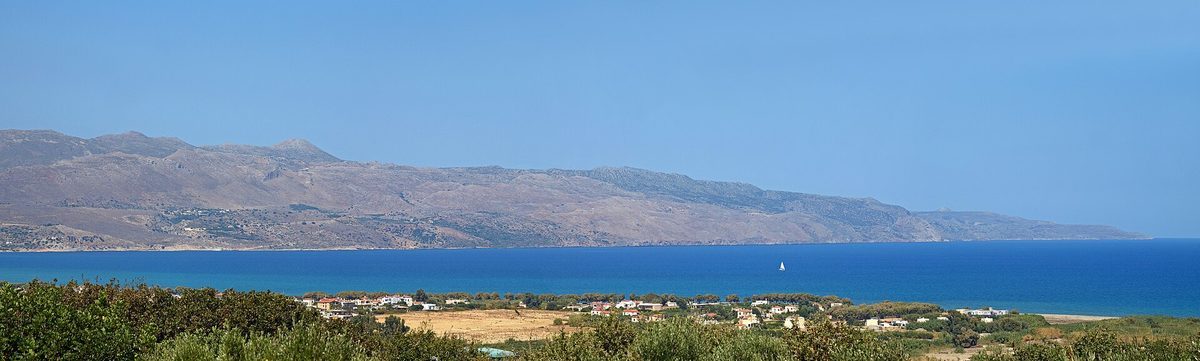
Mykonos vs Crete weighs a small, glamorous party island against Greece’s vast, varied largest island. Mykonos is for beach clubs, nightlife and a short, iconic trip, while Crete offers ancient sites, diverse stunning beaches, mountains, world-class food and far better value over a longer stay. This guide compares them on beaches, history, food, cost, time and who each suits. Plan the whole trip with Greece Tours.
The two offer very different Greek holidays, as set out in the Mykonos travel guide. The sections below compare them in full.
What is the main difference between Mykonos and Crete?
The main difference is scale and character. Mykonos is a small, glamorous island famous for beach clubs and nightlife, ideal for a short trip, while Crete is Greece’s vast largest island, offering ancient sites, diverse beaches, mountains, superb food and great value.
Mykonos and Crete are both Greek islands, but they could hardly be more different in size, character and the holiday they offer. Mykonos is a small, compact island that has built a global reputation around glamour. Its designer beach clubs, world-famous nightlife, chic shopping and cosmopolitan, see-and-be-seen party atmosphere all come at premium prices, and the island is easily experienced in three to four days.
Crete, by contrast, is the largest island in Greece. It is a vast and varied destination that combines ancient history, diverse and spectacular beaches, dramatic mountains and gorges, charming towns, world-class food and an authentic, year-round life, at far lower prices. It is so big that it needs at least a week to begin to explore. The choice comes down to what you want: Mykonos for a short, glamorous party-and-beach-club trip on a small iconic island, or Crete for a rich, varied, longer holiday of history, nature, food and value, set out alongside the guide to getting from Mykonos to Crete.
How do the beaches compare?
Mykonos has glamorous, organised golden-sand beaches with famous beach clubs, ideal for the party scene on a small island. Crete has far more variety and space, with wild, stunning beaches like the pink sands of Elafonissi and the turquoise Balos Lagoon.
Beaches are a highlight of both islands, but they differ greatly in style and variety. Mykonos is famous for its beautiful golden-sand beaches lined with glamorous, organised beach clubs, from the party scenes of Paradise and Super Paradise to the chic Psarou and the family-friendly Platis Gialos. They sit relatively close together on a small island and are made for swimming and the social beach-club experience. If the glamorous beach-club day is what you want, Mykonos does it best.
Crete, being vastly larger, offers far more variety, space and natural drama, including the most stunning beaches in Greece: the pink sands of Elafonissi, the turquoise lagoon of Balos, the palm-fringed Preveli, and wild, spacious beaches of every colour scattered across the huge island. For sheer beach diversity, scenery and unspoilt space, Crete is hard to beat, while Mykonos wins for the concentrated glamour and beach-club scene. Which appeals depends on whether you want wild variety or organised glamour, set out alongside the guides to Mykonos beaches and beach clubs.
How do history, culture and food compare?
Crete is far richer for history, culture and food, with major ancient sites like the Minoan palace of Knossos, Venetian and Ottoman heritage, and a celebrated cuisine. Mykonos offers the ancient island of Delos nearby and strong fine dining, but cannot match Crete’s depth.
History, culture and food are areas where Crete has a clear edge, thanks to its scale and rich heritage. Crete is very hard to beat for ancient history. It is home to major archaeological sites such as the Minoan palaces of Knossos and Phaistos, the cradle of Europe’s first civilisation, alongside Venetian, Ottoman and Byzantine heritage in its historic towns and monasteries. It also ranks among the food capitals of the world, with a famous, healthy Cretan cuisine of fresh local produce, herbs, olive oil and traditional dishes.
Mykonos is not without culture and good food. The sacred ancient island of Delos, a short boat ride away, is a remarkable UNESCO archaeological site and a highlight for history lovers. Mykonos also has excellent restaurants, including acclaimed fine dining and gourmet beach clubs, and it holds a strong high-end restaurant scene. But for the depth and breadth of ancient history, culture and authentic, world-renowned cuisine, Crete is the richer choice, set out alongside the guides to a Delos tour and fine dining.
Which is cheaper and how long do you need?
Crete is considerably cheaper than Mykonos, one of the most expensive Greek islands, with lower prices for food, hotels and activities. Crete needs at least a week to explore, while Mykonos suits a short 3 to 4 day trip.
Cost and the time you have are often the deciding factors between the two islands. On price, Crete is considerably cheaper than Mykonos, with the average traveller spending far less on food, accommodation and activities. Mykonos is one of the most expensive and luxurious Greek islands, with premium prices for everything, so Crete offers far better value.
On time, the islands suit very different trip lengths because of their size. Crete is so vast that you cannot scratch the surface in three or four days, and it is best to allow a week or more to explore its regions, sites, beaches and mountains. Mykonos is small and can be enjoyed fully in a short trip of three to four days, making it ideal for those with limited time or island-hopping. If you have a week or more and want value and variety, Crete is the better choice, while a short trip and a taste of glamour point to Mykonos, set out alongside the guides to Mykonos on a budget and a 3 day itinerary.
How do you get to each island and get around?
Mykonos is reached by a short flight or ferry from Athens and neighbouring Cyclades, and is small enough to cover by bus, taxi or quad. Crete has two main airports and major ferry ports, and its huge size makes a hire car almost essential.
Reaching Mykonos is quick and simple. The island has an airport with seasonal international and domestic flights, and frequent ferries link it to Athens and the other Cyclades. Once there, the compact size means you can rely on the local bus network, taxis, water taxis and a hired quad or car to reach the town and the south-coast beaches within short distances.
Crete is a different scale of journey. It has two main airports, at Heraklion and Chania, plus smaller ones, and large overnight and day ferries from Athens serve its northern ports. The island stretches for hundreds of kilometres from west to east, so a hire car is close to essential for exploring its regions, gorges and remote beaches. Buses cover the main routes but leave the wilder corners hard to reach, set out alongside the guides to Mykonos car rental and Mykonos airport.
Which island suits which type of traveller?
Mykonos suits partygoers, couples, beach-club lovers and short-break travellers wanting glamour. Crete suits families, foodies, history buffs, hikers and value-seekers wanting variety over a longer stay. The two draw different travellers because they offer very different holidays.
Matching the island to your travel style clarifies the choice quickly. Mykonos is built for travellers who prize glamour, nightlife and the beach-club scene. Partygoers, style-conscious couples, honeymooners after a chic short break, and anyone wanting an iconic Greek island in three or four days are in their element here. The compact size and premium polish reward a punchy, indulgent trip rather than a slow exploration.
Crete rewards a different traveller. Families find space, safe beaches and value; foodies find one of the great regional cuisines; history buffs find Minoan palaces and layered heritage; hikers find the Samaria Gorge and the mountains; and road-trippers find a whole island to explore. Older travellers and repeat visitors often lean to Crete for its depth and authenticity, while first-time island-hoppers chasing the postcard image of Greece lean to Mykonos. Knowing which traveller you are settles the debate, set out alongside the guides to Mykonos for families and Mykonos for couples.
How does the nightlife and atmosphere compare?
Mykonos has the more glamorous, intense nightlife, with world-famous clubs, beach parties and a cosmopolitan crowd on a small island. Crete has lively nightlife in towns like Malia, Hersonissos and Chania, but a calmer, more varied overall atmosphere.
Nightlife is where Mykonos sets itself apart most sharply. The island runs a concentrated, high-energy scene, with famous clubs, beach-club day parties, cocktail bars in Little Venice and a glamorous international crowd, all within a small, walkable town. The party is the point for most visitors, and it runs late into the night through the summer season.
Crete offers nightlife too, but of a different, more spread-out kind. The resort strips of Malia and Hersonissos draw a young party crowd, while Chania and Rethymno hold atmospheric bars and tavernas in their Venetian harbours, and the villages keep a slower, traditional evening rhythm. The overall atmosphere on Crete is more varied and relaxed, ranging from lively resorts to quiet mountain squares. Mykonos wins for the glamorous, full-on party, while Crete wins for variety and a calmer pace, set out alongside the guides to Mykonos nightlife and the bars.
Which should you choose, Mykonos or Crete?
Choose Mykonos for glamorous beach clubs, nightlife and a short, iconic trip, ideal for partygoers with three to four days. Choose Crete for ancient history, diverse beaches, mountains, food and value over a week or more, ideal for families, foodies and explorers.
The right island depends on your priorities, your travel style and the time you have. Choose Mykonos if you want glamorous beach clubs, world-famous nightlife, chic shopping and a lively, cosmopolitan party atmosphere on a small, easy island that you can enjoy in a short three to four day trip, and if a higher budget is not a barrier. It is ideal for partygoers, beach-club lovers and anyone wanting an iconic, glamorous Greek getaway on a short trip.
Choose Crete if you value variety, ancient history and culture, diverse and stunning beaches, dramatic mountains and gorges, world-class food and excellent value, and you have at least a week. It suits families, foodies, history buffs, hikers, nature lovers and value-conscious travellers wanting a rich, varied holiday. Crete is so big and different from the small Cyclades that the two are rarely combined casually, but a longer Greece trip could include both via the seasonal ferry, set out alongside the guides to first-time tips and a Mykonos itinerary.
Can you combine Mykonos and Crete in one trip?
Yes, you can combine Mykonos and Crete, linked by a seasonal direct ferry of around 5 to 6 hours to Heraklion in summer, or via Athens. Allow at least a week to do both justice, giving Mykonos 3 to 4 days and Crete a week.
Combining Mykonos and Crete in a single Greek holiday is doable and rewarding, pairing the small glamorous island with the vast varied one. The two are linked in summer by a direct high-speed ferry from Mykonos to Heraklion, taking around five to six hours, which makes a combined trip practical without backtracking through Athens. Outside the season, you connect via Athens or another island.
The key is allowing enough time, as the islands suit very different lengths. Mykonos can be enjoyed in a punchy three to four days of beaches, town and nightlife, while Crete is so large it deserves at least a week. A combined trip ideally needs ten days to two weeks to avoid feeling rushed.
A natural order is to start or end with Mykonos for the glamour and island-hopping feel, and devote the bulk of your time to exploring Crete’s regions, sites and beaches. Basing on Crete’s north coast, near Heraklion or Chania, keeps the ferry link and the airports within reach while you tour the island. Planning the ferry around the season, checking that the direct summer sailing is running on your dates, and budgeting enough days for each makes the combined trip work well, set out alongside the guide to Mykonos to Crete.
Frequently Asked Questions
Is Mykonos or Crete better for nightlife?
Mykonos is far better for nightlife, with world-famous beach clubs, bars and late clubs that run until dawn, drawing an international party crowd. Crete has lively nightlife in towns like Malia, Hersonissos and Chania, but it cannot match the scale, glamour and reputation of the Mykonos party scene.
Is Mykonos or Crete cheaper?
Crete is considerably cheaper than Mykonos. Food, hotels and activities all cost less on Crete, while Mykonos is one of the most expensive and luxurious Greek islands. So Crete offers far better value, especially over a longer stay, while Mykonos commands premium prices for its glamour.
Which is better for families, Mykonos or Crete?
Crete is generally better for families, with its variety, diverse beaches, lower costs, ancient sites and space to explore over a longer stay. Mykonos suits families less because of its higher prices and party reputation, though it has calmer family-friendly beaches such as Ornos and Platis Gialos and is fine for a short trip.
How long do you need for Mykonos versus Crete?
Mykonos is small and can be enjoyed in a short 3 to 4 day trip, ideal for limited time, while Crete is so large it needs a week or more to fully explore its sites, beaches and regions. So choose Mykonos for a short trip and Crete for a longer, varied holiday.
Is Mykonos or Crete better for food?
Crete is better for authentic, celebrated cuisine, ranking among the world’s great food regions with its fresh produce, olive oil and traditional dishes. Mykonos has excellent restaurants and strong fine dining, but for depth, value and a renowned local food culture, Crete has the clear edge.