
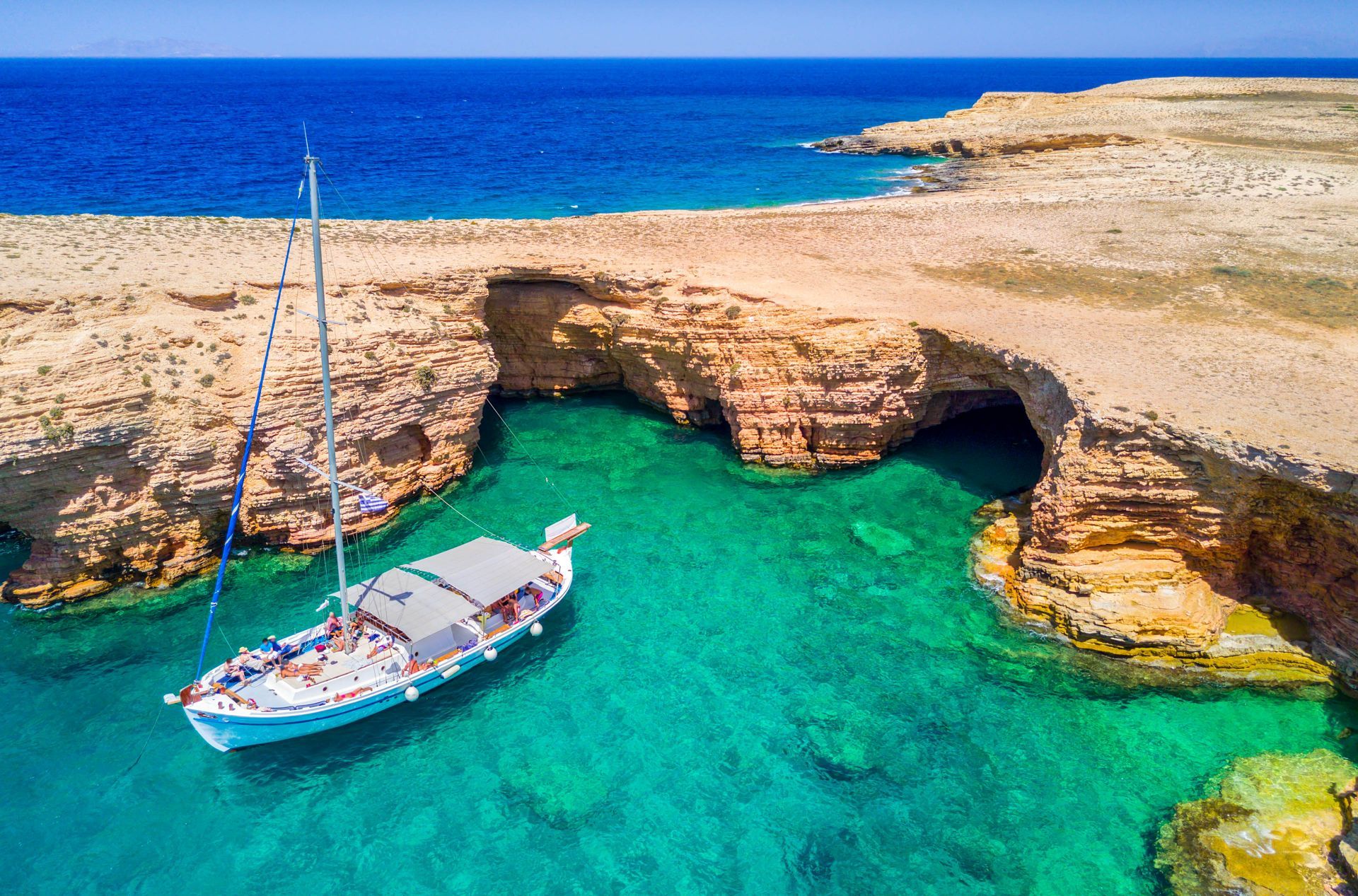
Koufonisia travel guide: plan a relaxed 4-5 day escape – best beaches, boat trips, local tavernas, ferry tips and insider advice for authentic island stays.
Koufonisia Travel Guide: Explore Koufonisia Islands, Greece
Koufonisia, two tiny islands tucked in the southern Aegean between Naxos and Amorgos, feel like a secret you’re allowed to share. We first visited expecting postcard-blue waters and quiet lanes: what we found was a raw, friendly island life where every meal tastes like the sea and every sunset feels staged just for us.
This Koufonisia travel guide collects what we’ve learned from locals and repeat visits: how to get there, the best beaches and boat trips, where to stay, and practical tips to plan an unhurried island escape. Whether you’re looking for romantic seclusion, snorkeling off a boat, or a slow-food feast by the water, Koufonisia delivers. Let’s immerse.
Quick Snapshot: What to Expect From Koufonisia
Koufonisia travel guide in one paragraph: small, relaxed, and beautiful. The Koufonisia complex is made up of two main islets, Ano Koufonisi (the inhabited one) and Kato Koufonisi (mostly uninhabited), plus several rocky islets nearby. The vibe is barefoot-chic: narrow whitewashed streets, low-slung guesthouses, fish tavernas, and beaches with water so clear you can read the sand below.
We’ll find limited nightlife (there are bars and a few lively nights in summer), friendly locals, and a slow pace that rewards those willing to unplug. Infrastructure is minimal: expect family-run hotels, a handful of car-free streets, and seasonal ferry connections. This is the place to trade hustle for long swims, fresh seafood, and sunsets from a seaside café.
When To Visit And How Long To Stay
Weather And Seasonal Highlights
Peak season runs from mid-June to mid-September. July and August are warm, with daytime highs around 28–32°C (82–90°F), perfect for swimming, but the islands are busiest then. Late May–June and September–early October are our favorite windows: warm sea temperatures, comfortable days, fewer crowds, and many local businesses still open.
How Many Days To Book For A Relaxed Visit
- 2 days (weekend): Quick taste, two beaches, one boat trip, dinner in the port.
- 4–5 days: Ideal. Enough time to relax, snorkel, take a day trip to Kato Koufonisi or Schinoussa, and enjoy a few long evenings.
- 7+ days: Great for island-hopping (Naxos, Amorgos, or the lesser-known Small Cyclades). We recommend at least four nights to truly unwind and avoid feeling rushed.
Consider the weather when booking: strong meltemi winds in July can affect ferry schedules and sea conditions for boat trips. If you’re planning private sailing or diving, late spring and early autumn often offer calmer seas.
Getting There And Getting Around
Ferry Routes, Timetables, And Booking Tips
Boats from Paros reach the islands as a day at sea: the Koufonisia day trip from Paros page covers the cruises, the sailing route and the swim stops.
Koufonisia is accessible by ferry from Piraeus (Athens), Naxos, Paros, and other Cycladic islands. High-speed ferries cut travel time but are more wind-sensitive. From Piraeus, expect around 4–6 hours on high-speed ferries: seasonal overnight conventional ferries are also available. From Naxos or Paros, it’s typically 1–2 hours. We always recommend booking tickets in advance for July–August and checking return options in case of wind delays.
Arriving By Private Boat Or Plane (Nearest Airports)
There’s no airport on Koufonisia. The nearest airport hubs are Naxos (small, limited flights), Paros, and Santorini, all a ferry away. Many travelers fly into Athens and take a ferry from Piraeus. If you charter a private boat, Ano Koufonisi has simple mooring options: Kato Koufonisi is often visited by private day boats for picnics and swimming.
Local Transport: Walking, Bikes, Rentals, And Taxis
Ano Koufonisi is compact and largely car-free, so walking is the best way to explore. We recommend renting a bicycle or an electric scooter for longer stretches, but note that rental availability can be limited in the shoulder season. Taxis are rare: instead, small local buses (in summer) and water taxis connect beaches and nearby islets. Pack comfortable shoes for uneven paths and bring a light jacket for breezy evenings.
Best Beaches, Swimming Spots, And Hidden Coves
Pori Beach And Main Swimming Areas
Pori (or Pori Beach) is the main organized beach on Ano Koufonisi, a long stretch of soft sand and clear water with sunbeds and a few cafés. It’s ideal for families and anyone who wants a relaxed day with amenities nearby. The shallows warm up quickly, making it perfect for lounging and easy swimming.
Fanos, Italida, And Other Popular Beaches
Fanos (also known as Fanos Beach) and Italida are other favorites. Fanos is pebbly with turquoise water and a more secluded feel: Italida is smaller, tucked into limestone cliffs, and often less crowded. Both are great for a quiet afternoon and good snorkeling.
Hidden Beaches And How To Reach Them (Including On Foot Or By Boat)
Koufonisia’s charm is partly in its many small coves reachable on foot or by short boat rides. We love walking along coastal paths early morning to discover shallow coves with only a few sunbathers. For more remote spots, local boat taxis or rental boats will drop you off at quieter beaches on Ano Koufonisi or the coast of Kato Koufonisi. Bring water and shade; some of these coves have no facilities.
Snorkeling, Diving, And Best Underwater Spots
Snorkeling around rocky points and near the islets yields excellent visibility: we’ve spotted octopus, colorful wrasse, and schools of small fish. Diving options are limited and mostly seasonally available via operators based in Naxos or Paros who run day trips. If underwater life is a priority, combine Koufonisia with a diving trip from Naxos for deeper sites.
Top Things To Do — Daytime Activities And Excursions
Boat Tours, Private Cruises, And Sunset Sailing
Day cruises, sailing trips and private boats to Koufonisia from Naxos and Paros, with the Rina cave, Kato Koufonisi and the coves of the south coast, are compared on the Koufonisia boat trip page.
One of the top things to do in Koufonisia, Greece, is to take a boat tour. We recommend a half-day circumnavigation of Ano and Kato Koufonisi to swim in secluded bays, snorkel, and picnic. For something special, book a private sunset cruise: the light on the cliffs and the sea is unforgettable. Many local captains offer small-group tours that include stops for free diving and sea-salt caramel treats.
Hiking Trails, Coastal Walks, And Climbing Opportunities
Koufonisia isn’t a mountaineer’s destination, but it has scenic coastal walks that reward patience with hidden coves and sea views. The trail from the port past the windmills to the eastern cliffs is short but lovely at sunset. For light climbing, there are low limestone scrambles near Italida: basic footwear is enough.
Day Trips: Keros, Schinoussa, Iraklia, And Naxos
Koufonisia sits in the Small Cyclades cluster, perfect for island-hopping. Short ferry rides or private boats can take us to Schinoussa and Iraklia for quiet villages and additional beaches, or to Naxos for broader services and archaeological sites. Keros is mainly an uninhabited islet known to archaeologists: visits are occasional but interesting for those who love off-the-beaten-track history.
Romantic Activities And Best Sunset Locations
Koufonisia is naturally romantic. We like the seaside tavernas for candlelit dinners and the eastern cliffs for sunsets. Take a small boat to a remote cove, swim, then enjoy wine on the pebble shore as the sky turns pink. For quiet moments, walk past the port toward the western headland at dusk, locals often gather there to watch the sun slip away.
Where To Stay: Areas, Boutique Hotels, And Romantic Options
Boutique Guesthouses, Family-run Pensions, And Luxury Options
Accommodation here is intimate rather than grand. Expect boutique guesthouses, family-run pensions, and a handful of higher-end villas. We prefer family-run places for service and local tips: hosts often know the best taverna that’ll still be open late or the quiet beach for an afternoon nap. For couples seeking romance, look for sea-view suites or beachfront rooms near the port: several small hotels offer private terraces and breakfast delivered with freshly baked goods.
Recommendations For Couples, Families, And Solo Travelers
- Couples: Choose a sea-view room near the port for easy access to restaurants and sunset walks.
- Families: Book near Pori Beach for gentle seas and amenities.
- Solo travelers: Small pensions and guesthouses are sociable: we’ve often met other solo travelers at breakfast or on boat trips.
Booking tip: Book accommodations early in July and August. In shoulder season, you can find excellent last-minute deals and more flexible cancellation policies.
Food, Culture, And Local Experiences
Where To Eat: Taverna Picks, Seafood, And Local Specialties
Food is central to the Koufonisia experience. Fresh fish, lobster (in season), and locally caught squid appear nightly on menus. Try “gavros” (small fried anchovies), grilled octopus, and the island’s take on “kolokithokeftedes” (zucchini fritters). For dessert, order “revani” or fresh figs with local honey.
Markets, Festivals, And Traditional Village Life
Ano Koufonisi’s compact “chora” (main village) has small grocery shops and bakeries where locals buy daily bread and supplies. If our visit coincides with a local feast day, often a church festival in summer, we recommend joining in: expect live music, dancing, and generous platters of food. These festivals are where we’ve learned the best recipes and met islanders eager to share stories.
Authentic Local Experiences: Fishing, Cooking, And Wine Tasting
For a memorable hands-on experience, book a half-day with a local fisherman to learn about traditional techniques and to try fresh ceviche-style preparations on board. Some guesthouses and private cooks offer small-group cooking classes focusing on island recipes and seasonal produce. Wine tasting is more limited here than on larger islands, but boat tours often include a stop with local meze and chilled wine, simple, delicious, and utterly Greek.
Sample Itineraries And Island-Hopping Ideas
2-Day Weekend Itinerary
Travellers based on Sifnos reach the islands on a private boat day: the Koufonisia day trip from Sifnos page covers the crossing, Chora, Keros, the south coast bays and Kato Koufonisi.
Day 1: Arrive in the morning via Naxos/Paros ferry. Drop bags at your guesthouse, walk to Pori Beach, swim, and have lunch at a beachfront taverna. Afternoon: coastal walk and a short nap. Evening: sunset from the port and a fresh fish dinner.
Day 2: Morning boat trip to Kato Koufonisi or a snorkeling excursion. Lunch on return, visit local shops, and late afternoon ferry to your next island or back to the mainland.
4-5 Day Relaxed Stay With Day Trips
Day 1–2: Settle in, rotate between Pori, Fanos, and Italida beaches. Enjoy two different tavernas.
Day 3: Full-day boat trip to Keros/Schinoussa/Iraklia, snorkeling and exploring small villages.
Day 4: Leisure morning, optional bike ride, and a romantic sunset cruise.
Day 5: Last swim and departure.
7+ Day Island-Hopping Circuit Including Neighboring Islands
Start in Naxos (arrive by plane or ferry), spend 2–3 days, then hop to Koufonisia for 3 days, then continue to Schinoussa and Iraklia before returning via Paros. This circuit balances beaches, village life, and larger-island services for a fuller Cycladic experience.
Practical Travel Tips: Money, Packing, Safety, And Etiquette
Currency, ATMs, And Cards
Greece uses the euro. Koufonisia has limited ATM availability: bring sufficient cash for small purchases, tips, and beachside snacks, especially in shoulder season. Most tavernas accept cards, but small businesses and remote vendors may prefer cash. We always carry a small reserve.
Health, Sun Protection, And Marine Safety
Sun protection is crucial: bring reef-safe sunscreen, a wide-brim hat, and a lightweight cover-up. Hydration matters; carry a refillable water bottle: island water is safe to drink in most guesthouses, but ask first. For marine safety, be mindful of wind and currents: if you’re not a confident swimmer, stay near shore and use a floatation device if needed. Jellyfish are uncommon but can appear in late summer; local beach signs will warn you.
Sustainable Travel Tips And Respecting Local Life
Koufonisia’s fragile environment depends on respectful visitors. Take reusable water bottles, avoid single-use plastics, and don’t remove shells or corals. Keep noise levels down at night: locals value peaceful evenings. Support local businesses: choose family-run pensions, dine at small tavernas, and book local boat captains for tours. We’ve found locals appreciate curious, respectful visitors and often reciprocate with hospitality and stories.
Which islands make up Koufonisia?
Koufonisia is the name for two small islands, Pano (or Ano) Koufonisi and Kato Koufonisi, separated by a strait only about 200 metres wide, 3 nautical miles south-east of Naxos and west of Amorgos. The community also takes in the uninhabited island of Keros and nine smaller islets.
Pano Koufonisi is the island most visitors mean when they say Koufonisia. It covers about 5.7 square kilometres, it is low and flat, and it holds the only village, the port, the hotels and nearly all of the beaches that travellers visit. Its population is a little over 360 people, most of them working in fishing, tourism and a smaller amount of goat and sheep farming.
Kato Koufonisi, at about 4.4 square kilometres, is long and hilly, with a handful of fishermen’s houses, a taverna and wild beaches. Keros, the largest island of the group at about 15 square kilometres, lies to the south-east and has no residents. Since 2011 the three islands form a municipal unit of the Municipality of Naxos and the Small Cyclades, and they belong to the wider group of the Lesser Eastern Cyclades.
- Pano Koufonisi – the inhabited island, with Chora, the port and the main beaches.
- Kato Koufonisi – the wild neighbour across the strait, reached by small boat.
- Keros – the uninhabited island with major Early Cycladic remains.
What is the history of Koufonisia?
Koufonisia has been inhabited since prehistoric times, with Early Cycladic chamber tombs at Agrilia, Pano Mylos and Loutra, a large Roman settlement under the modern village, early Christian basilicas, and centuries of Venetian and Ottoman rule before joining the Greek state in 1830.
Excavations on Pano Koufonisi have brought to light burials from the first phase of the Cycladic civilisation, along with finds from the Hellenistic and Roman periods. One well-known find, a frying-pan-shaped vessel engraved with a nine-pointed star, is kept today in the Archaeological Museum of Naxos. The present village seems to stand on the site of a Roman town that stretched towards the small bay of Loutra.
Old maps record the islands under changing names: Pira in 1590, Cofinissia in 1745 and Phocussa in 1791, while the famous map of Rigas Feraios writes Kofinousa. Through the Venetian and Ottoman centuries, the islanders sometimes joined forces with pirates and with sailors from the Mani, who used the islands as a refuge. The Second World War brought hardship, and after it most of the population moved to the big cities, before tourism slowly brought life back.
What is Keros, and why does it matter?
Keros is the uninhabited island of about 15 square kilometres opposite Koufonisia, one of the most important archaeological sites of the Early Cycladic civilisation, famous for the marble figurines and objects found there in large numbers.
Keros dominates the view from the south coast of Pano Koufonisi, especially from Fanos beach, where it fills the horizon across the water. The island and its surrounding islets hold remains of an Early Cycladic sanctuary and settlement, where thousands of fragments of marble figurines and vessels were deposited. Archaeologists consider it a key place for understanding the culture that produced the famous Cycladic figures.
The archaeological zone is protected, so visitors experience Keros from the sea rather than on foot. Boat trips from Koufonisia pass along its coast, and the swim stops in the channels around it give some of the clearest water in the group. For travellers with an interest in history, a visit to the museums of Naxos or Athens, where Cycladic finds are displayed, completes the story that starts with the view of Keros from the beach.
What is Chora of Koufonisia like?
Chora is the only village on Koufonisia, a whitewashed Cycladic settlement on the south-west coast of Pano Koufonisi, with the ferry port, the supermarket, bakeries, most bars and restaurants, and nearly all of the island’s accommodation.
The village is quiet during the day, when visitors are out at the beaches or on boats, and that is the best time to wander its lanes. A walk up past the bakery leads to shops selling Cycladic marble art, then along a narrow street of small stores and cafes near the church of Agios Georgios. From about six in the evening, the same streets fill with people, cocktail bars open and the island’s small nightlife begins.
To the west of the village, a road climbs towards the windmill and the church of Agios Nikolaos on the hill, the favourite place to watch the sun set over the sea. The travel agency in the village posts the ferry timetables outside and sells tickets and excursions. With everything within a few minutes’ walk, Chora works as the base for the whole island, and most visitors never need a vehicle.
- Morning – the quietest time for a walk through the lanes and the bakery run.
- Afternoon – shops close and the village empties while visitors swim.
- Sunset – the windmill hill and Agios Nikolaos fill with walkers.
- Night – tavernas, bars and the late souvlaki queue take over the streets.
Which churches can you visit on Koufonisia?
Pano Koufonisi has two main churches, Agios Georgios in the village and Agios Nikolaos on the hill to the west, both holding early Christian marble fragments, while Kato Koufonisi has a small church of the Virgin Mary built on ancient ruins.
The marble panels and fragments set into the churches of Agios Georgios and Agios Nikolaos come from the early Christian period, when basilicas stood on the island. The foundations of two of those basilicas can still be seen at different spots on Pano Koufonisi. The churches belong today to the Metropolis of Thira, Amorgos and the Islands.
The church of the Panagia on Kato Koufonisi is the most photographed religious building of the group, a white chapel standing on the stones of an older ancient structure near the taverna. Visitors on the boat to Kato pass it on the short walk from the landing. Church feasts on the islands bring the community together with food and music, and visitors are welcome to join if they show respect.
What is the southern coastal trail of Koufonisia?
The southern coastal trail runs about 2.5 kilometres from Finikas beach to Pori beach along the south and east coast of Pano Koufonisi, passing sandy beaches, swimming holes and coves that no vehicle reaches. It is flat and takes less than an hour, plus about 25 minutes from Chora to the start.
The trail follows a dusty track that begins as tarmac near the village, turns to concrete and then to dirt and stone. Walkers pass Finikas, Fanos, the rocky swimming spots near the boat stop, Italida and a string of smaller coves before reaching the long crescent of Pori. The whole route suits all fitness levels, and it is the best way to find a cove to yourself.
Early morning is the best time to walk, before the heat and the day visitors. Bring water, a hat and sun protection, since there is little shade along the way. Walk one way and take the beach shuttle boat back, or combine short stretches of walking with boat rides on hot days. Walking the full length at least once is the single best thing to do on Koufonisia.
What does each beach on the coastal trail offer?
From west to east, the trail passes Finikas, the first sandy beach with a bar and shade trees, Fanos, wider and facing Keros, Italida or Platia Pounta, with soft golden sand and fewer children, a series of rocky swimming holes, and finally Pori, the largest and most remote beach.
Finikas and Fanos are the family beaches, with a beach bar at Finikas and apartments close by, and they fill up from midday. Italida is larger and wider, with a less crowded feel in the morning because of the longer walk and the lack of facilities. Smaller pebble and rock coves between the big beaches suit swimmers who prefer quiet to sand.
Pori is the showpiece: a long sandy bay backed by dunes and shrubs, with shallow water that is ideal for swimming and a couple of beach restaurants. It is the only one of the main beaches that a road also reaches. None of the beaches have large beach clubs or rows of sunbeds, so visitors bring their own shade and supplies, and the choice of food is limited to one or two places near each bay.
- Finikas – first sandy beach, beach bar, trees for shade.
- Fanos – longer and wider, with a view of Keros.
- Italida – golden sand, wide, quieter in the morning.
- Pori – largest beach, dunes, shallow water, reachable by road.
What are Ammos beach, Loutra and the windmill area near Chora?
Ammos is the sandy town beach right next to the ferry port, with clear turquoise water, fishing boats, shade trees and places to eat nearby; to the west of the village lie the small bay of Loutra and the windmill hill, the island’s sunset area.
Ammos is the easiest beach on the island, a two-minute walk from the rooms of Chora, and families with young children spend whole days there. It is one of the few beaches with natural shade, and the view of the moored fishing boats gives it a working-harbour character. For a quick swim before dinner, it is hard to beat.
West of the village, the land rises to the windmill and the church of Agios Nikolaos, and small rocky coves lie below the road towards Loutra, where the Roman settlement once extended. A walk here at golden hour, with a swim in one of the coves and the sunset from the hill, makes a fine alternative to a full beach day on the south coast.
What are Gala, the Xylompatis caves and the Devil’s Eye?
Near Pori beach, a short trail leads to Gala beach and the Xylompatis sea caves, dramatic rock formations where waves crash on windy days, and on the other side of Pori sits the Devil’s Eye, a hole in a sea cave where the water rushes and swirls.
The caves and the rock shelf around them show the power of the sea on the exposed north-east coast. On calm days, the colours of the water inside the caves are vivid; on windy days, spray shoots up through the rocks. The walk from Pori takes a few minutes, and the formations make strong photographs at sunrise, when the light comes straight from the east.
The Devil’s Eye is a sight to look at, not a place to swim or dive. The water moves with force inside the cave, and the edges are sharp and slippery. Visitors stay back from the edge, keep children close and wear sturdy shoes on the rocks. With those precautions, the walk from Pori to the caves adds a wild edge to a day on the calm beaches of the south coast.
How does the meltemi wind affect a stay on Koufonisia?
The meltemi, the strong northerly wind of the Cycladic summer, blows hardest on the north-east side of Koufonisia, around Pori beach, while the south coast beaches from Ammos to Italida stay more sheltered. Check the wind forecast before choosing a beach for the day.
On a meltemi day, walkers heading to Pori feel the wind in their faces along the last stretch of the coastal trail, and the sea at Pori can turn rough. The same day, Finikas and Fanos stay calm enough for swimming and snorkeling. Choosing the beach by the wind is the local way to enjoy the island in July and August.
The wind also affects the boats. Ferries and the small shuttle boats keep running on most days, but crossings can be bumpy, and on the strongest days some trips are cancelled. Build a spare day into any island-hopping plan in high summer, and keep a light layer for the evening, when the breeze cools the air in Chora.
What is Kato Koufonisi like?
Kato Koufonisi is the long, hilly island across the strait, a ten-minute boat ride from Pano Koufonisi, home to goats, a few fishermen’s houses, wild campers, a family taverna and beaches that feel far from the rest of the Cyclades.
Once farmed and fished by a small community of about ten families, Kato Koufonisi is now almost empty for most of the year, with some houses opened in summer. It measures about 5 kilometres from end to end, and its dusty trails cross open, shadeless hills between the beaches. The landscape is dry and bare, with the sea on every side.
The taverna near the boat landing has served visitors for more than a century and is run by the same family, with trays of stuffed tomatoes, roasted aubergine and orzo. The church of the Panagia stands nearby. Kato is the place to spend a slow day walking between coves, swimming and eating, and it gives a picture of how the islands looked before tourism.
Which beaches can you reach on Kato Koufonisi?
The main beaches of Kato Koufonisi are Laki, a small cove down steep steps about seven minutes from the taverna, Detis, a sheltered pebble beach with a sandy seabed about ten minutes further, and Nero, the best-known beach, popular with wild campers on the far side of the island.
Laki and Detis are the easy choices, close to the boat landing and the taverna, and both offer clear water over sand. Detis is sheltered from the wind, which makes it a good pick on meltemi days. Nero lies at the other end of the island; the walk between Nero and the taverna takes 45 to 60 minutes over hot, open ground, so most visitors use the boat to go between the two sides.
Boats to Kato Koufonisi leave from the port in Chora through the day, from the morning to the early evening, with departures every hour or half hour in summer. Each company runs its own boats, and passengers return with the same company. Take a photo of the timetable before setting off, and carry water, shade and food for the walks between beaches.
How do the beach shuttle boats on Koufonisia work?
Two local boat companies run hop-on, hop-off beach shuttles along the south coast of Pano Koufonisi, starting and ending at the port in Chora and stopping at the main beaches, with an all-day ticket that covers every ride of the day.
The shuttles make the far beaches easy for anyone who prefers not to walk in the heat, and they combine well with the coastal trail: walk out in the morning, ride back in the afternoon. Passengers can board at the port or at any stop, paying on board, and the boats run through the day in summer.
The same companies run the separate boats to Kato Koufonisi and a range of day excursions around the archipelago, most of them booked at the kiosks in the port or at the travel agency in Chora rather than online. For private trips, sunset cruises and boat days to Keros and the islets, see the tours listed on this page.
Which are the Small Cyclades, and how do you hop between them?
The Small Cyclades are the group of little islands between Naxos and Amorgos: Iraklia, Schinoussa, Koufonisia and Donousa, plus uninhabited Keros. A small local ferry links them with Naxos and Amorgos, and larger ferries connect them with Piraeus through Naxos.
Each island has its own character. Iraklia is the most rugged, with hiking trails and a large cave; Schinoussa is gentle and green, with sandy bays; Donousa lies apart to the north-east, remote and quiet. Koufonisia is the liveliest of the group, with the most accommodation and the best-known beaches.
Island hopping between them follows the local ferry line, which calls at each island on its route between Naxos and Amorgos. The big ferries from Piraeus stop at Koufonisia via Naxos, and our Naxos to Koufonisia ferry page sets out that crossing. Plan a few nights on each island, since the timetables allow only a limited number of departures each day.
What is the landscape and nature of Koufonisia like?
Pano Koufonisi is flat and dry, with sandy soil, low shrubs, dunes behind Pori beach and a coastline of pale rock and sand that makes the water glow turquoise. Kato Koufonisi and Keros rise higher, with bare hills that fall steeply to the sea.
The flat shape of Pano Koufonisi is unusual among the Cyclades, and it makes walking easy in every direction. The coast is carved into rock shelves, small caves and natural pools, and the seabed around the island is mostly sand, which explains the colour of the water. Wildflowers colour the island in spring, and the land turns golden by midsummer.
Goats graze freely on Kato Koufonisi, and seabirds nest on the rocks of Keros and the islets. The sea around the group is clear and rich in fish, which is why fishing remains the main work of the islanders. Visitors help keep this landscape intact by staying on paths, taking rubbish home and avoiding camping where it is not allowed.
How does Koufonisia compare with Naxos and Milos?
Koufonisia is smaller, quieter and more walkable than Naxos or Milos, with beaches reached on foot or by shuttle boat and one village for everything; Naxos offers more villages, mountains and food, and Milos offers more dramatic volcanic scenery and boat trips.
Naxos is the big neighbour, with a large town, mountain villages, long beaches and the main port for reaching Koufonisia. Most visitors combine the two, spending a few nights on Naxos before crossing to the small island. Our Naxos vs Koufonisia page compares them in detail.
Milos draws visitors for its white volcanic rocks, sea caves and boat trips to Kleftiko, and it is larger and busier in summer. Koufonisia wins on simplicity: no car, no long drives and turquoise water a short walk from the room. Our Milos vs Koufonisia page sets out the choice for travellers deciding between the two, and Amorgos, to the east, makes another natural next stop.
For a longer trip, the three islands work well in sequence: a few nights on Naxos for food and villages, a few on Koufonisia for beaches and walking, and a final stop on Amorgos for monasteries and mountain trails. The local ferry links all three, and the whole route stays within the calm pace that makes the Small Cyclades special.
Why is fishing the heart of life on Koufonisia?
Fishing is the main work of the people of Koufonisia, with a fleet of small boats moored in the harbour at Chora and catches that go straight to the island’s tavernas, while goat and sheep farming add cheese and meat on a smaller scale.
The rich, clear waters around Koufonisia, Keros and the islets have fed the islanders for generations. At dawn, the small wooden boats head out, and by midday their catch reaches the kitchens of the village. Visitors see the rhythm of this life at Ammos beach, where the boats bob a few metres from the swimmers, and at the port, where nets are mended on the quay.
The fishing tradition shapes the food of the island. Grilled fish, fish soup, octopus drying in the sun and simple salads with local cheese are the backbone of the menus. Ask at the taverna what came in that morning, and order by weight. Eating the local catch supports the families who keep the island alive through the quiet winter months.
What is there to do on Koufonisia in the evening?
Evenings on Koufonisia start with the sunset from the windmill hill and the church of Agios Nikolaos, move to dinner in the tavernas of Chora and continue in the cocktail bars and late-night spots along the village’s narrow streets from about six o’clock onwards.
The village wakes up when the beaches empty. Shops and small galleries open their doors in the early evening, the main lanes fill with people, and the bars along the waterfront and the backstreets play music until the early hours in July and August. A hole-in-the-wall souvlaki place draws a queue late at night, a favourite with locals and visitors alike.
For a quieter evening, walk to the west of the village for the sunset, then eat at a taverna by the harbour with the lights of the fishing boats on the water. Some bars sit right on the sea near Ammos beach. The island has no big clubs, and its nightlife stays relaxed and friendly, which suits the small scale of the place.
How far apart are the main places on Koufonisia?
Distances on Koufonisia are short: Chora to Finikas takes 20 to 25 minutes on foot, the coastal trail from Finikas to Pori is 2.5 kilometres or under an hour, the road from Chora to Pori is about 3 kilometres, and the boat to Kato Koufonisi takes about ten minutes.
These short distances are why most visitors never rent a vehicle. A day can include a morning swim at Ammos, a walk along the trail to Italida, lunch at Pori and a shuttle boat back to the port, with time left for sunset in the village. Bicycles and scooters are available for those who want to cover the road quickly.
- Chora to Finikas – 20 to 25 minutes on foot.
- Finikas to Pori – 2.5 kilometres on the coastal trail, under an hour.
- Chora to Pori – about 3 kilometres by road.
- Chora to Kato Koufonisi – about ten minutes by boat.
- Kato taverna to Laki and Detis – 7 and 17 minutes on foot.
On Kato Koufonisi, the walk between the taverna and Nero beach is the only long one, at 45 to 60 minutes over hot, open ground. Take the boat between the two sides of Kato, and save the long walk for cooler hours if you do it at all.
Is Koufonisia easy to visit with limited mobility?
Koufonisia is one of the easier Cycladic islands for visitors with limited mobility, since Pano Koufonisi is flat, the town beach sits next to the port, and shuttle boats reach the far beaches, although the tracks are sandy and unpaved outside the village.
The flat ground means no steep stairs between the port, the village and Ammos beach. Accommodation in Chora keeps everything within a short, level walk, and taxis and small vehicles cover the road to the beaches. The shuttle boats reduce the walking to the far beaches, although boarding from a beach or rocks needs some agility.
The coastal trail is dusty and uneven in places, and the beaches have no boardwalks or organised access. Kato Koufonisi, with its hills and rough paths, is harder going. Travellers who need rooms without steps ask the hotel before booking, and they choose accommodation close to the port and Ammos beach for the easiest stay.
Which day cruises reach Koufonisia from Naxos, Paros and Santorini?
Day cruises reach Koufonisia from Naxos, Paros and Santorini, combining swim stops at the turquoise bays of Pano and Kato Koufonisi with time ashore, and some routes add Iraklia or Schinoussa. Private sailing and yacht trips from Naxos cover the same waters for small groups.
From Naxos, boat trips leave in the morning from the main town and the south coast resorts, cross to Koufonisia in about an hour and spend the day swimming around the islands, with a barbecue lunch on board on some boats. From Paros, sailing cruises make the longer crossing for a full day. From Santorini, island-hopping trips link Koufonisia with Iraklia for travellers based on the caldera.
A day cruise suits visitors who cannot fit an overnight stay into their plans, and it shows the best swimming spots in one day. Staying on Koufonisia gives the quiet mornings and evenings that day visitors miss. Book the day cruises and private trips through the widgets on this page, and check each listing for departure ports and inclusions.
Can you camp on Koufonisia?
Camping on Koufonisia is limited: wild camping is not permitted under Greek law, although it is common in summer on the beaches of Kato Koufonisi, and a small campsite operates on the trail near the taverna there. Most visitors stay in rooms and hotels on Pano Koufonisi.
Wild campers set up on the remote beaches of Kato Koufonisi, especially at Nero, where some stay for days or weeks in July and August. That tradition clashes with the protection of the fragile beaches and with Greek rules on camping outside organised sites. Visitors who want to sleep outdoors choose the campsite and leave no trace.
For most travellers, a room in Chora or near Finikas is simpler, with water, shade and a kitchen close at hand. Accommodation fills early for July and August, so book months ahead for those weeks. Spring and September bring more choice and a calmer island.
What is Koufonisia like outside the summer season?
Outside the summer season, Koufonisia returns to its few hundred residents: from late autumn to spring, the ferries run less frequently, most hotels and tavernas close, and the island becomes a quiet fishing community, while May, June and September offer warm weather with fewer visitors.
Spring brings wildflowers, green fields and cool air, ideal for walking the coastal trail and exploring Kato Koufonisi without the heat. The sea stays cool until June. September is the favourite month of returning visitors, with warm water, calmer beaches and a relaxed pace after the August rush.
In winter, the island belongs to its residents. A few cafes and a bakery stay open in Chora, the fishing boats work when the weather allows, and strong winds can delay ferries for days. Winter visitors need flexible plans, but they see the island as it lives for most of the year, with its church feasts and village life intact.
What happens when you arrive at the port of Koufonisia?
Ferries dock at the small port right beside Chora and Ammos beach, so most rooms in the village are a short walk away with luggage; hotels outside the village send vehicles to meet guests, and a few taxis wait for the larger ferries.
Arrival is simple. The quay sits at the edge of the village, and within minutes of stepping off the ferry, visitors staying in Chora reach their rooms on foot. Hotels near Finikas, Fanos and Pori collect their guests by arrangement, so tell the hotel the ferry name and arrival time in advance.
The port is also the hub for the beach shuttles, the boats to Kato Koufonisi and the day excursions, with company kiosks by the water. On departure day, arrive early for the ferry, since the quay gets busy when a large boat calls in summer, and ferries sometimes run late when the wind is strong.
Where do you buy supplies and water on Koufonisia?
Chora has the island’s supermarket, bakeries, a pharmacy and an ATM at the travel agency, so visitors stock up there before heading out; the beaches have few or no facilities, and walkers carry water, snacks and shade for the day.
The bakeries open early and sell pies, bread and sweets for a beach picnic, and the supermarket covers fruit, drinks and basics. Outside the village, food and drink come only from the one or two restaurants near the main beaches, and there is nothing along the coastal trail itself.
Carry at least a litre of water per person for the trail in summer, plus sun protection and a hat. A light umbrella or beach shade makes a long beach day far more comfortable, since natural shade is rare. Take rubbish back to the village, because the island’s beaches have no bins at the remote coves.
What can you buy on Koufonisia?
Shops in Chora sell Cycladic marble art, handmade jewellery, ceramics, beachwear and local products, and a small number of galleries and design stores open along the village lanes in the evening.
The marble pieces echo the famous Cycladic figurines found on Keros and the neighbouring islands, and they make a meaningful souvenir of a stay close to that history. Jewellery makers and ceramic artists sell their work in the small shops near the church of Agios Georgios, which open late in the day when visitors return from the beaches.
Local food products, such as honey, capers and dried herbs from the Small Cyclades, fit easily into luggage. Shopping on Koufonisia is small-scale and personal, with owners who make or choose each item, and an evening walk through the shops is part of the island routine.
Why is the sea around Koufonisia so clear?
The sea around Koufonisia is clear because the seabed is mostly pale sand and rock, the islands have no rivers carrying mud to the coast, there is little development or industry, and the open Aegean currents between Naxos, Keros and Amorgos keep the water moving.
Pale sand reflects sunlight back through the water, which creates the bright turquoise colour of the bays at Pori, Italida and Fanos. Where the bottom turns to seagrass or dark rock, the colour deepens to blue and green. The shallow shelves close to the shore make the contrast even stronger when seen from the coastal trail above.
The small population and the absence of large ports, factories or farming runoff keep the water clean, and the channels between the islands bring a steady flow of fresh water from the open sea. On calm mornings, visibility for snorkeling reaches well beyond ten metres. Visitors protect that clarity by using reef-safe sun cream, taking rubbish home and anchoring boats on sand rather than on seagrass.
Conclusion
Koufonisia is small but richly rewarding: a place where the sea shapes the day, local food tastes impossibly fresh, and evenings slow to a friendly, communal rhythm. Our Koufonisia travel guide aims to help you plan a relaxed, meaningful visit, whether you have a weekend or a week. Embrace the island’s pace, try a boat trip, and leave room for unexpected discoveries; the best moments here are often unplanned.
Weather And Seasonal Highlights
Expect Mediterranean weather: hot, dry summers and mild spring/autumn. The summer meltemi wind can be strong: while it cools the heat and clears the water, it may disrupt boat plans.
How Many Days To Book For A Relaxed Visit
Book 4–5 days for a relaxed stay. Shorter trips work if you prioritize 1–2 main beaches and a boat excursion.
Ferry Routes, Timetables, And Booking Tips
High-speed ferry options reduce travel time but are more weather-dependent. Book peak-season crossings in advance and keep flexible return plans. Use local ferry websites or ticket offices in Piraeus, Naxos, or Paros.
Arriving By Private Boat Or Plane (Nearest Airports)
Fly into Naxos, Paros, or Santorini, then take the ferry. Private boat arrivals should coordinate mooring with local operators: Kato Koufonisi visits are best by day boat.
Local Transport: Walking, Bikes, Rentals, And Taxis
Plan to walk a lot. Rent bikes or scooters for exploring farther beaches. There are limited taxis: summer bus services help connect stretches of the island.
Pori Beach And Main Swimming Areas
Pori is the main organized beach, shallow, sandy, and family-friendly. We often start our day here for its easy access and amenities.
Fanos, Italida, And Other Popular Beaches
Fanos and Italida offer quieter alternatives to Pori and better rocky snorkeling spots.
Hidden Beaches And How To Reach Them (Including On Foot Or By Boat)
Seek early-morning coastal walks or hire a local boat taxi to reach secluded coves. Bring supplies: facilities are limited.
Snorkeling, Diving, And Best Underwater Spots
Shallow rocky points give good snorkeling. For certified diving, connect with operators on nearby larger islands for deeper sites.
Boat Tours, Private Cruises, And Sunset Sailing
Boat tours are a highlight. Book small-group or private cruises for flexible stops and snorkeling opportunities.
Hiking Trails, Coastal Walks, And Climbing Opportunities
Short coastal trails give dramatic views: wear sturdy shoes for rocky sections.
Day Trips: Keros, Schinoussa, Iraklia, And Naxos
Use Koufonisia as a hub for the Small Cyclades. Day trips enrich a stay with the diversity of beaches and villages.
Romantic Activities And Best Sunset Locations
Sunset from the eastern cliffs or a private boat is magical. Seaside dining completes a romantic evening.
Boutique Guesthouses, Family-run Pensions, And Luxury Options
Choose family-run guesthouses for authenticity: boutique hotels offer added comfort and sea views.
Recommendations For Couples, Families, And Solo Travelers
Couples: sea-view rooms and sunset cruises. Families: stay near Pori. Solo travelers: social pensions and small boat tours are perfect for meeting people.
Where To Eat: Taverna Picks, Seafood, And Local Specialties
Seafood tavernas are the island’s culinary heart. Ask locals for their favorites, and we’ve found the best dishes that way.
Markets, Festivals, And Traditional Village Life
If you can, time your trip to catch a local festival for music, dancing, and a real taste of island culture.
Authentic Local Experiences: Fishing, Cooking, And Wine Tasting
Book fishing trips or cooking sessions for hands-on learning and lasting memories.
2-Day Weekend Itinerary
Perfect for a quick, refreshing break: beach, boat, sunset, and return.
4-5 Day Relaxed Stay With Day Trips
This is our recommended sweet spot for balance between rest and exploration.
7+ Day Island-Hopping Circuit Including Neighboring Islands
Combine Koufonisia with Naxos, Schinoussa, and Iraklia for varied scenery and activities.
Currency, ATMs, And Cards
Bring euros and a backup card. ATMs are limited, especially outside July and August.
Health, Sun Protection, And Marine Safety
Sun safety and hydration are essential. Check sea conditions before venturing far.
Sustainable Travel Tips And Respecting Local Life
Travel lightly. Support locals. Keep noise and waste down. We’ll all help preserve what makes Koufonisia special.
Final note: If you want insider planning, boat captains we trust, family-run pensions with sea-view rooms, or seasonal festival dates, visit our site at Greece Tours, where local experts who grew up in Greece can craft personalized experiences. Koufonisia rewards slow travel: leave space for unplanned swims, conversations, and sunsets that feel like they were saved just for you.
Koufonisia Travel FAQs
What is the best time to visit Koufonisia for warm weather and fewer crowds?
The best time to visit Koufonisia is late May–June and September–early October. You’ll find warm sea temperatures, comfortable days, fewer crowds, most local businesses open, and calmer seas for boat trips—ideal for swimming, snorkeling, and relaxed island exploration.
How many days should I book for a relaxed Koufonisia travel experience?
For a relaxed Koufonisia travel guide itinerary, book 4–5 days. That allows time for multiple beaches, a full-day boat trip to Kato Koufonisi or nearby islets, snorkeling, and long evenings. Two days works for a quick taste; seven-plus days suit island-hopping.
How do I get to the Koufonisia islands, and should I book ferries in advance?
The Koufonisia islands are reachable by ferry from Piraeus, Naxos, Paros, and other Cyclades. High-speed ferries shorten travel but are wind-sensitive. Book ferries in advance for July–August and monitor return options due to meltemi winds that can disrupt schedules.
What are the top beaches and snorkeling spots in Koufonisia, Greece?
Top beaches include Pori (organized, family-friendly), Fanos (pebbly, turquoise water), and Italida (cliff-tucked, quieter). Snorkel around rocky points and islets for excellent visibility and marine life. For secluded coves, walk coastal paths early or hire a local boat taxi to reach hidden spots.
Are there accommodations and local services suitable for couples, families, and solo travelers?
Yes. Koufonisia offers boutique guesthouses, family-run pensions, and a few higher-end villas. Couples should pick sea-view rooms near the port; families benefit from lodging near Pori Beach for shallow waters; solo travelers enjoy sociable pensions and small-group boat tours to meet others.
Find more experiences in My Greece Tours:
- Serifos
- Sifnos Travel Guide: Your Ultimate Sifnos Guide to Visit Sifnos Island in Sifnos Greece
- Skiathos Travel Guide
- Spetses
- Symi Tours And Private Boat Trips: The Complete Island Travel Guide
- Syros Tours: Discover the Beauty of Syros Island with Siros Travel – Syros Greece Adventures
- Temple of Apollo Private Tour: Athens Delphi Tour and Visitor Guide