
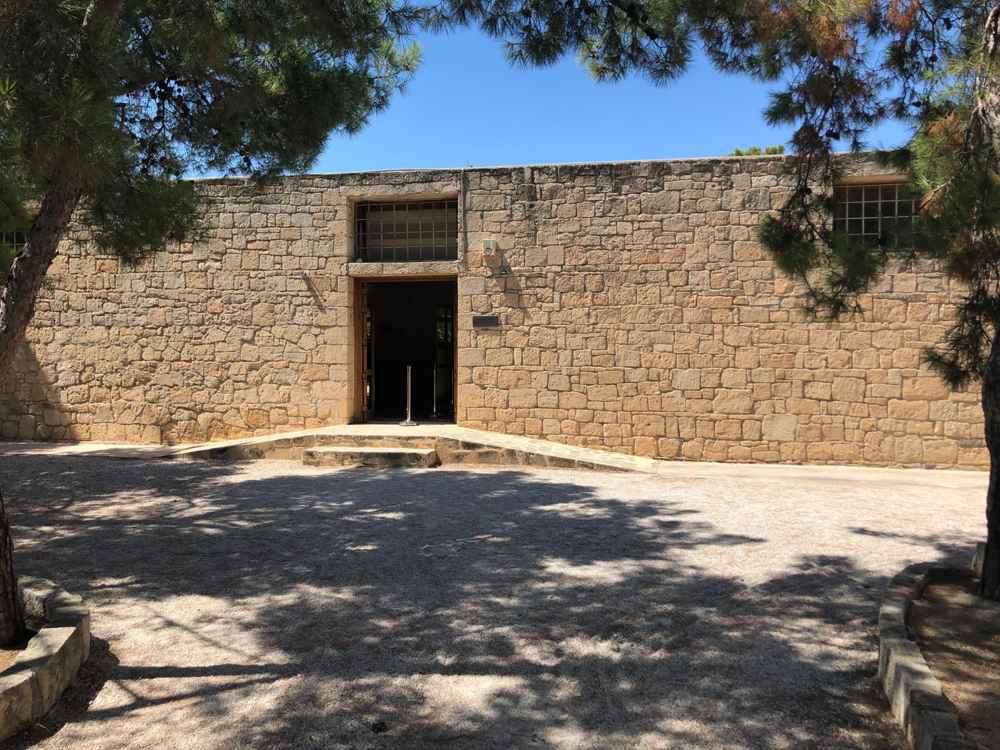
For such a small island, Aegina has a rich collection of museums that reflect its long and important history. The Archaeological Museum, at the ancient Kolona site by the harbour, is one of the oldest in Greece and traces the island’s story from prehistoric times, while the Historical and Folklore Museum, in a fine neoclassical mansion, brings traditional island life vividly to life. The Christos Kapralos Museum, in the seaside studio of one of Greece’s great modern sculptors. Offers a rare encounter with an artist’s work in the place it was made. A small site museum accompanies the famous Temple of Aphaia. Plan the whole trip with Greece Tours.
Together, these museums make Aegina a rewarding destination for anyone interested in its ancient heritage, folk traditions and art.
This guide covers the museums of Aegina: an overview of what there is to see, the historic Archaeological Museum at Kolona, the Historical and Folklore Museum in the town. The Christos Kapralos sculpture museum, the site museum at the Temple of Aphaia, whether the museums are worth visiting. Practical tips on seeing them.
What museums are there on Aegina?
Aegina has museums: the Archaeological Museum at the Kolona site, the Historical and Folklore Museum in Aegina Town, the Christos Kapralos Museum of modern sculpture, and a small site museum at the Temple of Aphaia.
Despite its small size, Aegina is home to a surprising number of worthwhile museums, reflecting the island’s long history and cultural importance. They range from ancient archaeology to folk traditions and modern art, so there is something to interest most visitors, and all are easy to reach.
The main ones are the Archaeological Museum, beside the Kolona site by the harbour. The Historical and Folklore Museum. In a neoclassical building in the town. The Christos Kapralos Museum, in the sculptor’s seaside studio. And the small museum at the Temple of Aphaia. Between them, these museums allow visitors to explore the layers of Aegina’s story, from prehistory to the present day.
What is the Archaeological Museum of Aegina?
The Archaeological Museum of Aegina, at the Kolona site by the harbour, is one of the oldest museums in Greece, founded in 1829.
The Archaeological Museum stands beside the Kolona archaeological site, on the low hill by the harbour that was the acropolis of ancient Aegina. Founded in the early nineteenth century, in 1829, it is counted among the very oldest museums in Greece. A fitting home for the relics of an island that was itself a great power in antiquity.
Within its exhibition rooms, the museum tells the story of Aegina from prehistoric and Bronze Age times through the classical era to the Roman period. Displaying finds from the Kolona settlement and from the island’s ancient sanctuaries, including the temples of Aphaia and Apollo. For anyone interested in the island’s ancient greatness, a visit here, combined with the adjoining Kolona site, is deeply rewarding.
What is the Historical and Folklore Museum of Aegina?
The Historical and Folklore Museum of Aegina is housed in a fine neoclassical mansion of 1828 in the town.
The Historical and Folklore Museum occupies a handsome neoclassical building dating from 1828, in the heart of Aegina Town, once the home of a local scholar. It offers a charming and vivid picture of traditional life on the island, a lovely complement to the ancient history told at the Archaeological Museum.
Inside, the museum recreates several traditional interiors: a rural village house with everyday objects and agricultural tools, a fisherman’s house with nets. Fishing gear and model caiques, and, upstairs, an elegant urban Aeginean home with period furniture, paintings, costumes and decorative pieces. Together these displays bring the island’s recent past and folk culture to life, giving visitors a real sense of how Aeginetans once lived.
What is the Christos Kapralos Museum?
The Christos Kapralos Museum is the seaside home and studio of Christos Kapralos, one of Greece’s great modern sculptors, now a museum and an annex of the National Gallery.
A short way northwest of Aegina Town, on the coast, the Christos Kapralos Museum occupies the former home and workshop of the celebrated sculptor, now preserved as a museum and an annex of the National Gallery. Opened in the late twentieth century, after the artist’s death, it offers a rare and moving chance to see a great artist’s work where it was actually made.
The museum displays Kapralos’s powerful sculptures in wood, stone and marble, along with his paintings and smaller figurines, both indoors and in the seaside grounds. Its greatest treasure is the monumental plaster cast of his forty-metre frieze, the Monument to the Battle of Pindos. With free admission and a guide on hand, it is a cultural highlight; see our full guide to the Christos Kapralos Museum.
Is there a museum at the Temple of Aphaia?
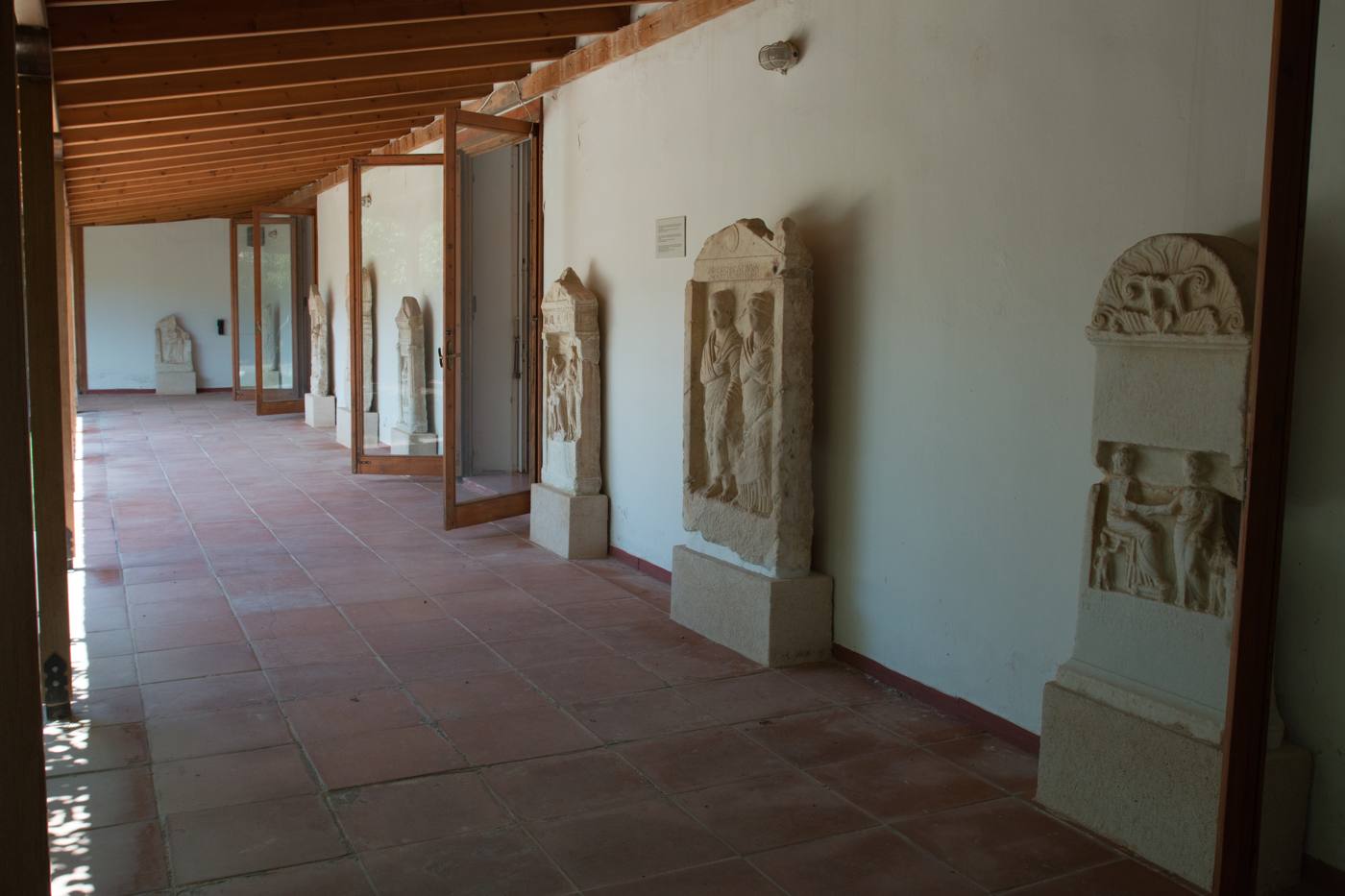
Yes, a small archaeological museum stands on the grounds of the Temple of Aphaia, in the east of Aegina.
The famous Temple of Aphaia, on its pine-clad hill in the east of the island, has its own small site museum within the archaeological grounds. Though modest in size, it adds greatly to a visit by putting the magnificent temple into context.
The museum displays finds from the sanctuary, including fragments of statues, ceramic vessels and other objects, as well as a model of the temple that helps visitors picture how it once looked. Seeing these pieces alongside the temple itself deepens the experience of one of the best-preserved ancient temples in Greece, making the little museum a worthwhile part of the visit.
Are the museums of Aegina worth visiting?
Yes, the museums of Aegina are well worth visiting, offering an unusually rich cultural experience for a small island.
For an island of its size, Aegina offers a remarkable range of museums. They are well worth including in a visit, especially for anyone interested in history, culture or art. The Archaeological Museum reveals the island’s ancient greatness, the Folklore Museum its traditional way of life. The Kapralos Museum the achievement of a major modern artist, while the Aphaia site museum enriches one of Greece’s finest temples.
They can be enjoyed in short, manageable visits between beach time, meals and sightseeing, rather than demanding a whole day. This makes it easy to add a museum or two to a trip. Giving depth and variety to a holiday on Aegina and a fuller appreciation of the island’s fascinating past and culture.
How do you visit the museums of Aegina?
Most of Aegina’s museums are in or near Aegina Town, easily reached on foot or by a short trip, while the Aphaia museum is at the temple in the east of the island.
The Archaeological Museum, at the Kolona site, and the Historical and Folklore Museum are both in or very close to Aegina Town, within easy walking distance of the harbour, while the Christos Kapralos Museum is a short trip along the coast just northwest of the town. The Aphaia site museum lies with the temple in the east of the island, reached by car or bus.
Admission arrangements vary, with the Kapralos Museum, for instance, free to enter, while others charge a modest fee, sometimes combined with entry to the associated archaeological site. Opening hours and days can vary by season, so it is sensible to check current information before you go. Visiting the museums is one of the more rewarding cultural things to do on Aegina, especially on a hotter day or as a change from the beach.
Frequently Asked Questions
What is the most important museum on Aegina?
The most important museum on Aegina is generally considered to be the Archaeological Museum, located beside the Kolona site by the harbour of Aegina Town. Founded in the early nineteenth century, in 1829, it is one of the oldest museums in Greece. Which is fitting for an island that was one of the great powers of the ancient Greek world. Its rooms display finds that trace Aegina’s long history from prehistoric and Bronze Age times, through the classical period when the island rivalled Athens. To the Roman era, including objects from the Kolona settlement and from the island’s important ancient sanctuaries such as the temples of Aphaia and Apollo.
Visiting it alongside the adjoining Kolona archaeological site, with its lone standing column, gives a powerful sense of the island’s ancient greatness. That said, Aegina’s other museums each have their own importance: the Historical and Folklore Museum for its vivid picture of traditional island life. The Christos Kapralos Museum for the work of one of Greece’s finest modern sculptors. For ancient history, however, the Archaeological Museum is the essential one, and a highlight of the island’s cultural offering. Its long history as an institution, dating back almost to the birth of the modern Greek state.
Adds a further layer of interest, making it not just a place to see ancient finds but a historic museum in its own right.
Can you visit the Aegina museums for free?
Some of Aegina’s museums can be visited free of charge, while others charge a modest admission fee. The Christos Kapralos Museum, the seaside home and studio of the celebrated sculptor and an annex of the National Gallery. Is notable for offering free admission, with a guide on the premises happy to show visitors around, which makes it especially rewarding to visit. The Archaeological Museum at Kolona and the small site museum at the Temple of Aphaia generally charge an entrance fee. Which in the case of the temple is often combined with admission to the archaeological site itself, while the Historical and Folklore Museum also typically has a small charge.
These fees are usually modest, so seeing the museums need not be expensive, and the cultural rewards are considerable. Because admission arrangements, prices and opening hours can change and vary by season, it is always sensible to check the current information before your visit, particularly for the days and times each museum is open. Whether free or low-cost, the museums of Aegina offer excellent value for anyone interested in the island’s rich history, folk traditions and art.
How long do you see the museums of Aegina?
You do not need a great deal of time to see the museums of Aegina, as they are all relatively compact and can be enjoyed in short, manageable visits rather than demanding a whole day each. A visit to the Archaeological Museum at Kolona, combined with a wander around the adjoining archaeological site. Might take an hour or two, while the Historical and Folklore Museum in the town can comfortably be seen in under an hour. The Christos Kapralos Museum, with its sculptures displayed indoors and in the seaside grounds. Is similarly manageable in around an hour.
The small site museum at the Temple of Aphaia takes only a short time, forming part of a wider visit to the temple. Because the museums in and near the town are close together, it is quite possible to see more than one in a single outing. To combine them easily with beach time, meals and other sights. This makes it simple to add a museum or two to your holiday without it dominating the day. Giving your trip cultural depth alongside the beaches and scenery. Allowing you to tailor how much museum-going you do to your own interests and pace.
A good approach is to pair a museum with a related site, such as the Archaeological Museum with the Kolona ruins, or the Aphaia museum with the temple. That objects and place illuminate each other. And to save an indoor museum for the hottest part of the day when the beach or open sites are less comfortable. In this way the museums become a pleasant, cooling interlude rather than a chore. Enrich a holiday on Aegina with a real and lasting sense of the island’s remarkable ancient history. Its modern art and its living folk culture and the everyday traditions of its people in the past.