
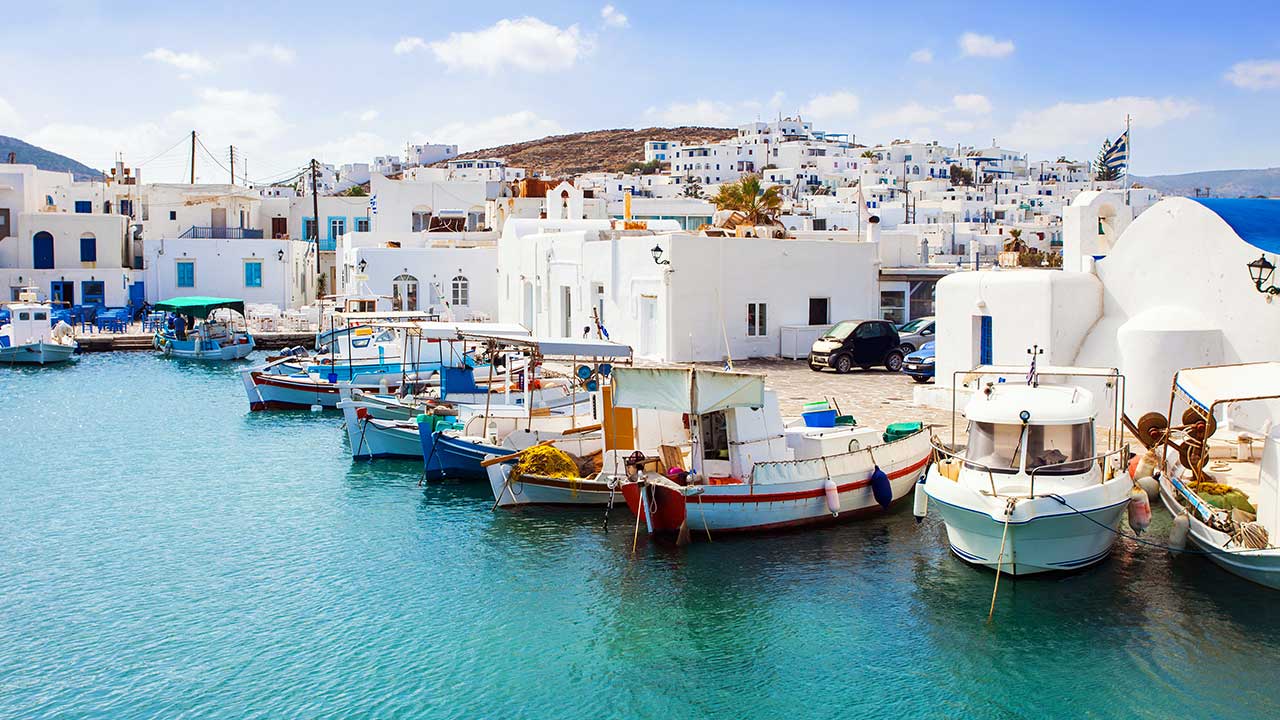
We love Greece for its postcard views, but the country’s quieter corners are where the most memorable moments live. Plan the whole trip with Greece Tours. Beyond Santorini sunsets and crowded Acropolis steps, there are hilltop villages, secluded gorges, tiny island tavernas, and centuries-old monasteries that feel untouched by mass tourism.
In this guide, we’ll walk you through why it’s worth leaving the tourist hotspots, which lesser-known regions to prioritize, practical planning tips, and responsibly immersive ways to travel, drawing on local expertise from guides who grew up here and now lead tailored experiences with us at Greece Tours.
Why Explore Beyond The Tourist Hotspots
Tourist hotspots exist for a reason: they’re spectacular, historic, and often easy to reach. But they also deliver crowded viewpoints, rinse-and-repeat souvenir rows, and experiences curated for quick consumption. When we step off the beaten path, two things happen: we connect more deeply with local people, seasonal food, and living traditions, and we often discover places that feel like they belong only to us for a little while.
There’s also a quality of pace that’s different. In a small Messinian village or a mountain hamlet in Crete, we find time slows. Meals become multi-course conversations with hosts who’ve cooked those recipes for generations. A morning at an obscure archaeological site can feel like private time travel. For history enthusiasts, couples seeking quiet romance, families wanting safer, slower days, or any traveler craving authenticity, those offbeat experiences are worth the extra planning.
Finally, exploring beyond the obvious nodes spreads tourism’s benefits to rural economies and supports the preservation of cultural practices. When we choose smaller businesses, family-run pensions, independent tavernas, and local guides, we help sustain places that would otherwise be left behind.
Regions And Hidden Gems Worth Visiting
Below, we outline regions that reward curious travelers. Each sub-section includes specific places we recommend and a short note on why they feel special.
Northern Greece: Cultural Towns And Secluded Landscapes
Northern Greece is where Byzantine churches, Ottoman-era architecture, and dramatic lakes meet rugged mountain ranges. We’re fond of places like Zagori, a cluster of stone villages in Epirus with arched bridges and gorge walks (Vikos Gorge is dramatic and quiet early in the day). In Macedonia, the village of Pella offers archaeological riches without the crowds, and the vibrant city of Kavala makes a lovely base for exploring nearby coastal hamlets.
Why go: immersive history, hiking in less-traveled gorges, and tavernas where locals still play bouzouki late into the night.
Peloponnese: Ancient Ruins And Quiet Coastal Villages
The Peloponnese is an essential detour for travelers who think they’ve seen all of Greece’s antiquity. Beyond Olympia and Mycenae, we recommend exploring quieter spots like the Mani Peninsula, tower houses, stony beaches, and ancient olive groves, and the seaside village of Kardamyli with its whitewashed chapel and mountain trails. Inland, Arcadian villages like Dimitsana and Stemnitsa offer riverside walks and living craft traditions.
Why go: a mix of ancient sites with dramatically different landscapes and nearly empty coasts in shoulder seasons.
Central Greece And Evia: Lakes, Monasteries, And Local Festivals
Central Greece is underrated. The island of Evia (Euboea) sits close to the mainland but feels otherworldly, with hot springs, fishing coves, and forested mountain villages. The Meteora monasteries are well known, but if we time it right and visit smaller monasteries midweek or early morning, we can enjoy them without the tour bus rush. Add local festivals: village panigyria (feasts) in summer are how traditions survive: attending one gives us music, dancing, and food with real locals.
Why go: easy-to-reach variety, seasonal festivals, and natural hot springs.
The Lesser-Known Islands: Authentic Island Life Without The Crowds
We don’t mean the names you see on every postcard. Think of islands like Koufonisia, Folegandros (early/late season), Agistri near Athens, or the Dodecanese’s Leros and Astypalea. These islands offer scaled-down nightlife, family-run pensions, and beaches where we can actually find two square meters of sand. On many, local fishermen still set out by hand at dawn, and guesthouses serve fish caught that morning.
Why go: island life with authenticity, swimming, seafood, and uninterrupted horizons.
Crete Off The Typical Routes: Mountain Villages And Gorge Walks
Crete is big: staying only on the north coast is a missed opportunity. We love the plateau villages around Anogeia and the lesser-trod Samaria alternatives like Imbros and Kourtaliotiko gorges. In the interior, villages such as Zaros and Archanes maintain agricultural rhythms, olive and wine production, and family tavernas that serve produce from adjacent fields.
Why go: diverse micro-regions, dramatic gorges, and deeply rooted culinary traditions.
Sample Itineraries For 3, 7, And 10 Days
Below are compact itineraries built for travelers who want offbeat depth with realistic logistics. We design these for flexible, small-group or private tours, ideal if you want local insights without the crowds.
3-Day Quick Escape (Athens + Nearby Offbeat)
- Day 1: Arrive in Athens, quick evening walk in the Anafiotika quarter, and a neighborhood taverna dinner.
- Day 2: Early drive to Evia for seaside villages and hot springs: overnight in a family-run guesthouse.
- Day 3: Return via a stop at a small monastery or coastal fishing village: fly out or continue to the islands.
Why it works: minimal travel time, immediate immersion into quieter coastal life.
7-Day Immersive Loop (Mainland Focus)
- Day 1–2: Thessaloniki or Athens arrival: short city walk and local food tour.
- Day 3–4: Drive to Zagori or Meteora for gorge hikes and monastery visits with a local guide.
- Day 5–6: Head south to the Peloponnese, visit Kardamyli or Mani villages: swim at near-deserted beaches.
- Day 7: Return to Athens, with a stop at a small archaeological site on the way.
Why it works: balanced pace with mountain, coast, and cultural highlights.
10-Day Island & Mainland Blend
- Day 1–2: Athens, then ferry to a lesser-known island like Koufonisia or Folegandros: slow beach days.
- Day 3–5: Island exploration, local boats, small villages, home-cooked meals.
- Day 6–7: Ferry back to the mainland and transfer to Peloponnese villages.
- Day 8–10: Crete interior, village walks, gorge hiking, and cooking with a local family before departure.
Why it works: blends serene island time with inland cultural immersion, great for couples and families who want variety without crowds.
Planning Practicalities For Offbeat Travel
Traveling off the beaten path is rewarding, but it asks for a bit more forethought. Here’s what we prioritize to keep trips smooth and enjoyable.
Transportation And Timing Tips
- Rent a small car where roads are narrow: a compact diesel often works best. In mountainous regions, we prefer manual transmissions for engine braking, though automatics are fine if that’s what we’re comfortable with.
- Public transport exists, but can be sparse. In many rural areas, timed buses run only a few times a day: we plan connections carefully or arrange private transfers.
- Visit shoulder seasons (April–June, September–October) to enjoy pleasant weather and quiet villages. Summer is great for islands, but expect heat and local festivals; winter brings atmospheric mountain scenes but shorter daylight.
Accommodation And Dining Recommendations
- Choose family-run guesthouses (pensions) or boutique guesthouses over anonymous chains. Hosts often double as our best sources for local tips and home-cooked breakfasts.
- Look for tavernas with locals; if you see residents filling a place, it’s usually authentic and fresh. Try local specialties: mizithra in mountain villages, fresh grilled Chania fish, or spicy Kappari (capers) dishes in the islands.
Hiring Local Guides And Small-Group Options
- A local guide transforms a place, giving context to ruins, introducing family businesses, and smoothing logistics. We often hire guides from nearby communities or join small-group tours run by local experts (like those at MyGreeceTours) to get insider access and meaningful stories.
- Small-group and private tours let us tailor pacing: linger at a monastery, skip a crowded viewpoint, or join a family for a cooking demo. That flexibility is why many travelers prefer personalized options over mass tours.
Responsible And Respectful Travel Practices
When we travel to small communities, our behavior matters. Responsible travel protects cultural heritage and ensures benefits go to locals.
- Support local businesses: buy olive oil from village presses, dine in family tavernas, and book homestays when possible.
- Respect religious sites: dress modestly in monasteries and remove hats where requested. Ask before photographing people, especially older residents at work.
- Minimize environmental impact: carry a reusable water bottle (many villages now offer refill points), avoid single-use plastics, and stay on marked trails while hiking.
- Learn basic Greek phrases: a simple ‘kalimera’ (good morning), ‘efharisto’ (thank you), and ‘parakalo’ (please/you’re welcome) go a long way and open doors.
These small gestures make interactions warmer and help preserve the authenticity we came to find.
How To Pack And Prepare For Remote Experiences
Packing for offbeat Greece is about being smart rather than heavy.
- Essentials: sun protection (hat, sunscreen), sturdy walking shoes for uneven village streets and gorges, and a light rain shell for spring/ autumn.
- Tech: a power bank (some rural accommodations have limited outlets), an offline map app, and downloaded phrases or a pocket dictionary. We also carry a small first-aid kit and blister plasters for long walks.
- Clothing: layers work best, cool days by the sea, cooler evenings inland. Bring modest clothing if you plan to enter religious sites.
- Money: carry some cash. ATMs exist, but can be infrequent on islands or in small villages: we withdraw when we pass a larger town.
Preparing mentally helps too: expect slower service (in a good way), embrace detours, and leave room for spontaneous invitations; those unplanned moments often become trip highlights.
Read more about Greece Tours:
- Famous Greek Architecture Explained: Styles, Structures, And Lasting Influence
- What Is The Best Greek Island For Over 50s? A Practical, Evidence-Based Review
- Exploring Greece By Public Transport: A Practical Guide For Independent Travelers
- Eco Friendly Accommodations In Greece: Where To Stay Sustainably On The Mainland And Islands
- Cycling Routes In Greece: The Best Rides By Region, Season, And Skill Level
- Cultural Etiquette For Greece Visitors: A Practical Guide To Polite Travel
Conclusion
Choosing off the beaten path in Greece means choosing depth over checklist tourism. Whether we’re navigating a single-lane mountain road to a centuries-old village, sharing raki with hosts after a long hike, or discovering an empty black-sand cove at noon, those quieter experiences shape a trip in ways postcards can’t. If you want help designing a personalized itinerary, balancing comfort, culture, and conservation, we’re happy to plan something with local guides who grew up here. Small choices, traveling slower, supporting local families, and showing basic respect, let us experience Greece the way its people live it, not just the way it’s presented to visitors.