
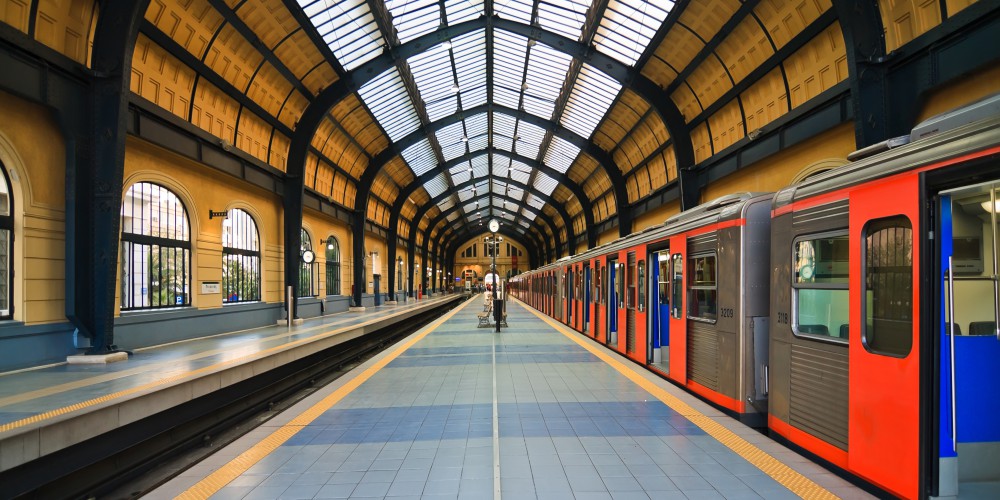
Exploring Greece by public transport is easier than you think—KTEL buses, trains, Athens metro & ferries. Get routes, booking tips, and 7–14 day itineraries.
The first time we tell friends they can explore Greece by public transport, we usually get the same look: Really? Without a car? And honestly, yes, really. We’ve done it in peak summer, in shoulder season, and in those in-between weeks when timetables feel like they’re changing mid-sentence. Between KTEL intercity buses, a handful of surprisingly useful train routes, excellent urban transit in Athens, and ferries that stitch the islands together, independent travel here is far more doable than people assume.
We’re writing this as locals and frequent “transit-only” travelers, born and raised on islands like Milos and Santorini, in Athens almost every month, and constantly hopping around to places like Meteora, Delphi, Pelion, and beyond. If you want the freedom of moving around Greece without the stress of driving, parking, tolls, and tiny village streets, this guide is for you.
Key Takeaways
- Exploring Greece by public transport is genuinely practical, using KTEL buses for wide mainland coverage, Hellenic Train for key corridors, and ferries to connect the islands.
- Plan around Greece’s operator-by-operator reality (OASA, OASTH, regional KTEL, Hellenic Train, and multiple ferry companies) because tickets, sites, and stations aren’t unified.
- Book ferries in summer and fixed-date trains early, but stay flexible on many KTEL routes and urban transit to keep your itinerary stress-resistant.
- Protect connections by adding buffer time—aim to reach ports 60–90 minutes early and avoid tight same-day bus-to-ferry chains whenever possible.
- Use Athens and Thessaloniki as smart bases for exploring Greece by public transport, with easy day trips, strong intercity links, and ports that make island-hopping efficient.
- Reduce friction by re-checking schedules 24 hours before departure, carrying some cash for small hubs, and keeping valuables with you on buses and ferries.
How Public Transport Works In Greece
Public transport in Greece isn’t one single unified system. Think of it more like a toolkit: different operators for different regions and modes, with their own tickets and rules. Once we accept that (and plan accordingly), it becomes straightforward.
Buses, Trains, Metro, Trams, And Ferries At A Glance
Here’s the practical overview of what we actually use when we’re exploring Greece by public transport:
- KTEL intercity buses: The backbone of mainland travel. They reach places trains don’t, they’re frequent on popular routes, and they’re usually comfortable (reclining seats, luggage hold, decent reliability).
- Trains (Hellenic Train): More limited coverage than many travelers expect, but useful for key corridors, especially Athens ↔ Thessaloniki, plus a few scenic or regional segments. Great when you want fewer road variables.
- Athens urban network (metro, buses, trolleybuses, tram): One of the easiest ways to get around. The metro is clean, fast, and connects major hubs like the airport and Piraeus port.
- Thessaloniki urban transport: Buses are essential, and the metro has expanded the city’s options. (We still plan some buffer time because buses can get stuck in traffic.)
- Ferries: Not just “transport,” but a core part of the experience. Ferries connect Athens (mainly Piraeus and Rafina) with the Cyclades, Dodecanese, Crete, and more: the Ionian islands are often approached via the west coast (depending on the island).
If we had to summarize: buses for coverage, trains for the main spine, metro/tram for cities, ferries for islands.
Main Operators And What Each One Covers
Knowing the names helps because Greece loves operator-specific systems.
- OASA (Athens): Runs the Athens metro (3 lines), buses, trolleybuses, and trams. If we’re based in Athens, OASA is our daily “default.”
- OASTH (Thessaloniki): Thessaloniki’s main bus operator. It’s the workhorse for city movement, especially if we’re heading to neighborhoods, museums, or the intercity bus station.
- KTEL (regional intercity buses): Not one company, many. Each prefecture/region has its own KTEL entity, usually with its own website, ticketing, and sometimes separate stations. KTEL is how we reach towns like Nafplio, Kalamata, Delphi (via connections), and countless beaches and villages.
- Hellenic Train (rail): Greece’s passenger train operator. We use it for long-distance trips (like Athens–Thessaloniki) and for certain regional links.
- Ferry companies: Multiple private operators serve different routes. The important thing is less about which company and more about which port, which day, which type of vessel (fast catamaran vs conventional ferry).
Tickets, Passes, And Payment Basics
Ticketing is where travelers get tripped up, mainly because there’s no national “one pass for everything.” We treat each mode separately.
- Athens tickets: A common choice is the €1.20 single ticket valid for 90 minutes across metro/bus/tram/trolley within the urban network (with airport routes typically priced separately). We buy from machines at stations or authorized points and validate when required.
- KTEL buses: Tickets are typically bought at the bus station/terminal or online (varies by region). On many routes, we can still buy close to departure, but in peak summer, we don’t gamble on it.
- Trains (Hellenic Train): Can be purchased online or at stations. For popular long-distance departures, we book earlier, mostly for peace of mind and better seat choices.
- Ferries: We almost always book via an aggregator or the operator’s site, especially in summer. We keep tickets on our phone when e-tickets are available, but we also save PDFs offline.
Payments: Cards are widely accepted at big hubs, but we still carry some cash, especially for smaller kiosks, last-minute purchases, or a random port office that decides to have “technical issues” at the worst time.
Planning And Booking Your Trips
Good planning in Greece isn’t about creating an hour-by-hour spreadsheet. It’s about understanding what needs commitment (ferries, limited train schedules) and what stays flexible (many KTEL routes), then building a plan that can survive real life.
When To Book Ahead Vs. Buy On The Day
We use a simple rule:
Book ahead when capacity is limited, or the consequences are annoying.
- Ferries in summer (June–September): Book ahead, especially for popular island pairs (e.g., Santorini–Mykonos) and weekend travel. Even if there are multiple sailings, the good ones (times that don’t eat your day) sell out first.
- Ferries on big holidays and Greek long weekends: Same logic. The boats fill with locals.
- Athens–Thessaloniki trains: We book earlier when our dates are fixed.
Buy on the day when frequency is high, or plans are fluid.
- Many KTEL routes from major stations often allow same-day tickets, especially outside peak weeks.
- Urban transit (Athens/Thessaloniki): Always day-of.
One more nuance: sometimes it’s not about sell-outs, it’s about stress. If we have a tight connection (say, arriving to Piraeus and catching a ferry), booking ahead reduces mental load.
Apps, Websites, And Station/Port Signage Tips
We can plan 90% of our trips with a few tools:
- KTEL websites (regional): Essential for intercity bus schedules. Since each region is different, we double-check that we’re on the correct KTEL site for the prefecture we’re traveling in.
- Ferryhopper: Our go-to for comparing ferry routes, times, and ticket options across operators.
- Hellenic Train site/app: For rail schedules, tickets, and updates.
- Google Maps in cities: Helpful for routing, but we don’t treat it as gospel for intercity bus timetables.
- Taxi apps (like Beat/Taxaki, where available): Useful as a backup for last-mile connections, especially when we arrive late or with luggage.
Signage tips:
- In major hubs (Athens metro, Piraeus port, big KTEL stations), signage is commonly Greek + English.
- In smaller stations, we rely on destination names (which might be written differently in Greek letters). We keep a note on our phone with the Greek spelling of key places when it matters.
Coordinating Connections Between Bus, Rail, And Ferries
This is where Greece can feel “easy” or “chaotic,” depending on how we buffer time.
Our connection strategy:
- We avoid same-day ferry connections from long intercity bus routes whenever possible. A two-hour delay on a highway can turn into an overnight in Athens.
- When we must connect, we choose earlier departures and build a cushion. For ferry departures, we like arriving at the port 60–90 minutes early in summer.
- We use Athens as a transfer hub. It’s not romantic, but it’s efficient: KTEL terminals, the metro network, and ports are all reachable.
Key hubs we use a lot:
- Piraeus port: Linked by Athens Metro Line 1 and other connections. Great for Cyclades, Crete, and many island routes.
- Rafina port: Often convenient for certain Cyclades routes, especially if we’re closer to the airport side of Athens.
- Athens suburban rail (Proastiakos): Useful for airport access and some regional connectivity.
If we’re doing a multi-leg day, we keep one thing sacred: a Plan B (later ferry, alternative island, or a night near the port). It sounds dramatic until the Meltemi winds show up.
Top Routes You Can Do Without A Car
If we had to convince someone in one paragraph that a car isn’t required, we’d point to how many classic Greek highlights sit on reliable bus/train/ferry lines. The trick is choosing routes that match the transport reality, then letting the journey be part of the story.
Athens And Surrounding Day Trips By Transit
Athens is the easiest base in the country for transit-only travel. We can bounce between ancient sites, food neighborhoods, beaches, and ports without driving once.
Great car-free day trips:
- Cape Sounion (Temple of Poseidon): Intercity/regional buses run from Athens. Sunset here is famous for a reason, and we don’t have to deal with the return drive in the dark.
- Piraeus: Even if we’re not catching a ferry, the port area is interesting in a “working Greece” way, cafés, ships, and constant motion.
- Airport-area connections: Athens Metro Line 3 connects the airport with the city (about 40 minutes to central stops), which is a huge advantage for travelers.
And for a “cheat code” day: we sometimes combine morning city sights + afternoon ferry to a nearby island (depending on season and schedules). It feels like you traveled much farther than you did.
Thessaloniki And Northern Greece Highlights
Thessaloniki is a strong second base. It’s walkable in the center, food-obsessed in the best way, and well connected to northern highlights.
What we like doing without a car:
- City exploring by bus/metro + walking: The waterfront, Ano Poli, markets, museums, easy to stitch together.
- Day trips via KTEL and regional transport: Northern Greece has some incredible experiences, but routes vary by season, so we check timetables carefully.
If we’re going farther (think big nature areas or remote villages), we sometimes mix public transport with an occasional taxi for the last stretch. That still counts as public-transport travel in our book; it’s about avoiding full-time car dependence.
Mainland Loops: Peloponnese, Delphi, Meteora, And Beyond
This is where KTEL buses shine.
Peloponnese loop ideas (transit-friendly):
- Athens → Nafplio: One of the easiest, prettiest historic towns to reach by bus. Great base for a couple of nights.
- Athens → Kalamata / Messinia: Strong bus links: ideal if we’re chasing food, beaches, and a calmer pace.
- Mystras (near Sparta): More complicated but doable with connections and sometimes a short taxi hop at the end.
Delphi (and onward):
- Delphi is absolutely possible by bus. We like going early, staying one night in the area if we can, then continuing instead of rushing back.
- Meteora is a public-transport classic: train + local connections (or bus options depending on schedules). The key is not trying to “day trip it” in a way that makes the rocks feel like an amusement park. Give Meteora at least one overnight if you can.
And then there’s the long-distance spine:
- Athens ↔ Thessaloniki by train: A practical, comfortable way to cross the country without losing a day to driving.
Island-Hopping With Ferries: Cyclades, Dodecanese, Ionian
Island-hopping in Greece by public transport becomes not just feasible, but addictive.
Cyclades:
- Frequent ferry links in high season make classic combinations easy (for example, Mykonos–Santorini is popular, but we also love quieter pairings). We choose islands based on ferry frequency as much as on Instagram appeal.
Dodecanese:
- The Dodecanese can be brilliant for longer ferry chains. The vibe shifts island to island, and routes can feel more “local Greece” than the Cyclades at peak.
Ionian:
- The Ionian side often involves approaching from the west (depending on the island), and it’s very doable with a mix of KTEL + ferry. We’ve done summer stretches that feel like a road trip, without ever touching a steering wheel.
Two ferry realities we plan around:
- Wind and weather can affect schedules, especially for fast boats.
- Port logistics matter: arriving early, knowing which gate, and keeping tickets accessible saves headaches.
Athens, Thessaloniki, And Other Cities: Getting Around Locally
In Greek cities, public transport is less about “seeing the sights” and more about making your day smoother, saving your feet for the Acropolis steps, the waterfront stroll, or that extra late-night souvlaki mission.
Airport Transfers And City Center Links
Athens International Airport → city:
- Metro Line 3 is the clean, reliable choice and gets us into the center in roughly 40 minutes, depending on the stop.
- There are also buses and taxis, but the metro is often the simplest if we’re traveling light.
Athens → ports:
- Piraeus is well-connected by metro. This matters because many island trips start here, and it’s far less stressful than sitting in traffic with a ferry departure looming.
Thessaloniki Airport → city:
- Buses cover the link, and the metro expansion has made city movement easier once we’re in the center.
Metro/Bus Etiquette, Validation, And Inspections
A few habits make us blend in (and avoid fines):
- Validate tickets when required. Athens uses timed tickets in many cases, but validation rules still apply depending on the medium (paper vs card). If there’s a validator, we use it.
- Keep tickets handy. Inspections happen, and “we didn’t know” isn’t a winning argument.
- Let people off first on the metro trains. It’s basic, but it keeps the flow.
- Give up priority seats when needed, elderly riders and parents with small kids will appreciate it, and frankly, it’s the decent thing.
Accessibility, Luggage, And Traveling With Kids
Greece is improving, but accessibility still varies a lot.
- Accessibility: Athens metro stations are generally more accessible than smaller-town infrastructure. Outside major cities, we assume stairs and uneven surfaces until proven otherwise.
- Luggage:
- On KTEL buses, luggage typically goes in the undercarriage hold. We keep valuables (passport, wallet, electronics) in a smaller day bag.
- On ferries, luggage storage ranges from “put it wherever there’s space” to more organized racks. We keep essentials with us and avoid leaving anything tempting unattended.
- Kids: Many systems offer reduced/free travel for young children, but the exact age cutoffs vary by operator. We check quickly when booking and don’t assume a universal rule.
One practical tip we’ve learned the hard way: if we’re traveling with kids (or just tired adults), we plan the day around one major transfer, not three. Greece is enjoyable when we’re not sprinting across stations.
Common Pitfalls And How To Avoid Them
Public transport here is genuinely workable, but the pitfalls are real, and most of them aren’t “disasters.” They’re the kind of small friction that can ruin a day if we pretend it won’t happen.
Timetable Changes, Strikes, And Seasonal Service Gaps
The three schedule disruptors we respect:
- Seasonality: Summer routes can be more frequent; winter can be thinner, especially on islands and tourist-heavy corridors.
- Strikes: They happen. Sometimes with notice, sometimes with changing details. When we hear strike rumors, we check operator announcements and local news and avoid planning critical travel that day.
- Last-minute adjustments: Even without a strike, Greece can have those “schedule updated” surprises.
What we do:
- We re-check times 24 hours before traveling.
- For ferries, we confirm the correct port, gate, and vessel the night before.
Missed Connections, Delays, And Refund/Rebooking Basics
Missed connections are usually a planning problem, not a luck problem.
How do we reduce risk:
- We avoid tight same-day chains (especially bus → ferry).
- We book earlier sailings when the day matters.
- We choose ports and stations with easier transfers when possible.
Refund/rebooking reality check:
- Many tickets are not generously refundable, especially on discounted fares or certain operators.
- Ferries may offer changes depending on ticket type, but policies vary.
So instead of betting on refunds, we build flexibility into the itinerary: an extra night in Athens, a buffer afternoon, or a “good enough” alternative island.
Scams, Safety, And Looking After Your Belongings
Overall, Greece is a safe destination for travelers. Still, busy hubs are busy hubs.
Our simple safety habits:
- At ports and crowded metro lines, we keep bags zipped and valuables in front pockets or a crossbody.
- We don’t leave phones on café tables near transit areas (it’s rare, but snatch-and-go happens everywhere in the world).
- If someone is unusually eager to “help” with a ticket machine while standing too close, we politely decline and step away.
On KTEL buses and ferries, we treat luggage like we would anywhere: big bag stored, small valuables with us. Nothing dramatic, just consistent.
Building A Smooth Public-Transport Itinerary
The best transit itineraries in Greece don’t try to do everything. They choose smart bases, respect distances, and leave room for the stuff we can’t schedule, like a perfect beach afternoon or an invitation from a taverna owner to try “just one more” homemade dessert.
Choosing Bases And Minimizing Backtracking
When we’re traveling without a car, bases matter more.
A strong base usually has:
- Frequent KTEL links or a train connection
- Easy access to a port (if islands are involved)
- Enough to do within walking distance for downtime days
Our favorite base logic:
- Athens is the “transport brain” of the trip (air connections, metro, KTEL stations, ports).
- Thessaloniki as the north hub (food city + access to northern regions).
- One or two islands max per week unless ferries are extremely frequent and we’re traveling light.
We also avoid the classic mistake: changing hotels every single night. It sounds adventurous: it feels exhausting.
Sample 7-Day And 14-Day Transit-Only Itineraries
These are realistic public-transport itineraries we’d happily give friends, built around manageable travel days.
Sample 7-day transit-only itinerary (mainland highlights)
- Day 1: Athens, settle in, Plaka/Monastiraki, early night.
- Day 2: Athens, Acropolis and museum time, sunset viewpoint.
- Day 3: Delphi (by bus), travel in the morning, explore Delphi, and overnight nearby.
- Day 4: Meteora, continue by bus/train connections, afternoon monasteries, overnight in Kalambaka/Kastraki.
- Day 5: Meteora morning → Thessaloniki (train/bus), arrive, waterfront walk, dinner in Ladadika.
- Day 6: Thessaloniki, museums/markets/Ano Poli at a relaxed pace.
- Day 7: Return to Athens (train) or fly out from Thessaloniki, depending on your departure.
Sample 14-day transit-only itinerary (Athens + islands + a mainland anchor)
- Days 1–3: Athens, major sights + one lighter neighborhood day.
- Day 4: Ferry to a Cyclades island (choose based on schedules: arrive early to enjoy the afternoon).
- Days 5–6: Island stay, beaches, villages, and a boat trip if the weather allows.
- Day 7: Ferry to the second island, shorter hop if possible.
- Days 8–9: Second island, slower pace, one “do nothing” morning.
- Day 10: Ferry back to Athens (or Piraeus) and overnight, buffer night.
- Day 11: Train to Thessaloniki, evening food walk.
- Days 12–13: Thessaloniki, city exploring + an optional day trip if schedules align.
- Day 14: Depart from Thessaloniki or return to Athens, and choose the least stressful route for your flight.
Could we pack more in? Sure. Would we enjoy it? Not as much.
Budgeting Time And Money For A Realistic Pace
Public transport is usually cheaper than renting a car (especially when we factor in fuel, tolls, parking, and the occasional “how did we scratch that?” anxiety).
Very rough budgeting for independent travelers:
- Urban transit: low daily cost in Athens/Thessaloniki (especially with timed tickets and short rides).
- Intercity buses/trains: moderate, depending on distance.
- Ferries: can be the big variable, fast boats cost more, and popular routes in peak season add up.
A realistic all-in daily travel budget (transport + a little wiggle room) often lands around €50–€100/day depending on how many long moves we do and how ferry-heavy the itinerary is.
Time budgeting matters even more than money:
- We treat travel days as half-days, not “do everything” days.
- We keep at least one buffer afternoon every 3–4 days.
That’s the difference between a trip that feels like logistics and one that feels like Greece.
Conclusion
Exploring Greece by public transport isn’t a compromise; it’s a different style of freedom. We don’t have to navigate unfamiliar roads, hunt for parking near a port, or debate who’s brave enough to drive a mountain switchback after lunch wine. Instead, we get to watch the landscape change from a bus window, step off a ferry into salty air, and arrive in city centers where the best parts are meant for walking anyway.
If we had to boil it down to a few guiding principles: choose strong bases, book ferries smartly (especially in summer), build connection buffers, and stay flexible when the Aegean decides it has its own plans. Do that, and Greece opens up, mainland, islands, and everything in between, no car required.
Frequently Asked Questions About Exploring Greece by Public Transport
Can you really explore Greece by public transport without renting a car?
Yes—exploring Greece by public transport is very doable if you treat it like a toolkit. Use KTEL intercity buses for mainland coverage, Hellenic Train for key corridors (like Athens–Thessaloniki), OASA/OASTH inside big cities, and ferries for islands. Plan buffers, and it works smoothly.
What is KTEL in Greece, and when is it the best option?
KTEL is the backbone of mainland travel: regional intercity bus companies (not one national system) that reach towns, beaches, and villages; trains don’t. It’s often the best choice for places like Nafplio, Kalamata, and Delphi (sometimes via connections). Each region has its own website, tickets, and terminals.
How do tickets work when exploring Greece by public transport?
There’s no single national pass, so tickets are mode-specific. In Athens (OASA), a common option is the €1.20 ticket valid for 90 minutes across metro/bus/tram/trolley (airport routes usually cost extra). KTEL, ferries, and trains have separate tickets bought online or at stations/ports.
When should I book ferries and trains in Greece ahead of time?
Book ahead when capacity is limited, or the consequences of missing out are annoying—especially ferries in summer (June–September), Greek long weekends, and popular island pairs. Also, reserve the Athens–Thessaloniki trains when your date is fixed. Urban transport and frequent KTEL routes can often be bought on the day.
What’s the best way to plan routes and schedules for Greece public transport?
Use the right tool for each mode: regional KTEL websites for intercity buses, Ferryhopper to compare island routes and operators, and the Hellenic Train site/app for rail tickets and updates. Google Maps is helpful inside cities, but don’t rely on it for intercity bus timetables—always verify with KTEL.
How do I avoid missed connections when combining buses, trains, and ferries in Greece?
Avoid tight same-day chains—especially long KTEL bus routes connecting to a ferry. If you must connect, pick earlier departures and arrive at the port 60–90 minutes early in summer. Athens is the easiest transfer hub (metro + KTEL terminals + Piraeus/Rafina ports). Always keep a Plan B for wind delays when exploring Greece by public transport.
See more Greek tours:
- Corfu Tours: Private Tours in Corfu, Walking Tours, Corfu Tour Guide & Guides
- Crete Travel Guide: Experience Crete, Greece – The Island Local Guide From a Local
- Delos
- Ephesus Tours: Explore Ancient Ephesus Adventures with Ephesus Tour Packages
- Epidaurus Day Tour – Self-Guided Epidaurus Tours to Ancient Epidaurus
- Explore Delphi, Greece: Ultimate Guide to the Archaeological Site of Delphi
- Folegandros
- Greece Tours: Explore the Best Tours in Greece
- How to Get to Olympia, Greece and What to See: Explore the Archaeological Site of Olympia
- Hydra