
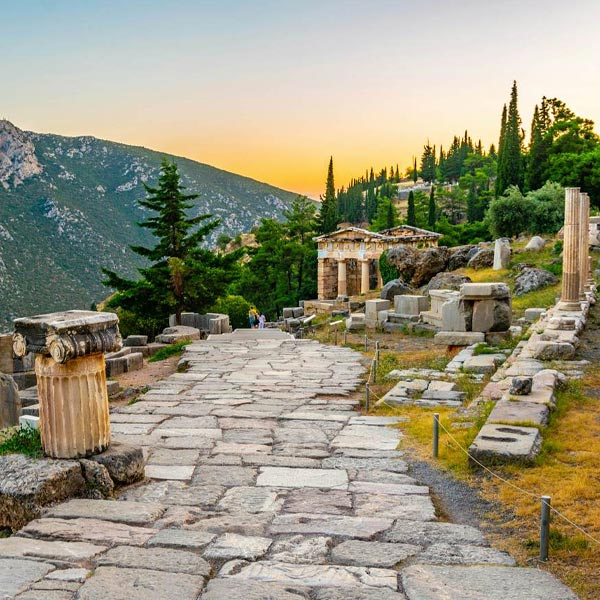
Sustainable travel in Greece isn’t just a trend; it’s how we ensure the islands’ crystal waters, ancient ruins, and village traditions survive for generations. As travelers who care about authentic experiences and meaningful connections, we can explore Greece while minimizing harm and maximizing benefit to local communities.
In this guide, we’ll share practical, on-the-ground advice for planning a low-impact trip, traveling responsibly, respecting local culture and heritage, and adopting eco-friendly habits, along with two sample five-day itineraries tailored for mindful travelers.
Why Sustainable Travel Matters In Greece
Environmental And Cultural Impacts Of Mass Tourism
Greece’s landscapes and heritage sites are fragile. Over-tourism concentrates pressure on a handful of hotspots, think Santorini’s caldera, Mykonos nightlife zones, and Athens‘ historic center, which leads to waste build-up, trail erosion, noise pollution, and water stress. Archaeological sites are vulnerable too: constant foot traffic and unregulated access accelerate wear on monuments that are thousands of years old. The result is a slower loss of the very attractions visitors come to see.
Mass tourism also reshapes local life. Rising short-term rental prices push residents out of city centers and island villages. Traditional livelihoods, such as fishing, small-scale farming, and crafts, can be undercut by high-season demands for packaged experiences. For travelers seeking authenticity, this change is a loss as much as it is a community problem.
Benefits Of Responsible Travel For Local Communities
When we travel responsibly, the benefits flow directly to people who preserve Greece’s character. Choosing family-run guesthouses and tavernas keeps income in the community. Hiring local guides supports jobs and ensures cultural knowledge is transmitted rather than packaged and diluted. Responsible tourism funds conservation projects, helps maintain trails and sites, and gives communities agency over how they welcome visitors.
Beyond economics, respectful travel fosters cultural exchange. We gain deeper, more personal experiences: an invitation to a home-cooked meal, a local legend told on a village square, or a craftsperson teaching us how to make worry beads. Those moments matter, and they’re the kind of memories we want future generations to have access to.
Planning A Low-Impact Trip
Choosing The Right Time To Visit
Timing changes the footprint of our trip. Shoulder seasons (April–early June and September–October) offer milder weather, fewer crowds, and lower pressure on infrastructure. Prices are usually better, too, which helps small businesses earn income across a longer season. Avoid traveling during peak summer weeks around major holidays when islands and archaeological sites are most congested.
We should also check local calendars: religious festivals and national holidays are meaningful cultural moments, but they can strain local resources. Plan with sensitivity and, when in doubt, ask hosts if participation is welcome.
Selecting Sustainable Accommodations
Not all lodgings are equal. We look for accommodations that demonstrate concrete sustainable practices: water-saving fixtures, solar panels, waste separation, local sourcing of food, and policies that prioritize hiring from the community. Small, family-run hotels and rural guesthouses often outperform larger chains in community benefit because earnings stay local.
When booking, we read recent guest reviews for signs of genuine hospitality and environmental measures. Platforms like mygreecetours.org work with local experts who can recommend vetted properties, places we’ve found that combine comfort with a clear commitment to their locale.
Prioritizing Small-Group And Local-Guided Tours
Small-group and private tours reduce the footprint of our visit and create better experiences. With fewer people, tours can visit sensitive sites without crowding, ask more thoughtful questions, and support local guides who know the landscape beyond guidebook highlights.
We choose operators who demonstrate fair pay and real ties to the community. Local guides often redirect us to lesser-known viewpoints and family-run eateries that large operators miss. This is one of the easiest ways to turn our tourism dollars into meaningful local income.
Getting Around Responsibly
Public Transport, Ferries, And Car Alternatives
Public transport in Greece is improving, and using it lowers our carbon footprint. Intercity buses (KTEL) and regional trains connect many mainland destinations affordably. Ferries are the backbone of island travel; choose conventional ferries over private speedboats when possible: they’re more fuel-efficient per passenger.
On islands and in rural areas, bikes and e-bikes are practical for short distances. Walking is often the most rewarding way to discover neighborhoods and historic centers. When we do need a vehicle, we prefer hybrid or electric rentals and avoid unnecessary driving during peak heat to reduce emissions and strain on local roads.
Eco-Friendly Island Hopping Tips
Island hopping sustainably requires planning. We favor longer stays on fewer islands rather than quick hops across many. Longer stays reduce transport emissions and let us connect with local people.
When booking ferries, we pick daytime crossings where possible: they’re safer, offer scenery, and discourage the night-time rush that strains harbor towns. We also support smaller ports and secondary islands where tourism spreads economic benefits more evenly. Finally, we respect marine life: no anchoring on seagrass meadows (Posidonia) and adhere to local advice on swimming and wildlife watching.
Respecting Local Culture And Heritage
Responsible Behavior At Archaeological Sites
Archaeological sites in Greece are both sacred and scientific resources. We follow posted rules, avoid climbing on ruins, and keep to designated paths. Photography restrictions exist in some locations; let’s respect them. Bringing food close to fragile monuments attracts pests and damages stone: we leave picnics for appropriate areas.
We also pay for official guides and entry fees. These revenues support conservation and site management, so our admission is an investment in preservation.
Supporting Local Crafts, Food, And Traditions
Buying directly from artisans and choosing restaurants that serve seasonal, local produce channels our spending to traditional livelihoods. We ask where ingredients are sourced and favor menus that highlight regional specialties, whether it’s a simple village cheese, a seafood dish caught the same morning, or honey from a nearby beekeeper.
When invited to ceremonies or workshops, we show curiosity but also patience and humility. Learning a folk dance or trying a recipe alongside locals is a gift: taking home a handmade object with a story is more meaningful than a mass-produced souvenir.
Practical Eco-Friendly Habits On The Road
Waste Reduction And Plastic-Free Practices
Plastic waste is a major issue in the Mediterranean. We carry a reusable water bottle with a built-in filter if needed, a lightweight tote, and a collapsible coffee cup. Avoiding single-use plastics reduces litter and keeps beaches and villages cleaner.
We also follow a leave-no-trace mindset: pack out what we bring in, dispose of waste in the proper bins, and compost where facilities exist. If we spot local clean-up efforts or beach restorations, volunteering a few hours is often welcome and memorable.
Water And Energy Conservation Tips
Water is scarce in parts of Greece, especially on small islands. We take shorter showers, reuse towels when practical, and avoid running taps unnecessarily. In hotels, we opt out of daily linen changes when offered.
Energy-wise, we turn off air conditioning and lights when leaving our room, unplug chargers, and favor accommodations that use renewable energy. Small choices, such as reducing laundry frequency, have outsized environmental benefits over two weeks.
Sample 5-Day Responsible Itineraries
Mainland Cultural Immersion (Athens + Peloponnese)
Day 1: Athens, Arrive, check into a family-run guesthouse in Plaka, and take an evening walking tour with a local guide to learn neighborhood histories and sustainable dining spots.
Day 2: Athens, Visit the Acropolis early with a certified local archaeologist guide, then support social-enterprise cafés in the city center for lunch. Afternoon visit to a community-run museum or cultural center.
Day 3: Travel to Nafplio (regional bus or shared transfer), stay in a small pension, walk the old town, and eat at a taverna sourcing from local farmers.
Day 4: Epidaurus and Mycenae, Small-group guided visits that emphasize conservation and local narratives: return to Nafplio and spend the evening with a cooking class led by a local family.
Day 5: Return to Athens by public transport, stop at a rural market en route to support small producers before departure.
Island Slow-Travel (Cyclades With Local Guides)
Day 1: Naxos, Ferry arrival, settle into a guesthouse run by islanders, rent bikes, and explore inland villages where farmers produce cheeses and potatoes unique to the island.
Day 2: Naxos, Half-day with a local guide visiting micro-wineries, family farms, and a potter’s studio. Afternoon beach time with attention to local guidelines for nesting habitats.
Day 3: Paros (short ferry), Stay in a small coastal inn, join a community-led walking tour of the old town and harbor, and dine at a restaurant that buys daily catch from local fishers.
Day 4: Antiparos or a less-visited neighbor. Spend the day with a local marine guide snorkeling responsibly and learning about posidonia meadows and conservation efforts.
Day 5: Return to Paros/Naxos and depart, choose a daytime ferry, and leave time to shop ethically for handmade souvenirs.
Both itineraries prioritize longer stays, local guides, public or conventional ferry transport, and small, community-focused accommodations, practical ways we reduce impact while deepening our experience.
Conclusion
Sustainable travel in Greece is as much about how we travel as where. By planning thoughtfully, choosing local partners like those at mygreecetours.org, and adopting simple eco-friendly habits, we protect landscapes, support traditions, and enrich our own journeys. Responsible choices let us enjoy Greece’s history and hospitality today, and preserve them for the travelers who follow.
Read more about Greece Tours:
- Greek Festivals To Experience: A Seasonal Guide To Culture, Food, Music, And Traditions
- Greek Ferry Booking Tips: How To Find The Best Routes, Seats, And Prices
- Greek Art And Museums Guide: What To See, Where To Go, And How To Plan
- Food Markets To Visit In Greece: A City-By-City Guide For Hungry Travelers
- Famous Greek Architecture Explained: Styles, Structures, And Lasting Influence