
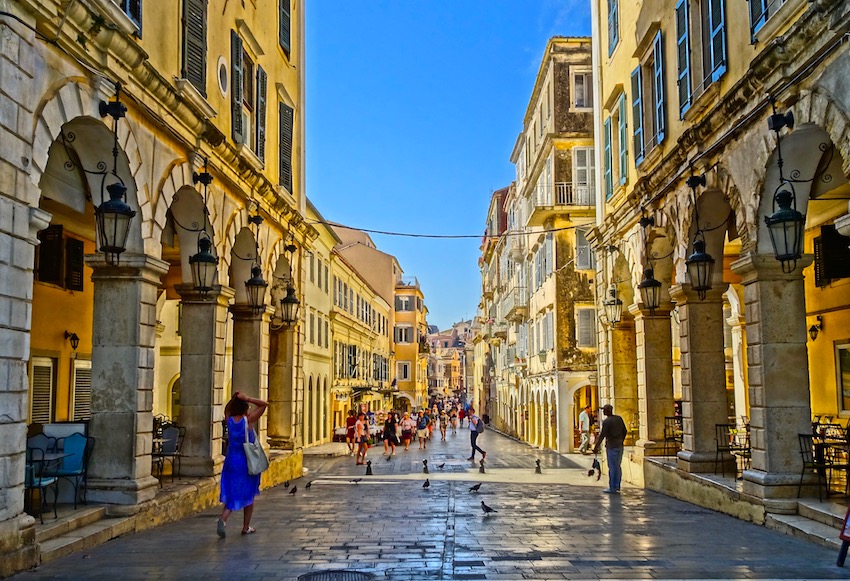
The Greek islands for first-timers can feel like a dream: whitewashed houses, sapphire seas, winding alleys, and ruins that whisper ancient stories. Plan the whole trip with Greece Tours. For many of us, that first trip raises a string of questions: where should we go, how do we get between islands, and what’s actually worth the time?
This practical guide cuts through the noise. Drawing on local expertise and realistic travel logistics, we’ll help you choose islands that match your interests, plan sensible 7–10 day itineraries, and avoid the common first-timer pitfalls so your trip is unforgettable for the right reasons.
Why Visit The Greek Islands
Greece’s islands are surprisingly diverse: some are postcard-perfect with cliffside villages and sunsets that stop conversations; others are fertile, slow-paced, and threaded with ancient sites. We visit the islands for reasons that often overlap: history, food, beaches, nightlife, and that intangible feeling of being somewhere both timeless and alive.
- Cultural depth: From Minoan palaces on Crete to medieval castles in Rhodes, the islands hold layered histories you can walk through. We can stand on ruins and still feel ordinary life humming nearby, cafés, markets, and fishermen.
- Landscapes and beaches: Whether you want long sandy stretches for family days or hidden coves reached only by boat, the islands deliver. The contrast between volcanic Santorini and verdant Corfu shows how varied the scenery is.
- Local life and food: Meals here are social rituals. We savor simple, fresh cuisine, olive oil that tastes like sunshine, grilled fish, and slow-roasted lamb, often shared with hosts who beam when we try speaking Greek.
- Accessibility and variety: Major hubs like Athens and Thessaloniki make the islands easier to reach than people assume, and a short ferry or flight can take you from party-friendly Mykonos to tranquil Naxos in a few hours.
For first-timers, the Greek islands offer manageable adventures: familiar comforts plus enough novelty to feel exploratory. With a little planning, we can have a trip that’s immersive without being exhausting.
How To Choose The Right Islands For Your First Trip
Choosing islands begins with candidly assessing what we want from the trip: romance and iconic views, family-friendly beaches, or deep cultural immersion. Geography and logistics then narrow options so we can make the most of the limited time.
Experience Types: History, Beaches, Romance, And Family
- History: Choose Crete, Rhodes, or Delos. Crete combines Minoan sites (Knossos) with Byzantine and Venetian layers: Rhodes has medieval Old Towns: Delos is small but archaeologically dense and perfect for a half-day visit from Mykonos.
- Beaches: Naxos and Paros have long sandy shores and shallow water good for families. Zakynthos (in the Ionian) is famous for Shipwreck Beach, but requires more planning to visit safely and responsibly.
- Romance/Iconic Sights: Santorini is the obvious pick, with spectacular caldera views, unforgettable sunsets, and stylish villas. We recommend pairing it with quieter islands to balance crowds.
- Family/Laid-back: Look at Paros, Antiparos, and some parts of Crete. Easy beaches, short distances between towns, and quieter nights make them practical with children.
Proximity, Travel Time, And Island Hopping Logistics
We always factor in travel time. Ferries are scenic and practical across the Cyclades, but high-speed options slow down in rough seas, and costs spike in high season. Flights can save time to Crete or Rhodes, but often land us on larger islands that then require car rentals.
- If you have 7–10 days, stick to islands within the same cluster (e.g., Cyclades: Santorini, Naxos, Paros) to avoid wasting days in transit.
- Night ferries can save hotel costs and maximize daylight, but bring earplugs and expect basic cabins.
- For authentic, hassle-free planning, local operators like ours at MyGreeceTours can coordinate transfers, ferries, and short private hops when ferries don’t align.
Best Time To Visit And What To Expect
Timing affects everything: weather, crowds, price, and even which villages feel lively or sleepy. We usually recommend the shoulder seasons for first-timers.
Weather, Sea Conditions, And Peak Vs. Shoulder Season Tradeoffs
- Peak season (July–August): Guaranteed sunshine and packed towns. Expect higher prices, crowded ferries, and buzzing nightlife. The strong Meltemi winds in the Aegean can make some sea journeys rough.
- Shoulder seasons (late April–June and September–early October): Our favorite times. Warm seas, manageable crowds, lower prices, and open restaurants in most places. Wildflowers bloom in spring: September offers warm water and calmer winds.
- Winter (November–March): Many islands quiet down, with limited services. Good for bargain travelers who want quiet and local life, but not ideal for beach-focused itineraries.
Sea conditions matter: ferries run almost daily in summer but can be modified by weather. We check forecasts before booking connections and, when possible, schedule buffer days to avoid being stranded.
Getting There And Getting Around
Getting to the islands is straightforward, but choices matter: flights save time, ferries add atmosphere. Once there, local transport decisions shape how much we see.
Flights, Ferries, And When To Choose Each
- Flights: Choose flights when islands are far apart (e.g., Athens to Crete or Rhodes) or when time is tight. Domestic flights are short and frequent in summer, but costs rise during peak months.
- Ferries: Ideal for island clusters in the Cyclades and Saronic. High-speed ferries cut travel time but cost more and can be trickier in high winds. Conventional ferries are slower but roomier and cheaper, good for budget travelers or those who like a relaxed pace.
Inter-Island Transfers, Day Trips, And Local Transport Options
- Inter-island transfers: Book early in high season. We like to leave at least a couple of hours between arrivals and onward departures to accommodate delays.
- Day trips: Boats to secluded beaches or nearby islets (like Delos from Mykonos) are often half-day excursions. Reserve in advance for peak season.
- Local transport: Rent a car or ATV for islands like Crete or Naxos, where attractions are spread out. In compact islands, such as Santorini or Mykonos, taxis, buses, and short car rentals work. Consider private transfers for small groups to save time and reduce stress.
Sample 7–10 Day Itineraries For First-Timers
Below are realistic, pace-friendly itineraries that balance iconic sights with time to breathe.
Classic Cyclades: Santorini, Mykonos, and Naxos (Romance + Iconic Sights)
Day 1–3 Santorini: Spend our days wandering Oia and Fira, take a sunset catamaran around the caldera, and visit a winery. Stay in a village with caldera views for at least one night.
Day 4–6 Naxos: Ferry to Naxos for relaxed beaches, Venetian castles, and inland villages. Rent a car for ancient sites and mountain villages.
Day 7–9 Mykonos: Finish with lively Mykonos, windmills, Little Venice, and sea-bathing. If nightlife isn’t our thing, use Mykonos as the hub for Delos day trips.
Culture & History Route: Crete, Rhodes, And A Smaller Island (Archaeology + Local Life)
Day 1–3 Crete (Heraklion): Explore Knossos and the Heraklion Archaeological Museum, sample Cretan cuisine in local tavernas.
Day 4–6 Crete (Chania/Elafonisi): Head west for Venetian harbors and pink sand at Elafonisi; this shows Crete’s scale.
Day 7–10 Rhodes + a smaller island (Symi or Halki): Fly to Rhodes for medieval Old Town and ancient Lindos, then take a short boat hop to a calmer Dodecanese isle for quiet beaches and fishing villages.
Laid-Back Island Loop: Paros, Antiparos, And A Beach-Focused Stay (Slow Travel + Families)
Day 1–3 Paros: Use Paros as a base, beaches, short hikes, Venetian Naoussa.
Day 4 Antiparos: Short ferry hop to Antiparos for serene coves and family-friendly bays.
Day 5–8 Paros or nearby: Return to Paros for longer beach days or a day trip to the fishing island of Despotiko. Keep this itinerary flexible for rest days and child-friendly schedules.
Practical Tips For A Smooth Trip
Small decisions determine whether a trip feels curated or chaotic. These are the practical bits we never skip.
Where To Stay: Towns, Villages, And Small-Group/Private Tour Options
- Town vs. village: Towns (Fira, Chania, Mykonos Town) give us nightlife and services; villages offer quieter evenings and more local interaction. We usually split nights between a lively town and a quieter village.
- Tours: We prefer small-group or private tours for archaeological sites and food experiences, these are where insider stories and access matter most. At Greece Tours, local guides who grew up on the islands can open doors to family-run eateries and off-the-beaten-path viewpoints.
Eating, Tipping, Money, And Health Essentials
- Eating: Try local specialties, Cretan dakos, Santorini tomato keftedes, and island cheeses. Ask hosts for their favorite taverna rather than relying only on online lists.
- Tipping: Not mandatory but appreciated, 5–10% in tavernas is common, a little more for exceptional service.
- Money: Carry some euros in cash, as small shops and remote spots sometimes prefer it. Cards are widely accepted on major islands.
- Health: Bring basic meds, sunscreen, and a small first-aid kit. If we plan boat trips, anti-nausea remedies help with choppy days.
Packing, Accessibility, And Respectful Local Customs
- Packing: Lightweight layers, comfortable walking shoes, good sun protection, and a small daypack. If we plan to rent scooters, bring closed-toe shoes.
- Accessibility: Some islands have steep alleyways and limited wheelchair access; ask in advance about accommodations and transport.
- Customs: Dress modestly when entering churches, greet with a simple “Kalimera” (good morning) or “Efharisto” (thank you), and respect local rhythms; shops may close for a long midday break in smaller towns.
Read more about Greece Tours:
- Best Scenic Train Rides In Greece: Routes, Highlights, And Planning Tips
- Greece Escorted Tours: How To Choose The Right Itinerary For Your Trip
- Must-See Places In Athens: The Ultimate 2,000-Word Guide
- How To Travel Between Greek Islands: Ferries, Flights, And Smart Island-Hopping Routes
- Adventure Activities In Greece: The Best Outdoor Experiences By Land, Sea, And Air
Conclusion
The Greek islands reward curiosity and patience. For Greek islands first-timers, thoughtful island choices, sensible pacing, and a few local connections transform a good trip into a memorable one. We recommend traveling in shoulder season when possible, clustering islands to reduce travel time, and reserving at least one night to simply linger, watch a sunset, eat slowly, and let the rhythm of the islands sink in. If you’d like a hand planning an itinerary tailored to your pace and interests, our local team at Greece Tours is built to do exactly that: insider access, small-group or private options, and practical logistics so you can focus on what matters, experiencing Greece.