
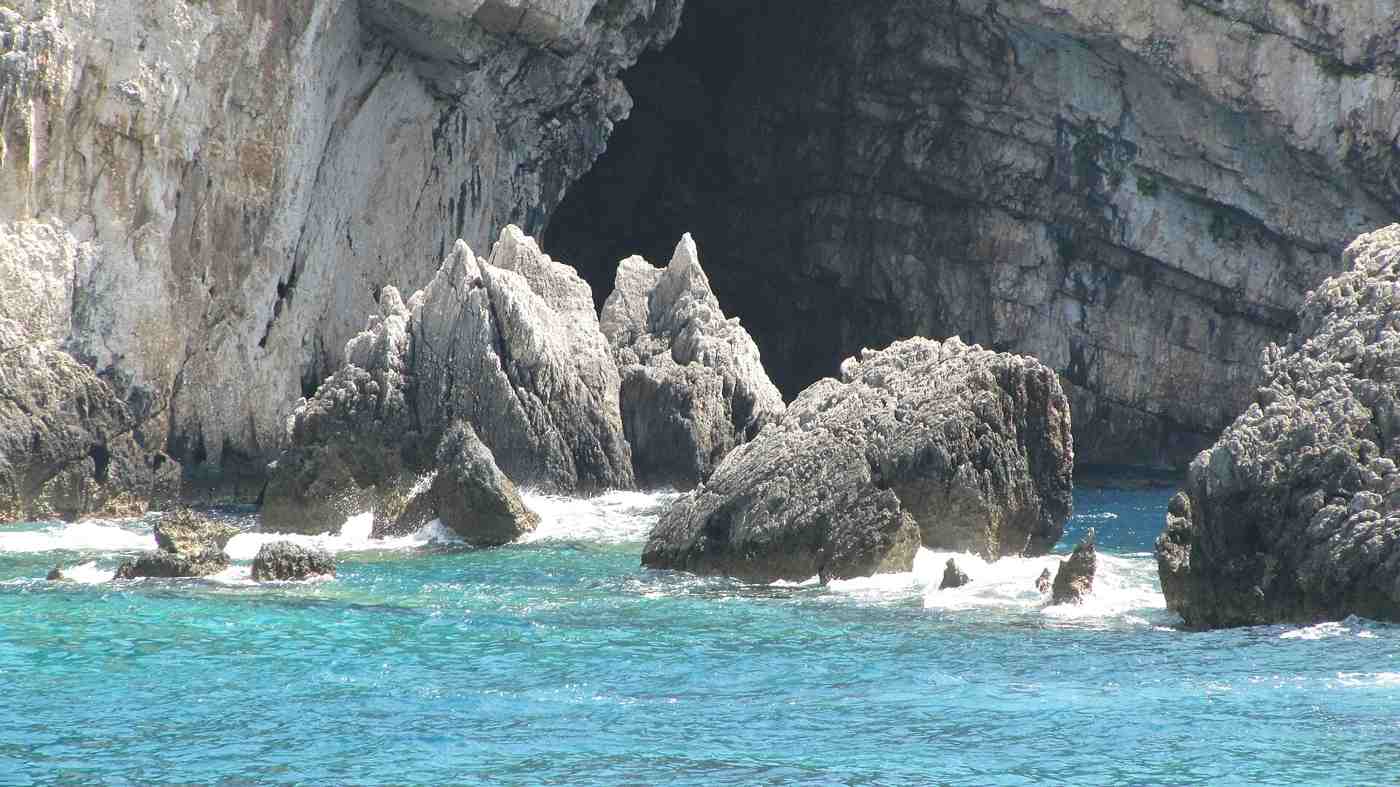
For a small island, Paxos offers a wealth of notable things to do, all centred on its beautiful sea, green olive groves and pretty harbour villages. The essential experiences are on the water: boat trips to the dramatic blue caves and the turquoise beaches of Antipaxos. Swimming and snorkelling in crystal-clear coves. Hiring a self-drive boat to explore hidden bays. On land, you can wander the charming villages of Gaios, Loggos and Lakka, walk the olive-grove trails to the spectacular Tripitos arch. Watch the famous sunset at Erimitis. Enjoy fresh seafood at waterside tavernas. This guide covers all the best things to do in Paxos, from boat trips and beaches to villages, walks, food and history. Plan the whole trip with Greece Tours.
Here you will find the best things to do in Paxos: boat trips around the island, visiting the blue caves, a day trip to Antipaxos, swimming at the beaches, exploring Gaios, Loggos and Lakka, walking to the Tripitos arch. The Erimitis sunset, hiring a boat, relaxing at Mongonisi, the food and tavernas, the olive oil and wine, watersports, sailing, the evenings, local festivals, shopping, the historic sights. Why the island is so rewarding to visit. Whether you are here for a day or a fortnight, and whether you crave activity or pure relaxation, this guide gathers together everything worth doing on the island.
What are the best things to do in Paxos?
The best things to do in Paxos are taking a boat trip to the blue caves and Antipaxos, swimming in the clear coves, exploring the villages of Gaios, Loggos and Lakka, walking to the Tripitos arch, watching the Erimitis sunset.
For such a small island, Paxos and Antipaxos offer a surprising variety of things to do, though they are all in keeping with the island’s relaxed, unspoilt character. The pleasures here are natural and simple rather than organised attractions: the sea, the villages, the olive groves and the food.
The essential experiences centre on the water, above all boat trips to the dramatic blue caves and the turquoise beaches of neighbouring Antipaxos. Along with swimming and snorkelling in the clear coves. On land, exploring the pretty harbour villages, walking the trails and enjoying the tavernas fill relaxed and rewarding days.
What follows is a guide to the best things to do in Paxos, from boat trips and beaches to villages, walks, sunsets, food and history. Together they show why this peaceful little island, quite different from the busier resorts of Greece, is such a rewarding and memorable place to visit.
Should you take a boat trip around Paxos and Antipaxos?
A boat trip around Paxos and Antipaxos is the single best thing to do on the island, taking in the blue caves, the dramatic west-coast cliffs, and the turquoise beaches of Antipaxos, with swimming stops along the way.
The number one thing to do on Paxos is to get out on the water, as much of the island’s beauty lies along a coast that no road reaches. Boat trips, whether organised cruises, private charters or hired self-drive boats, cruise the coasts of both islands, taking in the main sights and stopping to swim in clear, sheltered bays.
A typical trip includes the dramatic blue caves and towering white cliffs of the Paxos west coast. The great Tripitos sea arch. A crossing to the beaches of Antipaxos, with time to swim in the brilliant turquoise water. It is a notable, relaxing day, combining spectacular scenery with plenty of swimming.
There are options to suit everyone, from large sociable cruise boats to intimate private trips and self-drive hire. For the full range of choices, routes and costs, see our guide to Paxos boat trips, which is the essential experience of a holiday on the island.
Should you visit the blue caves of Paxos?
Visiting the blue caves is a highlight of any trip to Paxos.
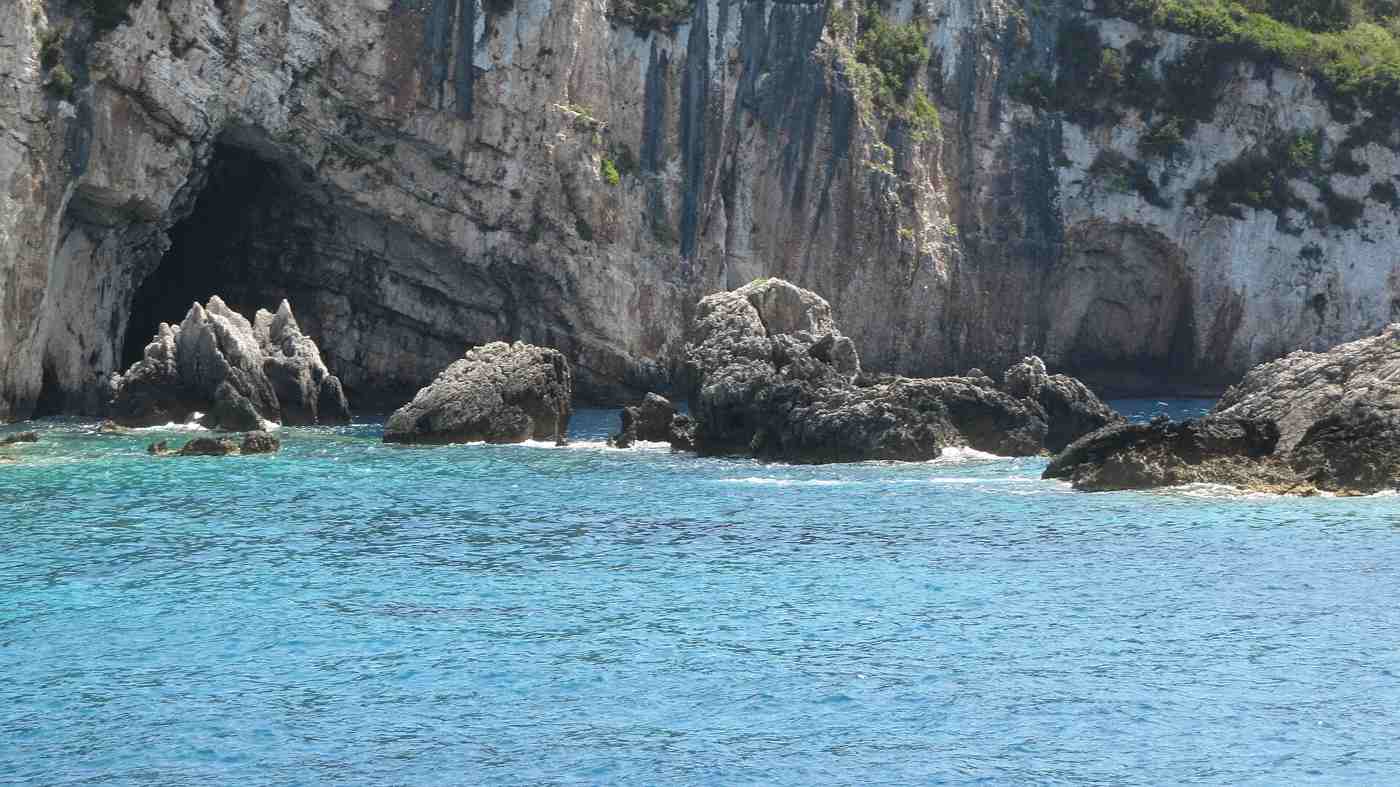
Among the most spectacular things to see on Paxos are the blue caves. A series of sea caves and grottoes carved into the towering white limestone cliffs of the wild west coast. Where the sunlight enters the clear water inside them, it glows an intense, luminous blue, giving the caves their name and their magic.
The caves can only be admired from the water, so seeing them is naturally part of a boat trip. Cruising beneath the great cliffs and past landmarks such as the Ipapanti cave and the Tripitos arch is an unforgettable experience and a favourite with visitors.
The caves are at their most vivid on a calm, sunny day around the middle of the day, when the light is strongest and drives deepest into the rock. On calm days the boats can approach the cave mouths closely, letting you appreciate the scale of the cliffs and the glowing water at close quarters. For more on how and when to see them, read our guide to the Paxos blue caves, one of the island’s great natural wonders.
Is a day trip to Antipaxos worth it?
A day trip to Antipaxos is a must-do from Paxos.
One of the essential things to do on Paxos is to take the short boat trip across to the tiny island of Antipaxos. Which lies just three kilometres to the south. Reached in around fifteen minutes by water taxi, self-drive boat or on a cruise, it is famous above all for its extraordinary beaches.
The soft white sands of Vrika and Voutoumi, lapped by shallow, brilliantly clear turquoise water. Are among the most beautiful beaches in the whole of Greece and a magnet for visitors. Swimming here, in water of an almost unreal colour and clarity, is a highlight of a holiday in the area. The quieter. Pebbly Mesovrika beach between them offers excellent snorkelling for those seeking a calmer spot away from the crowds.
Antipaxos is also known for its vineyards and has a couple of beach tavernas, but almost no other facilities, so it is wise to bring water and cash. For the full picture, see our guide to Antipaxos, an unmissable day out from Paxos.
Where can you swim at the beaches and coves of Paxos?
Swimming at the beaches and coves is one of the great pleasures of Paxos. The island’s small, pebbly coves, such as Monodendri, Levrechio and Kipos, have wonderfully clear turquoise water, ideal for swimming and snorkelling in beautiful, unspoilt surroundings.
Paxos is a paradise for lovers of clear water, and swimming at its beaches and coves is a must. Rather than long sandy strands, the island has small, intimate coves of white pebbles, whose clear. Turquoise water is perfect for swimming and snorkelling, set among green slopes and olive groves.
Among the favourites are the organised beach at Monodendri, the pretty coves of Levrechio and Marmari near Loggos. The lovely. Shaded Kipos, while the sheltered bays around Lakka and the sandy Mongonisi are ideal for families. Each has its own character, and part of the fun is finding your own favourite.
The water everywhere is remarkably clean and clear, and many of the best coves are reached on foot through the olive groves or by boat. For a full guide to where to swim, see our guide to the Paxos beaches.
What can you do in Gaios, the capital of Paxos?
Exploring Gaios, the capital, is a lovely thing to do on Paxos.
Gaios, the capital and main port of Paxos, is a delightful place to explore, set along a beautiful sheltered channel guarded by two little wooded islets. Its long waterfront of pastel buildings is lined with tavernas, cafes and shops, and behind it lies a maze of narrow lanes and small squares to wander.
The two little islets across the channel add greatly to the setting: Agios Nikolaos, with the ruins of a Venetian castle. Panagia. Crowned by a monastery, both reachable by a short boat trip across the calm water. Along with the main square, the historic churches and a folklore museum tracing the island’s traditional life. They give Gaios plenty to see beyond its relaxed, elegant charm and its lively daytime bustle.
Gaios is also the best place for dining, shopping and arranging boat trips. It is at its most enjoyable in the evening once the day-trippers have left. Our guide to Gaios covers the town in full.
What is there to do in the village of Loggos?
Exploring Loggos, the smallest and prettiest village, is a charming thing to do on Paxos.
Loggos, the smallest of the three villages, is for many the most charming, and well worth exploring. Gathered around a tiny horseshoe harbour on the east coast, with stone houses and a handful of waterside tavernas. It has an intimate, quietly stylish atmosphere and the striking old soap factory on its waterfront.
The village is especially famous for its food. Is considered to serve the best seafood on the island at its harbourside tavernas. Making it a notable place for a leisurely lunch or dinner watching the fishing boats. Nearby lie some of the prettiest coves on Paxos, such as Levrechio, Marmari and the shaded Kipos, all a short walk away through the olive trees.
Peaceful and picturesque, Loggos is a lovely place simply to wander, watch the fishing boats and relax. Our guide to Loggos tells you more about this enchanting little harbour village.
What is there to do in the village of Lakka?
Exploring Lakka, set around a beautiful horseshoe bay in the north, is a delightful thing to do on Paxos.
Lakka, at the northern tip of Paxos, is a beautiful village to explore, set around an almost enclosed horseshoe bay of clear, calm water. Backed by olive groves and cypress trees, and filled with yachts in summer, it has a relaxed, scenic charm and a gentle, cosmopolitan buzz.
There is plenty to do here: swimming and snorkelling in the sheltered bay, relaxing on the family beaches of Kanoni and Harami. Hiring a small boat or joining a diving trip, walking the trails into the hills for panoramic views. Watching the famous sunsets over the water. The village lanes, squares and tavernas are a pleasure to wander of an evening.
With its lovely setting, safe swimming and sailing culture, Lakka appeals to families, couples and everyone in between. Our guide to Lakka covers this scenic northern village in detail.
Can you walk the trails and see the Tripitos arch?
Walking the trails is a rewarding thing to do on Paxos, leading through ancient olive groves and between the villages to spectacular viewpoints.
Away from the beaches, walking is one of the best things to do on Paxos, on a network of old paths that wind through the island’s ancient olive groves. Past dry-stone walls and quiet villages to dramatic coastal viewpoints. It reveals the peaceful, green interior of the island and its timeless character.
The most celebrated walk leads from the capital, Gaios, south through the olive groves to the magnificent Tripitos arch. An enormous natural stone bridge carved by the sea, where the views over the water are spectacular. There are also lovely paths linking the three villages through beautiful countryside. You can walk from Lakka through Loggos to Gaios. Breaking the journey for a swim or a meal, and catch the bus back if you prefer not to retrace your steps.
The best times for walking are spring and autumn, when the weather is cooler and the countryside green, and a good map is useful as paths are unmarked. Our guide to Paxos walks describes the routes and the Tripitos arch in full.
Where can you watch the sunset on Paxos?
Watching the sunset at Erimitis is an unmissable thing to do on Paxos.
One of the most magical things to do on Paxos is to watch the sunset from Erimitis, on the wild western coast of the island. Here towering white cliffs face directly west over the open Ionian Sea. The sun sets straight ahead. Sinking into the water in a spectacular display at the end of the day.
The sky comes alive with gold, orange and pink. The white cliffs glow softly in the warm light, in a scene widely regarded as the finest sunset in the whole Ionian. It is a moment of real beauty and serenity, popular with couples and photographers alike.
Erimitis is a wild spot with no facilities, reached by a track and a steep path from near the village of Magazia. Sturdy shoes. Water and a torch for the walk back are wise. Read our guide to Erimitis for how to get there and make the most of the sunset.
Can you hire a self-drive boat on Paxos?
Hiring a self-drive boat is one of the best things to do on Paxos, and needs no licence for the smaller craft.
For the ultimate freedom on the water, hiring a small self-drive boat is one of the most rewarding things to do on Paxos. The smaller boats, up to a modest engine size. Can be driven without a licence after a short lesson. Even those with no experience can captain their own boat for the day.
This lets you explore the coast entirely at your own pace, anchoring in secluded coves that cannot be reached by road. Swimming in clear water away from the crowds. Crossing to the beaches of Antipaxos when you please. Packing a picnic and drinks and setting off for the day turns a boat trip into your own private adventure, one of the most memorable experiences the island offers.
Boats can be hired in Gaios, Loggos and Lakka, with training and safety equipment provided, and prices are reasonable, especially shared between a group. Our guide to Paxos boat trips covers self-drive hire and everything else about getting out on the water.
Is Mongonisi a good beach to relax at?
Relaxing at Mongonisi is a lovely thing to do on Paxos, especially for families.
At the southern tip of Paxos, the sheltered bay of Mongonisi is a lovely place to spend a relaxed day by the sea. It is home to one of the island’s few sandy beaches, a rarity on an island of pebble coves, with soft sand meeting shallow, calm, clear turquoise water.
The gentle, sheltered water makes Mongonisi especially popular with families, as it is safe and easy for children to swim, while sunbeds, a taverna and watersports such as canoe and paddleboard hire add to its appeal. The little islet is joined to the main island by a short causeway, and the whole spot has a tucked-away, peaceful feel.
Reached by road south from Gaios or by boat, with free mooring in the bay. Mongonisi is an easy and enjoyable outing. It sometimes hosts lively evenings of music and Greek dancing at the taverna in season. Our guide to Mongonisi tells you all about this sandy southern bay.
What is the food and dining like on Paxos?
Enjoying the food is one of the great things to do on Paxos.
Dining out is one of the essential pleasures of Paxos, and the island’s tavernas make the most of its fishing and olive-growing traditions. Fresh fish and seafood are the highlight, from grilled local fish to lobster spaghetti, alongside regional dishes such as the veal stew sofrito and the spicy fish stew bourdeto.
The harbour tavernas of Gaios, Loggos and Lakka set their tables right by the water, so you dine with the boats and the lights in view, especially magical at sunset. Tiny Loggos in particular is renowned for some of the best seafood on the island, making it a favourite for a special meal.
Underpinning it all is the island’s celebrated olive oil, used generously in the cooking and drizzled over grilled fish and salads. Sharing a spread of fresh fish, mezes and local wine by the water, at an unhurried pace, is a highlight of any visit, as our guide to Paxos food describes in full.
Can you taste the olive oil and local wine on Paxos?
Tasting the olive oil and local wine is a rewarding thing to do on Paxos.
Paxos is famous for its olive oil, pressed from the ancient groves that cover the island, planted in Venetian times and numbering hundreds of thousands of trees. Tasting this prized oil, drizzled over fresh fish or a salad at a taverna, or buying some to take home, is a genuine taste of the island.
The area is also known for wine, particularly from the vineyards of neighbouring Antipaxos. Which produces a robust local wine traditionally made by families from Paxos who cross over to tend their vines and bring in the harvest. A glass of this local wine with a meal by the water is part of the pleasure of dining on the island, and a genuine taste of its farming traditions.
For those interested in the island’s produce and heritage, learning about the olive oil and sampling the local wine adds another dimension to a visit. This deep connection between the land, the ancient groves and the table is one of the things that makes Paxos so distinctive.
What watersports can you try on Paxos?
Trying watersports is a great thing to do on Paxos, thanks to its clear, calm seas.
The clear, calm water around Paxos makes it excellent for watersports, adding some gentle adventure to a holiday. Snorkelling is a delight in the coves. Where the crystal-clear water and rocky edges are home to colourful fish and marine life. All you need is a mask and snorkel.
For exploring the coast under your own power, kayaks and paddleboards can be hired. Letting you glide along the rugged coastline and into hidden coves and secluded beaches at a gentle pace. It is a notable, active way to appreciate the beauty of the shore.
There is also a diving centre at Lakka catering to everyone from complete beginners to experienced divers, opening up the underwater world of clear water. Rocks and marine life around the island, with try-dives for newcomers and guided dives for the experienced. Stand-up paddleboarding, in particular, is a wonderfully calm way to glide over the crystal-clear shallows and peer down at the seabed. Together, these watersports offer active, memorable ways to enjoy the beautiful sea that surrounds Paxos, adding a little adventure to a relaxed island holiday.
What history and sights can you discover on Paxos?
Discovering the history and sights is a rewarding thing to do on Paxos.
Beyond its natural beauty, Paxos has a rich history to discover, shaped above all by four centuries of Venetian rule. The most prominent historic sight is the ruined Venetian castle on the islet of Agios Nikolaos off Gaios. Built in the fifteenth century to guard the harbour, alongside the monastery on the neighbouring Panagia islet.
In the villages, old Venetian-style houses, traditional churches and a folklore museum in Gaios tell the island’s story, while at Lakka a stone lighthouse and the remains of an old fortress recall its more turbulent past. The very landscape, one vast olive grove created in Venetian times, is a living monument to its history.
According to myth, the island was even created by Poseidon’s trident as a peaceful retreat, a legend that suits its serene character. Our guide to the history of Paxos explores the island’s fascinating past in more detail.
Can you go sailing or charter a yacht on Paxos?
Yes, sailing is a notable thing to do around Paxos, whose sheltered bays and clear seas make it a favourite with yachts.
The waters around Paxos and Antipaxos are among the loveliest in the Ionian for sailing, with sheltered bays. Clear seas and short, scenic passages. Taking to the water under sail is a memorable thing to do. Yachts can be chartered from Paxos or the wider region, either bareboat for the experienced or with a skipper for those who prefer to sit back and enjoy the sailing.
The island’s harbours make fine ports of call. With the almost enclosed bay of Lakka in the north especially popular as a safe and beautiful anchorage, filling with yachts in summer. Gaios and Loggos also welcome visiting boats, and the whole coast offers coves to anchor in for a swim.
Whether you charter for a day, join an organised sailing excursion, or arrive on your own yacht. Sailing opens up the coast and the crossing to Antipaxos in a relaxed, romantic way. For those who prefer to captain a smaller boat themselves, self-drive hire, covered in our guide to Paxos boat trips, is an easy alternative.
What are the evenings and nightlife like on Paxos?
Evenings on Paxos are relaxed and charming rather than lively, centred on long dinners at the waterside tavernas and drinks at harbour bars and cafes.
Evenings are a special time on Paxos, though the island is peaceful rather than a party destination, so the pleasures are gentle and atmospheric. The heart of an evening here is a long, leisurely dinner at one of the waterside tavernas in Gaios, Loggos or Lakka. Over fresh seafood, local wine and the lights reflecting on the harbour, especially magical at sunset.
The villages offer a relaxed scene of harbour bars and cafes for a drink or a cocktail, and pleasant strolls along the waterfronts and through the lanes. Gaios, as the largest village, has the most choice and a little more life in the evenings, while Loggos and Lakka are quieter and more intimate.
Those seeking loud clubs and late-night parties will not find them on Paxos, which is part of its appeal for visitors. Instead, the island offers sociable, easy-going evenings in beautiful settings, the perfect end to a day of swimming and exploring, in keeping with its unhurried, unspoilt character.
Can you experience local festivals on Paxos?
Yes, experiencing a local festival is a memorable thing to do on Paxos.
For a taste of authentic island life, timing a visit to coincide with one of the local festivals is a notable thing to do on Paxos. Like much of Greece, the island keeps traditional religious festivals, known as panigiria. On the feast days of saints and churches, with music, dancing, food and wine that everyone is welcome to join.
One of the best known is the festival held on the little islet of Panagia, off Gaios, which celebrates the church there. Drawing islanders and visitors across the water for a lively and colourful occasion. The villages of Gaios, Loggos and Lakka also hold their own celebrations through the summer.
These festivals offer a rare and enjoyable glimpse of the island’s living traditions and community spirit, quite different from the usual tourist attractions. Experiencing the music, dancing and hospitality of a Paxos panigiri is a memorable way to connect with the real culture of the island.
Where can you shop for local produce on Paxos?
You can shop for local produce in the villages of Gaios, Loggos and Lakka, whose small shops sell the island’s prized olive oil, along with local wine, honey, herbs and crafts.
Shopping on Paxos is a low-key but enjoyable pastime. Centred on the small shops of the three villages rather than big stores. It is a good way to take a piece of the island home. Above all, the island’s famous olive oil, pressed from its ancient groves, is a notable buy, sold in the villages alongside other local produce.
The shops of Gaios, as the capital, offer the widest choice, from olive oil, local wine, honey and herbs to crafts. Ceramics and clothing, while Loggos and Lakka have their own smaller shops and boutiques with charm and character. Browsing these while wandering the pretty waterfronts is a relaxed pleasure.
Buying local olive oil, wine or honey directly supports the island and gives you an authentic taste of Paxos to enjoy after your holiday. Combined with a coffee or a drink at a harbour cafe, a little shopping makes for a pleasant, gentle way to pass part of a day in the villages.
Is Paxos good for a relaxing, slow holiday?
Paxos is perfect for a relaxing, slow holiday, as its peaceful, unspoilt character invites you to unwind.
the best thing to do on Paxos is, in a sense, very little, as the island is made for a relaxing, slow holiday. Its peaceful, unspoilt character, gentle pace and lack of crowds or pressure invite you to unwind completely, and simply enjoying the tranquillity is one of the island’s greatest pleasures.
A perfect day involve nothing more than a long swim in a clear cove, a lazy lunch at a waterside taverna. An afternoon by a villa pool or on a quiet beach. An unhurried dinner as the sun goes down. There is no rush from sight to sight, and the island rewards those who slow down.
For anyone seeking to escape the stresses of everyday life and reconnect with nature and each other, Paxos is idyllic. Choosing a peaceful base, as our guide on where to stay in Paxos describes, and settling into the island’s gentle rhythm is a holiday pleasure in itself.
Can you explore the olive groves and countryside of Paxos?
Yes, exploring the ancient olive groves and green countryside is a lovely thing to do on Paxos.
Away from the coast, the green, cultivated interior of Paxos is a delight to explore, and doing so reveals a quieter, timeless side of the island. Much of Paxos is covered in ancient olive groves, planted in Venetian times and numbering hundreds of thousands of trees, threaded by old paths, dry-stone walls and quiet country lanes.
You can discover this landscape on foot, following the walking trails through the groves and hamlets, by hired bike or e-bike, or by car and scooter along the inland roads. Wandering among the gnarled old olive trees, past traditional cottages and little churches, gives a vivid sense of the island’s rural heritage.
The olive groves are especially beautiful and atmospheric. Cool and shady in summer and carpeted with wildflowers in spring. They are central to the island’s character and its famous olive oil. Exploring them, as our guides to Paxos walks and getting around Paxos describe, is a peaceful and rewarding thing to do.
Why visit Paxos?
You visit Paxos for its unspoilt beauty, crystal-clear seas, dramatic caves and cliffs, pretty harbour villages and relaxed pace.
For all its small size, Paxos packs an extraordinary amount into a peaceful, unspoilt island, which is why it rewards a visit so richly. From boat trips to the blue caves and the turquoise beaches of Antipaxos, to swimming in clear coves. Walking to the Tripitos arch and watching the sunset at Erimitis, the natural pleasures are endless.
Add to these the charm of the harbour villages, the notable seafood and olive oil, the ancient olive groves and the island’s rich history. All enjoyed at a gentle, relaxed pace. Paxos becomes a destination that stays in the memory. It offers the timeless pleasures of a Greek island holiday without the crowds and development of busier places.
Whether you come for a day, a week or longer, whether as a couple, a family or a group, Paxos has something special to offer. From action on the water to complete relaxation by a quiet cove, it lets every visitor shape the holiday they want at their own pace. With so things to do in this beautiful, unspoilt corner of the Ionian. It is one of the most rewarding and enchanting islands in all of Greece. A place that draws visitors back year after year.
Frequently Asked Questions
What is the number one thing to do in Paxos?
The number one thing to do in Paxos is to take a boat trip around the island and across to neighbouring Antipaxos, as this single experience captures the very best of what the island has to offer and reaches the beauty that lies along a coast no road can access. A typical boat trip cruises the dramatic west coast of Paxos to see the towering white cliffs and the famous blue caves, where sunlight makes the water glow an intense blue, passes the great Tripitos sea arch. Crosses the short distance to the tiny island of Antipaxos.
Whose beaches of Vrika and Voutoumi have some of the most beautiful white sand and turquoise water in all of Greece, with time to swim in the clear, sheltered bays along the way. You can experience this in ways to suit your preferences: on a large, sociable organised cruise, on a more intimate private charter with a skipper. Or by hiring a small self-drive boat, which needs no licence for the smaller craft and gives you complete freedom to explore at your own pace and find your own secluded coves. Whichever you choose, a day on the water is relaxing, spectacular and full of swimming. It combines the island’s finest scenery.
From caves and cliffs to sandy beaches, into one unforgettable outing. While there are many other notable things to do on Paxos, from exploring the villages to walking and watching the sunset, it is this quintessential boat trip that most visitors remember as the highlight of their holiday. It is the experience not to miss.
Is there much to do in Paxos?
Yes, there is plenty to do in Paxos, though the island’s attractions are natural and relaxed rather than the organised sights. Resorts and nightlife of busier destinations. It suits those looking for a laid-back holiday of sea, scenery, villages and food. On and around the water, you can take boat trips to the blue caves and the beaches of Antipaxos, swim and snorkel in the many clear coves. Hire a self-drive boat to explore hidden bays, try kayaking or paddleboarding, or dive with the centre at Lakka. On land, there is the pleasure of exploring the three pretty harbour villages of Gaios, Loggos and Lakka, each with its own character.
Walking the network of old paths through the olive groves and out to the spectacular Tripitos arch. Watching the famous sunset from the wild cliffs of Erimitis. Add to these the relaxed enjoyment of the island’s food, with its superb fresh seafood and celebrated olive oil at waterside tavernas. The sandy family bay of Mongonisi. The historic sights such as the Venetian castle off Gaios and the ancient olive groves, and it is clear that a visitor to Paxos need never be bored. What the island does not have is a lot of conventional tourist attractions, theme parks or lively nightlife. Those seeking non-stop action find it too quiet, but for anyone who loves the sea.
Natural beauty, charming villages and good food at a gentle pace, there is more than enough to fill a notable and relaxing holiday, whether for days or a couple of weeks.
What can you do in Paxos when it rains?
Outdoor destination. Rain is uncommon during the summer season, there are still enjoyable things to do on the rare wet day, mostly centred on the island’s villages, food and indoor pleasures. The obvious refuge is a long, leisurely meal at one of the many waterside tavernas in Gaios, Loggos or Lakka, lingering over fresh seafood, mezes. Local wine and the island’s celebrated olive oil while watching the rain on the harbour, which is a very pleasant way to pass a wet hours. You can also explore the villages under cover of an umbrella, wandering the narrow lanes.
Browsing the small shops for local produce, crafts and olive oil to take home. Stopping at cafes for a coffee or a drink. In Gaios, the folklore museum offers a glimpse of the island’s history and traditional way of life, providing an indoor cultural activity. The historic churches are also worth a look. A wet day can be a good opportunity to relax at your accommodation too. Especially if you are staying in a villa with a comfortable interior, catching up on reading or simply enjoying the change of pace.
It is often just a matter of waiting it out over a long lunch before the sunshine returns and you can get back to the beaches and boat trips. Because the island’s main attractions are outdoors and on the water, a prolonged spell of bad weather is best simply enjoyed at a relaxed pace, embracing the island’s naturally unhurried rhythm.
What are the best things to do in Paxos with family?
Paxos offers plenty of enjoyable things to do with a family, centred on its safe, sheltered beaches. Its boat trips and its relaxed, easy pace, making it a lovely destination for a holiday with children. The best family activity is a day at one of the sheltered, shallow beaches, above all the sandy Mongonisi at the southern tip and the family beaches of Harami and Kanoni at Lakka. Where the calm, clear, shallow water is safe and fun for children to paddle and swim. A short boat trip across to the beaches of Antipaxos is another highlight for families.
Combining an exciting fifteen-minute boat ride with a day on soft white sand in shallow turquoise water, while cruises to the blue caves amaze children and adults alike. Snorkelling in the clear coves, spotting fish among the rocks. Is easy and rewarding for older children. Hiring a small self-drive boat lets families explore quiet coves at their own pace with everyone aboard. On land, wandering the pretty villages for an ice cream, feeding the ducks along the waterfront at Gaios. Gentle walks through the olive groves keep children happily occupied, while the friendly, informal tavernas make eating out with children easy.
Safe and unhurried, with short distances and calm seas, it is a relaxing and reassuring place for a family holiday. As always in the Greek sun, hats, high-factor sun cream, shade and plenty of water are essential for children. Water shoes are useful on the pebbly beaches, but with these simple precautions a family holiday on Paxos is easy, safe and full of simple pleasures.
How days do you need in Paxos?
How days you need in Paxos depends on the kind of holiday you want. Most visitors find that around a week is ideal. Allowing time to enjoy the island’s relaxed pace and to fit in its main experiences without rushing. In a shorter stay of two or three days, you still see the highlights, taking a boat trip to the blue caves and Antipaxos, swimming at a couple of the best coves. Exploring the capital Gaios and one or two of the other villages. Enjoying some good meals by the water, though it feel fairly full.
With a week, you can settle into the island’s gentle rhythm, spreading out the boat trips, beaches and villages, adding a walk to the Tripitos arch and a sunset at Erimitis. Relaxing by a pool or on quiet beaches. Getting to know the three villages of Gaios, Loggos and Lakka and their tavernas, which suits the unhurried nature of Paxos perfectly. Those who really want to unwind, or who love the island, often stay for two weeks or more, using the time for plenty of relaxation alongside exploring. Day trips and simply enjoying the peaceful atmosphere, combining Paxos with a stay on neighbouring Corfu.
Paxos is small and its pleasures are about relaxation and natural beauty rather than a long list of sights to tick off, it rewards a slower, longer stay. It can also make a notable shorter escape or an add-on to a trip elsewhere in the Ionian. In short, a week is the sweet spot for most, but anything from days to a fortnight can make a lovely holiday on the island.