
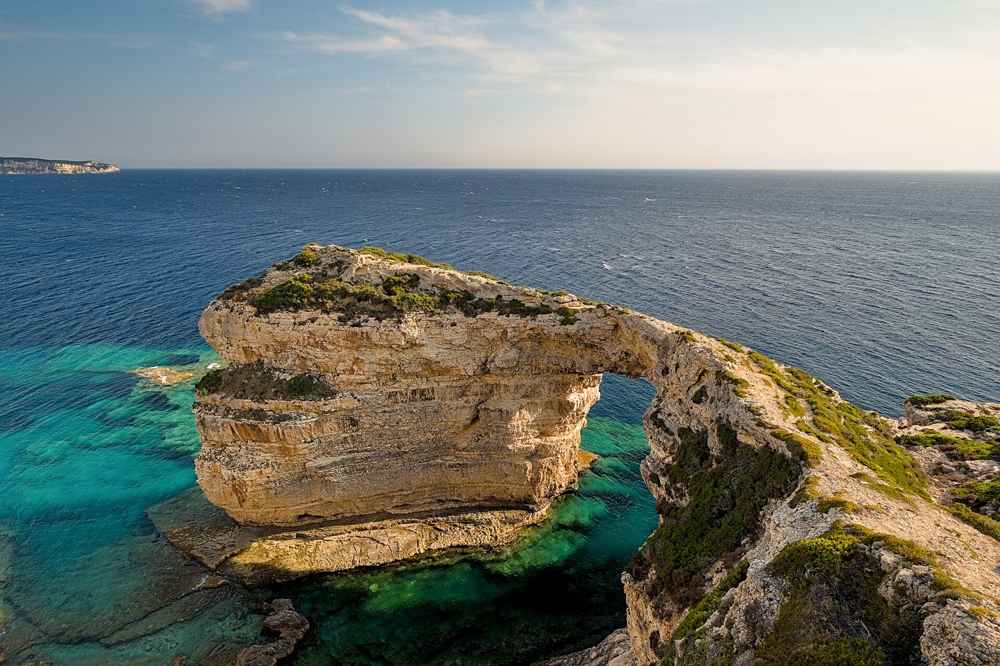
Paxos is a notable island for walking, laced with a network of old paths and mule tracks that wind through its ancient olive groves. Past dry-stone walls and quiet villages to dramatic coastal viewpoints. The most famous walk leads from the capital, Gaios, south through the olive groves to the magnificent Tripitos arch. A natural stone bridge carved by the sea. There are others, including scenic paths linking the three villages of Gaios, Loggos and Lakka. With its small size, gentle terrain and beautiful scenery, Paxos rewards walkers of all abilities, especially in spring and autumn. This guide covers walking on Paxos in full: the Tripitos arch walk, the best trails. Plan the whole trip with Greece Tours.
Walking between the villages, the olive groves, the maps and guides, when to go and what to bring.
Here you will find everything about walking on Paxos: whether it is good for walkers, the famous Tripitos arch walk, what the arch is, the best trails, walking between the villages. The olive groves, the best time to go, what to bring, the walking maps and guides, how difficult the walks are, what you will see. Why Paxos is such a rewarding island to explore on foot. Whether you fancy a short stroll among the olives or a longer cross-island hike. This guide will help you plan your walks and make the most of the island’s beautiful trails.
Is Paxos good for walking?
Yes, Paxos is excellent for walking, with a network of old paths and tracks running through its ancient olive groves, past villages and dry-stone walls to fine coastal viewpoints.
Walking is one of the great pleasures of Paxos and Antipaxos, and the island is criss-crossed by a network of old paths, mule tracks and quiet lanes that make it a delight to explore on foot. These trails wind through the endless olive groves that cover the island, past ancient dry-stone walls. Tiny churches and traditional villages, to dramatic clifftops and sweeping sea views, linking almost every corner of Paxos on foot.
Only around ten kilometres long. The terrain is mostly gentle, the walks are manageable for people of a range of abilities, from short strolls to longer half-day routes. The scenery is beautiful and varied, and the quiet, unspoilt landscape gives walkers a real sense of the timeless character of the island.
Walking also reveals a side of Paxos that visitors miss, away from the harbours and beaches: the green. Cultivated interior, the old olive presses and stone cottages. The wildflowers of spring. For those who enjoy exploring on foot, Paxos is a rewarding and surprisingly rich walking destination.
What is the Tripitos arch walk on Paxos?
The Tripitos arch walk is the most famous walk on Paxos, a route of around half an hour from Gaios heading south through the olive groves and villages towards the coast, where the magnificent natural stone arch of Tripitos rises.
The best-known walk on Paxos leads to the spectacular Tripitos arch, and is a highlight of a visit to the island. The route begins in the capital, Gaios, and heads south-east through peaceful olive groves and past small settlements towards the wild south-western coast, following rustic, rocky paths and old limestone tracks.
The walk itself takes around thirty minutes each way and is relatively easy, though sturdy footwear is needed as the odd section is uneven underfoot. Winding on through the groves and along the trails, it is a scenic and atmospheric route. Giving a taste of the quiet interior of the island before the drama of the arch is revealed.
At the end, the path emerges high above the coast at the Tripitos arch, a magnificent natural stone bridge, where the views out over the sea are sweeping. Many consider this the finest short walk on Paxos, combining the beauty of the olive groves with one of the island’s most striking natural landmarks.
What is the Tripitos arch?
The Tripitos arch is a magnificent natural stone bridge on the south-west coast of Paxos, carved by the action of the waves on the coastal limestone.
The Tripitos arch, sometimes called Kamara, is one of the natural wonders of Paxos. An enormous and elegant stone arch that spans the sea at the foot of the cliffs on the wild south-western coast. It was formed over long ages by the action of the waves eroding the soft coastal limestone into this dramatic natural bridge.
Seen from the clifftop at the end of the walk from Gaios, the arch is a spectacular sight. Framing the deep blue sea below and set against the rugged, unspoilt coast. It is one of the most photographed landmarks on the island and a favourite destination for walkers seeking a memorable reward at the end of their route through the groves.
The arch can also be admired from the water, and boat trips along this coast pass beneath and around it, so it features both on the classic walk and on many Paxos boat trips. Whether reached on foot or seen from the sea, Tripitos is a highlight of the island’s dramatic coastal scenery.
What are the best walks on Paxos?
The best walks on Paxos include the Tripitos arch route from Gaios, the coastal and country paths linking Gaios, Loggos and Lakka, walks around the dramatic Erimitis cliffs, and routes through the olive groves of the interior, all offering beautiful.
Beyond the celebrated Tripitos arch walk, Paxos offers a variety of rewarding routes for walkers. Among the finest are the paths that link the three villages, allowing you to walk between Gaios. Loggos and Lakka through the olive groves and along the coast, combining pretty harbour settings with green countryside and sea views along the way.
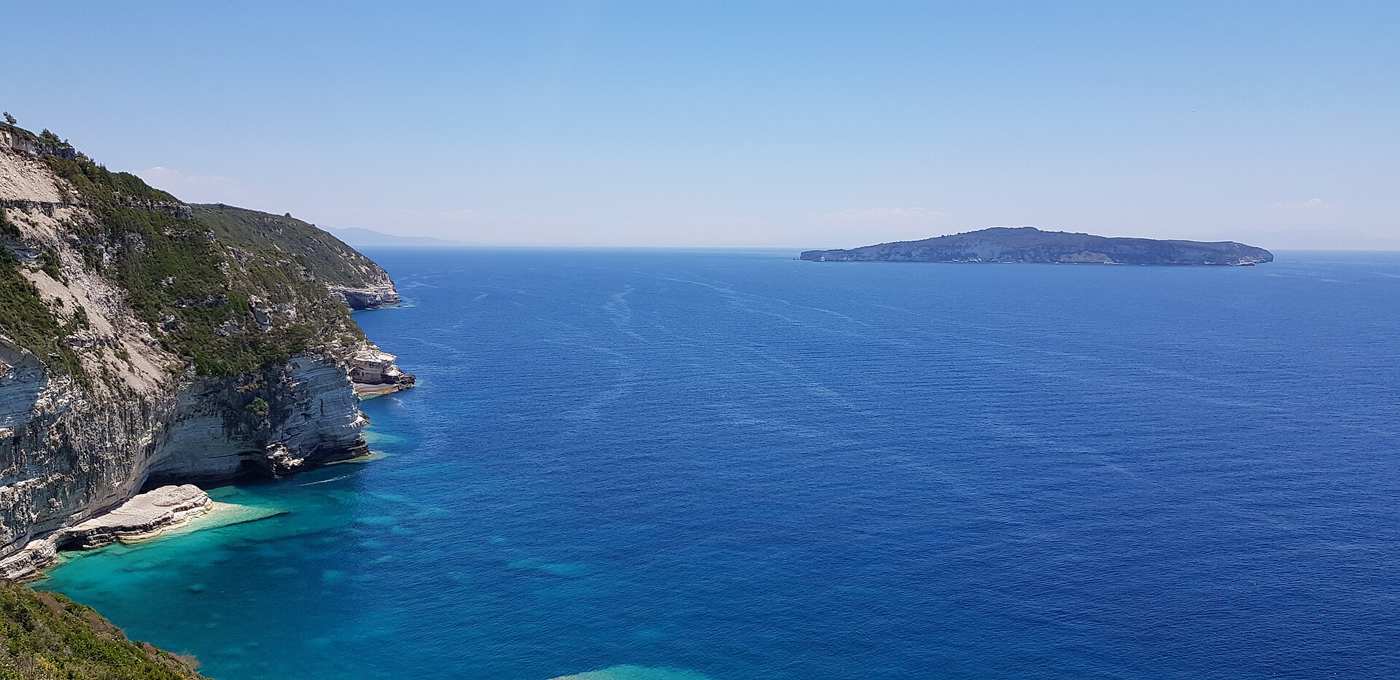
The dramatic west coast provides some of the most spectacular walking, with routes towards the towering white cliffs of Erimitis. Especially beautiful towards sunset. Other paths reaching quiet coves and viewpoints. In the interior, gentler walks wander among the ancient olive groves. The dry-stone walls and the traditional hamlets that dot the island, ideal for a shorter, shadier outing on a warm afternoon.
There are also shorter strolls around each village and its nearby beaches and headlands, ideal for a gentle outing before or after a swim. With such variety, from easy coastal ambles to longer cross-island routes. Walkers on Paxos can choose according to their energy and interests. Part of the pleasure is discovering the island’s trails for yourself.
Can you walk between the villages on Paxos?
Yes, you can walk between the three villages of Paxos on scenic paths through the olive groves and along the coast.
One of the joys of walking on Paxos is that you can travel between the villages on foot, following old paths and tracks rather than the road. Scenic routes link the capital, Gaios, in the south with Loggos and, further north, Lakka, winding through the olive groves and countryside of the interior and along stretches of the coast.
These walks make it possible to combine a village-to-village hike with lunch or a swim at either end. To see the green, cultivated heart of the island along the way. The path between Lakka and Loggos, and on towards Gaios, is a particular favourite, offering lovely views over the bays and the sea. Along the way you pass through shady olive groves. Cross old stone terraces and glimpse the water between the trees. The walk is as rewarding for its scenery as for the pretty villages at either end.
The walks are manageable in a morning or afternoon. You can always catch the local bus back if you do not wish to retrace your steps. Walking between the villages is a notable way to experience the beauty and tranquillity of Paxos.
What is walking through the olive groves of Paxos like?
Walking through the olive groves of Paxos is a peaceful, beautiful experience, among ancient, gnarled olive trees, centuries old, and long dry-stone walls.
Much of the walking on Paxos passes through the island’s famous olive groves, which cover a large part of its surface and are one of its defining features. The trees are ancient, most of them centuries old, planted in the era of Venetian rule. Their gnarled, twisted trunks and silvery leaves give the groves a magical, timeless quality.
Threading between the trees are long dry-stone walls, built over generations to retain the thin soil on the terraced slopes, a remarkable feat of traditional labour that shapes the landscape. Walking here, in the dappled shade of the olives, past old cottages and presses, gives a vivid sense of the island’s agricultural heritage.
The groves are peaceful and atmospheric in every season, cool and shady in the heat of summer and carpeted with wildflowers in spring. Birdsong and the hum of insects fill the air. Here and there you come upon an old stone cottage. A chapel or the remains of an olive press, quiet reminders of the generations who worked this land. For a great number of walkers, it is these olive groves, as much as the coastal views. That make walking on Paxos so special and so different in character from other Greek islands, giving the routes a gentle, contemplative quality all of their own.
When is the best time for walking on Paxos?
The best time for walking on Paxos is spring and autumn, especially April, May, June, September and October, when the weather is warm but not too hot and the countryside is green.
The ideal months for walking on Paxos are those either side of high summer, when the weather is warm and pleasant rather than fiercely hot. April, May and June in spring, and September and October in autumn, are especially rewarding, with comfortable temperatures for walking and, in spring, a green landscape full of wildflowers.
In these shoulder months the light is beautiful, the paths are quiet. Conditions are perfect for enjoying the olive groves. The coastal views and the village-to-village routes without the exhaustion of the summer heat. Autumn also brings the atmosphere of the olive harvest approaching in the groves.
During the height of summer, in July and August. The midday heat makes long walks tiring and uncomfortable. It is best to walk in the cooler hours of the early morning or the evening, and to carry plenty of water. For serious walking, however, the spring and autumn are far more comfortable and are the times most walkers prefer.
What do you need for walking on Paxos?
For walking on Paxos you need sturdy footwear, as paths are rocky and uneven, along with plenty of water, sun protection, a hat and sunglasses.
Sensible preparation makes walking on Paxos much more enjoyable. The single most important item is sturdy, comfortable footwear with good grip, as the paths are often rocky. Uneven and sometimes slippery underfoot. Proper walking shoes or boots are far better than sandals for the island’s trails.
It is essential to carry ample water, especially on longer routes, along with sun protection, a hat and sunglasses, since shade is not guaranteed away from the olive groves. Light, breathable clothing is comfortable, with something warmer for cooler spring or autumn days.
A walking map or guidebook is also highly recommended, as a number of the paths are unmarked and can be confusing. Having a reliable route to follow adds greatly to the confidence and pleasure of a walk. With these essentials, walkers are well equipped to enjoy the trails of Paxos safely and comfortably.
Are there walking maps and guides for Paxos?
Yes, there are dedicated walking maps and guides for Paxos.
For anyone serious about walking on Paxos, a good map or guide is well worth having, and the island is fortunate to have a couple of excellent dedicated resources. The most celebrated is the Bleasdale walking map of Paxos. A detailed and much-loved map compiled and continually expanded over years by a devoted long-term visitor, which reveals every path and corner of the island.
An alternative, especially useful for planning ahead before you travel, is the Sunflower walking guide to Paxos and Antipaxos. Which describes a range of routes across the two islands with maps and directions. Either of these makes finding and following the trails far easier and more rewarding.
These guides are particularly valuable given that some of the island’s paths are unmarked or faint, and can be tricky to follow without help. Armed with a good map, walkers can explore the network of trails with confidence and discover the quieter corners of Paxos that lie away from the main routes.
Is walking on Paxos difficult?
Walking on Paxos is generally not difficult, with mostly gentle terrain and short distances suited to a range of abilities.
For the most part, walking on Paxos is not strenuous, thanks to the island’s small size, short distances and largely gentle, rolling terrain. Many of the popular routes, including the walk to the Tripitos arch and the paths between the villages. Are relatively easy and manageable for anyone reasonably fit, taking from half an hour to hours.
The main challenges come from the nature of the paths and the climate rather than from steep climbs. Certain trails are rocky, uneven or a little overgrown. Which is why sturdy footwear and a degree of care are needed. One or two routes on the wilder coast are more demanding, but there is nothing to trouble a capable walker.
The heat of high summer is the other factor to consider, as it can make longer walks tiring. Choosing the cooler months or the cooler hours of the day helps a great deal. It is also worth starting early on longer routes, allowing time to rest in the shade. Turning back if the going proves harder or hotter than expected, as there is no shame in shortening a walk on a warm day. Overall, Paxos offers accessible, enjoyable walking rather than tough hiking. Making it suitable for casual walkers and keen enthusiasts alike. It is this gentle accessibility that helps make the island such a rewarding place to explore on foot.
What will you see walking on Paxos?
Walking on Paxos you will see ancient olive groves and dry-stone walls, traditional villages and old churches, the dramatic Tripitos arch and white west-coast cliffs, sweeping sea views, and, in spring, carpets of wildflowers, all in a peaceful, unspoilt landscape.
The rewards of walking on Paxos are the beautiful and varied sights that unfold along the trails. Above all there are the ancient olive groves, with their gnarled trees and long dry-stone walls. The traditional villages and hamlets. Old cottages, olive presses and little churches that tell of the island’s rural past and heritage.
The coastal walks bring spectacular natural scenery. From the magnificent Tripitos arch and the towering white cliffs of the west coast to hidden coves and sweeping views over the deep blue Ionian Sea. The contrast between the green, cultivated interior and the wild. Dramatic coast is one of the delights of walking here. Few short walks anywhere pack in such variety of scenery in so small a space.
In spring, the countryside is carpeted with wildflowers, from orchids to poppies and anemones, adding colour and scent to the walks, while the peace and quiet of the trails, far from the busier harbours and beaches, offer a real sense of tranquillity and space to breathe. These sights and this atmosphere together make walking one of the most rewarding ways to experience the island.
Why go walking on Paxos?
You go walking on Paxos to discover the peaceful, beautiful interior of the island, its ancient olive groves, traditional villages and dramatic coast, including the Tripitos arch.
The reason to go walking on Paxos is that it opens up the true character of the island in a way that lingering on the beaches and in the harbours cannot. On foot, you discover the green, cultivated heart of Paxos, its centuries-old olive groves and dry-stone walls, its quiet villages and churches, and the dramatic natural landmarks of its coast.
Walking also brings a sense of peace and connection with the landscape, following old paths at a gentle pace through beautiful, unspoilt scenery, far from any crowds. Reaching a viewpoint such as the Tripitos arch or a clifftop over the sea on foot, after a walk through the olive groves, is a deeply rewarding experience.
For all these reasons, walking is one of the finest ways to appreciate the beauty and tranquillity of Paxos. Whether on the famous Tripitos route, a village-to-village hike or a gentle stroll among the olives. Any visitor with an interest in the outdoors will find the island a walker’s delight. The memories of quiet paths. Silver olive groves and sudden sea views among its timeless landscapes last long after the holiday ends.
Frequently Asked Questions
How do you get to the Tripitos arch on Paxos?
You get to the Tripitos arch on Paxos either on foot, by the classic walk from Gaios. Or by boat along the coast. For walkers reaching it on foot is one of the highlights of a visit to the island. The walking route begins in the capital, Gaios. Heads south-east through peaceful olive groves and past small settlements towards the wild south-western coast. Following rustic, rocky paths and old limestone tracks for around thirty minutes each way through the quiet countryside. The walk is relatively easy but does require sturdy footwear, as the odd section is uneven underfoot.
It is best done in the cooler months or the cooler hours of the day, carrying ample water and sun protection. At the end, the path emerges high on the clifftop above the sea, where the magnificent natural stone arch of Tripitos. Also known as Kamara, spans the water below, offering spectacular views over the deep blue Ionian. A walking map or guide, such as the well-known Bleasdale map or the Sunflower guide, is helpful for finding the route, as paths are unmarked. Alternatively, the arch can be admired from the water.
Many boat trips along this stretch of coast pass beneath and around it, so those who prefer not to walk can still see this striking landmark. Reached on foot or by sea, the Tripitos arch is one of the natural wonders of Paxos and well worth the effort.
Can you walk from Lakka to Gaios on Paxos?
Yes, you can walk from Lakka to Gaios on Paxos. It is one of the most popular longer walks on the island. Taking you the length of Paxos through beautiful countryside rather than along the road. The route links the northern village of Lakka, set around its sheltered bay, with the tiny harbour of Loggos midway down the east coast. On to the capital, Gaios. In the south, following old paths and tracks through the ancient olive groves and along stretches of the coast, with lovely views over the bays and the sea along the way. Because the villages are only kilometres apart on this small island, the walk is manageable in hours.
You can break the journey at Loggos for a swim or a meal at one of its celebrated seafood tavernas, making a very pleasant day of it. Many walkers choose to walk one way and catch the local bus back, which runs between Gaios. Loggos and Lakka times a day in summer, avoiding the retrace their steps. Sturdy footwear, water and sun protection are recommended, as sections are rocky and uneven and shade is not guaranteed. A walking map or guide is useful, since parts of the route are unmarked. Walking between the villages in this way is a notable and peaceful way to experience the green.
Unspoilt heart of Paxos and to link its three lovely harbour settlements on foot.
Are the walking paths on Paxos marked?
The walking paths on Paxos are not consistently marked. While some of the more popular routes are relatively easy to follow. Others are faint, unmarked or overgrown, which is why a good walking map or guide is highly recommended for exploring the island on foot. Paxos has a rich network of old paths, mule tracks and lanes that wind through its olive groves, between its villages and along its coast. Most of these are traditional routes rather than waymarked tourist trails, so they do not always have clear signposts or markers, and one junction among the olive groves can look much like the last.
This is where the island’s dedicated walking resources come into their own: the celebrated Bleasdale walking map of Paxos, compiled and continually expanded over years by a devoted long-term visitor. Is renowned for revealing every path and corner of the island in detail, while the Sunflower walking guide to Paxos and Antipaxos describes a range of routes with maps and directions. Is especially useful for planning ahead. Armed with one of these, walkers can follow the trails with far greater confidence and discover the quieter parts of the island that lie away from the main routes. It is also sensible to carry water. Wear sturdy footwear and set out in the cooler parts of the day.
To allow a little extra time in case a path proves harder to follow than expected. With a good map and a little care, the lack of consistent waymarking is no obstacle to enjoying the notable walking that Paxos offers.
Is the Erimitis walk on Paxos worth doing?
The walk to the Erimitis cliffs on the west coast of Paxos is well worth doing. For lovers of dramatic scenery and sunsets it is one of the most rewarding routes on the island. Erimitis is a stretch of the wild western coast where towering white cliffs plunge into deep blue water, quite different from the gentle. Sheltered east coast. The walk out to the clifftops rewards you with spectacular views over the sea and the rugged coastline. It is especially famous as a place to watch the sunset, when the white cliffs glow in the evening light and the sky and sea turn shades of gold and pink.
Many visitors time their walk for the late afternoon and evening to catch this display. Often rounding it off with a drink at a spot overlooking the view. The walk itself is not especially long or difficult. As with all walking on Paxos, sturdy footwear is advisable for the rocky. Uneven ground, and it is wise to carry water, sun protection and, if walking at sunset, a torch for the return in case darkness falls. A walking map or guide is helpful for finding the route. Combined with the beauty of the olive groves you pass through and the drama of the cliffs and sunset at the end.
The Erimitis walk is a memorable experience and a fine complement to the more famous walk to the Tripitos arch on the opposite side of the island.
Can you do guided walks on Paxos?
Yes, it is possible to do guided walks on Paxos. For visitors who rather not navigate the island’s sometimes unmarked paths on their own. A guided walk can be a notable way to explore the trails with the added insight of a knowledgeable local guide. Guided walking tours are offered on the island, typically taking small groups along the scenic routes through the olive groves, between the villages and out to landmarks such as the Tripitos arch and the western cliffs. With the guide pointing out the natural features, the history of the olive groves and dry-stone walls, the wildflowers and birds.
The traditional way of life, adding a depth to the walk that is hard to achieve alone. This is especially appealing for those who want to learn about the island as they walk. Who feel unsure about following the paths themselves, or who simply enjoy the company and reassurance of a guide. For independent walkers, the alternative is to use one of the excellent local walking maps or guides, such as the celebrated Bleasdale map or the Sunflower walking guide. Which describe and map the routes in detail and make self-guided walking straightforward and enjoyable. Whether guided or independent, walking is one of the best ways to discover the peaceful. Unspoilt interior of Paxos.
Choosing a guided walk can be a particularly rewarding and informative option, especially early in a stay when you are still getting to know the island.