
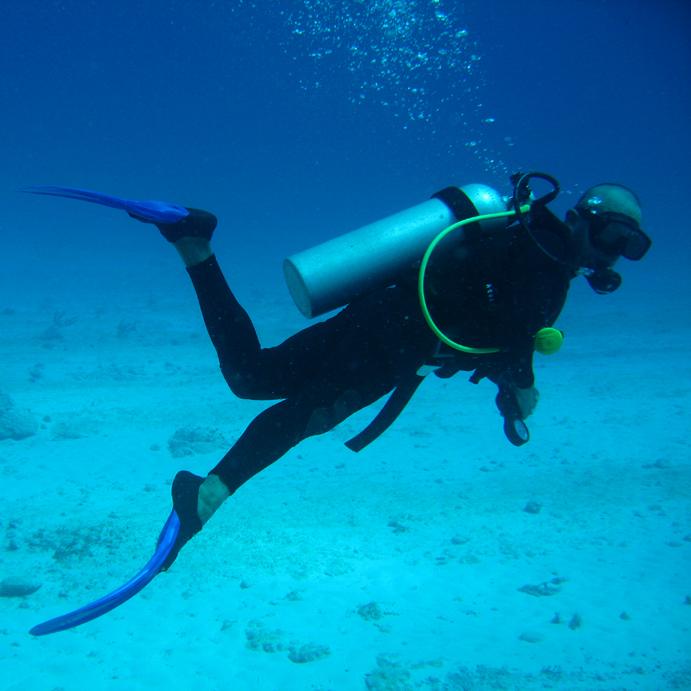
Diving in Thassos uses the clear waters of the north Aegean, a green island off the coast of northern Greece with calm seas and warm water for much of the year. Dive centres cluster in the tourist resorts of the south and west coast, offering courses for all levels, equipment rental and organised trips out to the rock. Visibility often reaches about 30 metres, and the rocky seabed holds walls, reefs, small caves and marine life within easy reach of the shore. Beginners try discover-scuba sessions in sheltered bays, while certified divers head for walls, wrecks and drift sites. This guide maps the diving of the island in full, planned for your trip with My Greece Tours. Plan the whole trip with Greece Tours.
Diving here rewards travellers who want the sea as well as the sand, since the calm coast and clear water suit first dives and deeper trips alike. The sections below cover what the diving is like and why the Aegean here works, where the dive centres sit, and the best sites for beginners such as the easy reef off Pefkari. They also map the advanced walls, wrecks and drift dives, weigh the conditions, visibility and season, and set out the courses and try-dives on offer. Practical notes follow on planning a diving day and pairing it with beaches and boat trips. Plan the whole island around your dives with Thassos tours and build a route that fits your dates.
What is diving in Thassos like and why is the Aegean here so good?
Diving in Thassos uses the clear waters of the north Aegean, with calm seas, warm water and visibility often reaching about 30 metres. The rocky underwater landscape holds walls, reefs, small caves and marine life for every level.
Diving in Thassos trades on a coast of calm, clear water off the green island of the north Aegean. The sea stays flat through most of the season, sheltered by the land and rarely stirred by open swell. Dive centres run from the tourist resorts of the south and west, close to the sand and the harbours. Clear water lifts the visibility, so divers read the seabed and the rock without strain. The mix of easy reefs and deeper walls suits a first lesson as well as a trained descent. Marble seams run through the coast and give the underwater rock its pale, bright face. Thassos rewards the diver who wants gentle conditions rather than a testing, current-swept shore.
Water clarity marks out the north Aegean around Thassos more than any single site does. Visibility often reaches about 30 metres on a calm day, opening long views across the reefs and walls. Warm water from late spring into autumn keeps the dives comfortable without a heavy suit. The rocky seabed drops away in shelves and slopes rather than a flat, featureless plain. Small caves cut into the rock at several sites, and reefs rise close to the surface for the shallowest dives. Fish gather over these ledges, giving snorkellers and divers alike a slow tour of the marine life. Thassos packs this variety into a short stretch of sheltered coast, easy to reach from the resorts.
Underwater landscapes shape the appeal of the island as strongly as its beaches do. Walls of pale rock plunge from the shallows into deeper blue at sites such as San Antonio near Potos. Reefs off Pefkari and other bays stay shallow enough for a first open-water dive. Debris fields and an old shipwreck give the deeper trips a focus beyond the plain seabed. Drift dives such as Kefalas carry trained divers along the coast on a gentle current. The bare cliffs above the water hint at the rugged rock that continues below the surface. Thassos therefore reads as a varied dive coast, from easy reefs to walls and wrecks within a short sail.
Divers of every level find a place in the water around Thassos. Beginners take discover-scuba sessions in the calm shallows, close to the shore and the instructors. Reef dives with a maximum depth of only about 10 metres give first timers an easy open-water start. Certified divers reach the walls, the wreck and the drift sites out along the coast. The dive centres grade each trip to the group, so a mixed party still finds a shared day. Warm water and steady conditions ease the learning, and the clear sea builds confidence fast. Thassos suits the whole spread, from a first breath underwater to a deeper dive on the rock.
Where are the dive centres on Thassos?
Dive centres on Thassos sit in the tourist resorts of Potos, Pefkari, Skala Prinos and Limenaria, with a further centre at the sandy beach of Astris. A PADI 5-Star dive resort works from Potos on the south coast.
Dive centres on Thassos gather along the south and west coasts, close to the busiest resorts. Potos holds a PADI 5-Star dive resort, the flagship base for courses and guided dives on the island. A stay in Potos puts that centre within a short walk of the long southern beach. The neighbouring cove at Pefkari runs its own diving centre from the sand, using the calm, sheltered water off the bay. Both bases sit on the south coast, the part of the island closest to the mainland port of Keramoti. Divers reach the water within minutes of the sunbeds. Thassos keeps its diving close to the resorts, so a dive rarely means a long transfer.
West coast diving works from the port and resort of Skala Prinos. A centre at Skala Prinos runs trips from the harbour that ties Kavala to the island by ferry. Divers there reach the shallow debris field of an old ferry off the coast, an easy site for early dives. Limenaria, the largest town on the south coast, adds further diving among its resorts. The spread of centres means most bases on the coast sit within reach of a dive. Ferries and the ring road link the ports, so a west-coast dive stays easy from a southern room. Thassos balances its diving between the south and the west, close to the two main ferry routes.
Astris gives the island a further dive base on its quieter south-east corner. A diving centre works from the sandy beach of Astris, next to the fine sand of Psili Ammos. The calm bay there gives easy entry and clear water for lessons and guided dives. Quieter than Potos, the beach suits divers who want the sea without the crowds of the larger resort. The centre grades its trips to the group, from a first try-dive to a deeper descent. Nearby beaches and coves add snorkelling to a diving day on the same stretch of coast. Astris rounds out the map, so the south coast holds diving at both its busy and its quiet ends.
Choosing a centre comes down to the base and the level of the diver. Potos suits those who want the PADI 5-Star resort and the long beach behind it. Pefkari draws divers who prefer a calm cove and a centre steps from the sand. Skala Prinos fits a west-coast base and the shallow ferry wreck close to the port. Astris rewards the quiet corner of the south-east, near the sand of Psili Ammos. Each centre supplies tanks, masks and fins for hire, so visitors travel light. Thassos spreads its diving across the coast, so the choice follows the resort rather than a long drive to a single site.
Which are the best dive sites for beginners on Thassos?
Beginner dive sites on Thassos include Pefkari Reef, an easy reef dive with a maximum depth of only about 10 metres, and the shallow debris field off Skala Prinos at about 5 to 8 metres. Both suit first open-water dives.
Beginner diving on Thassos centres on the shallow reefs and calm bays of the south and west. Pefkari Rock and Pefkari Reef give an easy reef dive with a maximum depth of only about 10 metres. The shallow rock suits a first open-water dive, close to the shore and the diving centre on the sand. Clear water and a gentle bed let new divers read the reef without strain. Fish gather over the ledges, giving the dive a focus beyond the plain seabed. The sheltered bay holds the water flat, so entry and exit stay simple for a first descent. Pefkari therefore ranks among the friendliest starts for a beginner on the island.
Shallow wreck diving off Skala Prinos gives beginners a rare early wreck at little depth. The debris field of an old ferry lies off the coast at a shallow depth of about 5 to 8 metres. The site sits within reach of a first open-water dive, close to the harbour and the west-coast centre. Scattered metal on the seabed draws fish and gives new divers a clear focus underwater. The shallow water keeps the dive short on air and gentle on the ears. Guides lead each group across the field, pointing out the remains of the old boat. Skala Prinos therefore adds a wreck to a beginner’s log without the depth of a deeper site.
Discover-scuba sessions open diving to those without a certificate at all. The dive centres run these first breaths in the calm shallows, close to the shore and the instructors. Warm water and a flat, sheltered bay ease the nerves of a first descent. A guide stays alongside the whole time, controlling the depth and the pace. The shallow reefs and the clear water make the seabed easy to read from the start. Masks, fins and tanks come from the centre, so a first diver travels with nothing. Thassos uses its sheltered bays as a training ground, turning a curious swimmer into a first-time diver in a morning.
Snorkelling bridges the gap for families and cautious first timers on the island. The reefs off Pefkari and the rock at the edges of the bays sit within a shallow swim. Masks and fins turn a plain float into a slow tour of the seabed close to shore. Clear water and a gentle bed make the swim easy for children and early swimmers. The same sheltered bays that suit a first dive also hold the calmest snorkelling. Fish over the reef fill an hour without a tank or a lesson. Thassos rewards the beginner who starts on the surface, then steps down to a first reef dive when ready.
What are the advanced dive sites, walls, wrecks and drift dives?
Advanced dive sites on Thassos include the San Antonio walls near Potos, the ancient wooden shipwreck off the Virgin Mary islet, the ferry debris field off Skala Prinos and drift dives such as Kefalas along the coast.
Advanced diving on Thassos opens up the walls, wrecks and drift sites along the coast. The underwater rocks of San Antonio, or Agios Antonios, sit near Potos and give great wall diving. Pale rock plunges from the shallows into deeper blue, a long descent for trained divers. The site rewards a diver who can hold depth and read the wall as the light fades below. Fish and marine life gather along the ledges of the rock, close to the drop. Guides from the Potos resort lead these dives, grading the descent to the group. San Antonio ranks among the finest wall dives on the island, a step beyond the shallow reefs.
Wreck diving off the Virgin Mary Island gives the coast a rare piece of history underwater. Divers at the Panagia islet see the remains of an ancient wooden shipwreck on the seabed. The old timbers lie where the ship went down, a focus for a dive beyond the plain rock. Clear water lifts the view across the wreck, so the shape of the hull reads from a distance. Guides carry trained divers to the site by boat from the nearby resorts. The remains draw fish and mark a slow, careful dive around the timbers. Panagia therefore adds a genuine ancient wreck to the island’s deeper dives, rare among Aegean sites.
Ferry wreck diving off Skala Prinos suits both new and trained divers alike. A debris field from an old ferry lies off the west coast at a shallow depth of about 5 to 8 metres. The scattered metal draws fish and gives the dive a clear focus on the seabed. Trained divers use the site as an easy wreck between deeper trips along the coast. The shallow water keeps the dive gentle, though the field spreads wide enough to fill a full descent. Guides from the west-coast centre lead each group across the debris. Skala Prinos therefore serves as a bridge site, an easy wreck that still rewards a logged diver.
Drift diving carries trained divers along the coast on the pull of a gentle current. Kefalas and similar sites let a diver ride the water rather than swim the whole descent. The current sweeps the group past walls and rock, covering more ground than a static dive. Boats drop divers up-current and collect them down the coast at the end of the run. Clear water and the steady flow make the drift a smooth, controlled dive rather than a wild ride. Guides read the current and time the entry to the flow. Kefalas rounds out the advanced menu, adding a drift to the walls and wrecks of the island.
What are the diving conditions, visibility and season on Thassos?
Diving conditions on Thassos stay calm and sheltered, with excellent visibility often reaching about 30 metres and warm water from May to October. The rocky seabed holds small caves, reefs and marine life across the season.
Diving conditions on Thassos favour the diver who wants calm, sheltered water over a testing shore. The sea stays flat through most of the season, held by the land against open swell. Calm seas keep entry and exit simple, whether from a beach or a boat. Excellent visibility often reaches about 30 metres, opening long views across the reefs and walls. The clear water lets divers judge depth and read the seabed without strain. Small caves, reefs and rock give each dive a focus beyond the plain floor. Thassos therefore reads as a gentle dive coast, where the conditions build confidence rather than demand it.
Water temperature shapes the diving season across the calm coast of the island. Warm water runs from May to October, the long window that suits diving without a heavy suit. Late spring warms the sea while the resorts stay quiet, an easy start to the season. High summer holds the warmest water, comfortable for long dives and first lessons alike. Autumn keeps the heat in the sea well past the busiest weeks, a calmer time to dive. The sheltered bays warm faster than the open sea, good for beginners in the shallows. Thassos stretches its dive season across half the year, from the first warm weeks to the mild autumn.
Marine life fills the reefs and walls of the island through the diving season. Fish gather over the ledges and the reefs, close enough to the surface for snorkellers to watch. The rock holds small caves and cracks where sea life shelters from the open water. Clear water lifts the view, so a diver reads the marine life across the whole dive. The debris fields and the old wreck draw fish to the scattered metal and timber. The pale marble seabed brightens the water and shows the life against the rock. Thassos rewards the diver who watches the reef as closely as the wall, since the marine life fills both.
Seasonal timing rewards a little planning for a diving trip to the island. Late spring and early autumn pair warm water with quieter resorts and centres. High summer packs the beaches, though the diving stays calm off the sheltered bays. The sea holds its heat past the peak, so autumn diving loses little on the summer. Booking a dive ahead matters most in the busiest weeks, when the centres fill their trips. The calm coast keeps the conditions steady across the whole warm season. Thassos therefore suits a diving visit at either end of the season, when warm water meets a quieter shore.
What courses and try-dives can you do on Thassos?
Dive centres on Thassos offer courses for all levels, from discover-scuba try-dives for beginners to certification and guided trips for trained divers. A PADI 5-Star dive resort at Potos runs the fullest programme on the island.
Courses on Thassos run the full range, from a first breath underwater to trained certification. The dive centres in the resorts offer lessons for all levels, graded to the diver. Discover-scuba try-dives open the sea to those without a certificate, in the calm shallows close to shore. Entry courses lead a beginner from the pool-calm bay to a first open-water dive on the reef. Trained divers add further qualifications and guided trips to the walls and wrecks. The PADI 5-Star dive resort at Potos runs the fullest programme, the flagship base on the island. Thassos therefore serves the whole path, from a curious swimmer to a logged, certified diver.
Try-dives give the simplest start for anyone curious about the sea. A discover-scuba session runs in the calm shallows, close to the shore and the instructors. A guide stays alongside the whole time, controlling the depth and the pace of the dive. Warm water and a flat, sheltered bay ease the nerves of a first descent underwater. Masks, fins and tanks come from the centre, so a first diver travels with nothing at all. The session lasts a morning, enough to feel the sea and read the seabed. Thassos uses its sheltered bays for these first dives, turning a beach day into a first breath underwater.
Certification courses lead a beginner to a recognised open-water qualification. The centres teach the theory, the pool-calm skills and the open-water dives across a few days. Reef dives with a maximum depth of only about 10 metres give the early open-water descents. A trained instructor grades each step, so the diver builds skill before the deeper sites. The clear, calm water of the bays eases the learning and builds confidence fast. The qualification opens the walls, the wrecks and the drift dives once the diver logs it. Thassos packs a full course into a short stay, close to the beach and the resort.
Guided trips serve the diver who already holds a certificate and wants the sites. The centres run boat dives to San Antonio, the Panagia wreck and the drift at Kefalas. Guides grade the descent to the group, so a mixed party still finds a shared dive. Tanks, weights and guidance come from the centre, so a trained diver travels light. The trips read the conditions and the current, timing each entry to the calm of the day. A logged diver adds walls, wrecks and drifts to a Thassos trip within a short sail. Thassos therefore rewards the certified visitor as fully as the first-time beginner.
How do you plan a diving day and combine it with beaches and boat trips?
Diving days on Thassos pair well with the beaches and boat trips of the same coast. Book a dive from Potos, Pefkari, Skala Prinos or Astris, then spend the afternoon on the sand or out on a boat.
Planning a diving day on Thassos starts with the base and the level of the diver. A morning dive from Potos, Pefkari, Skala Prinos or Astris leaves the afternoon free for the sand. The centres run their trips early, while the sea lies flat and the visibility peaks. Booking ahead secures a place on the boat, most of all in the busiest summer weeks. Tanks, masks and fins come from the centre, so a diver carries little to the shore. The calm bays warm through the morning, easy for entry and exit on a first dive. Thassos keeps the diving close to the resorts, so a dive day needs no long transfer.
Beaches fill the hours around a dive on the same stretch of coast. Pefkari and Potos hold long, pine-backed sand steps from their diving centres. Astris sits next to the fine sand of Psili Ammos, a beach day and a dive on one bay. The sheltered coves warm through the day, easy for a swim between or after a dive. Sunbeds, beach bars and tavernas line the fronts, so lunch never means a walk inland. The clear water that suits the diving also rewards a snorkel off the rock at the edges. Thassos therefore pairs each dive with a beach, close to the sand and the shade.
Boat trips extend a diving day out along the coast beyond the reach of the shore. Booking a Thassos boat trip from the harbour by Potos takes in coves and sea caves along the south coast. The boats leave in the morning while the sea lies flat, the same window that suits the diving. Day cruises circle part of the island, stopping to swim at coves that no road reaches. Swimmers drop straight from the deck into clear water far deeper than the resort shallows. The calm south coast holds these outings steady through the morning. Thassos ties the diving, the beaches and the boat trips into a single day on the water.
A full diving trip works best when it leans on the whole coast at once. Divers base near a centre, then spread their days across the beaches, the boats and the sites. The ring road links the resorts within an hour, so a west-coast dive suits a southern room. Ferries from Keramoti and Kavala reach the island within a short sailing from the mainland. A hire car opens the far coast for the days spent away from the water. The sheltered bays and the clear sea reward a stay planned around the diving. Thassos therefore repays the traveller who maps the whole island around the sea, from the reef to the sand.
Frequently Asked Questions
When is the best time to go diving in Thassos?
Diving in Thassos runs from May to October, when the water stays warm and the sea calm. Late spring and early autumn pair warm water with quieter resorts and centres, the easiest windows for a trip. High summer holds the warmest water, though the beaches fill and the dive trips book up fast.
Is diving in Thassos suitable for beginners?
Diving in Thassos suits beginners well. The dive centres run discover-scuba try-dives in calm, sheltered shallows, close to the shore and the instructors. Pefkari Reef gives an easy first open-water dive at a maximum depth of only about 10 metres. Warm water and clear conditions build confidence fast for a first descent.
Can you take a diving course or get certified on Thassos?
Dive centres on Thassos offer courses for all levels, from a first try-dive to a full open-water certification. A PADI 5-Star dive resort at Potos runs the fullest programme on the island. The centres teach the theory, the calm-water skills and the open-water dives across a few days on the sheltered coast.
Where can you book diving on Thassos?
Dive centres on Thassos work from Potos, Pefkari, Skala Prinos, Limenaria and Astris. Potos holds a PADI 5-Star dive resort, Skala Prinos runs trips from the west-coast port, and Astris dives the calm bay next to Psili Ammos. Each centre supplies tanks, masks and fins for hire, so visitors travel light.
What is the water temperature and visibility like for diving in Thassos?
Water off Thassos stays warm from May to October, comfortable for long dives without a heavy suit. Visibility often reaches about 30 metres on a calm day, opening long views across the reefs and walls. The sheltered bays hold the sea flat, so entry, exit and depth reading all stay simple underwater.
What can you see diving in Thassos?
Divers in Thassos see walls, reefs, small caves and marine life across a rocky seabed. San Antonio gives great wall diving near Potos, the Panagia islet holds an ancient wooden shipwreck, and a ferry debris field lies off Skala Prinos. Drift dives such as Kefalas ride a gentle current along the coast.