Paleochora Aegina: The Medieval Ghost Town of Churches
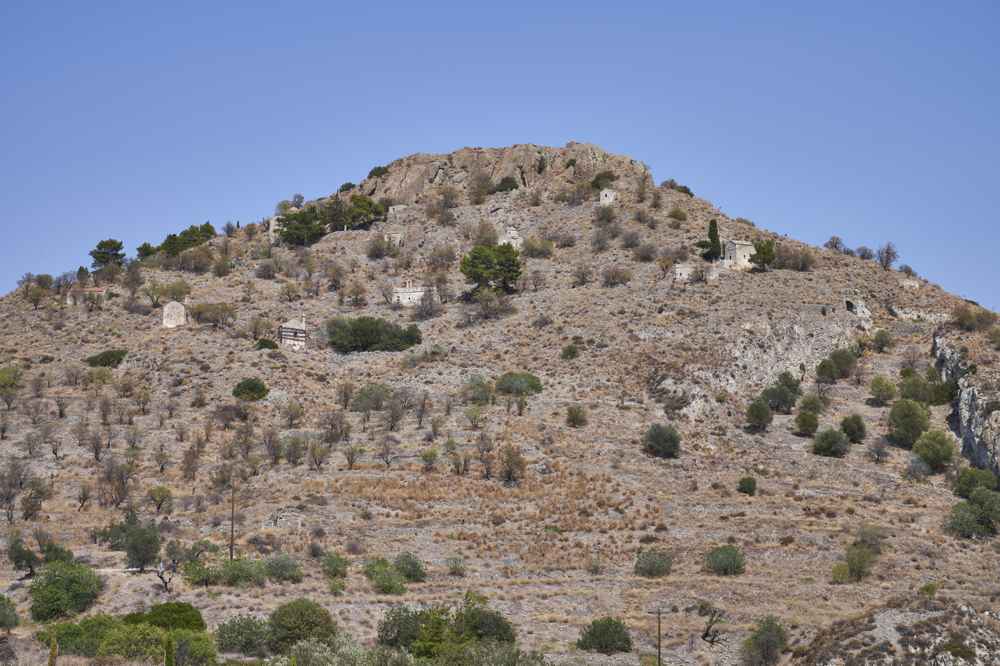
The Byzantine churches scattered across the hillside of Paleochora, Aegina

Paleochora is the abandoned medieval capital of Aegina, an atmospheric ghost town spread across a rocky hillside in the centre of the island. For around a thousand years this hidden settlement, built inland out of sight of the sea, was the heart of Aegina, a refuge from the pirates that plagued the coast. Today the … Read more
The History of Skopelos: From Peparethos to the Sporades Today

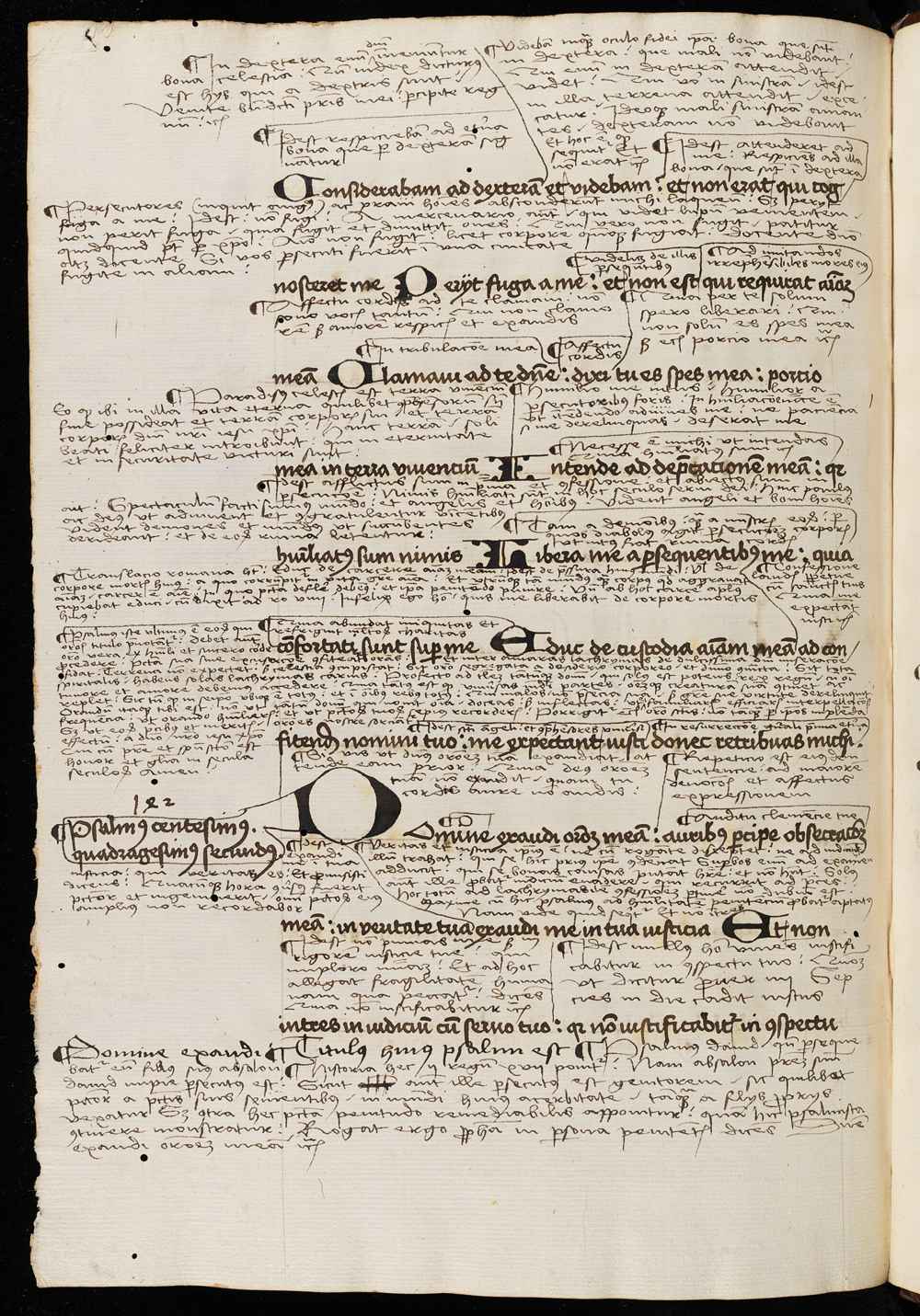
Skopelos, Greece — Basel, Universitätsbibliothek, A III 21, f. 168v – Ambrosius

Skopelos, steeped in a rich tapestry of history, was originally known as Peparethos. This Greek island, nestled in the Aegean Sea, offers a captivating journey through time, from ancient Minoan connections to modern cultural fame. Its historical significance is marked by notable events and influences that have shaped its identity over the centuries. Plan the … Read more

Agios Nikolaos Orfanos in Thessaloniki

Agios Nikolaos Orfanos in Thessaloniki

Nestled in the charming upper town of Thessaloniki, Agios Nikolaos Orfanos is a small early fourteenth-century church that captivates visitors with its rich history and exquisite art. Despite its modest exterior, the church is celebrated for its remarkable interior, featuring one of the most complete cycles of Palaiologan wall paintings in the city. Over 180 … Read more

The Church of the Holy Apostles in Thessaloniki

The Church of the Holy Apostles in Thessaloniki

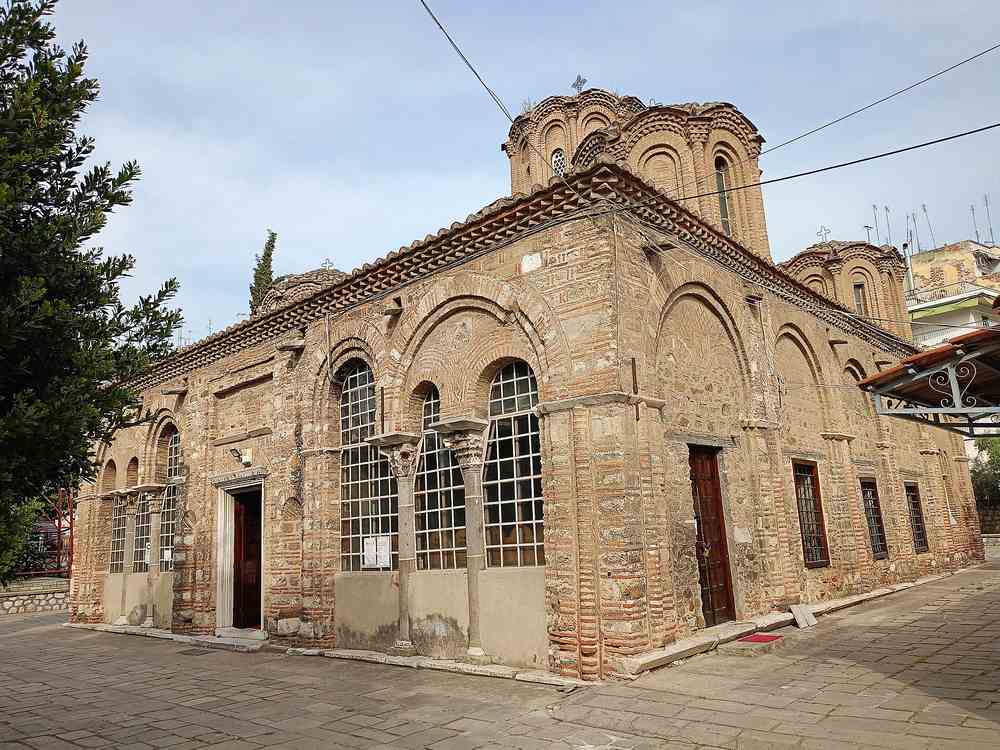
The Church of the Holy Apostles, known locally as Agioi Apostoloi, stands as a testament to Thessaloniki’s rich Byzantine heritage. Constructed in the early fourteenth century during the Palaiologan period, this architectural marvel was originally the katholikon of a monastery founded by Patriarch Niphon. Its design features a cross-in-square layout, crowned by five domes, and … Read more

Panagia Acheiropoietos in Thessaloniki

Panagia Acheiropoietos in Thessaloniki

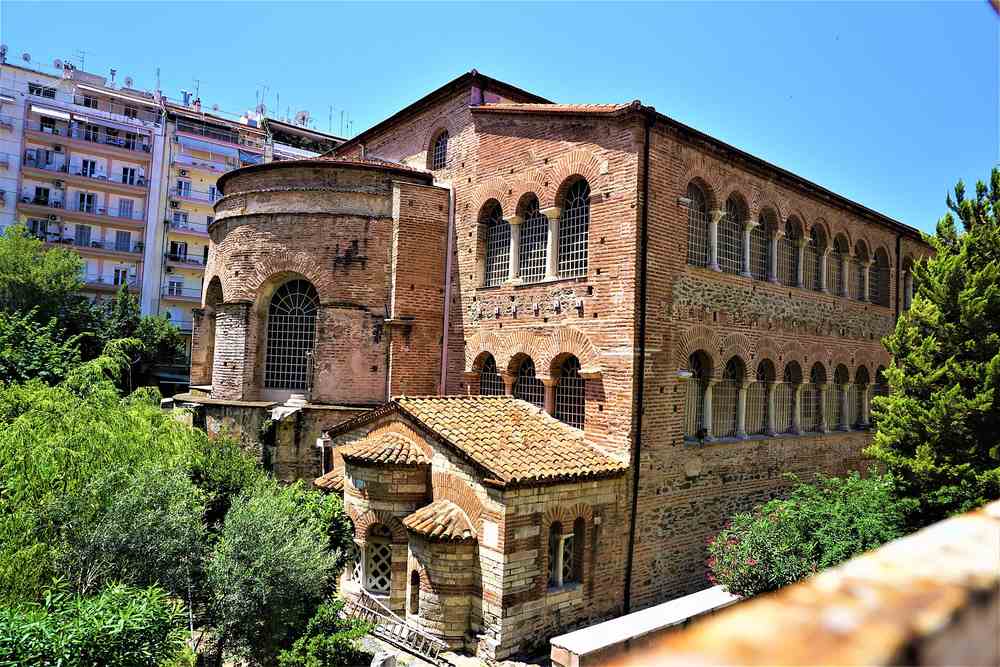
Panagia Acheiropoietos stands as a testament to early Christian architecture in the heart of Thessaloniki. This basilica, constructed in the fifth century, is among the city’s oldest churches that remain in continuous use. Its name, meaning ‘made without hands’, refers to a miraculous icon of the Virgin. Visitors are drawn to its three-aisled timber-roofed structure, … Read more

Osios David (Latomou Monastery) in Thessaloniki

Osios David (Latomou Monastery) in Thessaloniki

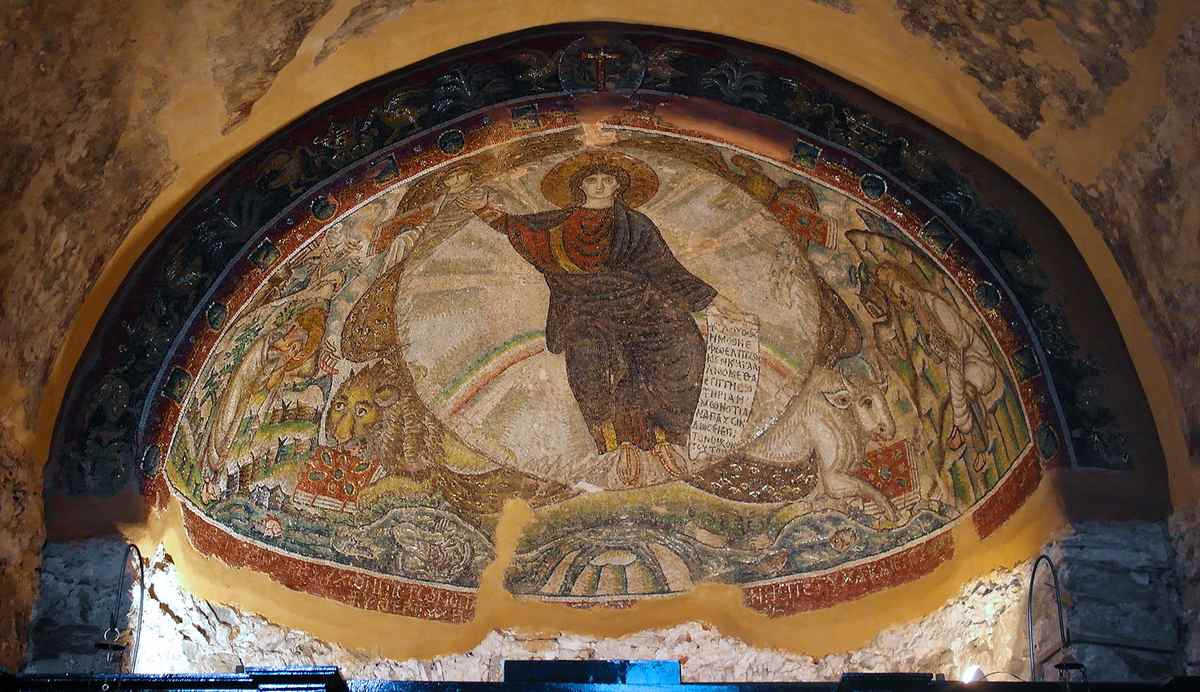
Osios David, the katholikon of the former Latomou Monastery, stands in the historic Ano Poli district of Thessaloniki. This small Byzantine church, part of the UNESCO-listed Palaeochristian and Byzantine Monuments, is renowned for its rare late-antique mosaic depicting the Vision of Ezekiel. The mosaic features a youthful, beardless Christ Emmanuel, surrounded by four living creatures … Read more

Kastoria Day Trip from Thessaloniki: Lake Orestiada, Byzantine Churches, and Fur Heritage

Kastoria Day Trip from Thessaloniki: Lake Orestiada, Byzantine Churches, and Fur Heritage

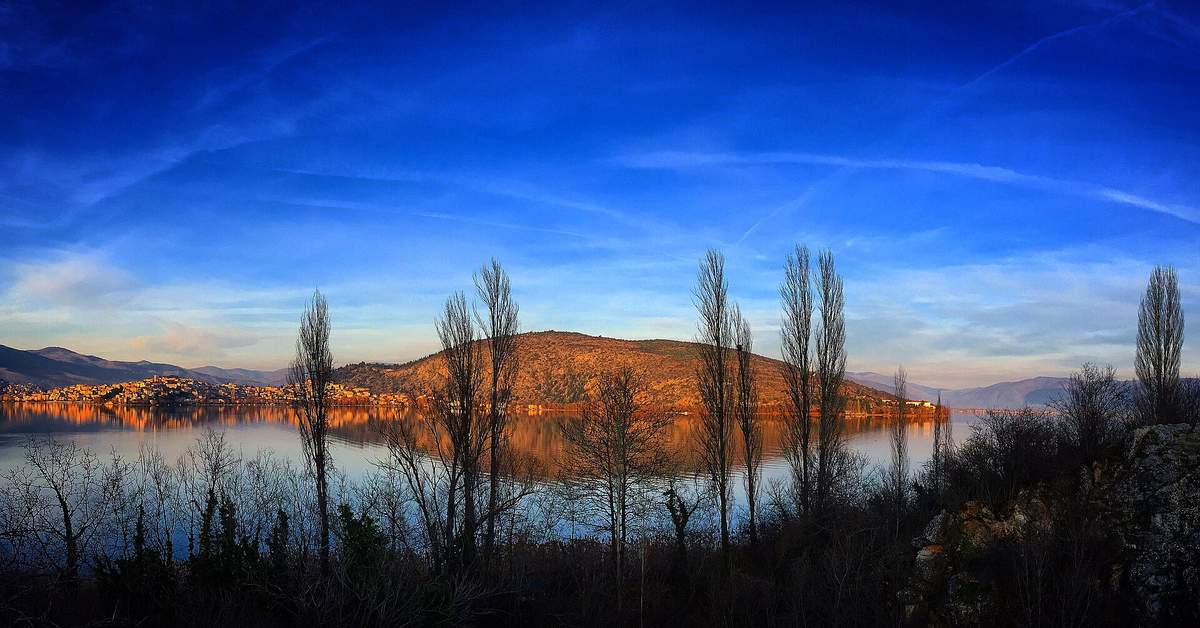
Kastoria sits on a wooded peninsula that reaches into Lake Orestiada in the mountains of western Macedonia. A day trip from Thessaloniki covers about two hundred and ten kilometres and takes a little over two hours by road. The town packs Byzantine churches, timber mansions, a lakeside cave, and a centuries-old fur trade into a … Read more

Veria Day Trip from Thessaloniki

Veria Day Trip from Thessaloniki

Veria sits on the foothills of Mount Vermio, roughly seventy kilometres west-southwest of Thessaloniki, close enough for an easy day out and rich enough to fill one. The town gathered its fame from stone and faith: the Bema where the Apostle Paul preached, the Barbouta Jewish quarter beside the Tripotamos, and the ranks of Byzantine … Read more

The Byzantine churches of Thessaloniki

The Byzantine churches of Thessaloniki

The Byzantine churches of Thessaloniki form the richest span of early Christian and medieval church building to survive in one Greek city. They run from the fifth-century basilicas of the early empire to the domed churches of the last Byzantine age, raised in brick over the Roman streets and the martyrs’ tombs. Fifteen of these … Read more

Amari Valley: Crete’s Green Traditional Heartland

Amari Valley: Crete's Green Traditional Heartland

The Amari Valley is the green traditional heartland of central Crete, a fertile basin spread beneath the south-western slopes of Mount Ida in the Rethymno region. Stone villages sit among olive groves, orchards and vineyards, holding small Byzantine churches painted with old frescoes. The valley keeps a slow pace, built around village tavernas, local cheese … Read more