
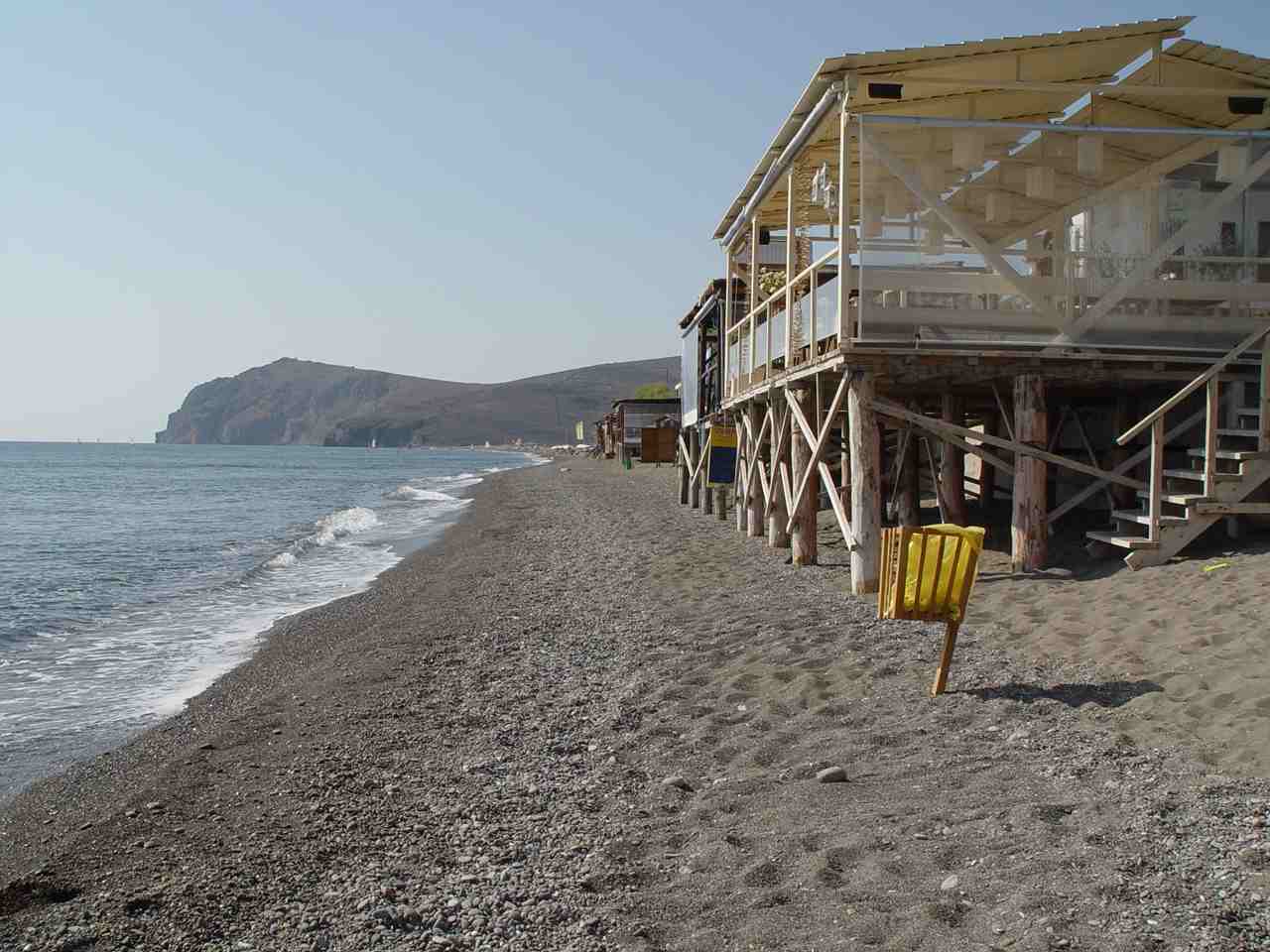
Skala Eressou is one of the most distinctive destinations on Lesbos, a relaxed seaside village on the island’s west coast with a long. Dark sandy beach and a famously bohemian, free-spirited atmosphere. It lies below the ancient town of Eressos, traditionally regarded as the birthplace of the poet Sappho. Whose legacy gives the place deep cultural resonance and draws a welcoming, alternative crowd, including a strong following among women. Beachfront tavernas on wooden platforms, beautiful sunsets, an annual Women’s Festival and the nearby Cave of Sappho add to its appeal. Plan the whole trip with Greece Tours.
This guide covers Skala Eressou in full: what it is, where it lies, its beach, its links to Sappho, its atmosphere, the things to do and how to visit.
Here you will find everything about Skala Eressou on Lesbos: what the village is like, where it lies on the west coast, its long sandy beach. Its links to the poet Sappho and ancient Eressos, its bohemian atmosphere and Women’s Festival, the things to do. How to get there.
What is Skala Eressou on Lesbos?
Skala Eressou is a relaxed seaside village on the west coast of Lesbos, with a long sandy beach and a famously bohemian atmosphere.
Skala Eressou is a laid-back village on the western coast of Lesbos, set behind a long, wide beach of dark volcanic sand and known for its relaxed, free-spirited character. It sits below the site of ancient Eressos, the town traditionally held to be the birthplace of the great lyric poet Sappho, which gives the place a strong cultural identity.
The village has a distinctive, bohemian and welcoming atmosphere, with beachfront tavernas, cafes and bars, an arty. Alternative vibe. A particular reputation as a friendly destination, including among the LGBT community and especially women, drawn by the Sappho connection. It is a place to slow down, swim and linger over long, unhurried days and evenings.
Combining a fine sandy beach, beautiful sunsets, a rich cultural heritage and a uniquely relaxed atmosphere, Skala Eressou is quite unlike anywhere else on Lesbos. It rewards those seeking an unhurried, characterful beach destination with real depth, and is one of the highlights of the island’s western side.
Where is Skala Eressou on Lesbos?
Skala Eressou is on the west coast of Lesbos, below the inland village of ancient Eressos, in the island’s remote western end.
Skala Eressou lies on the far western coast of Lesbos, facing the Aegean, with the older inland village of Eressos kilometres up the hill behind it. This western end of the island is a dramatic, treeless volcanic landscape, quite different from the green, forested east, and Skala Eressou is one of its main destinations.
The village is a fair distance from the capital and main port of Mytilene in the south-east, around ninety kilometres away, a scenic drive of a couple of hours across the island. Its position in the remote west is part of what gives it its away-from-it-all, unhurried character.
The two are sometimes combined on a visit to this side of the island. The journey through the volcanic hills is itself part of the experience of reaching Skala Eressou.
What is Skala Eressou beach like?
Skala Eressou beach is a long, wide stretch of dark volcanic sand extending nearly three kilometres along the west coast, backed by hills.
The beach at Skala Eressou is the heart of the village, a long, wide sweep of dark. Volcanic sand that extends for almost three kilometres from a small harbour in the east to a headland in the west. Its dark colour, a mark of the island’s volcanic geology, sets it apart from paler sandy beaches elsewhere.
The sea here is generally clear, calm and safe for swimming, shelving gently from the sand. The beach is flanked by high hills clad in tall grass. Giving it a wild, natural backdrop away from any large-scale development. Along the front, tavernas, cafes and bars, some set on raised wooden platforms, serve food and drinks right by the sand, adding to the relaxed, sociable atmosphere.
Facing west, Skala Eressou is famous for its beautiful sunsets over the Aegean, when the sky and sea glow and the beachfront comes alive. This combination of a long sandy beach, calm water, laid-back beach bars and spectacular sunsets makes it one of the most enjoyable and distinctive of all the Lesbos beaches, and a highlight of the island’s western coast.
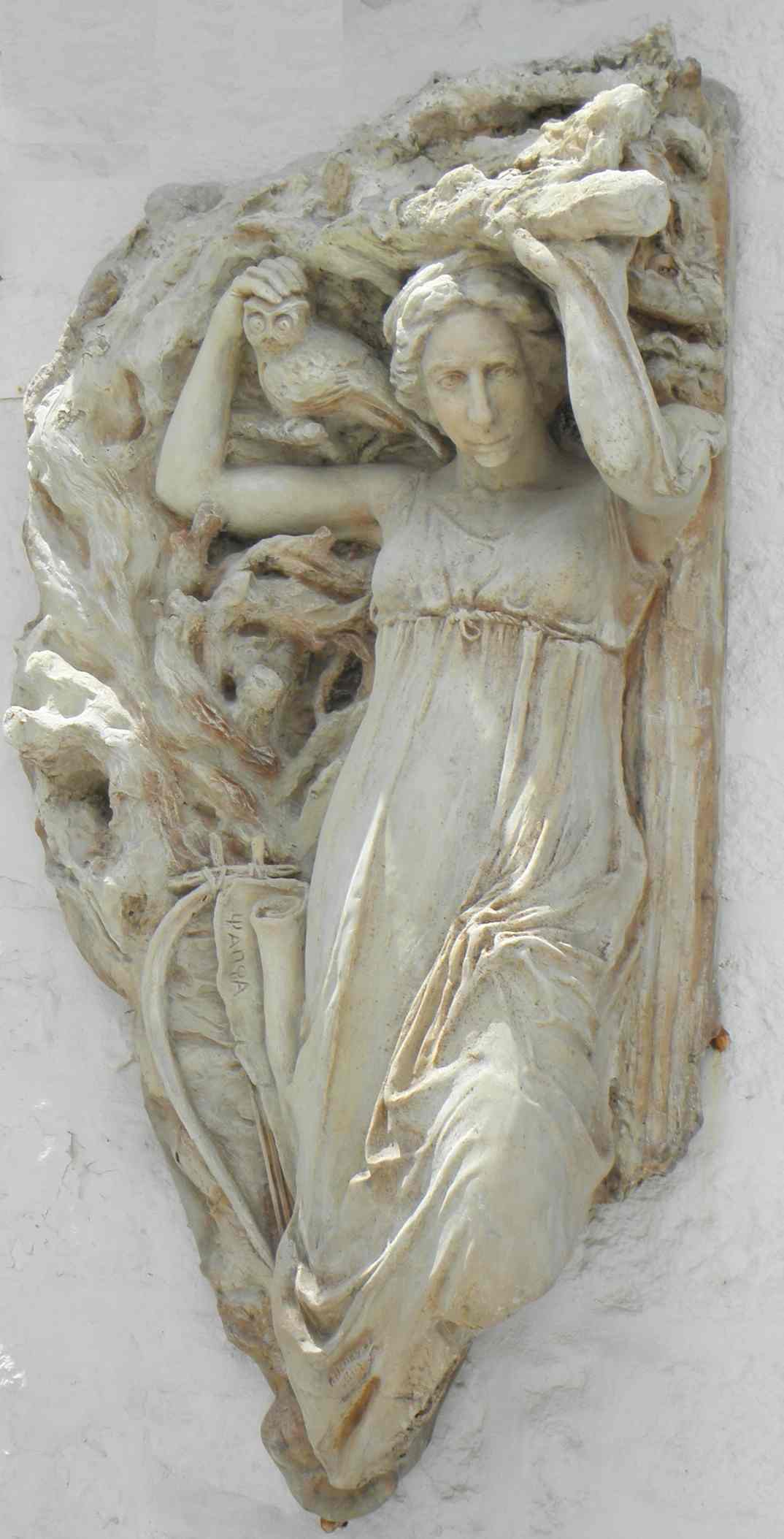
Who was Sappho and why is she linked to Skala Eressou?
Sappho was the great ancient Greek lyric poet, born at Eressos on Lesbos around the seventh century BC.
Skala Eressou lies below the site of ancient Eressos, traditionally regarded as the birthplace of Sappho. One of the most celebrated poets of the ancient world, who lived around the seventh and sixth centuries BC. Admired throughout antiquity for her lyric poetry, much of it about love and addressed to women, she gave her name and that of Lesbos to the words sapphic and lesbian.
This deep connection to Sappho gives Skala Eressou a cultural resonance far beyond its size. It has become a place of pilgrimage for admirers of the poet and. In particular, a warmly welcoming destination for women and the LGBT community. Her legacy is woven into the identity and atmosphere of the village.
Visitors interested in Sappho and antiquity can explore the area’s heritage, including the Cave of Sappho and the archaeological remains near ancient Eressos. Where a small museum and the ruins of an early Christian basilica with fine mosaics can also be seen. This blend of a beautiful beach with a profound literary and historical legacy is a large part of what makes Skala Eressou so distinctive and rewarding. Quite different from an ordinary beach resort.
What is the atmosphere of Skala Eressou like?
Skala Eressou has a relaxed, bohemian and welcoming atmosphere, with an arty, alternative, hippie-ish vibe.
The atmosphere of Skala Eressou is one of its defining features, relaxed, free-spirited and welcoming. With a distinctly bohemian and alternative character that has drawn an arty, unconventional crowd for years. It is a place where visitors come to unwind, swim, and enjoy long, easy days and evenings by the sea.
The village is particularly celebrated as an inclusive and friendly destination for the LGBT community. Especially for women. Drawn by its links to the poet Sappho, from whose island the word lesbian derives. This gives Skala Eressou a warm, open and accepting spirit that visitors of all kinds appreciate.
Each September, the village hosts an international Women’s Festival, drawing visitors from across the world to Eressos for music, workshops, performances and celebration over a couple of weeks. This annual event, along with the year-round relaxed vibe. Makes Skala Eressou a genuinely unique destination in Greece. One that inspires great loyalty among the visitors who return year after year to its beach and its welcoming community.
What is there to do in Skala Eressou?
In Skala Eressou you can relax and swim at the long sandy beach, dine and drink at the beachfront tavernas, watch the famous sunsets, explore the heritage of Sappho and ancient Eressos including the Cave of Sappho, and enjoy walks.
The main thing to do in Skala Eressou is to enjoy the beach and the laid-back village life: swimming in the calm, clear sea. Sunbathing on the long dark sand. Settling in at a beachfront taverna or bar for a leisurely meal or drink, especially as the sun sets over the Aegean in a blaze of colour.
For those interested in culture and history, the area rewards exploration, with the ancient town of Eressos, birthplace of Sappho. On the hill behind, the Cave of Sappho. Archaeological remains and a small museum in the vicinity, all connected to the poet’s enduring legacy. It is a place where a beach holiday comes with real depth.
Beyond the beach, there are walks in the surrounding hills and countryside, including up to the old village of Eressos and its viewpoints. The relaxed pleasures of village life. Browsing the small shops and studios, meeting people and soaking up the welcoming atmosphere over long, lazy meals. In September, the Women’s Festival adds a lively cultural dimension, making Skala Eressou rewarding for a wide range of visitors.
When is the best time to visit Skala Eressou?
The best time to visit Skala Eressou is from late spring to early autumn, May to June and September to October, when the weather is warm and the sea inviting.
Like the rest of Lesbos, Skala Eressou is a warm-season destination, and the best times to visit are the pleasant months of late spring and early autumn. May and June bring warm, sunny weather, a green landscape and a warming sea, with fewer crowds and a relaxed pace, while July and August are the hottest and busiest months, when the village is at its liveliest.
September deserves a special mention, as the sea is still warm after the summer. The weather remains fine. The village hosts its international Women’s Festival, giving the month a particularly lively and celebratory atmosphere. Early autumn is a notable time to combine warm swimming with the relaxed village life.
Outside the warm season, in winter, Skala Eressou is very quiet, with businesses closed, suiting only those seeking solitude. For the classic experience of the beach, the sunsets and the welcoming atmosphere, the months from May to October, and September in particular, are the ideal times to visit.
Is Skala Eressou worth visiting?
Skala Eressou is well worth visiting for its long sandy beach, beautiful sunsets, relaxed bohemian atmosphere and rich links to the poet Sappho.
Skala Eressou is one of the most rewarding and unusual destinations on Lesbos, and well worth the journey to the island’s remote west. Its long beach of dark volcanic sand, calm clear sea and spectacular sunsets make it a lovely place simply to relax and swim, while its beachfront tavernas and bars provide a sociable, laid-back atmosphere.
What sets it apart, however, is its character and heritage: the deep connection to the poet Sappho, the welcoming. Inclusive and bohemian spirit of the village. The annual Women’s Festival, all of which give a simple beach holiday a genuine cultural richness found nowhere else on the island.
For travellers seeking somewhere relaxed, open-minded and full of atmosphere, with a beautiful beach and a profound literary legacy, Skala Eressou is a special place. Together with the nearby Petrified Forest, it makes the western side of Lesbos well worth exploring. It leaves a lasting impression on those who visit. Many of whom return again and again to its beach, its sunsets and its uniquely welcoming spirit.
Frequently Asked Questions
Why is Skala Eressou popular with the LGBT community?
Skala Eressou is popular with the LGBT community. Especially with women, above all because of its deep connection to the ancient poet Sappho. Who was born at Eressos, the older village on the hill behind Skala Eressou, around the seventh century BC. Sappho was one of the greatest lyric poets of the ancient world, celebrated for her poetry of love and desire. Much of it addressed to women. It is from her and from the name of her island, Lesbos, that the words sapphic and lesbian derive.
Skala Eressou has for years been a place of pilgrimage and a warmly welcoming, inclusive destination for gay women in particular, as well as for the wider LGBT community, drawn by the legacy of the poet and by the accepting, open-minded spirit of the village. Over time, this has given Skala Eressou a friendly, bohemian and tolerant atmosphere that visitors of all kinds appreciate. With beachfront tavernas and bars, an arty vibe and a strong sense of community. The village also hosts an international Women’s Festival each September, which draws visitors from across the world for music, workshops, performances and celebration, reinforcing its reputation as a welcoming hub.
Families and couples included, its particular appeal to the LGBT community and to women, rooted in the legacy of Sappho and expressed in its inclusive atmosphere, is one of the things that makes it such a distinctive and special destination on Lesbos.
How far is Skala Eressou from Mytilene?
Skala Eressou lies a considerable distance from Mytilene, the capital and main port of Lesbos. Being on the far western coast of the island while Mytilene is in the south-east. The two are around ninety kilometres apart and the drive between them takes roughly two hours. The journey crosses much of the large island, passing from the greener, more populated east through the increasingly dramatic and treeless volcanic landscape of the west. A scenic if somewhat long drive that is part of the experience of reaching this remote corner of Lesbos.
For visitors, a hire car is by far the most convenient way to make the trip and to explore Skala Eressou and the surrounding western region at their own pace. Including the nearby Petrified Forest near Sigri, which lies in the same part of the island and is often combined with a visit. Public buses do connect Mytilene with Eressos and Skala Eressou. Services are limited, especially outside the peak season, so they require careful planning, and taxis over such a distance be expensive.
Many visitors who wish to focus on Skala Eressou and the west of Lesbos choose to stay in the village or nearby for days, rather than attempting to visit as a day trip from the other side of the island. This allows them to enjoy the beach, the sunsets, the relaxed atmosphere and the cultural heritage of the area at leisure. Which is very much in keeping with the unhurried spirit of the place.
Is Skala Eressou beach sandy?
Yes, Skala Eressou has a genuinely sandy beach. A long one at that, though the sand is a distinctive dark grey colour rather than the golden or white sand found on some other beaches, a result of the volcanic geology of this western part of Lesbos. The beach is a wide, long stretch extending for almost three kilometres along the coast. From a small harbour at its eastern end to a headland in the west, backed by hills clad in tall grass, giving it a wild and natural setting. Being sandy, it is comfortable to walk and lie on and is good for families as well as for sunbathing, while the sea is generally clear.
Calm and safe for swimming, making it one of the more accessible and enjoyable beaches for a relaxed day by the water. Along the front, tavernas, cafes and bars, some raised on wooden platforms, serve food and drinks right by the sand. It is easy to spend a full day at the beach with everything to hand. And the beach is well known for its beautiful sunsets over the Aegean, as it faces west. The dark colour of the sand is simply a natural feature of the volcanic landscape and does nothing to detract from the beach’s appeal. Indeed it is part of its distinctive character.
Skala Eressou is very much a proper sandy beach. One of the longest and most characterful on Lesbos, ideal for a laid-back beach holiday.