
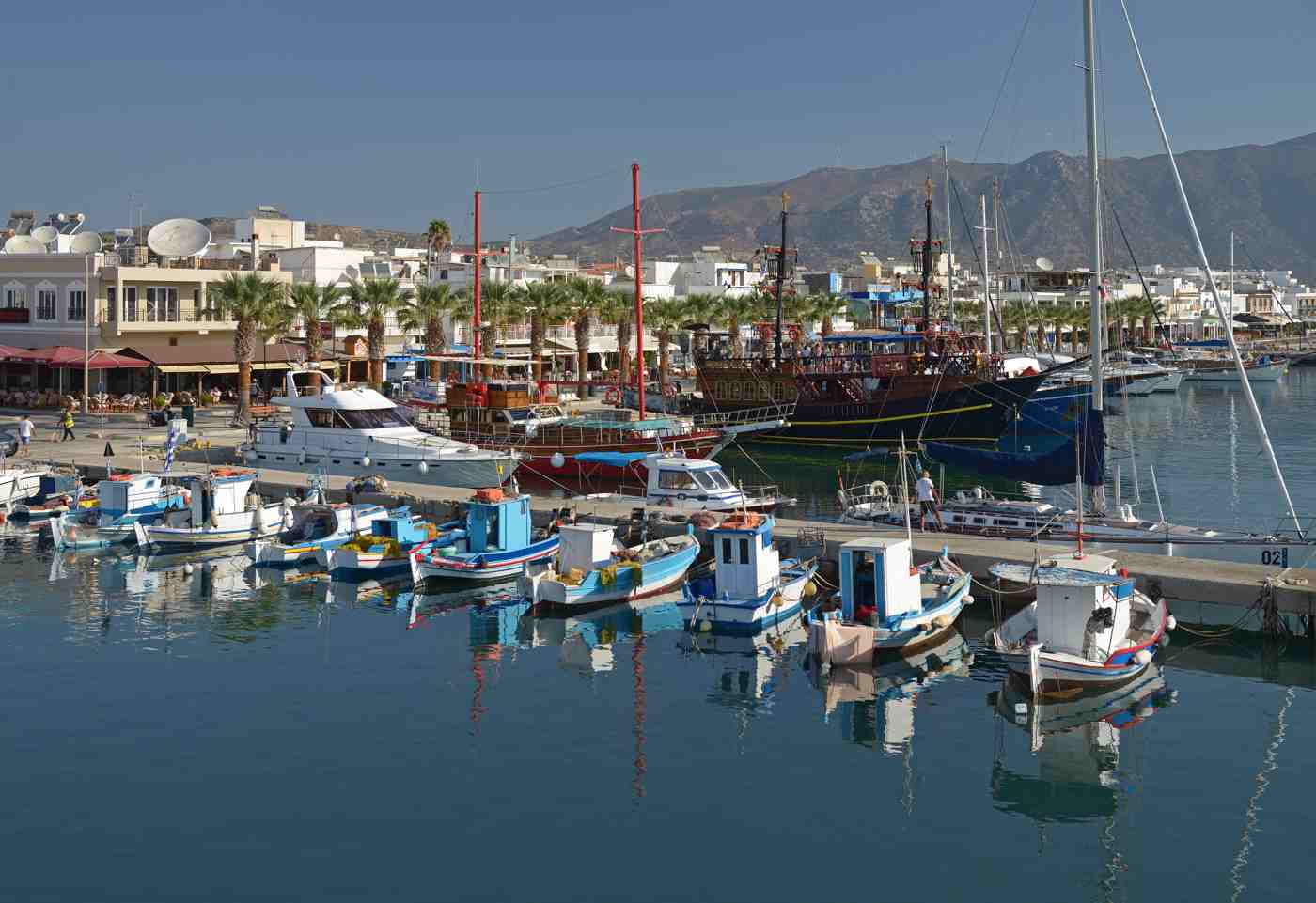
A Pserimos day trip from Kos crosses the strait that separates Kos from Kalymnos to reach a small island of fewer than 100 permanent residents. Excursion boats leave Kos Town harbour in the morning, run about 15 kilometres north in roughly 45 to 60 minutes, and moor off the main village of Avlakia. The village faces a long, shallow, sandy bay backed by a short row of tavernas and rooms. No airport, no car ferry and no resort strip reach the island, so every visitor arrives by boat. This guide covers what Pserimos is, how to reach it from Kos, the Avlakia bay, the three-island cruise with Kalymnos and Plati, and swimming in the calm shallows. Plan the whole trip with Greece Tours.
Pserimos sits squarely in the channel between the two larger Dodecanese islands, about 15 kilometres from Kos Town and barely 2 nautical miles from Kalymnos. Two kinds of trip reach it: a direct run that spends four or five hours on the Avlakia sand. A combined cruise that adds Kalymnos and the small volcanic islet of Plati. The bay slopes gently over soft sand, staying knee-deep for 20 to 30 metres offshore, which suits families with young children. Footpaths climb the dry hills to quieter coves such as Vathi and Marathounta, each about 30 to 45 minutes on foot.
The island keeps almost no cars, a scatter of chapels and no large development, so a Pserimos day trip stays a slow beach outing rather than a packed itinerary.
What is Pserimos and where does it sit in the strait between Kos and Kalymnos?
Pserimos is a small island in the strait between Kos and Kalymnos, holding fewer than 100 permanent residents. Boats reach it as a day trip, mooring off the main village of Avlakia and its sandy bay.
Pserimos sits in the channel that separates Kos from Kalymnos, roughly midway between the two larger Dodecanese islands. The island covers about 15 square kilometres and rises to low hills rather than tall peaks. Fewer than 100 people live here year-round, most of them in the single village. The coastline runs to about 15 kilometres of bays, headlands and coves, with the main settlement facing a shallow sandy inlet. Kos Town lies about 15 kilometres to the southeast across open water, while Kalymnos rises close to the north. Small excursion boats and private craft carry every visitor, since Pserimos keeps no airport and no large ferry pier.
Depth off the village stays shallow for about 30 metres from shore. For an overview of the wider island group, the Kos guide sets the scene.
The single village, Avlakia, stands at the head of the bay that gives Pserimos its front door. Whitewashed houses, a church and a row of tavernas line the shore behind the sand. Beyond the village, footpaths climb over dry hills toward quiet coves such as Vathi and Marathounta, each about 30 to 45 minutes on foot. Chapels stand scattered across the slopes, a common pattern on small Aegean islands. Cars stay rare, since the road network barely extends past the settlement and its nearest fields. Goats graze the hillsides, and the interior stays bare of large hotels or apartment blocks.
This scale is the point of the trip: a compact island where the walk from the boat to a taverna table takes two minutes. The next cove sits within an hour.
Position in the strait defines everyday life on Pserimos. The channel between Kos and Kalymnos carries local traffic, fishing boats and the summer excursion fleet, and the island sits squarely on that line. From Avlakia, Kalymnos fills the northern horizon barely 2 nautical miles away, while the coast of Kos stretches along the south. This tight geography lets a single boat call at Pserimos, cross to Kalymnos and still return to Kos within one day. The strait stays sheltered compared with open Aegean crossings, so the water off the village often holds calm through the morning. Fishermen still work these waters, and their catch reaches the village tavernas.
Travellers planning the wider route often pair the island with the Kalymnos day trip, since the two destinations share the same short channel and the same boats.
Arrival on Pserimos delivers a single view: the bay, the sand, the village and the hills behind. No high-rise resorts break the skyline, and the built area covers only the shorefront and a short lane or two. A short row of tavernas and rooms make up the tourist trade, and most day visitors never stay the night. The pace favours slow lunches, a swim and a walk rather than organised activity. Ferries the size of car-carriers do not dock here, so the island stays outside mass tourism. This limited scale keeps prices, crowds and noise below the level of Kos Town resorts. The reward is a quiet Aegean island reachable in under an hour.
Where the loudest sound is often the excursion boat cutting its engine as it drifts toward the anchorage off Avlakia.
How do you reach Pserimos by excursion boat from Kos?
Excursion boats leave Kos Town harbour in the morning and reach Pserimos in about 45 to 60 minutes across the strait.
Excursion boats gather along the busy harbour front of Kos Town, close to the Knights’ Castle of Nerantzia and the Plane Tree of Hippocrates. Most depart in the morning, spend the middle of the day at Pserimos or on a wider loop, and return in the late afternoon. The quay sits within walking distance of the old town, so passengers reach it on foot or by a short taxi ride. Boarding usually opens about 15 to 20 minutes before departure, and tickets change hands at the quayside kiosks. The route heads north across the strait toward Kalymnos, then bends to the anchorage off Avlakia.
For visitors weighing arrival options to the island itself, the how to get to Kos guide covers flights and ferries into the main port.
The crossing from Kos Town to Pserimos runs about 15 kilometres and takes roughly 45 to 60 minutes, depending on the boat and the wind. Vessels track the sheltered water inside the strait rather than open sea, so the passage stays smoother than longer island hops. On the way, the coast of Kos slides past to the south while Kalymnos grows on the northern horizon. Pserimos has no deep-water pier for large ferries, so excursion boats anchor offshore or tie to a small jetty off Avlakia. Passengers step ashore straight onto the beach or the short quay in front of the village.
The shallow, sandy seabed of the bay lets boats sit close to land, which keeps the transfer from deck to sand to three or four short steps.
Two kinds of trip reach Pserimos from Kos. One is a direct run that spends most of the day anchored off Avlakia, giving four or five hours on the beach and in the tavernas. The other is a combined cruise that pairs Pserimos with Kalymnos and the small islet of Plati in a single loop. Passengers buy both at the harbour kiosks or through hotels and travel desks across Kos Town. Boats vary from wooden day-cruisers to larger motor craft carrying 100 or more passengers. Prices, exact departure times and operators shift with the season, so travellers confirm details at the quay on the day.
Certain boats include a cooked lunch on board, while others leave passengers to eat at the Avlakia tavernas, where grilled fish and local goat feature on the menu.
Day-trippers pack for a beach outing, since Pserimos offers shade, water and food but no supermarkets. Water shoes help on the sandy-to-pebble shallows, and a hat matters under the open Aegean sun. Boats reach Avlakia by late morning and lie offshore or against the jetty through the afternoon. Passengers spend the hours swimming, walking to Vathi or Marathounta, or eating under the tamarisk trees behind the sand. The return leg retraces the strait to Kos Town, arriving in the early evening after about an hour at sea. Cash is worth carrying, since card machines are rare in the village tavernas and rooms.
This rhythm \u2014 morning crossing, long lunch and swim, evening return \u2014 defines the standard Pserimos day trip from Kos and keeps the schedule simple for families.
What is Avlakia village and its beach like on Pserimos?
Avlakia is the main village of Pserimos, set at the head of a long, shallow, sandy bay.
The main beach of Pserimos wraps the whole front of Avlakia, running for roughly 300 metres of pale sand and fine shingle. The bay opens to the north, and low hills on each side shelter it from strong winds. Water depth rises slowly from the shore, staying knee-high for 20 to 30 metres out, which suits weak swimmers and children. Tamarisk trees and taverna awnings throw shade along the top of the beach, so shelter from the sun sits within a short walk of the water. Sunbeds and umbrellas cover part of the sand in high season, while the rest stays open for towels.
The excursion boats anchor just offshore, so the beach fills around midday and empties again once the afternoon departures pull away toward Kos.
Avlakia itself amounts to a single shorefront strip and a short lane or two behind it. A whitewashed church stands near the beach, and a row of family tavernas faces the water, their tables set under awnings and trees. Rooms to rent occupy simple two-storey buildings, and the year-round population of under 100 runs the businesses that serve the summer boats. Fishing boats pull up at one end of the bay, and the day’s catch reaches the grills a short distance away. The village keeps no bank, no large market and no nightlife beyond the tavernas. Water and most supplies arrive by boat from Kos and Kalymnos, since the island produces little of its own.
This dependence on the sea shapes daily life and explains why the excursion boats matter so much to Avlakia.
Time at Avlakia splits between the water and short walks along the coast. Paths lead south and east over the headlands to Vathi and Marathounta, two quieter coves about 30 to 45 minutes on foot from the village. The route crosses dry, low scrub with views back across the strait toward Kalymnos and the Plati islet. Back at the bay, lunch fills the middle of the day, with grilled fish, goat, salads and local cheese on most taverna tables. Children paddle in the shallows while adults swim out toward the anchored boats. Snorkelling works best along the rocky edges at each end of the sand, where small fish gather.
This mix of a calm central beach and walkable side coves gives the island more range than its size suggests to first-time visitors.
The Avlakia beach differs from the long organised strands of Kos such as Tigaki, Marmari or Mastichari. Those northern beaches run for kilometres with rows of hotels, water sports and bars behind them. Avlakia keeps a single village, no resort strip and a shorter, quieter arc of sand. This contrast draws day visitors who want a slower shore than the busy Kos resorts offer. The bay also stays calmer than the wind-exposed southwest beaches around Kefalos and Agios Stefanos. For families based in Kos Town or Kardamena, the short crossing turns Pserimos into a half-day escape from the larger island’s crowds.
The Kos beaches and the Avlakia bay work as a pair: one for full-day resort comfort, the other for a quiet boat-trip lunch and swim.
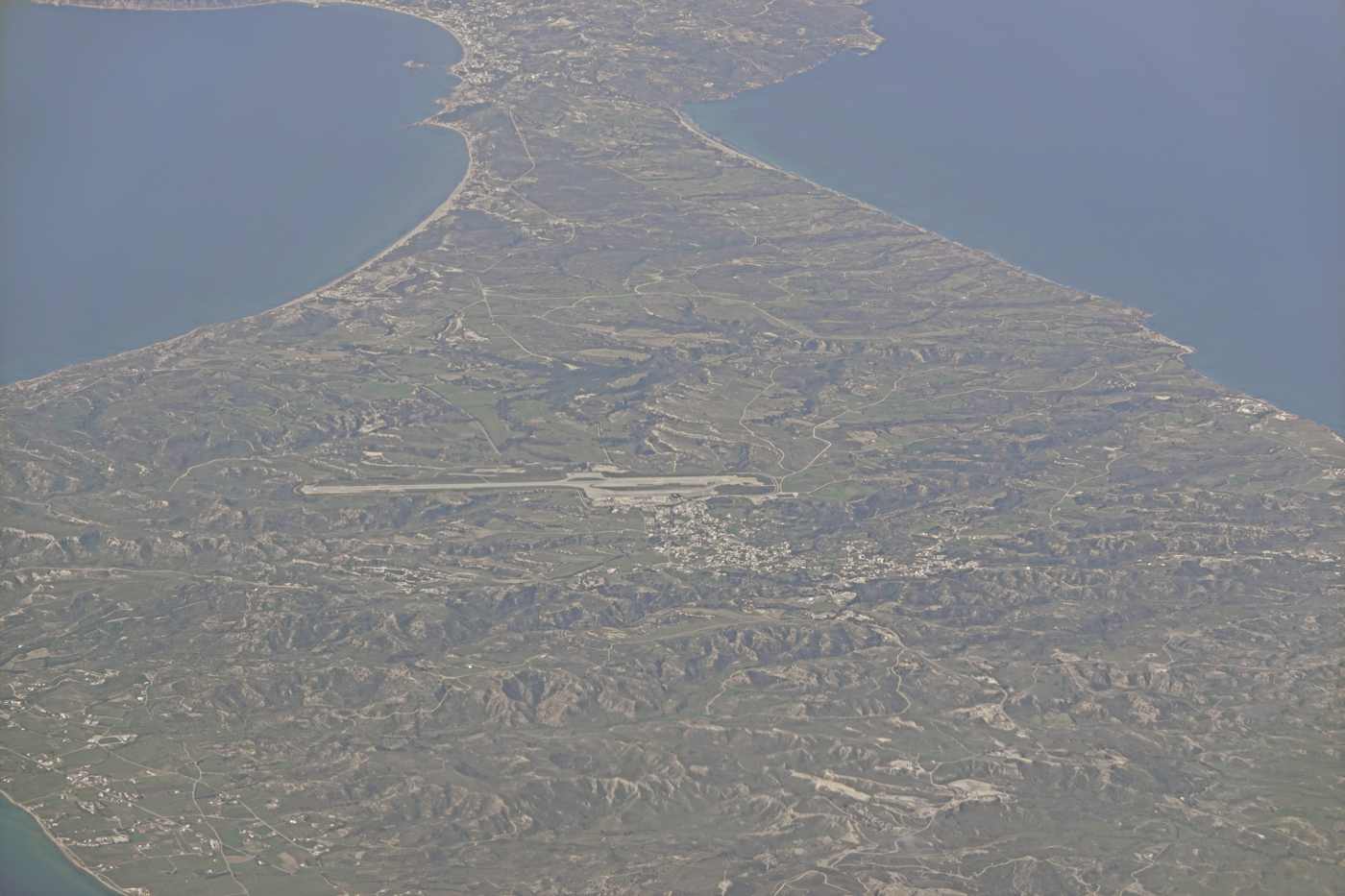
What is the three-island cruise combining Pserimos, Kalymnos and Plati islet?
The three-island cruise links Pserimos, Kalymnos and the small volcanic islet of Plati in one day from Kos. Boats stop at Avlakia’s bay, call at a Kalymnos port and anchor off Plati for a swim before returning to Kos Town.
The combined cruise runs a loop through the strait north of Kos, taking in three stops in a single day. Boats leave Kos Town in the morning, cross to Pserimos, then continue to Kalymnos and the tiny islet of Plati before turning back. Each stop lasts long enough for a swim and a look around, with the longest pause usually at Pserimos or Kalymnos. The full circuit covers roughly 40 to 50 kilometres of sea over the day, most of it inside sheltered water. Lunch falls at one of the stops, often at a Kalymnos harbour taverna or aboard the boat.
This format packs three distinct places into one ticket, which explains its popularity with visitors who have a single free day on Kos and want variety over depth.
Plati is a small, low islet of volcanic rock set in the strait near Kalymnos, uninhabited and ringed by clear water. Cruise boats anchor off its shore for a swim stop rather than a landing, since the islet holds no village or facilities. The seabed drops over pale sand and rock, so the water shows strong blues and greens that draw snorkellers. Plati sits within sight of both Pserimos and Kalymnos, marking the northern point of the loop. Its bare, treeless profile contrasts with the greener slopes of Pserimos to the south. The stop usually lasts long enough for a 30-minute swim before the boat moves on.
This swim break gives the cruise a third, wilder stop between the inhabited islands, and it forms the part most passengers remember best from the day.
Kalymnos anchors the cruise as its largest stop, a rugged sponge-diving island north of Pserimos. Boats call at a harbour such as Pothia, the main town, or at a west-coast bay, depending on the operator and the route. The island built its name on sponge fishing, and shops in the port still sell natural sponges pulled from the seabed. A stop here allows a walk through the town, a swim at a nearby cove, or lunch at a harbour taverna. Kalymnos rises far higher than Pserimos, with grey limestone cliffs that draw rock climbers from across Europe. The cruise gives only a taste of the island.
Travellers who want more time on Kalymnos cross separately on a direct boat from Kos and the north-coast port of Mastichari.
The choice between a direct Pserimos trip and the three-island cruise comes down to time on the sand versus variety. A direct boat gives four or five hours at Avlakia, enough for a long swim, a walk to Vathi and an unhurried lunch. The cruise trades that beach time for two extra stops, so each place gets a shorter visit. Families with young children often pick the direct trip for its calm bay and simple routine. Travellers who want to see Kalymnos and swim off Plati choose the loop instead. Both leave from Kos Town harbour in the morning and return by evening, and both cross the same sheltered strait.
Reading the daily boards at the quay settles the decision, since operators list each day’s route, timings and stops before boarding opens.
Why is the Avlakia bay on Pserimos good for swimming and families?
The Avlakia bay slopes gently over soft sand into calm, clear water, staying shallow for 20 to 30 metres offshore.
Water in the Avlakia bay stays knee-deep to waist-deep for 20 to 30 metres out from the sand, then deepens slowly. This long shallow shelf lets small children stand and play well away from the shore. The seabed runs to soft sand near the beach, with patches of fine shingle, so no sharp rocks trouble bare feet. The bay faces north but sits inside the strait, so the low hills on each side cut the swell. Water clarity stays high, since no river mouth or harbour works muddy the bay. Parents keep watch easily across the open, treeless shoreline, with no sudden drop-offs close in.
These conditions explain why boat crews and guidebooks flag Pserimos as a calm-water stop, set apart from the wind-driven surf on the southwest coast of Kos around Kefalos.
Family needs at Avlakia sit within a short walk of the water. Tavernas along the beach serve simple meals, cold drinks and ice cream through the day, so no one carries a full picnic. Tamarisk trees and awnings give shade for babies and older visitors who avoid the midday sun. Toilets sit at the tavernas rather than in public blocks, and freshwater rinses depend on each business. Rooms to rent behind the beach let a family stay overnight and swim before the day boats arrive. The flat shorefront suits pushchairs better than the stepped lanes of most hilltop villages.
This concentration of food, shade and lodging along one strip keeps a day with children manageable, since the boat, the sand and the taverna table stand within 100 metres of each other.
Stronger swimmers find more than the shallow bay at Pserimos. The rocky points at each end of the Avlakia beach hold clear water over stone, where small fish and sea urchins gather for snorkellers. A swim out toward the anchored boats reaches deeper, cooler water within 50 metres of the sand. Walkers who reach Vathi and Marathounta swim off quieter shores, away from the main beach crowd. These coves sit about 30 to 45 minutes on foot over the headlands and drop into deeper water closer to shore. Masks and fins are worth packing, since the tavernas rarely stock snorkelling gear.
This range \u2014 a shallow family bay, rocky snorkelling edges and remote coves \u2014 lets one small island suit both a toddler’s first paddle and a confident swimmer’s longer outing.
Timing shapes a swimming day on Pserimos more than any facility. Mornings on the bay stay calm before the afternoon breeze, so families with young children often swim early. The excursion boats crowd the water around midday, so the quietest swims come just after arrival or late in the afternoon. North winds, common across the Aegean in summer, push small waves into the north-facing bay on stronger days. Water temperature climbs from spring through autumn, with the warmest sea in late summer. Sun cover matters, since the open beach offers little natural shade beyond the tamarisk line. Planning the day around the morning crossing, an early swim.
A shaded lunch and a final dip before the return boat gives families the calmest hours and keeps the whole Pserimos day trip from Kos relaxed.
How do you walk from Avlakia to the quieter coves and chapels on Pserimos?
Footpaths climb from Avlakia over low hills to Vathi and Marathounta, two quiet coves about 30 to 45 minutes away on foot. Small whitewashed chapels stand along the way, giving walkers marked points across the bare landscape.
The path to Vathi leaves the eastern end of Avlakia beach and climbs a low ridge behind the village. The gradient stays gentle, and the walk covers about 1.5 kilometres in roughly 30 minutes for an unhurried pace. Vathi sits on the sheltered side of Pserimos, a narrow inlet with clear shallow water and a gravel-and-sand shore. Walkers rarely reach it before mid-morning, so the cove stays quiet while day boats fill Avlakia. Wear sturdy shoes, because loose stones cover parts of the track. The route carries no shade for long stretches, and the sun sits high across the treeless hills.
Carry water, since no taverna or spring waits at Vathi itself for the return climb back to the village. Morning light also keeps the ridge crossing cooler than the exposed midday walk back.
Marathounta lies on the north side of Pserimos, reached by a separate track that heads inland from the village square. The crossing runs about 2 kilometres over open ground and takes around 40 to 45 minutes at a steady walking pace. A broad bay opens at the end, backed by low scrub and a single seasonal taverna near the shore. Goats graze the slopes, and drystone walls mark old field boundaries beside the path. The water here stays calm on days when the north wind eases, and the sand shelves gently for wading. Bring a hat and enough water for both legs of the walk.
The taverna keeps short hours, so plan the return to Avlakia before the last cruise boats leave the main bay for the return to Kos.
Small chapels dot the hills of Pserimos, most no larger than a single room with a whitewashed wall and a blue door. One stands on the rise between Avlakia and Vathi, and another sits above Marathounta bay. These chapels open only on their name-day feasts, when families from the village and from Kalymnos gather for the service. The rest of the year they stay locked, serving walkers as landmarks on the bare ridges. A cross on the roof catches the light and marks the turn of each footpath. Reaching them adds little distance to either cove walk, and the short climbs give wide views over the strait toward Kalymnos.
Treat the buildings with care, since they remain in active use by the island community despite their quiet appearance most days.
Walkers who explore both coves cover about 5 to 6 kilometres in total across a day on Pserimos. Start early, because the boat drops most visitors around midday and the return sailing sets the deadline. The paths carry no signposts, so follow the chapels and the drystone walls between them. Sturdy shoes matter more than sandals on the loose upper slopes. This walking day suits travellers who prefer bare hills and empty coves to organised sites, which sets Pserimos apart from the Nisyros day trip and its volcanic craters. Both islands reward a slow pace, yet Pserimos gives quiet footpaths rather than a guided caldera floor.
Pack a light lunch if you plan to stay at Vathi, since the coves hold no shops or kiosks for supplies.
What are the tavernas and village life like in Avlakia on Pserimos?
Tavernas line the sand at Avlakia, serving fresh fish, grilled octopus, and Greek dishes to day visitors and boat crews. The village keeps a slow rhythm, with about six families running rooms, kitchens, and small stores through the summer season.
The tavernas at Avlakia sit steps from the water, most with tables on the sand under tamarisk trees. Fish arrives from local boats, and the menus list grilled sardines, octopus, and the day’s catch alongside salads and cooked dishes. Prices track other small-island tavernas in the Dodecanese, with fish sold by weight rather than a fixed plate price. Lunch fills the tables when the cruise boats tie up around midday, so service runs fast through the busy two hours. The kitchens also cook Greek staples such as moussaka, stuffed tomatoes, and grilled meat for visitors who skip the fish. Cold water and soft drinks come from the same tavernas.
Which matters on an island with no separate kiosks along the beachfront near the small jetty where the day boats moor.
Around 30 permanent residents live on Pserimos through winter, and the number climbs in summer as families return to open the tavernas and rooms. Life centres on the small square behind the beach, where the church, a bakery van, and two small stores serve the village. Supplies arrive by boat from Kalymnos and from Kos Town, since the island grows little of its own food. Children attend school on the larger neighbours once the summer ends, and most houses close through the cold months. Fishing and the day-tripper trade carry the local economy, with rooms let to the small number of travellers who stay overnight.
The pace stays slow outside the midday boat rush, and the beach empties again by late afternoon when the cruises sail back.
Staying overnight on Pserimos changes the visit, because the day boats leave by mid-afternoon and the village returns to its residents. A dozen rooms and small studios sit above the tavernas, most booked directly with the owners rather than through large agencies. Evenings bring tables back onto the sand, with slow dinners under strings of lights and the sound of water on the shallow bay. The tiny Plati islet lies offshore in the strait, a low outline visible from the beach at dusk. Boats sometimes anchor in the channel between Pserimos and Plati, sheltered from the open sea.
Overnight guests wake to an empty beach before the first cruise arrives, which gives a stretch of quiet morning hours on the sand that day visitors never see.
Most visitors experience village life only during the midday stop, when the cruise boats moor and the tavernas fill for two hours. Order early in that window, because the kitchens work at their limit while every table turns over at once. The shallow bay right in front of the tavernas suits families, with warm water and sand that stays underfoot far from shore. After lunch the beach clears fast as the boats call passengers back for the return leg to Kos. Tipping follows the usual Greek practice, with small change left on the table rather than a fixed percentage. Cash matters here, since card machines work unreliably on an island with a thin network and no bank.
Carry euros for lunch. Drinks, and any rooms booked for an overnight stay.
What you bring for a Pserimos day trip, and what facilities does the island have?
A Pserimos day needs water, sun protection, swimwear, and cash, because the island has no large shops, no bank, and no pharmacy. Tavernas supply meals and drinks, while shade, medical help, and supplies stay limited across the small settlement.
Water tops the packing list, because Pserimos has no springs on the walking routes and only the tavernas sell bottled water at the beach. Bring at least 1.5 litres per person for a day that includes a cove walk over the exposed hills. Sun protection matters as much, since the island carries almost no natural shade beyond the tamarisk trees at Avlakia. A hat, sunglasses, and high-factor sunscreen handle the strong Aegean light that reflects off the pale ground. Swimwear and a quick-dry towel cover the beach time, and water shoes help on the gravel patches at Vathi and Marathounta.
A small dry bag keeps a phone and cash safe on the boat crossing and during the swim off the shallow bay, where the water stays warm through the season.
No supermarket, bank, or pharmacy operates on Pserimos, so plan the day as fully self-supplied from Kos. Two small village stores sell basic goods such as bread, snacks, and sunscreen, yet they keep short summer hours and close in winter. Medical help means a first-aid response and a boat transfer to Kalymnos or Kos for anything serious. Mobile coverage reaches the village but drops on the far side of the hills toward Marathounta. Fuel, car hire, and large groceries all wait back on the bigger islands, since Pserimos runs on foot and by boat.
Bring any medicines, spare cash, and a charged phone from the mainland side of the trip, because restocking on the island stays limited to what the two stores and the tavernas carry through the day.
Facilities at Avlakia centre on the tavernas, which provide toilets, fresh water, and shade under their awnings for paying guests. Sunbeds and umbrellas line part of the main beach, set out by the tavernas and rented for a small daily charge. No lifeguard works the bay, though the water stays shallow for about 30 metres out and calms the risk for children. The jetty handles the day boats, and a short walk from it reaches every taverna and store in the village. Wheelchair access stays hard here, because the paths run on sand, gravel, and rough tracks with no paved routes to the coves.
Shade for a full day depends on the tavernas, so arriving early secures a table under the tamarisk trees before the midday boats fill the beachfront.
Buying supplies on Kos before boarding removes most of the island’s limits for a comfortable day. A packed lunch, extra water, and fruit cover the walk to Vathi or Marathounta, where no taverna waits between the coves. Reef-safe sunscreen, a rash vest for children, and a light long-sleeve top guard against the midday sun on the open boat deck. A power bank keeps a phone charged through a full day away from any socket on the crossing. Small euro notes handle taverna bills, sunbed rental, and any bakery-van bread in the village square. Travellers who follow a simple list, water, sun cover, cash, swimwear. Shoes.
Spend the day on the beach and the footpaths rather than hunting for services the island does not run.
Who does a Pserimos day trip suit, and how does it compare to the Nisyros and Kalymnos trips?
A Pserimos day trip suits swimmers, walkers, and families who want a quiet beach and short footpaths over sightseeing. The Nisyros trip centres on a volcano and villages, while the Kalymnos trip mixes a working town, caves, and beaches.
Pserimos rewards travellers who rank a calm swim and a slow lunch above monuments and organised tours. The shallow bay at Avlakia suits families with young children, since the sand shelves gently for about 30 metres. Walkers gain two quiet coves, Vathi and Marathounta, on paths that cross the low hills in under an hour each way. Swimmers and snorkellers find clear water off the main beach and around the channel toward the low Plati islet. The island holds no museum, castle, or archaeological site, so history-focused visitors gain less here than at other Dodecanese stops. A half-day at the beach with a fish lunch defines the trip.
Which fits travellers after rest rather than a packed itinerary of sights across the strait between Kos and Kalymnos.
The Nisyros trip differs sharply, because that island centres on an active volcano with a walk-in caldera and steaming craters. Boats from Kardamena and Kos Town reach Nisyros, where buses climb to the Stefanos crater and the white village of Nikia on the rim. That day mixes geology, mountain villages, and a longer sailing than the short hop to Pserimos. Pserimos, by contrast, offers no bus, no crater, and no organised sightseeing beyond its beach and footpaths. Travellers who want a landmark and a structured tour lean toward Nisyros, while those after a quiet swim choose Pserimos. The two trips suit different days.
A number of visitors book both across a longer Kos stay to cover a beach island and a volcanic one in the same week.
The Kalymnos trip fills a fuller day, because that island runs a working town, sponge-diving history, and a coast lined with climbing crags. Boats reach Pothia, the port town, where tall houses rise around the harbour and a museum covers the sponge trade. Beaches at Myrties and Massouri face the islet of Telendos, and the west coast draws rock climbers from across Europe. Most Pserimos cruises call at Kalymnos as well, giving a short town stop before or after the beach island. Kalymnos offers shops, tavernas, and transport that Pserimos lacks, so the two pair well on a single boat loop.
A traveller who wants both a lively port and a quiet beach gets that mix on a combined Pserimos and Kalymnos sailing from the harbour.
Matching the island to the day makes the choice simple across a Kos holiday. Families with small children and travellers after a calm swim gain most from Pserimos and its shallow bay. Walkers who like bare hills and empty coves also fit the island, given the paths to Vathi and Marathounta. Nisyros draws visitors after a landmark, since the volcano and the crater floor give a clear focus for the day. Kalymnos serves those who want a town, a museum, and a longer coast with climbing and beaches. Booking one trip for rest and another for sights spreads a week of day boats across three very different islands.
Each sails from the same stretch of Kos coast, so a single base covers all three without moving hotels between the trips.


How do you plan a Pserimos day and combine it with the rest of a Kos stay?
A Pserimos day starts with a cruise booked from Kos Town harbour, an early arrival at the quay, and one full day set aside for the round trip alongside the wider Kos sights.
Cruises to Pserimos leave from the main harbour at Kos Town, where kiosks along the waterfront sell tickets for the day boats. Boats depart in the morning, usually between about 09:00 and 10:00, and return to the harbour in the late afternoon. The crossing to Pserimos takes around 45 minutes to an hour, depending on the route and any stop at Kalymnos. Most trips follow a fixed loop that also calls at Kalymnos and passes the tiny Plati islet in the strait. Buy the ticket the day before in high summer, since the boats fill on the busiest sailings.
Arrive at the quay about 20 minutes ahead of departure to find the right boat among the day boats moored along the Kos Town waterfront each morning.
The cruise day settles into a steady rhythm once the boat clears the Kos harbour breakwater. Morning sailing runs along the coast with views back to the Knights’ Castle and the town waterfront. The boat reaches Pserimos before midday and moors at the jetty, giving roughly three hours ashore at Avlakia. Lunch at a beach taverna and a swim in the shallow bay fill most of that stop for the majority of passengers. Certain boats add a short call at Kalymnos, either before or after Pserimos, for a walk around Pothia harbour. The return leg reaches Kos Town in the late afternoon, leaving the evening free for dinner in the old town.
A full day covers the round trip, so keep the calendar clear of other tours that date.
A Pserimos day fits best in the middle of a longer Kos stay, between the island’s own sights and its other boat trips. Spend one day on the Asklepion, about 4 kilometres southwest of the capital, and the ancient agora and castle in the harbour. Give another day to Zia on Mount Dikeos for the sunset, and to the beaches at Tigaki and Marmari on the north coast. The Pserimos cruise then works as a rest day, with less walking than the Asklepion or the mountain villages. Cyclists use the flat coastal paths near the capital on a separate day, since Kos is known across the Dodecanese for cycling.
Spacing the trips this way keeps each day distinct and avoids two heavy sightseeing days in a row across the week.
Choosing the day of the week matters, because the calmest seas usually come outside the strongest afternoon meltemi wind of high summer. Check the forecast before booking, since the crossing and the coves both open up on lighter-wind days. Bring the full packing list, water, sun cover, cash, and shoes, so the island’s thin services never cut the day short. Families with young children gain from the shallow bay, while walkers add the coves for a fuller day ashore. Leave the evening free for dinner back in the capital, where the waterfront tavernas stay busy after the boats return.
A Pserimos day, set among the Asklepion, Zia, and the beaches, rounds out a Kos week with one slow island between the busier sightseeing and cycling days.
Frequently Asked Questions
How long does the boat trip from Kos to Pserimos take?
The boat trip from Kos Town to Pserimos takes around 45 minutes to an hour on a direct sailing. Cruises leave the main harbour at Kos Town in the morning, usually between about 09:00 and 10:00, and cross the strait past the tiny Plati islet. Most trips run a loop that also calls at Kalymnos, which adds time to the overall day but not much to the Pserimos leg itself. The return sailing reaches Kos Town in the late afternoon, so the full round trip fills one day. The distance across the water is short, since Pserimos sits between Kos and Kalymnos in the same stretch of sea.
Sea conditions shape the crossing, and the strongest afternoon meltemi wind of high summer adds time to the ride. Book the day boat at a waterfront kiosk, and arrive about 20 minutes before departure to find the right boat among the day-trip fleet moored along the quay each morning.
Is Pserimos suitable for families with young children?
Pserimos suits families with young children, mainly because the main beach at Avlakia has shallow, calm water over sand. The bay shelves gently for about 30 metres, so small children paddle and swim close to shore without a sudden drop. Tavernas sit right behind the sand, which puts toilets, food, water, and shade within a short walk of the beach towels. Sunbeds and umbrellas rent for a small daily charge, giving a shaded base for a family through the midday heat. No lifeguard works the bay, so parents watch children in the water as on any small-island beach.
The walk to the quieter coves at Vathi and Marathounta suits older children more than toddlers, given the exposed hill paths. Bring water, sun cream, and swim aids from Kos, since the island runs only two small stores. A relaxed half-day of beach time and a fish lunch fills the visit well for most families who choose the island.
What is there to eat on Pserimos?
Tavernas along Avlakia beach serve the food on Pserimos, with fresh fish as the main draw of the day. Local boats land the catch, so menus list grilled fish sold by weight, octopus, and small fried fish such as sardines. The kitchens also cook Greek staples, including moussaka, stuffed tomatoes and peppers, salads, and grilled meat for visitors who skip the seafood. Cold drinks, water, and coffee come from the same tavernas, which matters on an island with no separate kiosks. Prices track other small Dodecanese islands, with fish costing more than the cooked dishes because it sells by the kilo. Two small village stores sell bread, snacks, and basics, though they keep short summer hours.
No supermarket or bakery of any size operates on the island, so a packed lunch helps on the walk to Vathi or Marathounta. Carry euros for every meal, since card machines work unreliably across the island’s thin network near the harbour.
Can you visit Pserimos independently, without a cruise?
Reaching Pserimos independently is harder than joining a cruise, because the island has no scheduled ferry line of its own. Small local boats connect Pserimos with Kalymnos, mainly serving residents rather than day visitors, and their times suit island life more than tourism. Most travellers reach Pserimos on a day cruise from Kos Town, which sails in the morning and returns in the late afternoon. These cruises fix the timing, so the standard visit runs about three hours ashore at Avlakia. Staying overnight opens the island beyond the cruise window, since a dozen rooms and studios sit above the tavernas at the beach.
Book these rooms directly with the owners, as large agencies rarely list the island’s limited beds. Independent visitors still cross the water by boat, given that no bridge or car ferry links Pserimos to its neighbours. Plan around the day-boat schedule, and treat any local Kalymnos connection as a bonus rather than a fixed option.
What does Pserimos look like beyond the main beach?
Pserimos beyond the main beach at Avlakia is a low, dry island of bare hills, drystone walls, and scattered chapels. Footpaths cross the interior to two quieter coves, Vathi on the sheltered side and Marathounta on the north. Vathi lies about 1.5 kilometres from the village, roughly 30 minutes on foot, and holds a narrow inlet with clear shallow water. Marathounta sits around 2 kilometres away over open ground, with a broad bay and a single seasonal taverna near the shore. Small whitewashed chapels stand on the ridges between the coves, opening only for their name-day feasts through the year. Goats graze the slopes, and old field walls mark boundaries beside the tracks.
The island carries almost no shade away from the beach, so the walks run under strong sun. The tiny Plati islet lies offshore in the strait, a low outline seen from the beach across the calm water toward Kalymnos and the open Aegean.
How much time do you spend on Pserimos during a cruise?
A standard cruise gives about three hours ashore on Pserimos, spent mainly at Avlakia beach. The day boat leaves Kos Town in the morning, crosses the strait in around 45 minutes to an hour, and moors at the village jetty before midday. Most passengers use the stop for lunch at a beach taverna and a swim in the shallow bay. Three hours covers a relaxed meal and beach time, but it leaves a tight window for the walk to Vathi or Marathounta. The coves each sit 30 to 45 minutes away on foot over the hills, so a full there-and-back walk uses most of the ashore time.
Trips that also call at Kalymnos split the day between the two islands, shortening the Pserimos stop. Staying overnight is the way to gain more hours on the island, since the day boats leave by mid-afternoon and the beach empties until the next cruise arrives the following morning.
When is the best time of year for a Pserimos day trip?
Late spring through early autumn suits a Pserimos day trip best, since the day cruises from Kos run through the warm season. Sea temperatures rise from late spring, and the water in the shallow bay at Avlakia stays warm into the autumn. The island then draws swimmers and walkers who want warm water and clear paths. High summer brings the busiest boats and the strongest afternoon meltemi wind, which raises the swell on the crossing. The shoulder months at each end of summer give calmer seas, fewer crowds on the beach, and easier walking over the exposed hills.
Tavernas and rooms on Pserimos open for the summer season and close through winter, when the island returns to its residents. Winter offers no day cruises, so a trip then depends on the local boats from Kalymnos. Aim for a settled, lighter-wind day within the season, check the forecast before booking, and pair the visit with the wider Kos sights across the week.