
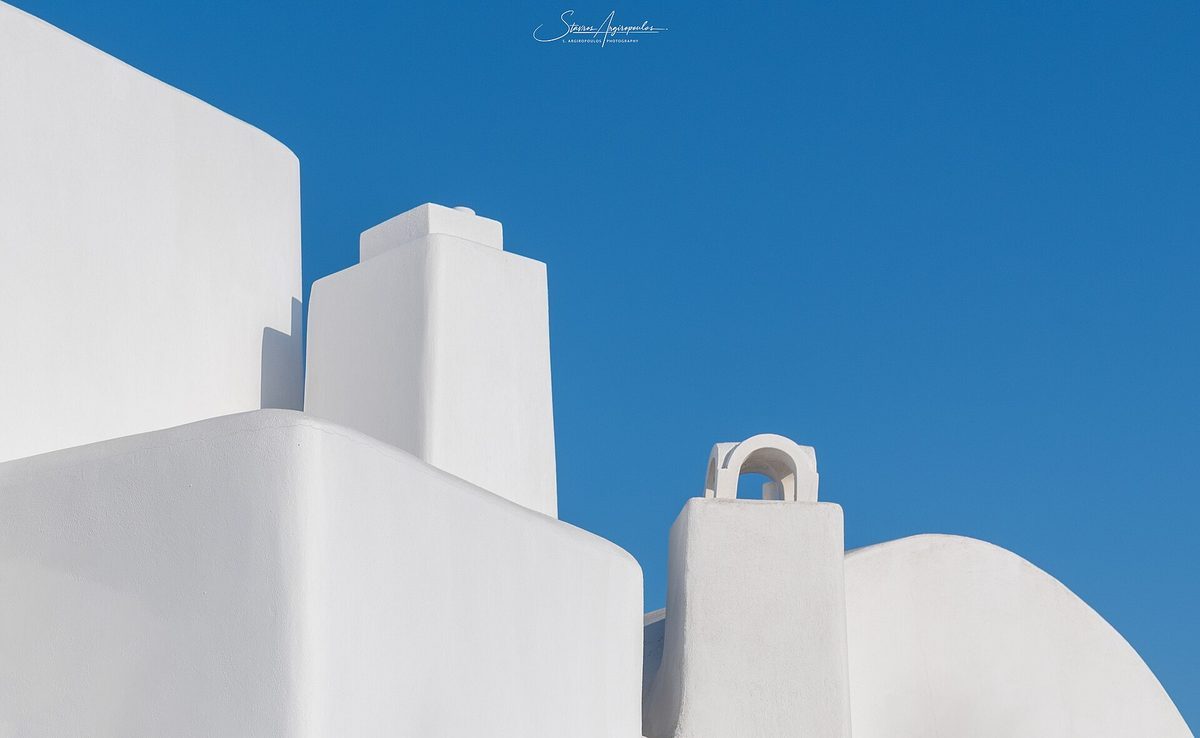
The Prophet Elias monastery crowns Santorini’s highest peak at 565 metres above the village of Pyrgos, a fortress-like 18th-century monastery with breathtaking views over the whole island, a museum of treasures and a long monastic tradition. This guide covers the monastery, its history, the views and how to visit.
The monastery is a spiritual and scenic highlight of the wider Santorini travel guide. It sits atop Mount Profitis Ilias near Pyrgos. The sections below cover the visit.
What is the Prophet Elias monastery?
The Prophet Elias monastery, or Profitis Ilias, crowns the highest summit of Santorini at 565 metres, above the village of Pyrgos. Built in 1712 to resemble a fortress against pirate raids, it ranks among the oldest monasteries on the island and offers the widest views.
The Prophet Elias monastery is Santorini’s lofty spiritual landmark. Perched on the summit of Mount Profitis Ilias, the highest point on the island at 565 metres, just above the hilltop village of Pyrgos, it commands the entire island. Founded in the early 18th century, it is among the oldest and most significant monasteries on Santorini, and its solid, fortress-like form reflects the dangerous age in which it was built. Today it remains an active monastery and a rewarding place to visit for its history, its treasures and, above all, the unmatched views from its courtyard over the whole of Santorini, set within the wider Pyrgos. Its history runs deep.
What is its history?
Two monks, Joachim and Gabriel, founded the monastery in 1711 to 1712 and built it like a fortress against frequent pirate attacks. During the 19th century it ran a hidden school teaching Greek language and literature, preserving Greek culture under Ottoman rule.
The monastery’s story mirrors the turbulent history of the islands. It was founded around 1711 to 1712 by two monks, Joachim and Gabriel, with the local bishop’s blessing, and deliberately built to resemble a fortress, with thick walls and a defensive layout, so the monks could protect themselves and the faithful from the incessant pirate raids of the era. During the early decades of the 19th century, while Greece remained under Ottoman rule, it ran a clandestine school teaching Greek language and literature, helping to keep Greek learning and identity alive. Through the centuries it grew wealthy and influential, set out alongside the guide to the island’s history. There is much to see.
What can you see at the monastery?
At the monastery you can see breathtaking 360-degree views over the whole of Santorini, a museum of rare ecclesiastical treasures, hand-written books and Byzantine icons, and traditional workshops for printing, shoemaking, candle-making and winemaking that show the self-sufficient monastic life.
The monastery rewards a visit on several levels. From its courtyard, the panorama is the finest on the island, taking in the caldera, the villages, the beaches and the open Aegean spread out far below, an unmatched overview of Santorini. Inside, a museum displays a notable collection of rare ecclesiastical treasures, handwritten manuscripts and centuries-old Byzantine icons, while the monastery also preserves traditional workshops for printing, shoemaking, candle-making and winemaking, a glimpse of the self-sufficient life the monks led. The monks still produce their own wine. Modest dress is required out of respect, set out alongside the guide to Santorini wine. Getting up there needs a car.
How do you visit the monastery?
You reach the monastery best by car or taxi up a winding paved road from Pyrgos, around 2 kilometres, with no bus to the summit. The energetic hike the marked trail from Pyrgos square. Enter in modest dress and pair the visit with a winery.
Reaching the summit is straightforward with the right transport. A winding but well-surfaced paved road climbs by car, quad or taxi from the village of Pyrgos to the monastery, around 2 kilometres, an easy enough drive even for less confident drivers. There is no direct bus to the top, and the KTEL buses stop in the centre of Pyrgos, so a car or taxi is the practical way up. The clearly marked 2.5-kilometre walking trail begins in Pyrgos’s main square and gives walkers a more athletic ascent of about 45 minutes.
Dress modestly to enter the monastery, and combine the visit with the hilltop village of Pyrgos and a nearby winery for a rewarding half-day. The stop sits neatly alongside the guides to Santorini car rental and a Santorini itinerary. The questions below cover the points travellers ask most.
Why is the monastery the highest point on Santorini?
The monastery crowns Mount Profitis Ilias, the summit of Santorini at 565 metres and the tallest peak on the island. Its height above every village and beach gives the courtyard a clear view over the whole of Santorini.
Mount Profitis Ilias is the island’s true peak, a limestone mass that predates the volcanic caldera and rises well above the volcanic terraces around it. The monastery sits right on the summit, which is why the panorama reaches every corner of Santorini: the caldera cliffs to the west, Pyrgos and the plains below, and the beaches of Kamari and Perissa on the east coast. On a clear day the neighbouring islands of Ios and Anafi appear on the horizon. The height also explains the tall telecommunications masts that share the summit, a modern footnote beside the old walls. The nearby coast is worth a look too, set out in the guide to Kamari beach.
When is the best time to visit the monastery?
Visit in the morning for the clearest air and the coolest walk, or in late afternoon for softer light over the caldera. Spring and autumn bring mild temperatures and quieter roads, and the summit stays breezy even at the height of summer.
The monastery keeps its own rhythm as a working religious house, so the courtyard and the views are the main draw rather than fixed opening times. Morning visits reward you with sharp, haze-free views across the island and a gentler climb before the midday heat builds. Late afternoon trades some clarity for warm, golden light that flatters the caldera and the white villages far below. The exposed summit catches a steady breeze, so a light layer helps even in July and August. Spring and autumn are the most comfortable seasons for the drive and the optional hike, with mild air and far less traffic on the road up from Pyrgos.
Frequently Asked Questions
What is the Prophet Elias monastery in Santorini?
The Prophet Elias monastery sits on Santorini’s highest peak at 565 metres above Pyrgos, a fortress-like 18th-century monastery founded in 1712. One of the island’s oldest, it offers sweeping views, a museum of icons and treasures, and traditional monastic workshops.
How do you get to the Prophet Elias monastery?
You reach the monastery best by car, quad or taxi up a winding paved road from Pyrgos, around 2 kilometres, as there is no direct bus to the summit. The energetic can hike the marked 2.5-kilometre trail from Pyrgos’s main square. Modest dress is required to enter.
What is the elevation of the Prophet Elias monastery?
The monastery stands at 565 metres above sea level on the summit of Mount Profitis Ilias, the highest point in Santorini. That elevation gives the courtyard an unbroken view over the caldera, the villages and both coasts of the island.
Is it difficult to hike to Profitis Ilias?
The marked trail from Pyrgos square climbs about 2.5 kilometres to the summit and takes roughly 45 minutes at a steady pace. The path is clear but steep in parts, so sturdy shoes and water help. Most visitors drive the paved road instead.
Is the Prophet Elias monastery worth visiting?
The monastery is well worth visiting for the finest panoramic views on Santorini from its courtyard atop the island’s highest peak, along with its museum of rare icons and treasures and traditional workshops. It pairs well with the hilltop village of Pyrgos and a winery.