
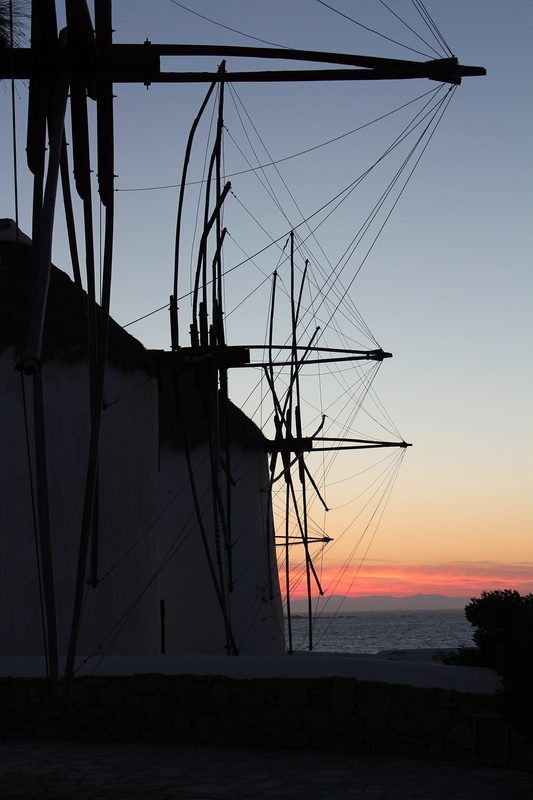
Naxos rewards a photographer with range. One island holds a marble sea-gate, a walled medieval town, mountain villages of grey stone, panoramic peaks, and a west coast of pale sand and shallow water. Light here is clean and direct, and the subjects sit close together across short drives. A single day can carry you from a Byzantine chapel among olive groves to a dune-backed beach glowing at dusk. This guide maps the strongest frames on the island and the hour each one peaks, so your memory card fills with keepers rather than test shots. Study the spots, time the light, and pair the shooting days with easy island logistics planned with My Greece Tours.
Every location below is reachable on a self-drive loop, and most cluster within forty minutes of Naxos Town. Read this alongside our Naxos travel guide for opening times, parking notes and the wider itinerary. The sections below cover the Portara at golden and blue hour, the Venetian Kastro lanes, marble Apeiranthos, the Mount Zas panorama, the west-coast beaches, and the Tragaea churches, plus gear, timing and drone rules. Each answer names the best window and the exact vantage point so you arrive ready to shoot.
When should you photograph the Portara for the best light?
Shoot the Portara at golden hour for warm marble tones, then stay for blue hour when the gateway silhouettes against a violet sky. Sunrise gives an empty frame and soft side-light on the columns.
The Portara stands on Palatia islet, joined to Naxos Town by a short causeway. This lone marble doorframe is the island’s signature subject, and it faces west toward open sea. Golden hour bathes the stone in honey light and rakes long shadows across the ridge. Walk to the far side of the islet and shoot back toward the sunset to catch the sun framed inside the doorway on the right dates. A wide lens at 16-24mm exaggerates the scale of the columns against a small human figure placed in the gap. Arrive an hour before sundown to claim your spot, because the causeway crowds quickly. Bring a sturdy tripod for the frames that follow once the sun drops.
Blue hour transforms the same subject. The marble turns cool and pale while the sky deepens to indigo, and the town lights switch on behind you. A ten to twenty second exposure smooths the sea into soft mist around the base of the islet. Underexpose slightly to hold the gateway as a clean silhouette against the afterglow. Sunrise offers the opposite mood: gentle side-light, no crowds, and calm water for reflections along the causeway. Return during a north wind for dramatic spray on the rocks below. Frame the doorway off-centre using the rule of thirds, and let the sea and sky fill the rest.
The town of Naxos Town stacks up behind the islet for a strong background layer.
How do you photograph the Venetian Kastro lanes of Naxos Town?
Shoot the Kastro in mid-morning or late afternoon, when soft light bounces down the narrow marble lanes. Look for arched passages, carved Venetian coats of arms, and framed sea views at the end of stepped alleys.
The Kastro crowns the old harbour district of Naxos Town, a walled hilltop laid out by Venetian lords. The lanes twist tight and pale, and hard noon sun blows out the whitewash. Wait for the low angled light of morning or evening, when warm reflections fill the alleys and shadows add depth. Use a 35mm or 50mm lens to compress the stepped passages and layer arch behind arch. Watch for bougainvillea spilling over doorways, blue shutters against white walls, and cats framed in patches of light. Shoot at f/8 to hold sharpness through the depth of a long lane.
Include a lone figure climbing the steps to give the frame human scale and a sense of the maze.
Detail work rewards patience inside the walls. Carved marble lintels, iron door knockers, and faded Venetian crests reward a longer look and a tighter crop. Point the camera up to catch stone arches spanning the narrow gaps between houses. The lanes open suddenly onto a bright rectangle of Aegean blue, a natural frame worth waiting for as a passer-by steps into the gap. Climb toward the central tower and the cathedral square for elevated views over the tiled rooftops. Shoot the rooftops at sunset when the tiles glow and the harbour glitters below. Convert some frames to black and white to emphasise the texture of aged marble and shadow.
Explore more corners with our guide to the villages of Naxos for the mountain settlements beyond town.
What makes Apeiranthos a great village for photography?
Apeiranthos is built entirely of grey marble, giving it a rare monochrome texture. Shoot the stepped lanes, vaulted passages and stone balconies in soft light, and frame the Tragaea valley from the village edge.
Apeiranthos clings to the slopes of the interior, a marble village where paths, walls, and stairs share one cool grey palette. This uniform stone makes the settlement a study in texture and shadow rather than colour. Walk the covered passages early, when raking light picks out every chisel mark and worn step. Frame the Venetian tower and the low arches that span the lanes, and let a bright doorway or a red geranium break the grey. A 24-70mm zoom handles the tight streets and the wider valley views without a lens change. Position a villager or a laden donkey in the frame to animate the stone corridors.
The altitude keeps the air clear, so distant ridgelines stay crisp in the background.
The village edge opens onto sweeping views worth the climb. Look west across the Tragaea basin, a green sea of olive groves dotted with white chapels and stone hamlets. Late afternoon light rakes across the terraced slopes and adds long shadows and depth. Shoot the Byzantine churches and their bell towers scattered through the valley from these high vantage points. A short telephoto at 70-135mm compresses the layered ridges into stacked planes of blue and grey. Return at dusk when lamplight glows in the marble windows and the lanes empty of visitors. The village stays cool even in summer, which makes midday exploration comfortable when the coast bakes.
Combine the drive with the wider mountain circuit in our villages of Naxos guide. Photographers can build these locations into a relaxed Naxos 4-day itinerary.
Is Mount Zas worth the hike for panoramic photos?
Yes. Mount Zas is the highest peak in the Cyclades, and its summit delivers a full panorama over Naxos, the surrounding islands and the Aegean. Shoot at sunrise or late afternoon for the strongest side-light.
Mount Zas rises above the eastern interior, and the trail starts near the Aria spring or the chapel of Agia Marina. The climb takes ninety minutes to two hours, so pack water and start early to beat the heat. Along the way you pass the cave of Zeus, a dark mouth in the rock that frames the valley below. Carry a lightweight kit for the ascent: one body and a versatile 24-105mm zoom cover the wide summit views and the trail details. The higher you climb, the more islands rise on the horizon, so keep shooting as the panorama widens.
Loose scree near the top demands sure footing, and a wrist strap keeps the camera safe on the exposed ridge.
The summit reward is a horizon crowded with Cycladic islands. Paros, Mykonos, and distant peaks float on the haze, and the whole of Naxos spreads below in terraces and villages. Morning delivers clean side-light and cool shadows across the ridges, while late afternoon warms the stone before the descent. Use a wide lens for the full sweep and a graduated filter to hold the bright sky against the darker land. Include the trig marker or a hiker on the peak to anchor the scale of the view. Haze softens midday distance, so the golden hours give the crispest layers. Descend before dark, because the path grows tricky in low light.
Rest afterwards at Plaka beach to shoot the sunset over calmer ground.
Where are the best beach and sunset photography spots on Naxos?
The west coast holds the finest beach light. Shoot Plaka and Mikri Vigla for pale sand, turquoise shallows and dune grasses, then stay for sunset when wet sand mirrors the sky in vivid colour.
The west coast faces the sunset, which makes it the island’s prime evening studio. Plaka beach stretches long and pale, backed by dunes and cedar, with shallow water that glows turquoise under the afternoon sun. Shoot low along the sand to catch ripples in the foreground and the horizon line kept level and clean. Mikri Vigla adds a rocky headland and kite-surfers who add motion and colour to a wide frame. A polariser deepens the blue of the water and cuts the glare off wet sand. Reflections form in the thin sheet of water left by each retreating wave, so time your shot between sets.
Golden hour turns the whole shore warm, and the dune grasses catch a rim of light.
Sunset is the payoff along this coast, and the west-facing beaches deliver it nightly. As the sun drops, the wet sand becomes a mirror and doubles the colour of the sky in the foreground. Slow the shutter to blur the incoming surf into soft cloud around the rocks. A tripod and a two to four second exposure hold detail in both the bright sky and the darkening sand. Stay through blue hour, when the afterglow shifts from orange to deep pink and the crowds thin out. Scout the exact vantage in advance using our roundup of Naxos sunset spots to match the tide and the season.
Bracket your exposures to blend later, and clean your lens often, because salt spray fogs the glass fast on a breezy shore. Plan your visit and tours through our Naxos travel guide.
Frequently Asked Questions
What camera gear should I bring for photographing Naxos?
A single mirrorless or DSLR body with two lenses covers the whole island comfortably. Pack a wide zoom around 16-35mm for the Portara, beaches and Kastro lanes, plus a mid-telephoto near 70-200mm for the layered Tragaea valley and distant islands from Mount Zas. A sturdy tripod is essential for blue-hour gateway shots and long-exposure surf. Add a circular polariser to deepen the turquoise water and cut glare off wet sand, and a graduated neutral-density filter to balance bright skies against darker land. Carry spare batteries, because heat and long shooting sessions drain them fast. A microfibre cloth handles the salt spray that fogs lenses on the west coast.
A wrist or neck strap protects the camera on the scree near the Zas summit. Keep the kit light for the mountain hikes, and store everything in a dust-sealed bag against the fine marble grit in the villages.
Are drones allowed for aerial photography on Naxos?
Drone rules in Greece follow European regulations, and you must register as an operator and label the aircraft before flying. Keep the drone within visual line of sight, below the legal altitude ceiling, and clear of crowds, ports and the airport near Naxos Town. Archaeological sites carry extra restrictions, so the Portara islet and any protected monument may require a permit or ban flights outright. Avoid launching over busy beaches in peak season, where people fill the frame and complaints follow. The open west-coast dunes, the Tragaea valley and the Mount Zas ridges offer wide, empty subjects that suit aerial work far better.
Fly in the calm of early morning, because the afternoon meltemi wind can push a light drone off course. Check the current national rules before you travel, since the details shift, and respect no-fly zones marked on the official maps. Sensible, low-impact flying keeps access open for the photographers who follow you.
How many days do I need to photograph the main spots on Naxos?
Three full days let you shoot the headline locations without rushing the light. Give the first day to Naxos Town, timing the Kastro lanes for soft morning light and the Portara for golden and blue hour that same evening. Spend the second day in the interior, driving up to marble Apeiranthos in the cool morning and photographing the Tragaea churches and olive groves through the afternoon. Reserve the third day for the west coast, resting through the harsh midday sun and returning to Plaka or Mikri Vigla for the sunset mirror shots. Add a fourth day for the Mount Zas hike, which demands an early start and fair weather for the clearest panorama.
A longer stay lets you re-shoot a spot in better conditions, since one cloudy evening can cost you the marquee frame. Weather and wind shift daily here, so build in a spare window for the shots that matter most.