
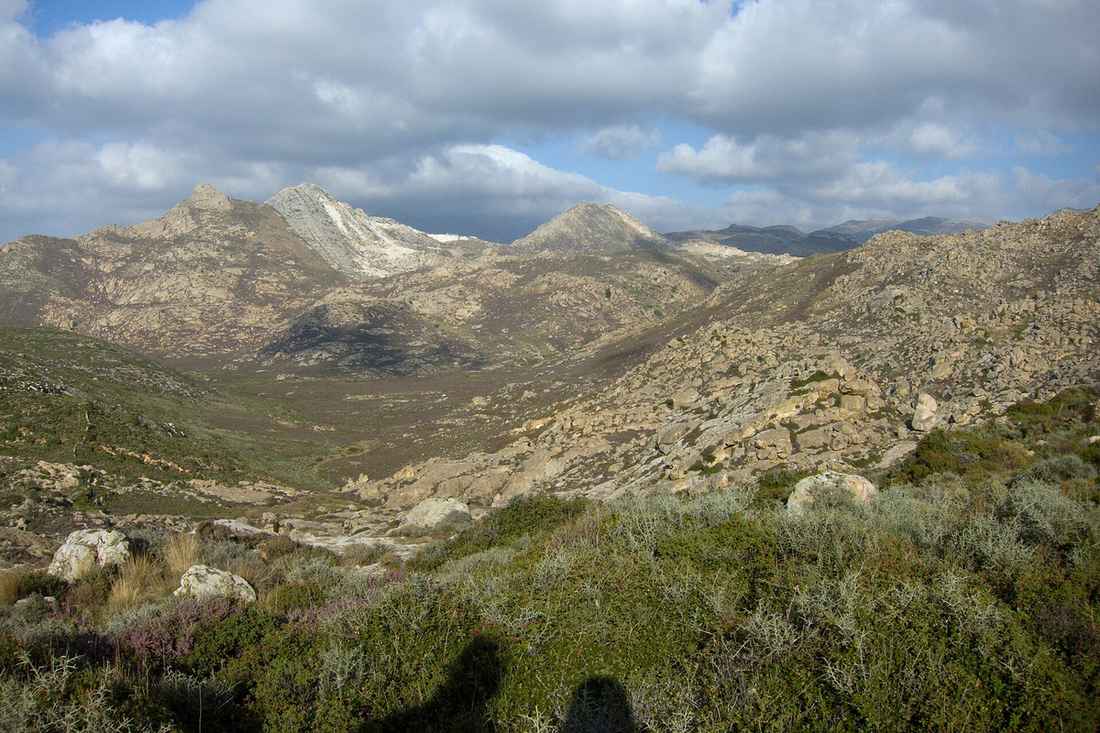
Moni is a green mountain village on the slopes above the Tragaea valley, one of the most rewarding stops on any inland tour of Naxos. Stone lanes climb between whitewashed houses, springs feed old washing troughs, and panoramic views open across the olive terraces below. The village is best known as the gateway to Panagia Drosiani, a Byzantine church counted among the oldest in the Balkans. Woodcarving workshops keep an old craft alive, and shaded tavernas serve honest mountain food. This guide maps the village, its church, its crafts, and its walks so you can plan a slow, memorable day inland with My Greece Tours.
Moni sits high enough to stay cool in summer and close enough to Chalki, Kinidaros, and Damarionas to combine into a single loop. Our Naxos travel guide places the village inside the wider Tragaea network of Byzantine churches, springs, and marble villages. The sections below cover how to reach Moni, what to see in and around the village, the woodcarving tradition, the walks that fan out into the surrounding hills, and practical tips for eating, parking, and timing your visit well.
Where is Moni village on Naxos and how do you get there?
Moni sits on the eastern slopes above the Tragaea valley, roughly twenty kilometres inland from Naxos Town. Drive the central road toward Chalki, then climb the marked mountain turnoff for about ten winding minutes upward.
The drive from Naxos Town runs through Galanado and Chalki before the road bends steadily upward toward the mountains and the green upper slopes. The final approach to Moni is a narrow paved lane with tight curves and steep drops, so take it slowly and use the horn on the blind bends. Parking sits at the village edge near the main church square, since cars cannot pass through the stone lanes above the plane trees. The route threads the heart of the Tragaea, and our Naxos travel guide outlines the full inland circuit in detail.
Buses reach Chalki and Filoti more reliably than Moni itself, so a rental car or a guided tour gives the freedom the mountain road truly rewards. Fuel up in town first before the long climb.
Moni pairs naturally with nearby villages on the same drive, letting you build an unhurried half-day loop through the highlands. Halki anchors the valley below with its neoclassical mansions and citron distillery, while Kinidaros lies north among the marble quarries that supplied ancient sculptors with their stone. The broader network of villages of Naxos shows how these settlements connect across ridges, terraces, and springs. Signposting improves near the church, though a downloaded offline map helps in the higher lanes where mobile coverage thins out. Morning light favours the eastward views and keeps the drive cool before midday heat settles over the valley terraces.
Allow yourself extra minutes for photo stops along the winding mountain road, and keep a full water bottle in the car for the exposed sections.
What can you see in and around Moni village?
The village offers stone lanes, spring-fed troughs, panoramic valley views, and shaded squares under plane trees. Just below stands Panagia Drosiani, a sixth-century Byzantine church with rare early frescoes and thick fieldstone walls that anchor the whole area.
The undisputed highlight is Panagia Drosiani, sitting a short walk downhill from the village on the road toward Chalki. Its rounded stone domes and whitewashed walls date to early Christian centuries, and the interior holds layered frescoes that rank among the oldest surviving anywhere in Greece. A caretaker usually opens the church during daylight hours, and modest dress is expected inside the low, dim nave. The building feels weighty and ancient, cool even at noon, with candle smoke darkening the vaults over centuries. Painters reworked the interior across several eras, so faces from different periods look out from the plaster. Photography without flash is generally tolerated, though donations support the ongoing upkeep.
The church draws pilgrims and historians alike, so arrive early to have the small nave largely to yourself before tour groups climb up from the valley road below.
Up in the village itself, the pleasures are quieter and slower to reveal themselves to an unhurried visitor. Stone-paved lanes wind past carved wooden doors, flower-filled courtyards, and old fountains that still run cold from the mountain springs above. The main square gathers under plane trees where tavernas set out tables and locals pass the long afternoon. Viewpoints at the upper edge frame the Tragaea valley, its olive groves stitched with white chapels and marble hamlets. Damarionas lies within easy reach, and the Damarionas lanes share the same terraced, spring-fed beauty. Springs, a folklore feel, and the scent of woodsmoke give Moni a lived-in character rather than a polished museum surface.
Small churches and chapels dot the slopes, each worth a short pause on a slow circuit. Wander without a fixed plan to find its best corners and quiet viewpoints.
Why is Moni known for its woodcarving tradition?
Moni grew a woodcarving craft rooted in the timber of its wooded green slopes and the needs of local churches and homes. Artisans still shape doors, furniture, and ornate icon frames using patterns handed down through generations of village families.
The green slopes around Moni set it apart from the drier villages of Naxos, and that abundant timber shaped its economy for centuries. Carvers worked walnut, mulberry, and other local woods into carved doors, chests, chairs, and the ornate frames that surround church icons. The tradition served both practical household needs and religious commissions, so skill and technique stayed within families over generations. Workshops in and near the village still produce carved pieces, and a few keep their doors open for visitors curious about the old craft. The motifs draw on rosettes, twisting vines, and geometric bands that echo both Byzantine and folk patterns.
This handwork gives Moni a genuine cultural depth beyond its scenery, tying the village to the churches it helped furnish across the surrounding valley.
Woodcarving here connects to the wider identity of the Tragaea as a whole zone of makers and skilled masons. Marble villages nearby cut and dressed hard stone, while Moni worked in wood, and together they furnished the region’s churches and grand mansions. The craft rewards a slow look: run a hand across a carved door and the depth of the relief becomes clear. A workshop visit combines well with a walk, since the hiking in Naxos trails link Moni to workshops and chapels scattered through the surrounding hills. Buying a small carved object directly from a maker supports the tradition far better than any mass-produced souvenir.
Ask politely before photographing a workshop, since these remain working spaces rather than staged displays arranged for passing tourists to browse.
What walks and hikes start from Moni?
Moni anchors several Tragaea footpaths that link Byzantine chapels, cold springs, and neighbouring villages together. Short strolls reach Panagia Drosiani and the viewpoints, while longer routes descend toward Chalki or climb the ridges for wide, sweeping valley panoramas.
The gentlest walk drops from the village down to Panagia Drosiani and back, a short stretch of quiet road with open valley views the whole way. Slightly longer paths thread the terraces down toward Chalki, passing chapels, olive groves, and old stone threshing floors along the gradual descent. The footing mixes paved lane, dirt track, and worn cobbles, so sturdy shoes matter far more here than raw distance. Water from the village springs is refreshing, though carrying your own bottle is wiser during the high summer months. The broader hiking in Naxos network maps these Tragaea links in careful detail.
Early starts beat the heat and reward walkers with birdsong, cool air, and long golden light across the eastern slopes before the day fully warms.
More ambitious routes climb the ridges above Moni toward Mount Zas and the high Tragaea, offering sweeping panoramas over the whole inland basin. These upper paths demand better fitness, proper footwear, and a downloaded map, since the waymarking fades on the higher, remoter sections. Small chapels punctuate the way, and cold springs offer welcome pauses in patches of shade. The route down to Halki makes a satisfying point-to-point walk when a car or a taxi handles the return journey. Linking Moni with the wider villages of Naxos turns a single hike into a full day of springs, frescoes, and stone lanes.
Late spring keeps the slopes green and the streams flowing, which makes the upper ridges far more pleasant underfoot. Tell someone your plan and rough timing before setting out on the longer, more remote highland circuits.
When should you visit Moni and what should you know before going?
Visit in spring or autumn for green slopes, cool air, and open tavernas. Come mid-morning to catch the church open, bring cash and modest dress, and allow a relaxed two to three hours for the village.
Spring brings wildflowers and running springs, while autumn offers warm light and the calm after the busy summer rush. Summer stays cooler up here than the coast, though midday heat still bakes the open lanes, so mornings and late afternoons suit walking best. Modest dress and a respectful manner matter at Panagia Drosiani, and a small donation helps support its ongoing care. Cash is essential here, since the village tavernas and any craft workshops rarely take cards at all. Combine Moni with Damarionas and Kinidaros for a fuller inland loop through terraces, marble, and springs. Village feast days draw crowds and music, so ask locally about dates before planning your day around one.
Park at the village edge and continue on foot into the stone lanes above, where vehicles simply cannot pass the narrow paving.
Give the village enough time to unfold slowly rather than rushing through it for a single quick photo. A relaxed visit runs two to three hours, longer still if you add a walk or a leisurely taverna lunch under the plane trees. Local food leans firmly toward mountain fare: fresh cheeses, wild greens, slow-cooked meat, and honey from the valley hives. Fuel up and buy any supplies in town first, since services thin out sharply across the highlands. Respect the working rhythm of a small settlement, keep your voices low near the homes and the church, and greet the people you pass on the lanes.
A small carved souvenir bought from a local maker outlasts any photo and supports the village craft. Plan your visit and tours through our Naxos travel guide.
Frequently Asked Questions
Is Panagia Drosiani really one of the oldest churches in the Balkans?
Panagia Drosiani ranks among the oldest surviving Christian churches in Greece and the wider Balkans, with its earliest building phases dating to the sixth century. The church sits just below Moni on the road toward Chalki, built from rough fieldstone with rounded domes rather than the sharp geometric lines of later Cycladic chapels. Inside, layered frescoes cover the vaults, and some are so early they predate the standardised Byzantine iconographic programme, which gives the interior real art-historical weight. The name Drosiani, tied to a word for dew, links to a local tradition of miraculous rainfall arriving during a long drought.
A caretaker usually opens the church through daylight hours, and visitors are asked to dress modestly and photograph without flash. The building remains cool and dim even at midday, and its ancient, weighty atmosphere rewards a quiet, unhurried visit. Arrive early to see the frescoes in peace before valley tour groups climb up to the door.
How much time should I plan for Moni and can I combine it with other villages?
Two to three hours covers Moni comfortably, including a walk down to Panagia Drosiani, a wander through the stone lanes, and a taverna stop under the shady plane trees. Adding a hike or a longer, slower lunch stretches the visit toward a half day, which the mountain setting easily justifies. The village combines naturally with its Tragaea neighbours, since the same inland road links a whole chain of marble and green mountain settlements together. Chalki, with its neoclassical mansions and citron distillery, sits below in the valley and makes an obvious, easy pairing. Damarionas and Kinidaros both lie within a short drive and share the terraced, spring-fed character of the highlands.
A full inland loop can fill a relaxed day, weaving together Byzantine churches, woodcarving workshops, and open viewpoints. Renting a car or joining a guided tour gives the flexibility the winding mountain roads demand, far more than the limited village bus service allows most travellers.
What practical things should I bring or know before visiting Moni?
Bring plenty of cash, since the village tavernas and any craft workshops rarely accept cards, and services across the highlands stay fairly limited. Wear sturdy shoes for the stone lanes and any walks you plan, along with modest clothing for entering Panagia Drosiani. Carry water in summer, even though the village springs run cold, and start any walks early to avoid the midday heat on the open slopes. Park at the village edge near the church square, as cars cannot pass the narrow paving above, then continue on foot into the lanes. Download an offline map before you arrive, because mobile coverage thins out in the upper lanes and on the surrounding trails.
Fuel up and buy supplies in Naxos Town first, since fuel stations and shops are scarce inland. Treat the settlement as a living community rather than an attraction: greet people, keep noise down near homes and the church, and always ask before photographing workshops or residents going about their daily work.