
Lambi Beach is the nearest full beach to Kos Town, offering a long sandy stretch at the northern edge of the island’s capital. This popular spot is known for its vibrant seafront district and easy access from the town center. Plan the whole trip with Greece Tours.
With its organized sections featuring sunbeds, umbrellas, and watersports, Lambi Beach caters to both families and adventure seekers. The beach’s proximity to Kos Town makes it a convenient destination for visitors looking to enjoy the sun and sea.
What is Lambi Beach on Kos like?
Lambi Beach is a long, sandy beach at the northern edge of Kos Town, offering organized sections with sunbeds and watersports. The beach faces the strait toward the Turkish coast, providing wide views and a busy atmosphere.
Lambi Beach stretches north from the Kos Town harbour, forming a strip of sand and fine shingle about 2 kilometres long. The beach runs along the Lambi district at the northern edge of the capital, facing the strait toward Bodrum on the Turkish coast, about 4 kilometres across the water. Organized parts rent sunbeds and umbrellas in double rows, while free sand sits between the concessions. The shoreline slopes gently into clear, shallow water, and a paved promenade backs the sand for its full length. Italian-era buildings and low hotels line the road behind, giving the strip an urban edge rather than a remote feel.
The position beside the town makes Lambi the closest full beach to the port, reached in about 15 minutes on foot from the Plane Tree of Hippocrates.
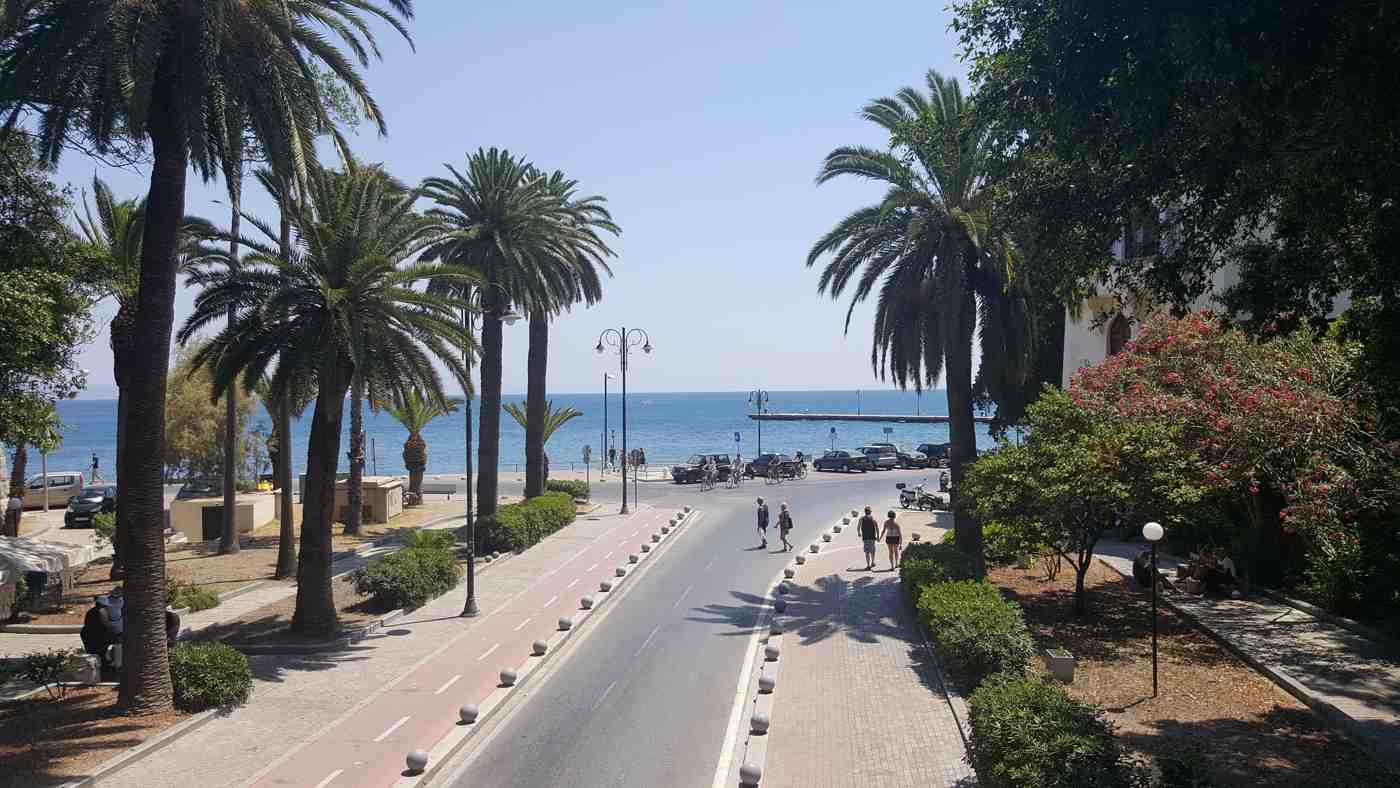
The Lambi seafront district lines the promenade with cafes, bakeries, and tavernas set one block back from the sand. Fish tavernas serve grilled catch, while beach bars pour frappe and cold drinks through the afternoon. The strip stays busy from morning swims until late evening, when families walk the paved path after dinner. Lambi sits within easy reach of Kos Town, so guests in harbour hotels reach the sand in a short walk. Supermarkets and rental shops behind the beach cover forgotten sunscreen, water, and snorkels. The mix of everyday services and open sea gives Lambi a working neighbourhood feel, unlike the isolated coves further southwest near Kefalos and Agios Stefanos.
Bus stops on the main road connect the district to the town centre and the harbour bus station within minutes.
Families favour Lambi for its gentle gradient and shallow water, which reaches knee height about three metres out. The beach keeps showers, changing cabins, and drinking-water taps within the organized sections. Lifeguard posts operate on the busiest central stretch through high summer, and first-aid points sit near the main concessions. Parents rent a double sunbed set for a fixed daily fee, usually around 8 to 10 euros, and stay within sight of children in the water. Snack bars behind the sand sell ice cream, toasted sandwiches, and cold juice without a long walk. Calm morning water before the wind rises gives young swimmers the safest window of the day.
The flat promenade suits prams and wheelchairs, and ramps drop from the road to the sand at four points along the Lambi front.
Watersports operators set up at the northern end of Lambi, where the meltemi wind builds across open water. Windsurf and stand-up paddle rentals run from wooden shacks, with boards priced around 15 to 20 euros an hour. The northwesterly meltemi strengthens through July and August, pushing steady side-shore wind that suits intermediate windsurfers. Jet-ski hire and towed rings launch from a roped lane kept clear of swimmers by buoys. Instructors offer beginner windsurf lessons in the calmer early hours before the afternoon gusts arrive. The exposed north coast makes Lambi windier than sheltered Psalidi to the southeast, a trade-off riders accept for reliable breeze.
The same wind cools the sand on hot afternoons, keeping the beach usable when inland Kos Town bakes. Rental crews store gear overnight and reopen by mid-morning once the first swimmers arrive.
How do you reach Lambi Beach from Kos Town?
Lambi Beach is easily accessible from Kos Town on foot or by bike, located just north of the harbour. A flat coastal cycle path connects the beach to the town centre, making the journey short.
Walkers reach Lambi from the harbour in about 15 to 20 minutes along the seafront and Vasileos Georgiou avenue. The route runs flat past the Castle of Nerantzia, the marina, and the northern hotels before the sand opens out. Pavements stay wide and shaded in parts by tamarisk trees, so the walk works even in midday heat. The promenade continues without a break, letting visitors start swimming anywhere along the 2-kilometre front. Signposts near the marina point toward Lambi and the northern beaches, and the sea stays in view for the whole distance. The short gap between town and sand lets guests return for lunch and come back in the afternoon without arranging transport.
Early risers often walk out before breakfast to claim a front-row sunbed near the central concessions.
Cyclists cover the same distance in about 10 minutes on the flat coastal path that hugs the shore. Rental shops in Kos Town hire city bikes for around 5 to 8 euros a day and e-bikes for more. The path carries a marked cycle lane past the marina, so riders stay separated from cars for most of the way. Bike racks stand at the entrances to the organized beach sections, letting visitors lock up close to the sand. The gentle grade suits children and older riders, and families often cycle out together after breakfast. The same lane continues west beyond Lambi toward Tigaki, so a beach ride can extend into a longer coastal loop.
Rented bikes come with locks and baskets, enough to carry towels and water for a beach day.
Cyclists and walkers reach the Lambi promenade first, a paved strip separating the road from the sand. Cafes and rental kiosks cluster at the southern access near the marina, thinning toward the quieter northern end. Clear ramps and steps drop to the sand every hundred metres or so, each marked with the concession name. Drinking-water taps and public showers stand at the main entrances, so day visitors refill bottles without buying. Signage lists the sunbed prices and the watersports lane, keeping the layout easy to read on arrival. The busiest core sits opposite the largest hotels, while walkers seeking space head 300 metres north to thinner crowds and open sand.
Parked bikes fill the racks by late morning, a sign the central stretch has reached its peak.
Local buses connect Kos Town to the Lambi front through the town bus service, with stops on the coast road. Buses run at short intervals through the day in summer, and a single ticket costs about 2 euros bought onboard. Taxis wait at the harbour rank and reach the far northern end of Lambi in under 10 minutes. The flat run keeps fares low, useful for guests carrying beach gear or travelling with small children. Drivers know the concession names, so a passenger can ask for a specific beach bar entrance. Buses continue past Lambi to Tigaki and Marmari, letting visitors combine the town beach with the wider northern sands on one ticket.
Fixed taxi fares within the town keep the ride affordable even for a short two-kilometre hop.
What facilities are available at Lambi Beach?
Lambi Beach offers a range of facilities, including sunbeds, umbrellas, watersports rentals, and a promenade with cafes and tavernas. The beach is well-equipped to cater to both relaxation and adventure.
Organized concessions run the length of Lambi, renting padded sunbeds and straw umbrellas in numbered double rows. A standard set of two beds and one umbrella costs around 8 to 12 euros a day, sometimes waived with a food order. Each concession keeps its own showers, changing cabins, and a bar serving the beds by table service. Attendants clear used beds and rake the sand each morning before the first swimmers arrive. Free sand strips sit between the paid sections, so visitors with their own umbrella still find a spot. The double rows give even the back beds a clear sea view across the strait toward Bodrum.
The layout keeps the busy central core close to the promenade cafes and the northern rentals near the wind.
Tavernas and cafes line the road behind Lambi, most set one block back with terraces facing the water. Fish tavernas grill the daily catch, while grill houses serve souvlaki and gyros for a quick beach lunch. Prices run moderate for Kos Town, with a plated main around 10 to 14 euros and a frappe near 4 euros. Bakeries open early for spinach pie and fresh bread, feeding walkers before the first swim. Beach bars along the sand deliver cold drinks and light plates straight to the sunbeds. The evening crowd shifts to the promenade tables, where families eat within sight of the floodlit water.
The steady run of tavernas means visitors rarely walk more than 100 metres for a meal. Mini-markets between the restaurants sell water, fruit, and sun cream for self-catering guests.
Watersports bases cluster at the northern end, where the meltemi breeze reaches the sand most reliably. Operators rent windsurf boards, stand-up paddleboards, kayaks, and jet skis, with hourly rates from around 15 euros. A roped launch lane keeps powered craft clear of the swimming zone, marked by yellow buoys offshore. Instructors run beginner windsurf and paddle sessions in the calm early hours before the afternoon wind rises. Storage racks hold rental boards overnight, and staff reopen the shacks by mid-morning each day. Towed rings and banana rides launch on demand for groups, priced per seat for a short circuit. The northern position gives riders open water toward Tigaki, free of the moored boats found near the marina.
Wetsuit and harness hire comes bundled with board rental, so riders arrive with only swimwear.
Family facilities cover the whole Lambi front, from public showers to shaded rest points along the promenade. The gentle slope and shallow entry give children a safe swimming zone, watched by lifeguards on the central stretch. Ramps link the road to the sand at four points, easing access for prams and wheelchairs. Pharmacies and a health centre sit within Kos Town, about 15 minutes back on foot or 10 by bike. Concession bars keep first-aid kits, and the flat layout lets parents reach a child quickly from a back-row bed. Toilets and changing cabins stand at the main entrances, with drinking-water taps beside them.
The short distance to town shops means a forgotten hat or float takes only a brief errand to replace. Baby-changing space inside the larger cabins helps parents of toddlers.
How does Lambi Beach compare to Tigaki Beach?
Lambi Beach sits closer to Kos Town, offering a lively atmosphere and organized facilities, while Tigaki Beach, further west, provides a calmer setting with family-friendly sands and a salt-pan lagoon.
Lambi sits at the northern edge of Kos Town, about 2 kilometres from the harbour and backed by hotels. The town setting gives it a busy feel, with cafes, buses, and shops steps from the sand. Swimmers share the water with windsurfers off the northern end, where the meltemi builds each afternoon. Sunbed concessions cover most of the front, so free unmarked sand is limited during July and August. The urban backdrop means noise from the coast road carries to the back rows. Lambi rewards visitors who want the beach and the town together, without a bus or car to reach the sea. The short walk from harbour hotels makes it the default swim for guests staying central.
Late risers still find beds free near the northern rentals once the central core fills.
Tigaki lies about 11 kilometres west of Kos Town, a longer strip of soft pale sand than Lambi. The beach stretches for roughly 10 kilometres, giving space that the town front cannot match at peak season. A salt-pan lagoon behind the sand draws flamingos and other birds in spring and autumn. Shallow water runs far offshore, so the depth stays waist-high well past the shoreline, suiting small children. The resort behind Tigaki keeps tavernas and rental shops, though the setting feels more low-rise than central Kos Town. Buses and cars reach Tigaki in about 20 minutes, a clear step up from the walk to Lambi.
The wider, calmer sands make Tigaki the pick for families wanting room and a slower pace. Windsurf schools also work the Tigaki shallows, sharing the same meltemi that reaches Lambi.
Both beaches keep organized sections with sunbeds, umbrellas, and beach bars. Tigaki spreads its concessions across a longer front, so the crowd thins faster than on the compact Lambi strip. The wider Tigaki shallows stay calmer for swimming, while Lambi’s exposed north end draws windsurfers to the chop. Prices run similar at both, with a sunbed set around 8 to 12 euros and mains near 12 euros. Lambi wins on convenience, reached on foot, while Tigaki rewards the short bus ride with more open sand. Parking is easier at Tigaki, where roadside space backs the beach, unlike the tight streets behind Lambi. The choice turns on transport and pace rather than on the quality of the sand itself.
Snorkellers find clearer water at Tigaki on calm mornings before the wind stirs the sand.
Access separates the two beaches more than any feature on the sand. Lambi sits within walking or cycling distance of the harbour, needing no ticket or timetable. Tigaki requires a bus, taxi, or hire car, adding about 20 minutes each way to the trip. Guests without transport lean toward Lambi, while families with a car often prefer the room at Tigaki. A single northern-line bus links both, letting visitors sample the town beach and the long sands in one day. Cyclists ride the coast path from Lambi west toward Tigaki, turning the comparison into a single ride. Each beach faces the same north coast and meltemi, so the sea and the wind stay familiar between them.
The 11-kilometre gap between them stays flat, so the bike ride adds little effort.
What can families expect at Lambi Beach?
Families visiting Lambi Beach find a safe environment with shallow water, organized sunbed sections, showers, and dining along the seafront promenade, all within a short walk of Kos Town and its shops.
Children swim safely at Lambi thanks to the gentle slope and water that stays shallow about three metres out. Lifeguards watch the central stretch through high summer, and the sandy bottom hides no sudden drop near shore. Calm morning water before the meltemi rises gives the safest window for young swimmers each day. Parents rent a double sunbed set near the water for around 10 euros and keep children in easy view. The organized sections rake the sand daily, clearing shells and debris from the play zone. Roped swimming areas separate bathers from the watersports lane at the northern end, marked by buoys.
The short reach back to Kos Town means a tired child returns to the room within about 15 minutes. Shaded umbrellas and back-row beds keep infants out of the midday sun.
Family dining sits steps from the sand, with tavernas and cafes lining the road behind Lambi. Grill houses serve child-friendly plates of chicken souvlaki, chips, and pasta alongside Greek mains for adults. Ice-cream counters and crepe stands along the promenade give a reliable treat after a swim. Most terraces keep high chairs and shaded tables, so families eat within sight of the water. A plated main runs around 10 to 14 euros, and a scoop of ice cream near 2 euros. Bakeries open early for cheese pie and bread, covering breakfast before the beach fills. The steady line of options means parents rarely walk far to feed a hungry group between swims.
Mini-markets nearby stock nappies, water, and snacks for families packing a self-catering beach day.
Older children paddle kayaks and stand-up boards from the northern rentals under an instructor’s eye. Calm early water suits first paddle lessons, before the afternoon meltemi builds chop across the bay. Teenagers try beginner windsurfing, with boards and a harness hired for around 15 to 20 euros an hour. Towed rings and banana rides launch for groups, giving a short thrill without deep-water swimming. Sandcastle building fills the free strips between concessions, where the fine sand packs well when damp. Buckets, floats, and snorkels sell at the beach kiosks for guests who arrived without gear. The mix of calm-water play and light watersports keeps a range of ages busy through a full beach day.
Instructors size gear to smaller frames, so children ride boards suited to their weight.
Proximity to Kos Town anchors Lambi’s appeal for families travelling with young children. The beach lies about 2 kilometres from the harbour, a short walk, cycle, or bus ride from central hotels. A forgotten hat, float, or bottle of sun cream takes a quick errand to town shops to replace. Pharmacies and a health centre sit within the same 15-minute reach, easing worries about scrapes or sunburn. Families split the day easily, swimming through the morning and returning for a midday nap before an afternoon session. The flat promenade suits prams, and ramps drop to the sand at four points.
The town setting turns Lambi into a base rather than an excursion, cutting the logistics of a family beach day. Bus stops on the coast road link the beach to the town centre within minutes.
What watersports are available at Lambi Beach?
Lambi Beach offers windsurfing, jet skiing, stand-up paddleboarding, and kayaking from rental bases at its northern end. The meltemi wind, strongest through July and August, gives Lambi reliable side-shore breeze that suits windsurfers.
Watersports concentrate at the northern end of Lambi, where the meltemi reaches the shore first. Rental bases hire windsurf boards, stand-up paddleboards, kayaks, and jet skis, with rates from around 15 euros an hour. A roped launch corridor keeps powered craft clear of the swimming zone, marked by yellow buoys offshore. The steady north wind and open water toward Tigaki give riders room away from the moored boats near the marina. Staff store gear overnight and reopen the shacks by mid-morning, once the first swimmers settle in. Instructors run beginner sessions during the calm early hours before the afternoon gusts build. The concentration of operators in one stretch keeps the busy central beach quieter for families and swimmers.
Wetsuits and harnesses come bundled with board hire, so riders bring only swimwear.
Windsurfing draws the most riders at Lambi, powered by the northwesterly meltemi through July and August. The wind blows side-shore across the northern end, giving intermediates a steady reach without offshore drift. Boards, sails, and harnesses hire for around 20 euros an hour, with half-day rates cheaper per hour. Instructors teach first-timers on wide, stable boards in the calm morning water before the gusts arrive. Riders launch from the roped corridor, keeping clear of the swimming zone and the paddleboard traffic. The open fetch toward Bodrum builds clean wind, though beginners stay inside the buoys until confident. The reliable summer breeze makes Lambi among the closest windsurf spots to Kos Town.
Rescue boats from the bases stand ready to tow tired riders back to launch. Multi-morning lesson packages help beginners progress to planing.
Jet skis launch from the northern rentals for solo or tandem runs across the bay. Operators hire machines by the 15- or 30-minute slot, with a short ride priced from around 30 euros. A guide briefs riders on the roped corridor and the buoy line that keeps craft clear of swimmers. The open water toward Tigaki gives room to open the throttle away from the moored marina boats. Life jackets come with every rental, and staff hold a deposit against damage or a late return. Guided safaris run north along the coast for groups wanting a longer circuit past the town beaches. The powered craft stay outside the swimming zone, so the central family stretch keeps its calm.
Tandem seats let a passenger ride behind a licensed driver on the guided trips.
Stand-up paddling and kayaking suit the calm hours at Lambi, before the meltemi stirs the surface. Boards and kayaks hire for around 10 to 15 euros an hour from the northern bases. The flat early water lets first-timers balance close to shore, inside the roped swimming zone. Paddlers cruise the coastline toward the marina, reading the shallow sandy bottom through clear water. Double kayaks carry a parent and child together, a steady option for families avoiding powered craft. Guides lead short coastal tours past the Castle of Nerantzia and the harbour front for those wanting a route. The quiet, wind-free mornings give the calmest paddling window, so rentals open early for the first sessions.
Snorkel gear pairs with a paddle hire for exploring the clear water off the northern rocks.
How does the wind affect Lambi Beach?
The meltemi wind, strongest through July and August, gives Lambi steady windsurfing conditions. The northwesterly breeze cools the sand but roughens the sea in the afternoons, making swimming harder at the exposed northern end.
The meltemi is a dry northwesterly wind that sweeps the Aegean through July and August. It builds most afternoons at Lambi, reaching the northern end first across open water toward Bodrum. Mornings often start still, with the breeze filling in by midday and peaking in the early afternoon. Windsurfers time their sessions to the strengthening wind, which delivers a steady side-shore reach along the beach. The same airflow drops the felt temperature, easing the summer heat that settles over inland Kos Town. Wind strength varies day to day, from a light Force 3 to a firm Force 6 in a strong spell.
The pattern repeats through high summer, giving the beach a reliable rhythm of calm mornings and breezy afternoons. Weather apps and the rental boards post the daily forecast for riders planning a session.
Swimming conditions shift with the meltemi, calmest in the morning and choppier once the afternoon wind builds. The exposed northern end feels the breeze first, kicking up short waves that unsettle young swimmers. Lifeguards on the central stretch move flags to mark the safest bathing zone as the wind turns. Swimmers seeking flat water head to the southern end near the marina, sheltered by the harbour wall. Roped areas keep bathers clear of the windsurfers and jet skis working the breezier northern water. Early risers get the calmest sea, before the wind reaches full strength around midday. The daily pattern lets visitors plan a morning swim and an afternoon of watersports without conflict.
Umbrellas need firm anchoring on windy afternoons, and attendants re-set them as the gusts rise.
The meltemi cools Lambi through the hottest weeks, when Kos Town temperatures climb past 35 degrees. The breeze pulls the felt heat down on the sand, so sunbathers stay comfortable past noon. Air moving off the sea keeps humidity low and drives away mosquitoes that gather in still conditions. Beach umbrellas need firm footing in the wind, and attendants angle them against the northwesterly gusts. The moving air dries swimmers fast after a dip, a plus that the sheltered southern coves lack. The same wind carries the smell of grilling fish from the promenade tavernas along the sand. The cooling effect turns a fierce midsummer afternoon at Lambi into a bearable stretch by the water.
Light sea spray on strong days settles a fine mist over the northern rentals.
Wind shapes the character of Lambi more than any other beach near Kos Town. Windsurfers pick it precisely for the reliable meltemi, while flat-water swimmers plan around the calmer mornings. Kite and windsurf gear crowds the northern racks, marking the beach as a sport spot as much as a family one. Visitors who dislike wind cross to sheltered Psalidi, about 4 kilometres southeast, where the coast turns from the breeze. The daily rhythm rewards early arrival, with calm sea for swimming and space before the afternoon crowd. Checking the forecast helps, since a strong meltemi spell can push whitecaps across the northern water.
The wind stays part of Lambi’s identity, drawing riders and cooling every summer afternoon on the sand. South-coast beaches near Kefalos offer calmer alternatives when the north wind blows hardest.
What is the Lambi seafront district like?
The Lambi seafront district lines the promenade with hotels, cafes, and tavernas north of Kos Town. It runs busy through summer, serving beachgoers by day and diners by night steps from the sand.
The Lambi district runs north from the marina, forming the built-up northern edge of Kos Town. Low hotels, apartment blocks, and rental studios line the coast road, backing a promenade above the sand. Cafes and tavernas cluster near the southern access, thinning toward quieter streets at the northern end. The grid stays flat and walkable, part of the cycle-friendly layout that defines Kos Town. Buses on the coast road link the district to the harbour and the northern beaches within minutes. Guests base themselves here for the short walk to both the sand and the town centre. Pharmacies, bakeries, and mini-markets serve residents and visitors along the same coast road.
The district works as a residential seafront rather than a resort strip. The Castle of Nerantzia marks its southern edge by the harbour.
Dining along the Lambi front spreads across fish tavernas, grill houses, and beach bars facing the water. Fish tavernas serve grilled sea bream and octopus, while grill houses turn out souvlaki and slow-roast pork. Most terraces sit one block back with an open sea view across the strait toward Bodrum. A plated main runs around 10 to 14 euros, with fresh fish priced by the kilo on the day. Beach bars deliver frappe, cold beer, and light plates straight to the sunbeds through the afternoon. Bakeries open at dawn for cheese pie, koulouri, and bread, feeding early swimmers before the crowds. The steady line of tavernas keeps a meal within 100 metres anywhere along the district.
Ice-cream parlours and crepe stands fill the gap between lunch and dinner along the promenade.
Shops and evening venues fill the Lambi promenade once the beach empties for the day. Mini-markets, bakeries, and kiosks sell water, sun cream, floats, and beach toys along the coast road. Souvenir stalls and clothing shops trade near the southern access, close to the busiest concessions. Bars along the front pour cocktails into the evening, with tables spilling onto the paved promenade. The nightlife runs quieter than the club strip in central Kos Town, favouring drinks over late dancing. Families walk the floodlit path after dinner, while couples take the sea air along the water’s edge. The district keeps a relaxed evening pace, matched to the residential streets set back from the sand.
Pharmacies stay open on a rota, and ATMs stand near the main junctions for late errands.
The Lambi district sits within a short walk of central Kos Town and the harbour. The seafront reaches the Plane Tree and the Castle of Nerantzia in about 15 minutes on foot. Buses on the coast road connect the district to Tigaki, Marmari, and the airport road for day trips. Guests staying in Lambi step from their door to the sand, cutting out any transfer to the beach. The flat grid suits cyclists, who reach the ancient agora and the town market within minutes. Rental studios and small hotels give a cheaper base than the harbour front, with the same sea on the doorstep.
The mix of beach, shops, and transport makes the district a practical home for a Kos stay. Ferries to Nisyros, Kalymnos, and Bodrum leave from the nearby harbour for island-hopping days.
How does Lambi Beach compare to Psalidi Beach?
Lambi Beach sits north of Kos Town with a lively, organized front, while Psalidi Beach, about 4 kilometres southeast, offers a quieter setting with mixed sand and pebble shores and calmer, sheltered water.
Lambi lies at the northern edge of Kos Town, about 2 kilometres from the harbour on foot. The town setting brings buses, shops, and cafes to the sand, alongside a full run of concessions. Its exposed north coast catches the meltemi, drawing windsurfers to the choppier northern end each afternoon. Sunbed rows fill most of the front, leaving limited free sand at the July and August peak. Swimmers, cyclists, and walkers share the promenade, giving the beach a busy, urban rhythm. The short reach from central hotels makes Lambi the easy default for guests without a car. Its mix of town convenience and open water defines the northern town beach experience on Kos.
The Castle of Nerantzia and the marina mark its southern boundary by the port.
Psalidi sits about 4 kilometres southeast of Kos Town, past the marina along the eastern shore. The beach mixes fine sand with pebbles, shelving into clear water that stays sheltered from the northwesterly wind. Low green hills and the eucalyptus behind give the strip a calmer, semi-rural backdrop than urban Lambi. Thermal springs at Therma warm a rocky cove further east along the same coast. Fewer concessions line Psalidi, so quiet stretches of open shore sit between the hotel beaches. The sheltered position keeps the water flatter, favouring swimming and snorkelling over windsurfing. Buses and cars reach Psalidi in about 10 minutes, though the walk from town runs longer than to Lambi.
Windsurf schools still work Psalidi bay on breezier days, sharing the meltemi that reaches Lambi.
Both beaches keep organized sections, though Lambi packs more concessions into a shorter, busier front. Psalidi spreads thinner facilities along a quieter shore, so free space is easier to find at peak season. Lambi’s sandy bottom suits barefoot swimming, while Psalidi mixes in pebbles that reward water shoes. The meltemi hits Lambi harder, making Psalidi the flatter choice for calm swimming and snorkelling. Prices track close at both, with a sunbed set around 10 euros and mains near 12 euros. Lambi wins on shops, buses, and dining within steps, while Psalidi trades that for quiet and green surroundings. The pick turns on whether a visitor wants town energy or a calmer, sheltered eastern shore.
Snorkellers favour the clearer, calmer water off Psalidi’s rockier patches. Sunbeds at Psalidi fill later in the day than Lambi’s central core.
Access sets the two beaches apart as much as the sand underfoot. Lambi sits within a 15-minute walk or a 10-minute cycle of the harbour, needing no ticket. Psalidi calls for a bus, taxi, or hire car, adding a short ride southeast past the marina. Guests without transport lean toward Lambi, while those chasing quiet accept the trip to Psalidi. A hire car unlocks both in one day, pairing the town beach with the sheltered eastern cove. Cyclists ride to Psalidi on the coast road, though the route runs busier than the flat run to Lambi. Each beach faces a different aspect, so wind and water shift between the two despite the short gap.
The 4-kilometre hop keeps a two-beach day easy for anyone with wheels.
What is the cycling experience like from Kos Town to Lambi Beach?
Cycling from Kos Town to Lambi Beach runs flat and short, following a coastal cycle path north of the harbour. The 2-kilometre ride takes about 10 minutes and suits riders of all ages.
Cycling from Kos Town to Lambi runs flat the whole way on the coastal cycle path north of the harbour. The route covers about 2 kilometres in 10 minutes, with the sea in view for its length. Cycling on Kos suits the island’s flat northern coast, and Lambi ranks among the easiest rides from the centre. A marked lane past the marina keeps riders clear of the coast-road traffic for most of the way. The gentle grade lets children and older riders keep pace without effort or steep climbs. Bike racks at each beach entrance let visitors lock up steps from the sand.
The short, level run makes the bike the quickest way to swap the town centre for the northern beach. Morning rides beat the heat, with the meltemi still light before midday.
Bike rentals cluster across Kos Town, from harbour kiosks to shops on the inland grid streets. City bikes hire for around 5 to 8 euros a day, with e-bikes and tandems costing more. The rental process runs quick, with a passport or deposit held against the bike overnight. Shops fit the frame to the rider and add a lock, basket, and helmet on request. Half-day and multi-day rates suit visitors combining the Lambi run with longer coastal loops. E-bikes flatten the ride further, useful for older riders or a longer push toward Tigaki. Child seats and trailers hire alongside the adult bikes for families riding out together.
The spread of shops means a bike waits within a short walk of most harbour hotels.
The ride from the harbour to Lambi takes about 10 minutes on the flat coast path. Clear signage guides cyclists past the marina and the Castle of Nerantzia toward the northern beaches. The path stays level and smooth, with no climb between the town centre and the sand. Early morning and late afternoon suit the ride best, when the sun eases and the meltemi still sleeps. Riders pass cafes, hotels, and the promenade, with the strait toward Bodrum open on the right. Bike racks at the beach entrances hold the hire while visitors swim and eat. The short distance lets guests pedal back to town for lunch and return for an afternoon session.
Water bottles and a hat handle the exposed stretches, where shade stays thin along the path.
Cycling reaches far beyond Lambi across the flat northern coast of Kos. The coast path runs west past the beach toward Tigaki, about 11 kilometres from the harbour on level ground. Longer routes climb inland toward Zia on Mount Dikeos, trading the easy coast for a real ascent. The ancient agora, the Asklepion about 4 kilometres southwest, and the Casa Romana sit within an easy town ride. Marked lanes and calm side streets link the sights, part of the cycle-friendly grid that defines Kos Town. A day on two wheels can string Lambi, Tigaki, and the ruins into one loop.
The town beach works as the first stop on a wider ride, or a quick swim between longer legs. E-bike hire opens the Zia climb to riders wary of the gradient.
Frequently Asked Questions
Is Lambi Beach suitable for families?
Lambi Beach suits families well, combining shallow water, organized facilities, and a short reach from Kos Town. The sandy bottom slopes gently, staying about knee-deep three metres out, so young children paddle within easy sight of a back-row sunbed. Lifeguards watch the central stretch through high summer, and the sand is raked clean each morning. Parents rent a double sunbed set with an umbrella for around 10 euros, with showers, changing cabins, and drinking-water taps close by. Tavernas and cafes line the promenade one block back, keeping child-friendly plates and ice cream within 100 metres of the water. The flat promenade takes prams the full length, and ramps drop to the sand at four points.
Pharmacies and a health centre sit about 15 minutes back in town, easing worries over scrapes or sunburn. Calm mornings before the meltemi rises give the safest swimming window, while the northern watersports lane stays roped off from the family swimming zone. Bus stops on the coast road link the beach to central hotels within minutes.
What activities can you do at Lambi Beach?
Lambi Beach covers swimming, sunbathing, and a full range of watersports along its 2-kilometre front. Swimmers use the calm central stretch, where the sandy bottom shelves gently and lifeguards watch through summer. Sunbathers rent a bed-and-umbrella set for around 10 euros, or spread out on the free sand between concessions. Watersports bases at the northern end hire windsurf boards, stand-up paddleboards, kayaks, and jet skis from about 15 euros an hour. The meltemi wind, strongest through July and August, gives windsurfers a steady side-shore breeze most afternoons. Instructors teach beginners on stable boards during the calm early hours before the gusts build. Towed rings and banana rides launch for groups wanting a short thrill without deep water.
The promenade behind the sand adds cafes, tavernas, and shops for breaks between swims. Cyclists reach the beach in 10 minutes from Kos Town on the flat coast path, extending the ride west toward Tigaki. Kayak tours pass the Castle of Nerantzia and the harbour front on calm mornings.
How does Lambi Beach compare to other Kos beaches?
Lambi Beach stands apart for sitting within walking distance of Kos Town, about 2 kilometres from the harbour. Its town setting brings buses, shops, and tavernas to the sand, backed by a full run of concessions. The exposed north coast catches the meltemi, drawing windsurfers where quieter beaches stay calmer. Tigaki, about 11 kilometres west, offers a longer, softer strip with a salt-pan lagoon and shallow water for families. Psalidi, about 4 kilometres southeast, mixes sand and pebble on a sheltered shore, favouring calm swimming and snorkelling. The southwest beaches near Kefalos, such as Camel and Agios Stefanos with its Kastri islet, reward a longer drive with clear coves.
Lambi trades that scenery for convenience, reached on foot or by bike without a ticket or car. Prices track close across the island, with a sunbed set around 10 euros. The choice turns on transport and pace, since Lambi puts the town and the sea together in one short walk.
What is the best way to reach Lambi Beach?
Walking or cycling from Kos Town is the easiest way to reach Lambi, thanks to the flat coast path north of the harbour. The beach lies about 2 kilometres from the port, a 15-to-20-minute walk along the seafront past the marina and the Castle of Nerantzia. Cyclists cover the same distance in about 10 minutes on the marked coastal lane, with bike racks at each beach entrance. City bikes hire in town for around 5 to 8 euros a day, e-bikes for more. Local buses run the coast road at short intervals in summer, with a single ticket near 2 euros bought onboard.
Taxis wait at the harbour rank and reach the northern end in under 10 minutes, useful with heavy beach gear. The flat, sea-view route makes any option quick, so guests split the day between town and sand without effort. The same path continues west toward Tigaki for those extending the trip. Cyclists also link the beach to the ancient agora and the town market on the same grid.
What dining options are available at Lambi Beach?
Lambi Beach lines its promenade with fish tavernas, grill houses, cafes, and beach bars facing the water. Fish tavernas serve grilled sea bream, octopus, and the daily catch priced by the kilo. Grill houses turn out souvlaki, gyros, and slow-roast pork, with a plated main around 10 to 14 euros. Beach bars deliver frappe, cold beer, and light plates straight to the sunbeds through the afternoon. Bakeries open at dawn for cheese pie, koulouri, and fresh bread, feeding early swimmers before the crowds. Ice-cream counters and crepe stands fill the promenade between lunch and dinner, with a scoop near 2 euros. Most terraces sit one block back with open sea views across the strait toward Bodrum.
The steady run keeps a meal within 100 metres anywhere along the district, so families rarely walk far. Mini-markets between the restaurants stock water, fruit, and sun cream for guests packing a self-catering picnic on the sand. Central Kos Town adds more tavernas and bars within a short walk or cycle.
What makes Lambi Beach popular with tourists?
Lambi Beach draws tourists through its location, its facilities, and the meltemi wind that feeds the watersports. The beach sits about 2 kilometres from Kos Town, reached on foot, by bike, or by a short bus ride. A 2-kilometre run of sand carries organized concessions, with a sunbed set around 10 euros and free strips between them. The Lambi seafront district backs the sand with tavernas, cafes, bakeries, and shops within 100 metres of the water. Watersports bases at the northern end hire windsurf boards, kayaks, paddleboards, and jet skis from about 15 euros an hour. The northwesterly meltemi, strongest through July and August, gives windsurfers reliable side-shore wind most afternoons.
Families favour the shallow, gently sloping water and the short reach to town pharmacies and shops. Cyclists use the flat coast path to link Lambi with Tigaki and the town ruins in one ride. The mix of town convenience, open sea, and steady wind keeps the beach busy through the season.
What is the best time to visit Lambi Beach?
Late spring and early autumn suit Lambi best, pairing warm water with thinner crowds than high summer. Sea temperatures climb through May and June, and the water holds its warmth into September and October. The meltemi wind blows hardest in July and August, ideal for windsurfing but rougher for afternoon swimming at the northern end. Shoulder-season days bring calmer sea and easier sunbed space, with a set still around 10 euros. Mornings stay calmest year-round, since the meltemi fills in by midday and peaks in the early afternoon. Windsurfers target the July and August peak for the strongest and steadiest breeze along the beach.
Families lean toward June or September, when the shallow water stays flat and the promenade feels less packed. The Lambi seafront district keeps tavernas and cafes open across the long season, so dining stays reliable throughout. Early arrival on any day secures calm water, shade, and a front-row bed before the afternoon fills. A hat and water handle the exposed sand, where shade stays thin midday.