
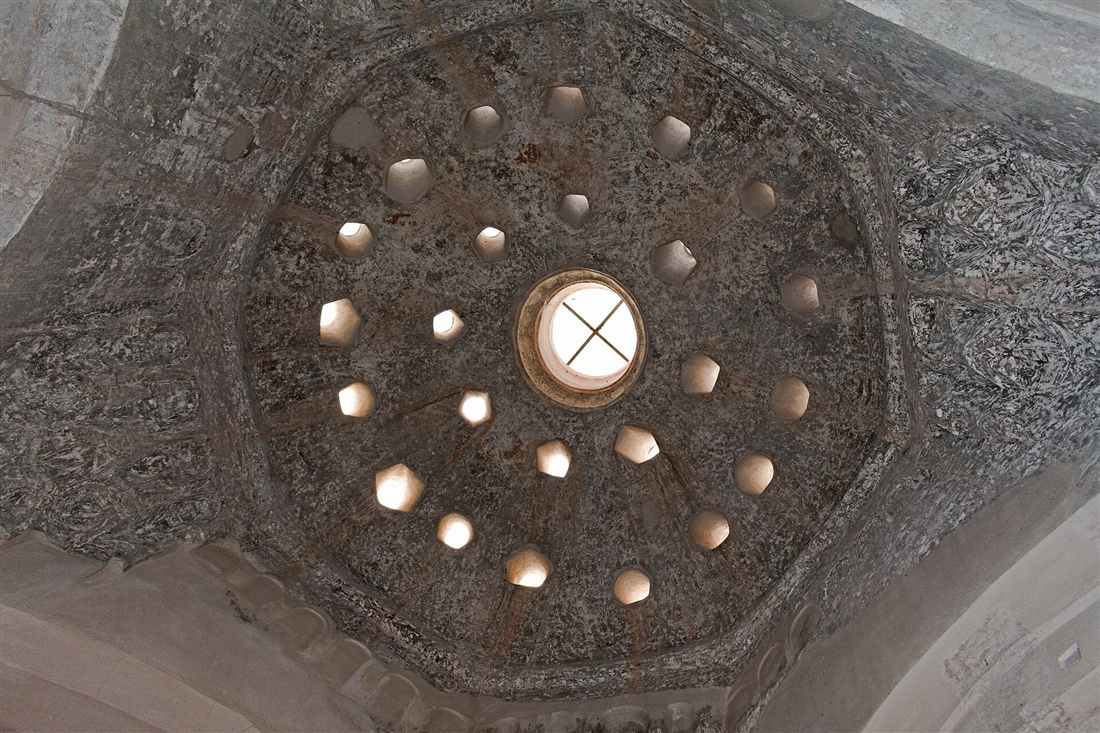
Kos Hammam
A Kos hammam is a traditional Turkish-style steam bath on the island of Kos, where bathers warm up on heated marble, receive a kese scrub and a soap foam massage, then rinse and rest with tea. Among the wellness activities that Greece Tours covers, a Kos hammam stands out for its link to the island’s Ottoman past and to Hippocrates.
Two Kos hammam experiences are on sale at Hammam House: a spa experience with massage and a Hippocrates bath ritual. A session follows a fixed routine, needs little preparation and fits into an afternoon or evening between beach days, museum visits and walks through the old town.
What is a Kos hammam?
A Kos hammam is a Turkish-style steam bath session on the island of Kos, where bathers warm up in a hot marble room, receive a skin scrub with a coarse mitt, get a soap foam massage and finish with rinses and rest.
The word hammam comes from an Arabic root linked to heat, and the bath reached the Aegean with the Ottoman Empire. On Kos, Ottoman rule lasted from the early 16th century until 1912, so the bathing custom has deep local roots. Today the bath is a wellness activity that travellers book between beach days.
Heat opens the pores and relaxes the muscles, the scrub lifts dead skin, and the foam wash leaves the body clean and light. A hammam is not a swimming pool or a hot tub, and it is not a sauna with dry air. It is a wet, warm room built for slow washing, and the whole visit runs at an unhurried pace.
Which Kos hammam experiences can travellers book?
Two Kos hammam experiences are on sale online: the Hammam House Spa Experience with Massage and the Hammam House Hippocrates Bath Ritual in Kos. Both carry the Hammam House name, and each listing sets out its own inclusions and start times.
The first option, Kos: Hammam House Spa Experience with Massage, pairs the bath with a massage, as its title states. It suits travellers who want the classic sequence of heat, washing and hands-on treatment in one booking. Check the tour listing for the steps included, the massage style, the session length and the start times on offer for the chosen date.
The second option, Hammam House: Hippocrates Bath Ritual in Kos, frames the visit around the island’s link with Hippocrates, the father of medicine. It appeals to guests who enjoy a theme rooted in local history. Read the listing in full and compare its steps with the spa experience.
- Spa Experience with Massage – a hammam bath paired with a massage.
- Hippocrates Bath Ritual – a hammam bath themed on healing heritage.
- Booking check – session length, steps and start times on each listing.
How does a hammam session run step by step?
A traditional hammam session runs in a set order: a warm-up in the steam room, rest on the heated marble platform, a kese scrub, a soap foam massage, warm and cool rinses, and a final rest with tea. Each Kos hammam listing states which steps it includes.
The visit starts in a changing area, where bathers leave their clothes and wrap up in a peshtemal, a thin cotton cloth. They then enter the warm, humid bath room. In a traditional hammam, the centre of this room holds the göbek taşı, a heated marble platform where guests lie down and let the heat work before any washing begins.
After the warm-up, an attendant washes and scrubs the body, then covers it in thick soap foam and massages it. Warm water and cool water follow in turn to rinse the skin. The visit ends in a quiet rest area, where guests cool down, drink tea or water and let the body settle before dressing.
- Warm-up – heat on the marble platform opens the pores.
- Scrub – the kese mitt lifts dead skin.
- Foam massage – soap lather cleans and relaxes the muscles.
- Rinse and rest – warm and cool water, then tea.
What happens during the kese scrub and foam massage?
During the scrub, an attendant rubs the skin with a coarse kese mitt to remove dead cells; during the foam massage, the attendant covers the body in soap lather and kneads the muscles. These two steps form the heart of the classic Kos hammam routine.
The kese is a rough mitt, and the scrub feels firm without pain. Rolls of grey dead skin come away, which surprises first-time guests, and the skin underneath feels smooth. Sunburn and a scrub do not mix, so plan a Kos hammam visit on a day with no fresh burn, and tell the attendant about sensitive skin or a recent tattoo.
The foam massage follows. The attendant fills a cloth bag with soapy water, blows air into it and squeezes a cloud of lather over the body. The foam feels warm and light, and the hands beneath it work the back, shoulders and legs. The Spa Experience with Massage names a massage in its title; check the listing for its style and length.
What is the Hippocrates bath ritual in Kos?
The Hippocrates Bath Ritual in Kos is a Kos hammam experience at Hammam House named after Hippocrates, the father of medicine, who was born on Kos in the 5th century BC. The tour listing sets out the steps of the ritual.
Hippocrates taught that health depends on balance, and his school on Kos placed diet, rest and regimen at the centre of care. The island’s healing sanctuary, the Asklepion of Kos, used water, rest and diet as part of treatment. The ritual takes its name from this heritage, and the listing explains what each step contains.
A visit to the Asklepion pairs well with the ritual on the same day. The sanctuary rises in terraces on a green hillside outside Kos Town, with views over the sea towards the Turkish coast. A morning among its temples and stoas, followed by an afternoon Kos hammam session, links the ancient idea of healing with a modern bath.
Where does the Ottoman bath tradition in Kos Town come from?
The bath tradition in Kos Town comes from nearly four centuries of Ottoman rule, from the early 16th century until 1912. The Ottomans built mosques, fountains and a public bathhouse, and the modern Kos hammam revives this custom for visitors.
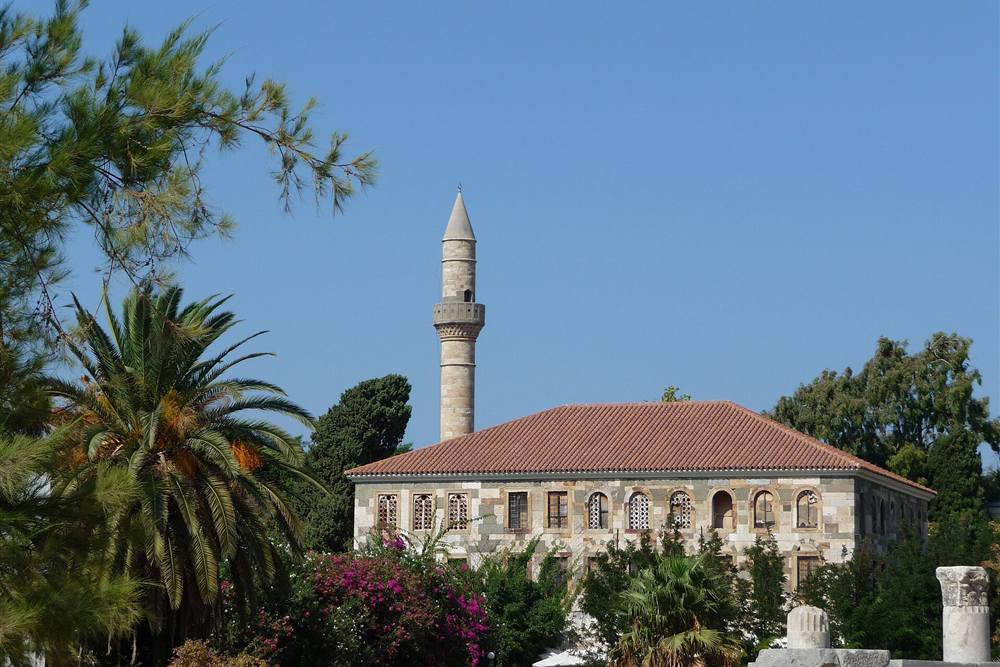
The history of Kos shows in the streets of the old town. The Loggia Mosque, also called the Gazi Hassan Pasha Mosque, stands beside the Plane Tree of Hippocrates. The Defterdar Mosque stands in the town centre, and Ottoman fountains remain in the lanes. An old Ottoman bathhouse also survives in Kos Town.
Public baths in Ottoman towns were social places as well as places to wash. Neighbours met there, and families marked weddings and births with a bath visit. The same heritage survives on the mainland, where the Bey Hamam in Thessaloniki stands as a historic Ottoman bath. A Kos hammam today carries this old custom into a modern spa setting.
What do you wear and bring to a Kos hammam?
At a Kos hammam, bathers wear a peshtemal, a thin cotton wrap, plus swimwear if the listing asks for it. Bring a change of underwear, a hair tie and water, and leave jewellery and valuables at the hotel before the visit.
Most hammams supply the peshtemal and slippers, yet the details vary by venue, so check the listing for what is provided. Swimwear keeps things simple for guests who feel shy about the wrap. Metal jewellery heats up in the steam room and gets in the way of the scrub, so rings, chains and watches stay behind.
Etiquette in a Kos hammam is simple and respectful. Guests speak quietly, keep the wrap on in shared areas and follow the attendant’s lead. Phones stay in the locker. Arriving a little early gives time to change without rush. Eat light before the session, since a heavy meal and strong heat sit badly together, and drink water before and after.
- Peshtemal – a cotton wrap worn in the bath room.
- Swimwear – worn if the listing asks for it.
- Water – drunk before and after the heat.
- Hair tie – keeps long hair out of the foam.
Who is a Kos hammam session suited to?
A Kos hammam session suits adults who want to relax, soothe tired muscles after hiking or cycling, or share a calm activity as a couple. Pregnant guests and people with heart conditions or high blood pressure need medical advice first.
Couples on a Kos honeymoon book the bath as a shared treat, and solo travellers use it to recover after long days on foot. First-timers find the routine easy, because the attendant leads each step. Check the tour listing for age rules and for whether men and women bathe together or apart at this Kos hammam.
Heat puts strain on the heart and blood vessels, and that is why the health notes matter. Pregnant guests, people with heart conditions or high blood pressure, and anyone on medication that affects circulation speak to a doctor before booking. Skip alcohol before a session. Leave the steam room and rest at the first sign of dizziness or a headache.
- Couples – a shared, calm activity in the evening.
- Active travellers – relief for legs after hikes and rides.
- Pregnant guests – medical advice first, then check the listing.
- Heart or blood pressure conditions – medical advice first.
How does a hammam compare with a sauna and the Therma hot springs?
A hammam uses moist, warm steam and a scrub-and-foam wash; a sauna uses dry, hotter air with no washing ritual; the Therma hot springs are natural thermal water at the sea’s edge. A Kos hammam adds the attendant-led wash that the other two lack.
The heat in a hammam feels gentler than in a sauna because the air is humid and the temperature sits lower. That makes a Kos hammam easier for first-timers who dislike dry, intense heat. A sauna suits a quick sweat, while the hammam turns bathing into a full routine with scrubbing, foam and rest.
The springs at Therma beach on the south-east coast offer a different kind of heat. Warm thermal water flows out at the shoreline and mixes with the sea inside a ring of rocks. The springs are outdoors and self-guided, with no staff, soap or massage. Some travellers try the springs and a Kos hammam on separate days to compare the two.
When is the best time to visit a Kos hammam?
The best time for a Kos hammam is a late afternoon after the beach, a cooler or windy day when swimming loses its appeal, or the evening before a flight home. Each timing fits the bath into a Kos day without rushing.
Kos has hot summers, and the meltemi wind blows hard across the island in July and August. On a windy day the beaches on the north coast turn rough, and a Kos hammam session makes a sheltered alternative. In spring and autumn, the warm bath feels welcome after cooler evenings. An evening slot before a flight leaves the body rested for travel.
A sample Kos itinerary places the bath after a morning at the Asklepion or the old town and before dinner. Keep lunch light on the day of the session. Plan dinner for after the bath rather than before, because the body feels light and hungry once the final rest with tea ends.
How do you book a Kos hammam session?
Book a Kos hammam session online through the tour listing, pick a date and start time, and read the inclusions, meeting point and cancellation terms. Booking a few days ahead secures a slot in July and August, when demand peaks.
The two listings, the Hammam House Spa Experience with Massage and the Hippocrates Bath Ritual in Kos, each show live dates and times. Compare the steps each one includes, then choose the one that matches the goal of the visit: a massage or a themed ritual. Check the address on the listing and plan the walk or taxi from the hotel.
Couples book two places in the same slot. Guests staying outside Kos Town, in resorts such as Kardamena, Tigaki or Kefalos, allow time for the bus or a taxi into town. On the day, arrive with the booking confirmation on a phone, eat light and bring water. A Kos hammam booked early in the trip leaves room for a second visit.
Is a Kos hammam worth it?
A Kos hammam is worth it for travellers who want a calm break from sun and sightseeing, a deep skin clean and a link to the island’s Ottoman past and healing heritage. The two Hammam House experiences cover both a massage and a themed ritual.
The bath fills a gap that beaches and ruins leave open. It rests the body after long walks, clears salt and sunscreen from the skin, and adds a cultural layer to a trip. The Hippocrates theme links the session to the Asklepion, and the Ottoman roots link it to the mosques and fountains of the old town.
Travellers who enjoy the ritual find more wellness options elsewhere in Greece. The spa and wellness scene in Athens includes hammams and day spas for the start or end of a trip. On Kos itself, a single Kos hammam session shows why the bath tradition has lasted for centuries.
Frequently Asked Questions
How long does a hammam session last?
The length of a Kos hammam session depends on the experience booked and the steps it includes. Check the tour listing for the exact duration of the Spa Experience with Massage and of the Hippocrates Bath Ritual, and add time for changing and rest.
Is a hammam suitable for first-time visitors?
Yes. A Kos hammam suits first-time visitors because an attendant leads each step, from the warm-up on the marble platform to the kese scrub, foam massage and rinse. Guests only need to relax, drink water and speak up about sensitive skin.
Can I go to a hammam after a day at the beach?
Yes, a late afternoon after the beach suits a hammam visit, as the bath clears salt, sand and sunscreen from the skin. Skip the kese scrub on sunburned skin, and tell the attendant about any burn before the session starts.
What is the difference between a Kos hammam and the Therma hot springs?
A Kos hammam is an indoor steam bath with an attendant, a scrub and a foam massage. The Therma hot springs are natural thermal water at the sea’s edge on the south-east coast, open to the outdoors, with no staff or treatments.
Where does a hammam session on Kos take place?
Both bookable experiences take place at Hammam House, as their titles state. Kos Town also keeps an old Ottoman bathhouse among its monuments, a reminder of the bath custom behind every Kos hammam. Check the listing for the exact address and meeting point.