
Kos gives a honeymoon room to slow down. The island runs about 40 km along the eastern Aegean, flat enough to cycle, with quiet sandy beaches in the southwest. Ancient sites near the capital. A mountain village that faces the sunset. Couples split their days between calm coves, harbour dinners, and short boat trips, and never spend long in the car between them. Plan the whole trip with Greece Tours.
This guide covers the honeymoon essentials in order: why Kos fits two travellers, the best romantic bases at Kefalos bay and the Kos Town seafronts. The sunset spots led by Zia on Mt Dikeos, the quietest beaches for a private swim. The boat trips and private sailing that reach coves the road misses. Each section keeps the practical details, distances, timing, and calm-water choices, close at hand.
Why does Kos suit a honeymoon?
Kos rewards couples with a flat, walkable island roughly 40 km long, quiet sandy beaches near Kefalos bay, sunset villages on Mt Dikeos, and short boat trips, giving two people calm days and varied evenings within easy reach.
Kos sits in the eastern Aegean as the third-largest island of the Dodecanese, about 290 square kilometres off the Turkish coast near Bodrum. Couples fly into Kos International Airport near Antimachia in the centre, then reach the main resorts within 40 km. The island stays mostly flat, so a base near one coast still puts the opposite shore about an hour away by car. The Kos guide maps the north beaches, Kos Town, and the southwest bay in one place. Ferries and day boats leave the main harbours for Nisyros, Kalymnos, and Pserimos, adding easy sea trips to the week. This compact layout lets two travellers pair calm beach mornings with evening drives to hill villages.
Keeps daily transfers short across a honeymoon week that mixes coast, ruins, and quiet dinners.
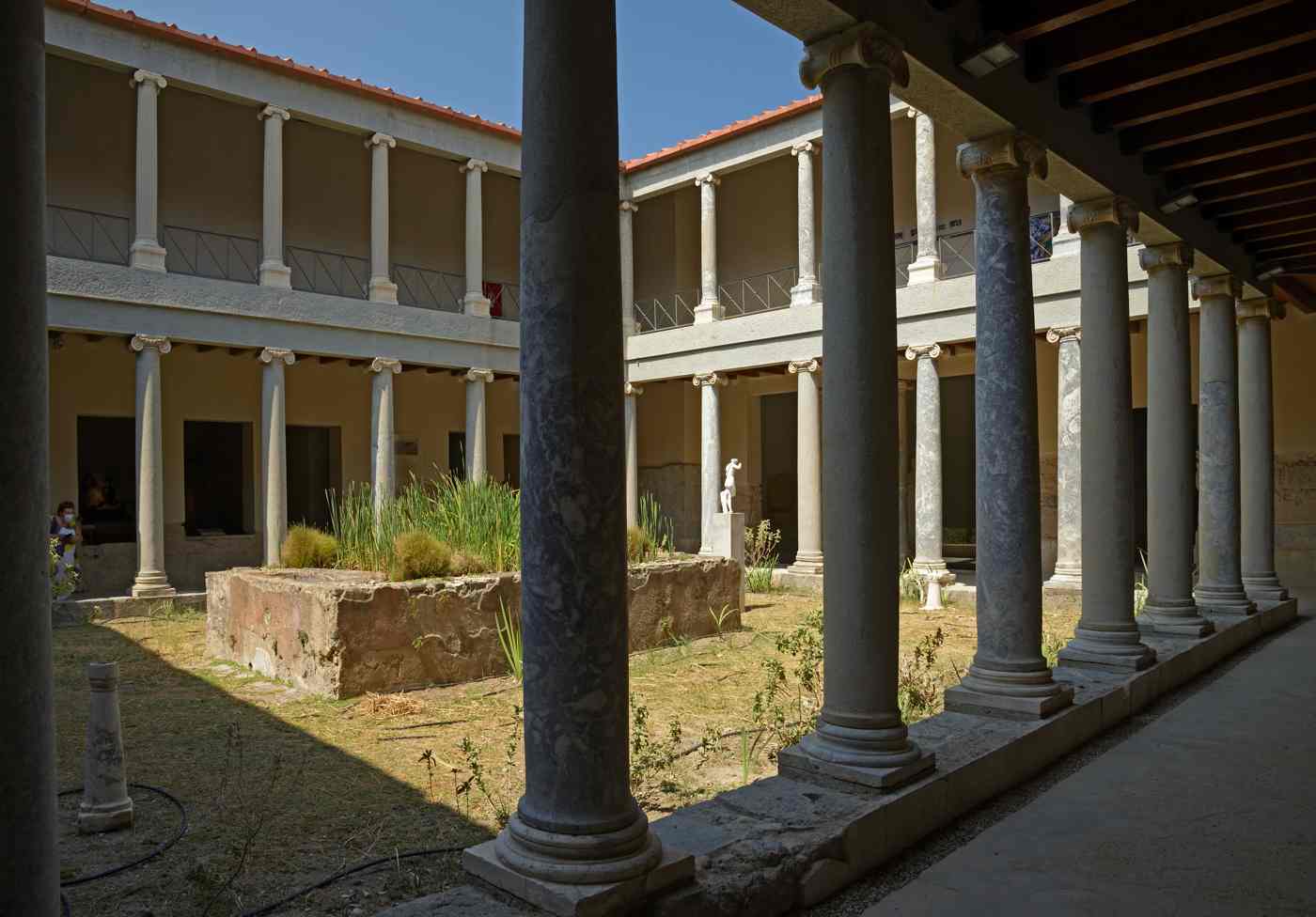
Two travellers get variety without long drives, and that suits a honeymoon that mixes rest with a little sightseeing. The Asklepion, the terraced ancient healing sanctuary of Asclepius, stands about 4 km southwest of Kos Town, an easy morning before the beach. Kos Town itself holds the ancient agora ruins, the Roman Casa Romana, an odeon, and the Knights’ Castle of Nerantzia at the harbour. The Plane Tree of Hippocrates shades the harbour square, where tradition says the father of medicine taught. Couples pair one ruin, one beach, and one hill village in a single day, then reverse the order the next.
This rhythm keeps the week varied while the flat grid of Kos Town stays walkable after dinner. Bicycles rent cheaply, and the level streets make the ride between sites simple for two.
Kos keeps costs and logistics manageable for a couple, which matters across a whole honeymoon week. The airport near Antimachia sits about 25 km from Kos Town and close to the southwest resorts, so transfers stay short in both directions. Direct summer flights from European cities land here, cutting the need for a connection through Athens. On the ground, the flat terrain makes cycling and walking realistic, and a rental car reaches every corner of the 40 km island within roughly an hour. Restaurants line the Kos Town waterfront, the Kefalos bay, and the north-coast resorts, so dinner options never depend on one base.
This balance of access, price, and short distances lets two people plan loosely and still see the island. Buses connect the harbour with the main resorts too.
The season shapes a Kos honeymoon more than any single resort choice. Summer brings warm, dry days and the meltemi wind, which cools the north coast at Tigaki and Marmari and stirs the sea. Couples who want calm water lean toward the sheltered Kefalos bay in the southwest, where Paradise and Agios Stefanos sit under headlands. Late spring and early autumn trade the crowds for softer heat, warmer sea than the calendar suggests, and easier restaurant tables. The Asklepion, Kos Town, and the hill village of Zia all reward a visit outside peak hours, when the light softens and the paths empty. Sea temperatures stay comfortable into October along the southwest coast.
Reading the wind and the season lets two travellers match each day to the quiet coast or the sightseeing route.
Where are the best romantic bases on Kos?
Kos offers two contrasting honeymoon bases: the sheltered Kefalos bay in the southwest for calm scenic beaches, and the Psalidi and Lambi seafronts beside Kos Town for dining, history, and evening walks along the harbour promenade.
Kefalos bay curves along the southwest coast, roughly 40 km from Kos Town, and gives couples the calmest scenery on the island. The long strand splits into named coves: Paradise, Camel, Magic, and Agios Stefanos, the last facing the Kastri islet and its chapel. Headlands and the bay’s orientation shelter the water from the meltemi that ruffles the north coast. The village of Kefalos climbs the hill above, with tavernas and a windmill overlooking the sea. A full breakdown of areas and their trade-offs appears in the where to stay in Kos guide, which compares the bay with the town seafronts. Sunsets over the bay face west, so dinner tables catch the last light.
This base rewards two people who want quiet beach days and short evening walks over nightlife.
Psalidi lines the coast just east of Kos Town, about 3 to 4 km from the harbour, and pairs a quieter seafront with quick access to the capital. The beach runs long and pebbly, backed by hotels and a bay that catches the morning light. Couples cycle or stroll the flat coast road into town for the ancient agora, the Casa Romana, and harbourside dinners. Therma, the hot-spring beach where warm water meets the sea, sits farther east along the same shore. This base blends calm nights near the water with a ten-minute hop to the island’s history and restaurants.
Two travellers who want both quiet and city life without a car often settle on Psalidi for the balance. Buses run this stretch through the day for trips west.
Lambi extends north of Kos Town along the same flat shoreline, about 2 km from the harbour, and puts couples within walking distance of the centre. The beach is sandy in stretches, with cafes and tavernas spaced along the promenade that runs back toward the castle. Evening walks lead past the Knights’ Castle of Nerantzia and the Plane Tree of Hippocrates into the old grid. This base suits two people who want to skip car rental and reach dinner, ruins, and the ferry quay on foot. The trade-off is a busier setting than Kefalos, with more traffic on the road behind the sand.
A first honeymoon on Kos works well from Lambi, which keeps everything close and the walk home short after a long dinner.
Choosing between the two bases comes down to the days each couple wants. Kefalos bay favours slow beach mornings, calm water, and short drives, with the town’s sights an hour away when the mood strikes. Kos Town’s seafronts, Psalidi and Lambi, favour history, dining, and walking, with the sheltered southwest beaches reachable by car or bus. A split stay solves the choice: three nights by the bay, then three near the harbour, or the reverse. The flat 40 km island keeps either transfer under an hour, so moving mid-trip costs little time. Luggage moves easily since both areas sit within 40 km of the airport.
Two travellers who map their priorities first, beach calm against town life, pick the base that fits the honeymoon rather than the brochure.
Where are the best sunset spots on Kos, and is Zia the one?
Zia crowns the western slope of Mt Dikeos at about 846 m, and its tavernas face west over the Aegean, making it the classic Kos sunset spot; nearby Kefalos bay and the Kastri islet catch the same evening light.
Zia sits high on the slopes of Mt Dikeos, the island’s tallest ridge at about 846 m, roughly 15 km southwest of Kos Town. The village faces west, so its terraces and tavernas look out over the Aegean toward Kalymnos and Pserimos as the sun drops. Couples arrive an hour before sunset, take a table on the edge, and watch the light fade over the water and the plain below. The Zia guide covers the walk to the small church, the craft shops, and the honey and herb stalls along the lane. The drive climbs a winding road, so a rental car or taxi works better than the bus after dark.
This hill village turns a single evening into the honeymoon’s set piece, then sends two people back downhill to a late coastal dinner.
Sunset on Kos rewards more than one viewpoint, and each suits a different evening. Kefalos bay in the southwest faces west, so Paradise and Agios Stefanos glow as the sun sets behind the Kastri islet and its chapel. The Kefalos village windmill and the cliff above the bay give a higher line of sight over the same water. Kos Town’s harbour turns golden along the castle walls, an easy option for couples already in the centre. Mastichari, on the northwest coast, looks toward Kalymnos and catches a clean sea horizon. Therma beach, east of Kos Town, trades the sunset for a warm dusk soak in its spring-fed pools.
Matching the sunset to the base, hills for drama, coast for ease, lets two travellers close each day facing the light without a long drive.
Zia holds more than a viewpoint, which makes the evening worth the drive. The lane through the village passes craft shops, stalls selling local honey and herbs, and small tavernas built into the slope. A short walk climbs to the church of Panagia and higher paths toward the Dikeos summit for stronger walkers. Couples time the meal for the hour after sunset, when the crowds thin and the terrace lights come on. The mountain air runs cooler than the coast, so a light layer helps even in high summer. Booking a terrace table ahead secures the front row on busy summer nights.
Combining the walk, the shops, and dinner turns Zia into a half-evening rather than a single photo, and gives two people a slower close to a beach-heavy day.
Getting to a Kos sunset takes planning that fits a honeymoon rhythm. Zia sits about 15 km from Kos Town and roughly 30 km from Kefalos, so a rental car or taxi makes the round trip simple. The road up the mountain winds through Zipari and the lower villages, a 25-minute climb from the coast. Couples staying in the southwest reach the Kefalos viewpoints in minutes and skip the drive entirely on lazier nights. Parking in Zia fills fast near sunset, so arriving early secures a spot and a table. Taxis wait in the village square for the ride back down after dark.
Planning the route and the hour, rather than chasing the light at the last minute, lets two travellers enjoy the descent and a relaxed dinner afterward.
Which are the quietest beaches for two on Kos?
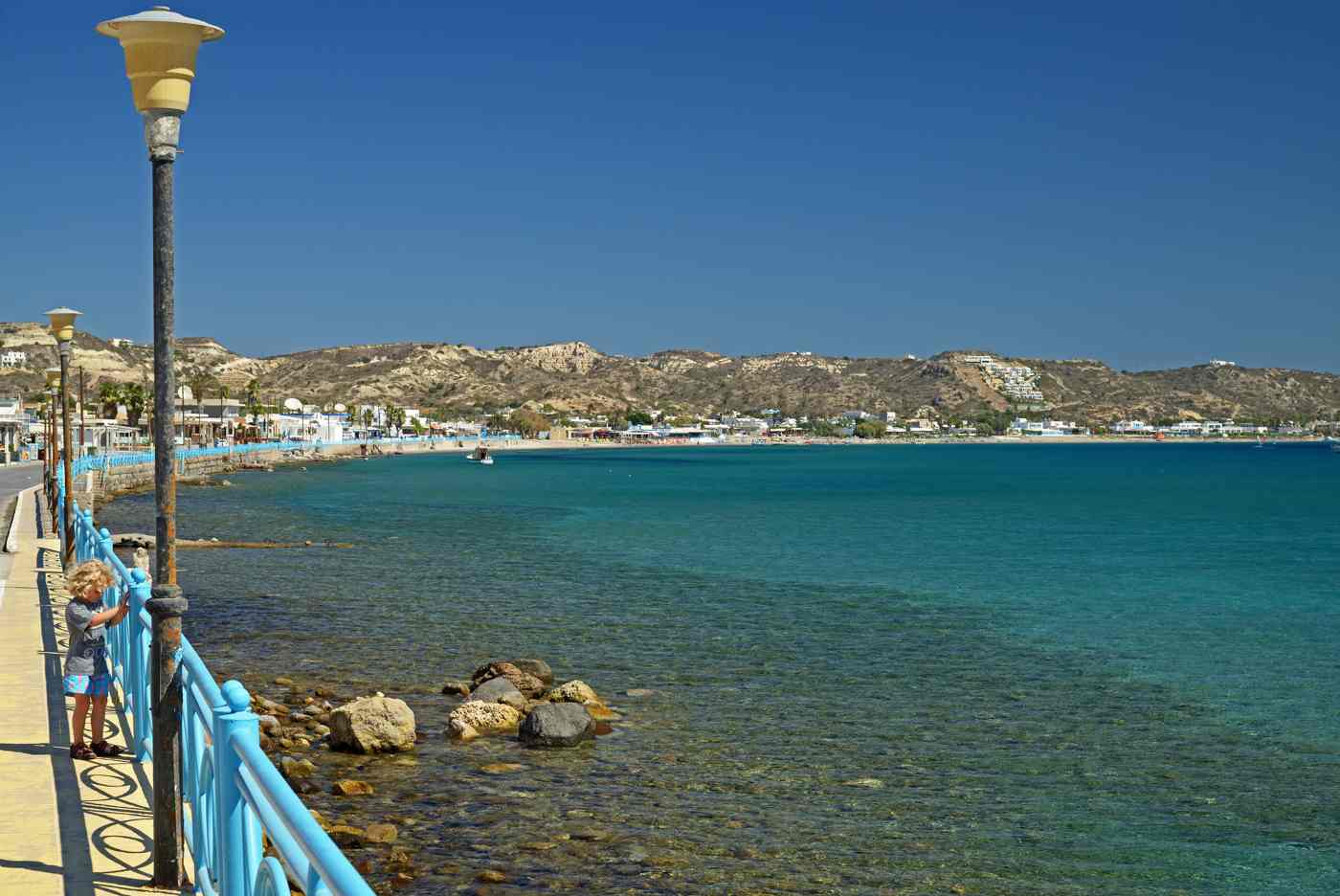
Kos hides its calmest two-person beaches in the southwest Kefalos bay: Paradise, Camel, Magic, and Agios Stefanos face the sheltered water, while Cavo Paradiso and the far coves stay quieter than the busy north strands at Tigaki and Marmari.
Agios Stefanos anchors the quiet end of Kefalos bay, about 43 km southwest of Kos Town, and pairs a sheltered cove with a clear view of the Kastri islet. The ruins of two early Christian basilicas stand on the headland above the sand, giving the beach a rare backdrop. A short swim or a paddle reaches Kastri, where a small chapel sits on the rock offshore. The bay’s orientation keeps the water calm when the meltemi churns the north coast at Tigaki. Couples find space here outside midday, when day-trippers thin and the light turns the water clear. Sunbeds and a taverna sit at one end, so a quiet swim still comes with shade and lunch.
This cove suits two people who want a swim, a landmark, and quiet in one place.
Paradise and its neighbours fill the middle of Kefalos bay with sand and shallow, calm water. Paradise, also called Bubble beach for the gas that rises through the seabed, draws families by day and quiets by late afternoon. Camel beach hides below a headland reached by a short path, which keeps its small cove emptier than the main strand. Magic beach, farther along, trades facilities for a longer, wilder stretch of sand. Couples who walk five minutes past the organised sections find room to spread out even in high season. A single coast road links the coves, so hopping between them takes minutes by car.
Choosing the cove by the hour, busy at noon, calm after four, lets two travellers keep the quiet without leaving the sheltered bay or renting a boat.
The north coast trades calm for space, and its length hides quiet corners between the busy resorts. Tigaki and Marmari run for kilometres of pale sand, backed by the Alykes salt-pan lagoon that draws flamingos in the cooler months. The wind here favours kitesurfers, so couples seeking still water pick the early morning before the meltemi builds. Mastichari, farther west, keeps a calmer strip near the harbour where boats leave for Kalymnos. Marmari’s sand shelves gently, so the shallows stay warm and safe for a long swim well offshore. Walking away from the beach bars toward the open sand finds emptier stretches even at Tigaki.
Two travellers who want a long, wild shoreline over a sheltered cove trade the calm water for room and a clean horizon toward Pserimos.
Timing and a short walk decide how quiet a Kos beach feels more than the map alone. Day-trip boats and buses reach the named coves near midday, then leave by late afternoon, so the calmest hours sit early and after four. Couples who rent a car reach the Kefalos coves in about an hour from Kos Town and beat the crowds before ten. A ten-minute walk past the last sunbeds turns a busy strand into a private stretch at Magic or Marmari. Shade runs thin on the wilder sand, so an umbrella and water matter on the open coves. Bringing food along helps on the coves without a taverna.
Reading the hours and walking a little farther gives two travellers the quiet that a name alone never guarantees.
What romantic boat trips and private sailing run from Kos?
Kos runs day boats and private sailing charters from Kos Town, Kardamena, and Mastichari to Nisyros, Kalymnos, Pserimos, and Bodrum, so couples swap the beach for a swim stop, a volcano, or an empty cove reachable only by sea.
Pserimos makes the easiest romantic sail from Kos, a small island between Kos and Kalymnos with one long sandy bay. Day boats leave Kos Town harbour and Mastichari, reaching the anchorage in under an hour, often as part of a three-island loop. The village holds three or four tavernas along the beach and little else, which keeps the pace slow. Couples on a private charter skip the crowded main bay for the emptier coves around the coast, dropping anchor for a swim. The water runs clear and shallow over pale sand, warm through the long season. Charters set their own hours, so couples time the return for a sunset sail back to Kos.
This short crossing gives two people an island lunch and a quiet swim without a full day at sea.
Nisyros adds a volcano to the honeymoon, a round crater island reached by boat from Kardamena and Kos Town. The crossing takes about an hour, landing at Mandraki, the whitewashed capital built above the sea. A short bus or taxi ride drops couples into the Stefanos crater, where they walk across the warm, hissing floor of the caldera. Back in Mandraki, lanes climb to the Panagia Spiliani monastery on the rock above the port. The crater floor smells of sulphur, and steam vents mark the ground, so closed shoes help on the walk down. Boats return by late afternoon, leaving time for a swim off Kos before dinner.
This trip trades a beach day for geology and a hill-town lunch, giving two travellers a different island without an overnight stay.
Private sailing turns a Kos honeymoon toward coves that road and crowds never reach. Skippered charters leave Kos Town and Kefalos for half-day or full-day routes along the southwest coast and out to Pserimos. Couples set the plan: a swim stop off Kastri islet, lunch at anchor, and a slow return under sail as the wind eases. Prices run by the boat and the hours, so a small yacht for two costs less than a group tour per head on quiet days. The skipper reads the meltemi and picks the sheltered side, keeping the sail calm even when the north coast blows. Booking a day ahead in high season secures a skipper and the calmer morning slot.
This option gives two people privacy, shade, and a route built around swimming rather than a fixed timetable.
Booking the right boat trip comes down to matching the sea and the couple’s pace. Group day boats cost the least and run set loops to three islands, with music and a full deck, best for travellers who want company. Private charters cost more but hand two people the route, the hours, and empty coves, best for a quiet day. The meltemi shapes the choice: the north-coast crossings to Kalymnos and Pserimos roughen when it blows, while the sheltered southwest stays calm. Couples prone to seasickness pick the shorter Pserimos hop over the longer Nisyros or Bodrum runs. A ferry to Bodrum adds a Turkish port with a passport check.
Weighing budget, privacy, and the wind, rather than booking the first flyer, gives two travellers a day at sea that fits the honeymoon.
Where do couples find romantic dining in Kos Town and the island’s villages?
Kos Town’s old quarter serves candlelit dinners in lanes around the Castle of Nerantzia and the Plane Tree of Hippocrates, while Zia and Kefalos add hillside tavernas with sunset terraces and grilled local fish.
Kos Town’s old quarter spreads inland from the harbour, where narrow lanes near the Castle of Nerantzia fill with tavernas after sunset. Couples book a corner table under the Plane Tree of Hippocrates, about 100 metres from the ferry quay. They walk the lamplit agora ruins between courses. Menus lean on grilled octopus, sea bream, and pitaridia, a local hand-cut pasta. The pedestrian streets around Eleftherias Square keep cars out, so quiet conversation carries. Waterfront tables line Akti Koundourioti, giving diners a view of moored yachts and the Bodrum lights across the strait. Reserve for the 8 pm window, when the day-trip crowds thin and the harbour air cools.
Live rembetiko music drifts from three courtyards on weekend evenings, adding a slow soundtrack to a long dinner in the old town.
Zia sits about 15 km southwest of Kos Town on the slope of Mount Dikeos, at roughly 350 metres of altitude. Its main lane holds tavernas whose terraces face due west, so couples time dinner to the sunset over the Aegean and Kalymnos. Kitchens here grill lamb, serve katsikaki with lemon potatoes, and pour Kos wines from the plain below. The village keeps its stone houses and running spring water, and the walk between terraces takes ten minutes end to end. Book the front row of tables by 7 pm in high summer, because the sunset seats fill first. After the meal, the short drive back down the mountain passes the Asfendiou hamlets.
The road lights fade and the stars sharpen over the dark coast below the ridge.
Kefalos anchors the island’s southwest, about 40 km from Kos Town at the far end of the flat coast. Its bay shelters seaside tavernas at Kamari, where tables sit metres from the water. They face Agios Stefanos with its basilica ruins and the Kastri islet. Couples eat fresh fish by weight, order a carafe of local white, and watch the light drop behind the islet’s tiny chapel. The old hilltop village above the bay keeps quieter mezze spots with wide views back across the water. Windsurfers clear the bay by evening, leaving the sea calm for a slow post-dinner swim.
Kefalos rewards an unhurried pace, so pair the meal with an afternoon at the coves before the drive back east. The shore road runs flat the whole way to the capital.
Kos plates its own produce, from the plain’s tomatoes and the salt-pan honey to katimeri, a folded pastry served with honey and cinnamon. The island makes krasotyri, a hard wine-cured cheese matured in wine lees, sold in the Zia and Antimachia shops. Couples build a picnic from a Kos Town bakery, adding olives from Pyli and a plain-vineyard bottle. They eat it on a quiet cove away from the resorts. Dinner across the villages runs late, with kitchens serving until about 11 pm through the warm months. Portions are built for sharing, so order three or four small plates rather than a single main. The harbour fish tavernas post the daily catch on a board.
Staff weigh the fish at the table before it hits the charcoal grill outside the door.
Which ancient sites and cultural stops on Kos suit a couple’s slow days?
The Asklepion, about 4 km southwest of Kos Town, tops the list for couples, joined by the town’s agora, Casa Romana and Knights’ Castle of Nerantzia, plus the mountain village of Zia for its craft shops and views.
The Asklepion rises on three terraces about 4 km southwest of Kos Town, reached by a straight cycle path or a ten-minute drive. Couples climb the stone stairs between the levels, passing the healing rooms, the temple of Asclepius, and the mineral-spring fountains. The top terrace opens a view across the plain to Kos Town, the strait, and the Turkish coast near Bodrum. This was the working sanctuary of the ancient world’s most famous medical school, tied to Hippocrates and his followers. The site opens early, so a 9 am arrival beats both the heat and the tour buses. Bring water and a hat, since the terraces carry little shade at midday.
The whole visit takes about 90 minutes at a slow pace, with benches for pauses along the stepped climb up.
Kos Town packs its ancient layers into a walkable grid a couple can cross in a single morning. The western archaeological zone holds the Roman agora, a gymnasium colonnade, and mosaic floors, all open to the street. The Casa Romana, a restored Roman villa, keeps courtyards, mosaics, and a cool interior for the midday hours. The Knights’ Castle of Nerantzia guards the harbour mouth, its ramparts giving a clear line over the marina and the incoming ferries. The Plane Tree of Hippocrates stands beside the castle, propped on a frame and circled by a low wall. Couples link these stops on foot in about two hours, ending at a harbour cafe.
The odeon, a small restored theatre, sits a short walk south for a quiet sit-down away from the crowds.
Zia trades in slow afternoons, with craft shops selling herbs, soap, honey, and woven cloth along one pedestrian lane. Couples browse the stalls, taste thyme honey from the mountain hives, and fill a bag with dried oregano and sage grown on Mount Dikeos. The village church and its small square give a shaded pause between shops, and a signposted spring feeds a stone fountain. Sunset is the draw, so plan the visit for late afternoon and stay through the light over the sea. For more ideas beyond the village, a guide to things to do in Kos maps the museums, castles, and coastal walks for couples.
The drive up from the coast takes about 25 minutes and climbs through pine and cypress toward the ridge line.
Kos spreads its castles and old villages across the island for couples who want more than the capital. The Venetian castle at Antimachia sits near the airport in the centre. It keeps long curtain walls and two churches inside the gate, with a view over the south coast. Old Pyli, an abandoned hillside settlement below a Byzantine fort, rewards a short climb with silent ruins and a wide plain view. The archaeological museum on Eleftherias Square in Kos Town holds Hellenistic and Roman statues, including a figure long linked to Hippocrates. Couples pair one inland castle with a beach afternoon to balance the day. Entry to the open sites costs little.
The castles stay quiet outside the midday tour window, leaving the walls almost private for a slow visit above the plain.
How can couples spend active romantic days cycling, snorkelling and walking on Kos?
Kos rewards active couples with flat coastal cycle paths past Tigaki and Marmari, snorkelling over the rocks at Bubble and Camel beaches in Kefalos bay, and a graded climb up Mount Dikeos to about 846 metres.
Kos ranks among Greece’s flattest islands, so cycling suits couples of ordinary fitness rather than trained riders. A dedicated path runs west from Kos Town toward Tigaki, about 12 km along the north coast. It skirts the salt-pan lagoon where flamingos feed in spring. Rental shops in town hand out town bikes and e-bikes by the day, with baskets and locks included. Marked lanes inside Kos Town let a couple ride between the castle, the agora, and the beach without traffic. Riders reach Marmari and its wide sand in under an hour at a gentle pace. Carry water and start before 10 am in July, when the coast road heats up.
The flat return leg keeps the ride easy, with the sea on one side the whole way back to town.
Kefalos bay in the southwest holds the clearest water for snorkelling couples, with rocky edges at Bubble, Camel, and Magic beaches. Bubble beach releases streams of gas bubbles from the seabed, taking its name from the fizzing shallows. The rocks off Agios Stefanos, facing the Kastri islet and its chapel, shelter small fish and clear sightlines to about 5 metres. Couples rent masks from the beach kiosks or bring their own for the quiet coves east of the main strands. Morning water stays glassy before the afternoon breeze, so an early swim gives the sharpest visibility. Camel beach sits in a sheltered pocket reached by a short walk down from the road.
Bring reef shoes, since the entry over rocks turns sharp underfoot along the southwest shore of the bay.
Mount Dikeos rises to about 846 metres, the island’s highest point and its main walking objective for active couples. A marked trail climbs from Zia toward the summit chapel of Christos, gaining roughly 500 metres. The route runs two to three hours each way. The path passes the abandoned village of Old Dikeos and a run of chapels. It opens views across Kos to Kalymnos, Pserimos, and the Turkish mainland. Couples start at first light in summer, carrying two litres of water each and firm shoes. The ridge catches a breeze even when the coast bakes, so the upper section stays comfortable by mid-morning.
Shorter loops from Zia give couples an hour on the mountain rather than the full summit push, with the same pine-scented air and views.
Kos backs its cycling and walking with water sports along the north and southwest coasts. Marmari and the Kefalos bay catch the afternoon meltemi, so windsurf and kitesurf schools cluster there with lessons for beginners. Couples charter a small sailing boat from Kos Town marina for a day on the water. A skipper handles the route to Pserimos or the coves. Stand-up paddleboards rent by the hour at Tigaki and Lambi, giving a calm-morning glide along the shallows. Day boats also run to Nisyros, about two hours south, where a couple descends into the volcanic caldera before sailing back.
The town beach at Lambi, north of the harbour, keeps loungers and a swim ladder for an easy end to an active day. Book the sailing days a day ahead through the peak summer weeks.
When is the best season for a Kos honeymoon across the year?
Kos suits a honeymoon from late spring to early autumn, with warm calm weeks in May, June, and September, hotter July and August, and the meltemi wind cooling the north coast through midsummer.
Kos in late spring brings warm days near 25 degrees, green hills, and wildflowers across the plain below Mount Dikeos. May and early June open the beaches without the peak-season crowds. The sea warms to a swimmable 21 to 22 degrees by June. Couples find the Asklepion and the town monuments quiet, with cooler mid-days for the terraces and the agora. The salt-pan lagoon at Tigaki still holds flamingos into May before they move on. Tavernas in Zia and Kefalos run full menus by mid-May, and sunsets land late enough for a relaxed dinner. Room rates sit below the July and August peak, and cycling the coast stays comfortable.
Pack a light layer for evenings, when the mountain villages cool once the sun drops behind the ridge.
Kos in July and August runs hot and dry, with daytime highs around 32 to 34 degrees and long, cloudless afternoons. The meltemi, a dry north wind, sweeps the Aegean through midsummer. It cools the north coast at Tigaki and Marmari while stirring waves for windsurfers. Couples chase the calmer south and southwest coves at Kefalos and Kardamena when the wind blows hardest. The sea peaks near 25 degrees, warm enough for long swims and evening dips off the town beach. Sunset dinners run late, and the villages stay lively past midnight through the peak weeks. Book beach clubs and sailing trips a day ahead, since the island fills with summer arrivals.
Start sightseeing early, rest through the hottest hours near 2 pm, and return once the light softens.
Kos in September and early October holds summer warmth with thinner crowds, a settled window for a honeymoon. The sea stays near 24 degrees into October, the warmest swimming of the year after a long summer of heating. Daytime highs ease to about 28 degrees, and the meltemi fades, leaving the north beaches calmer for paddleboarding. Couples walk Mount Dikeos and the Asklepion in comfort as the fierce heat lifts off the terraces. The grape and olive harvest fills the plain, and village tavernas serve the season’s produce through September. Flights and rooms ease off the August peak by mid-September, widening the choice of quiet bases. Evenings cool earlier, so carry a layer for dinner in Zia.
The light turns golden through October, lengthening the window for coastal photos.
Kos in winter turns quiet, with beach resorts and seasonal tavernas closed from November through March. Kos Town keeps a year-round core of cafes, the castle, and the archaeological sites, so a short off-season break still works. Daytime highs sit near 15 degrees in winter, too cool for swimming but fine for walking the monuments and the harbour. Couples aiming for beaches, boat trips, and village dining plan for the April-to-October window. Easter brings a burst of local festivities and reopening tavernas, marking the start of the season. The airport handles charter flights mainly through the warm months, thinning sharply once winter sets in. The town stays walkable through the cold months, with the sites open.
For a first Kos honeymoon, the May-to-June and September stretches balance warm seas, open venues, and beach space.
How do couples plan a Kos honeymoon, from getting there to combining bases?
Kos honeymoons start at Hippocrates Airport near Antimachia or the Kos Town ferry port, run well over seven to ten nights, and split between a Kos Town base and a quieter Kefalos bay base for variety.
Kos International Airport Hippocrates, coded KGS, sits near Antimachia in the island’s centre, about 25 km from Kos Town and 20 km from Kefalos. Charter and scheduled flights connect the island to Athens and to European cities through the warm season. The domestic hop from Athens takes about 50 minutes. Ferries reach Kos Town from Piraeus, Rhodes, and neighbouring Dodecanese islands, with the overnight boat from Athens running about 10 to 12 hours. Couples arriving by air pick up a rental car at the terminal, since taxis and buses thin out after evening flights. The airport road links quickly to both coasts, so transfers to either base take under 40 minutes.
Book the car ahead in July and August, when the terminal desks run short of vehicles for late arrivals.
Kos rewards a honeymoon of seven to ten nights, long enough to pair beach days with the ancient sites and a boat trip. A week covers Kos Town, the Asklepion, Zia at sunset, the Kefalos coves, and one day boat to Nisyros without rushing. Ten nights adds slow mornings, a Mount Dikeos walk, and a second island on a day sail to Kalymnos or Pserimos. Couples on a five-night trip focus on one base and two or three highlights rather than crossing the whole 40 km island daily. The flat terrain and short drives keep transfers easy, so even a shorter stay reaches both coasts. Build in rest days between the active outings.
The summer heat near 33 degrees shortens how much a couple covers before the afternoon break on the beach.
Kos suits a two-base honeymoon that splits nights between the lively capital and the quiet southwest. Couples spend the first half in Kos Town, walking to dinner, the castle, and the agora. The Asklepion and the cycle paths sit on the doorstep. The second half shifts about 40 km west to the Kefalos bay. It trades nightlife for uncrowded coves, sunsets over the Kastri islet, and calm dinners at Kamari. The short flat drive between the two takes about 45 minutes along the south coast road. A single base works for a shorter trip, but two bases show the island’s range from monuments to empty sand. Tigaki and Marmari make a quieter middle option near the airport.
Both sit close to the salt-pan lagoon and the flat beach cycle path.
Kos pairs well with the wider Dodecanese, so couples extend the honeymoon by ferry to a neighbouring island. Fast boats reach Kalymnos in about 30 minutes and Rhodes in two to three hours. Nisyros runs as a day trip from Kardamena. A rental car covers the island best, since buses link the main resorts but thin out for the quiet coves and the mountain villages. Book the sunset tables in Zia, the sailing days, and the boat trips a day ahead through July and August. Carry cash for the smaller village tavernas and beach kiosks, which do not all take cards.
Sort travel insurance and a European health card before flying, and confirm the rental car’s cross-island drop policy. A paced ten-night plan leaves room for the slow dinners that define a Kos honeymoon.
Frequently Asked Questions
Is Kos a good honeymoon destination?
Kos works well for a honeymoon that mixes beaches, ancient sites, and quiet coastal dinners. The island runs about 40 km long and stays flat, so couples reach the Asklepion, the Kefalos coves, and Zia’s sunset terraces on short drives. Kos Town pairs a harbour full of tavernas with the Knights’ Castle of Nerantzia and the Plane Tree of Hippocrates, giving evenings a walkable romantic core. The southwest around Kefalos bay keeps uncrowded beaches like Camel and Agios Stefanos for slow days by the water. Day boats to Nisyros and Kalymnos add an island hop without changing base. The season from May to October brings warm seas and open venues, with September holding the year’s warmest swimming.
Cycling the flat coast, walking Mount Dikeos, and snorkelling the clear southwest water fill the active days between beach afternoons. A couple who wants both culture and calm, rather than nightlife alone, finds Kos a balanced Dodecanese honeymoon base.
Where couples stay on Kos for a honeymoon?
Kos Town suits couples who want to walk to dinner, the castle, and the ancient agora, with the Asklepion and the cycle paths a short ride away. The capital sits on the northeast coast and keeps a lively harbour, so evenings stay busy without a car. Kefalos bay in the southwest, about 40 km from town, trades nightlife for uncrowded coves, sunsets over the Kastri islet, and calm seaside tavernas at Kamari. Zia, high on Mount Dikeos, gives a quiet mountain base with sunset views for couples who prefer the hills to the beach. Tigaki and Marmari on the north coast offer wide sand, the salt-pan lagoon, and easy airport access as a middle option.
A two-base plan that splits nights between Kos Town and Kefalos shows the island’s range from monuments to empty beaches. The flat terrain keeps transfers short, so no base leaves a couple far from the coast, the sites, or a sunset terrace.
How days do you need for a Kos honeymoon?
Kos rewards a honeymoon of seven to ten nights, enough to combine beach days, ancient sites, and a boat trip without rushing. A week covers Kos Town and its castle, the Asklepion about 4 km southwest, Zia at sunset, the Kefalos coves, and one day boat to Nisyros. Ten nights adds slow mornings, a Mount Dikeos walk toward the 846-metre summit, and a second island on a day sail to Kalymnos or Pserimos. Couples with only five nights focus on one base and two or three highlights rather than crossing the whole 40 km island each day. The flat terrain and short drives keep transfers easy, so even a shorter stay reaches both coasts.
Build rest days between the active outings, since summer heat near 33 degrees shortens how much a couple covers before the afternoon break. A paced ten-night plan leaves room for the long, late dinners in the old town that define the trip.
What is the most romantic thing to do on Kos?
Kos delivers its clearest romantic evening in Zia, where west-facing taverna terraces on Mount Dikeos frame the sunset over the Aegean and Kalymnos. Couples climb the roughly 350-metre village in late afternoon, browse the herb and honey shops, then hold a front-row table for the light over the sea. A close rival sits in Kos Town’s old quarter, where dinner under the Plane Tree of Hippocrates beside the Castle of Nerantzia turns the harbour into a lamplit backdrop. The Kefalos bay offers a quieter version, with a seaside dinner at Kamari facing the Kastri islet and its tiny chapel as the sun drops.
A private sunset sail from Kos Town marina lifts the moment onto the water, with a skipper handling the route past Pserimos. The marina sits a short walk from the old-town restaurants for dinner afterward. Each option leans on the same slow pace, warm evening air, and wide sea view. Booking the sunset seats a day ahead secures the best spot through July and August.
What is the weather like for a Kos honeymoon?
Kos carries a dry Mediterranean climate, with warm calm weeks from late spring to early autumn framing the honeymoon season. May and June bring days near 25 degrees, green hills, and a sea warming to about 22 degrees, with lighter crowds than the peak. July and August run hot at 32 to 34 degrees, when the meltemi, a dry north wind, cools Tigaki and Marmari while stirring waves for windsurfers. Couples chase the sheltered south and southwest coves at Kefalos when that wind blows hardest. September and early October hold summer warmth with thinner crowds, and the sea stays near 24 degrees into October for the year’s warmest swimming.
Winter turns cool near 15 degrees, with beach resorts and seasonal tavernas closed from November through March. For a first Kos honeymoon, the May-to-June and September windows balance warm seas, open venues, and space at the beaches. Pack a light layer for cooler village evenings once the sun drops.
How do you get to Kos?
Kos International Airport Hippocrates, coded KGS, sits near Antimachia in the island’s centre, about 25 km from Kos Town. Charter and scheduled flights link the island to Athens and to European cities through the warm season, with the domestic hop from Athens taking about 50 minutes. Ferries reach the Kos Town port from Piraeus, Rhodes, and the neighbouring Dodecanese islands, and the overnight boat from Athens runs about 10 to 12 hours. Couples arriving by air pick up a rental car at the terminal, since buses and taxis thin out after evening flights. The airport road links quickly to both coasts, so transfers to Kos Town or the Kefalos bay take under 40 minutes.
Fast boats also connect Kos to Kalymnos in about 30 minutes and to Rhodes in two to three hours for an island add-on. Book the rental car and any high-season ferry ahead in July and August, when the terminal desks and the boats run short of space for late-summer arrivals and bookings.
Which beaches on Kos are best for a romantic day?
Kos keeps its quietest romantic beaches in the southwest around Kefalos bay, where Camel, Magic, and Agios Stefanos sit below low cliffs facing the Kastri islet. Agios Stefanos pairs clear water with basilica ruins on the shore and the chapel-topped islet just offshore, giving a swim a scenic frame. Bubble beach, on the same southwest stretch, releases gas bubbles from the seabed into the warm shallows for a novelty dip. Couples after wide calm sand head to Marmari and Tigaki on the north coast, backed by the salt-pan lagoon where flamingos feed in spring.
Therma beach, east of Kos Town, mixes the sea with a hot spring that warms a rocky pool at the shoreline for an evening soak. The town beach at Lambi suits an easy swim near dinner without a drive. Morning water stays glassy before the afternoon meltemi, so an early beach start gives the calmest sea and the most private stretch of shore in the bay.