
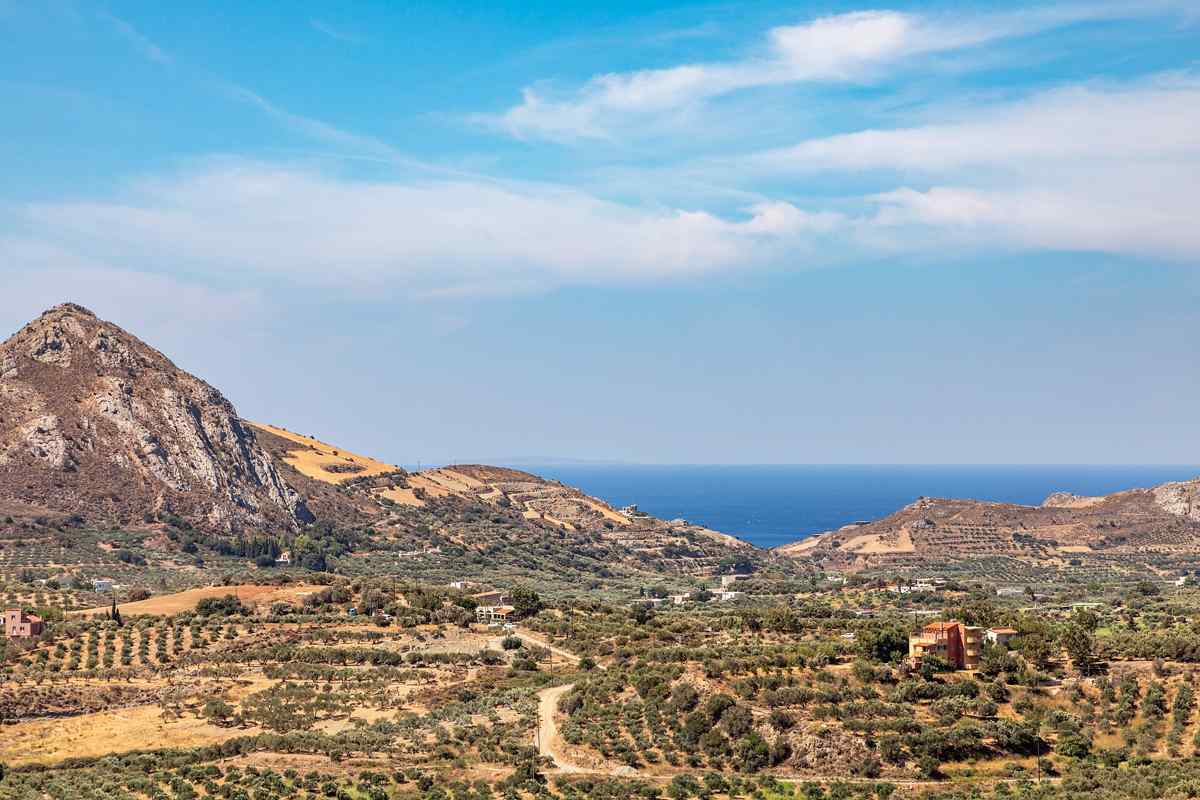
Five days on Crete strike the ideal balance between a rushed long weekend and a full week, giving you time to explore both the western beaches and the central archaeological treasures without exhausting yourself. This itinerary uses two bases—Chania in the west and the Heraklion area in the centre—to minimise packing and unpacking while covering the island’s most compelling highlights. You’ll hike the famous gorge, swim at postcard-perfect beaches, wander Venetian harbours, and stand in the throne room of Europe’s oldest civilisation. The route is designed for independent travellers with a hire car, though guided options are available with My Greece Tours.
This five-day plan dedicates three nights to Chania and two to the Heraklion region, allowing unhurried exploration of each area’s signature attractions. You’ll experience the dramatic landscapes of the White Mountains, the turquoise shallows of the west coast, and the Minoan grandeur of Knossos. The sections below cover the day-by-day structure, practical transport advice, and booking tips to help you make the most of your time. For broader context on the island’s regions and seasons, consult our comprehensive Crete travel guide before finalising your plans.
What does a 5-day Crete itinerary cover?
A five-day Crete itinerary focuses on the west and centre, using Chania and Heraklion as bases. You explore Chania’s Venetian harbour, hike Samaria Gorge, visit Balos or Elafonisi beach, tour Rethymno and Arkadi Monastery, then discover Knossos palace and Heraklion’s archaeological museum.
The itinerary divides neatly into two geographical chapters. Days one through three anchor you in Chania, the west’s most charming town, where narrow lanes wind between Venetian mansions and waterfront tavernas serve fresh fish under striped awnings. From this base you tackle the sixteen-kilometre descent through Samaria Gorge, one of Europe’s longest canyons, and dedicate another day to the west coast’s legendary beaches—either the lagoon-like shallows of Elafonisi or the boat-access-only sands of Balos, both requiring early starts to beat the crowds. The third day lets you explore Chania itself, from the lighthouse at the harbour mouth to the covered market and the backstreet workshops of leather-workers and knife-makers.
Day four bridges west and centre with a scenic drive along the north coast, pausing in Rethymno to wander its smaller but equally atmospheric old town and then climbing inland to Arkadi Monastery, a symbol of Cretan resistance with honey-stone walls and a tragic history. You reach your second base near Heraklion by evening. Day five immerses you in Minoan civilisation at Knossos, where frescoed corridors and storage magazines reveal life four millennia ago, then deepens that understanding at Heraklion’s archaeological museum, which houses the island’s finest artefacts.
This structure balances natural beauty, beach relaxation, historical depth, and cultural immersion without the fatigue of daily hotel changes, making it one of the most rewarding things to do in Crete within a limited timeframe.
Why base in Chania for the first three days?
Chania offers the west best range of rooms, dining and evening atmosphere, which makes it an ideal first base. The town sits within an hour of the Samaria Gorge, Balos and Elafonisi, so you return each night to the same room.
The Venetian old town of Chania combines practical convenience with genuine charm. Hotels and apartments cluster in restored stone buildings along the harbour and in the quieter Splantzia and Topanas quarters, giving you a wide choice of budgets and styles. Waterfront restaurants line the crescent bay, and the backstreets hide family-run tavernas where locals outnumber tourists. The covered market, housed in a cross-shaped hall, supplies picnic ingredients for your gorge hike, and supermarkets stock water and snacks. Car-rental offices concentrate near the port and the edge of the old town, making vehicle collection straightforward on arrival day.
Chania’s location makes it the logical hub for western excursions. The Samaria Gorge trailhead at Xyloskalo lies roughly an hour’s drive south into the White Mountains, and the west-coast beaches—Elafonisi to the southwest, Balos to the northwest—each require around ninety minutes of driving, the latter including a final stretch of unpaved track. Returning to the same base each evening eliminates the stress of navigating to new lodgings after a long day’s hike or beach visit. You learn the neighbourhood, discover your favourite breakfast café, and settle into a rhythm that makes the trip feel less like a checklist and more like a temporary home, which is central to understanding where to stay in Crete for maximum enjoyment.
How do you travel between Chania and Heraklion on day four?
Hire a car for all five days to keep your flexibility. The drive from Chania to Heraklion runs about two and a half hours, with worthwhile stops at Rethymno old town and the Arkadi Monastery along the way.
The New National Road—a modern highway hugging the north coast—connects Chania and Heraklion with minimal traffic outside peak summer weekends. You leave Chania after breakfast, reaching Rethymno in under an hour. Park near the Fortezza fortress or the public lot by the port, then spend ninety minutes wandering the old town’s arched streets, climbing to the fortress ramparts for rooftop views, and perhaps taking coffee in a courtyard café. The Venetian harbour here is smaller and quieter than Chania’s, with a picturesque lighthouse and fishing boats bobbing in the turquoise water. Rethymno’s compact scale means you see the highlights without rushing, and the town makes an excellent mid-journey pause.
From Rethymno, a twenty-minute drive inland brings you to Arkadi Monastery, perched on a plateau surrounded by olive groves and cypress trees. The monastery’s Renaissance façade and tranquil cloisters belie its dramatic role in the Cretan uprising of the eighteen-sixties, and the small museum recounts that history. Budget forty-five minutes for the visit, then rejoin the highway eastward. You reach the Heraklion area by mid-afternoon, giving you time to settle into your second base, explore the city’s Venetian walls and Lion Square, or simply rest before the next day’s archaeological immersion. The hire car remains essential throughout, as public buses would triple your travel time and eliminate the monastery detour entirely.
What should you book in advance for a Crete 5-day trip?
Reserve the Samaria Gorge shuttle and the return boat from Agia Roumeli ahead, especially from May to September. Book any Balos boat trip early, buy Knossos tickets online, and secure a hire car first, since availability tightens in peak season.
The Samaria Gorge hike requires logistical coordination. You drive to the Omalos plateau, park at the trailhead, descend the gorge, and emerge at the coastal village of Agia Roumeli, which has no road access. From there, an afternoon ferry carries you to Hora Sfakion, where a pre-arranged bus returns you to Omalos to collect your car. Tour operators in Chania sell packages combining bus transfers and boat tickets, which simplify the process and guarantee your return transport. Independent hikers can book the ferry online through local operators, but seats sell out on busy summer days, leaving you stranded in Agia Roumeli overnight. Booking a week ahead eliminates that risk and lets you choose your preferred departure time.
Balos beach is reachable by rough dirt track or by boat from Kissamos. The boat option spares your hire car’s suspension and offers swimming stops en route, but the vessels fill quickly in July and August. Operators accept online reservations, and morning departures return by mid-afternoon, leaving your evening free. At Knossos, the official ticketing website lets you reserve a time slot, bypassing the long queues that form by mid-morning in high season. Combining your palace ticket with museum entry saves a euro and streamlines your visit.
Car hire is the foundation of the entire itinerary, so compare rates on aggregator sites and book as soon as your flights are confirmed; automatic transmission and full insurance add cost but reduce stress on unfamiliar mountain roads.
How does five days in Crete compare to shorter or longer trips?
Five days sit between the rushed three-day trip and the leisurely week. You cover two regions without daily hotel changes, fit in the gorge and Knossos, and still get beach time. Shorter trips lose depth; longer ones add the east.
Three-day itineraries force difficult choices—gorge or beach, Chania or Heraklion—and often involve a single base with long daily drives. You return home having seen highlights but missing the rhythm and texture that make Crete memorable. A week or more lets you add the eastern palace of Malia, the palm-fringed beach at Vai, the southern coast’s laid-back villages like Loutro or Matala, and perhaps the Lasithi Plateau’s windmills and cave. Those extensions deepen your understanding but require more vacation days and a larger budget. Five days represent the sweet spot for first-time visitors: long enough to experience both the wild landscapes and the ancient history, short enough to maintain momentum and avoid the fatigue of constant packing.
This itinerary’s two-base structure mirrors the island’s own geography, dividing your time between the Venetian west and the Minoan centre. You spend three nights in one place, then two in another—a rhythm that feels settled rather than frantic. The plan includes one strenuous hike, one or two beach days, one scenic drive, and one deep archaeological dive, covering the breadth of what draws travellers to the island. Extending to six or seven days would let you add a cooking class in a mountain village, a day trip to the island of Spinalonga, or a second gorge hike in the White Mountains.
Shortening to four days would force you to skip either the west-coast beaches or the Heraklion museums, diminishing the trip’s balance. For visitors with limited time, five days deliver a complete and satisfying introduction to Heraklion and the west without feeling superficial or exhausting.
Frequently Asked Questions
Is a hire car essential for this five-day Crete itinerary?
A hire car is effectively essential for this itinerary. Public buses connect Chania, Rethymno, and Heraklion along the north coast, but they run infrequently to trailheads and beaches, wasting hours at bus stops and forcing you to skip Arkadi Monastery entirely. The Samaria Gorge requires either a hire car or a pre-booked tour package; independent hikers without a vehicle face complicated bus connections between Omalos, Hora Sfakion, and Chania. Balos and Elafonisi are reachable by excursion bus from Chania, but those tours dictate your schedule and limit beach time.
Renting a car for all five days costs between forty and seventy euros per day depending on season and vehicle type, and it grants you the freedom to stop at roadside viewpoints, explore backroad villages, and adjust your timetable. Automatic transmission adds roughly ten euros per day but reduces stress on mountain switchbacks. Full insurance coverage, though pricier, protects you from liability for scratches and dents common on narrow village streets and unpaved beach tracks.
Can you fit Santorini into a five-day Crete itinerary?
Fitting Santorini into five days on Crete is technically possible but undermines the itinerary’s balance and wastes precious time. Fast ferries from Heraklion to Santorini take roughly two hours each way, and you must reach the port an hour before departure, meaning a day trip consumes at least six hours in transit. Overnight trips require an extra night’s accommodation and reduce your Crete time to three or four days, forcing you to skip either the west-coast beaches or the Samaria Gorge. The ferry schedule is seasonal and weather-dependent, with cancellations common in spring and autumn. Flights between Heraklion and Santorini exist but add airport transfers and check-in time, negating any time savings.
The five-day Crete itinerary already covers two distinct regions and delivers a satisfying mix of landscapes, history, and culture. Adding Santorini fragments your experience and leaves you with superficial impressions of both islands. Travellers with a week or more can dedicate three days to Crete and three to Santorini, doing justice to each; those with only five days should commit fully to one island and return another year for the other.
What is the best time of year for this Crete itinerary?
Late April through early June and mid-September through October offer the best conditions for this itinerary. Spring brings wildflowers to the gorge, warm but not scorching beach weather, and lighter crowds at Knossos and in Chania’s old town. The Samaria Gorge typically opens in early May once winter snowmelt subsides and closes in late October when autumn rains make the trail dangerous; confirm opening dates before booking flights. Summer—July and August—delivers guaranteed sunshine and calm seas but brings intense heat that makes the gorge hike gruelling, crowds that clog Balos and Elafonisi, and higher prices for accommodation and car hire. Autumn mirrors spring’s advantages, with seawater still warm from summer and the landscape golden rather than green.
Winter is impractical for this itinerary: the gorge closes, boat trips to Balos cease, and mountain roads can be icy. The shoulder seasons balance weather, cost, and experience, letting you enjoy the itinerary’s highlights without the peak-season downsides.