
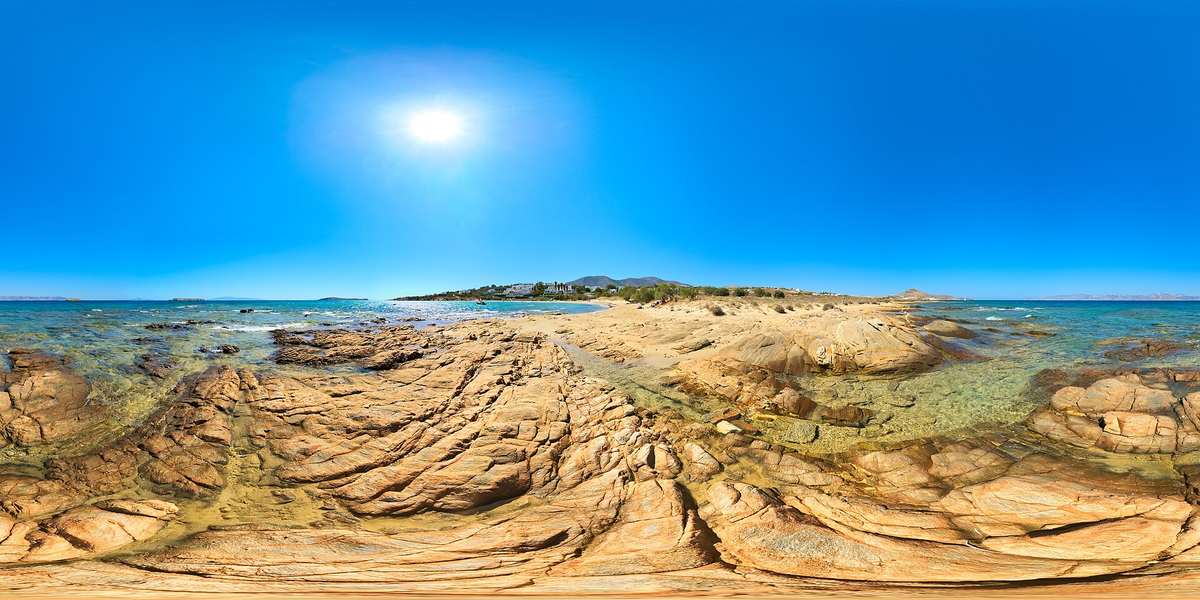
Naxos is the largest island in the Cyclades, and its size gives it something for every kind of traveller across the year. It has long golden beaches on the west coast, green mountain villages inland, marble quarries, olive groves and a fertile valley that most Cycladic islands simply do not have. The best time to visit Naxos depends on what you want: warm swimming, quiet hiking trails, family-friendly calm, or the liveliest nightlife because of that variety. Weather, sea temperature, crowd levels and prices all shift from month to month, so timing your trip well makes a real difference. Whenever you come, exploring the island’s highlights on a guided tour helps you cover more ground with local insight, and you can arrange one with My Greece Tours.
This article works alongside our full Naxos travel guide, giving you a clear, month-aware picture so you can match the island to your own travel style and budget. The sections below cover the best time to visit Naxos overall, what spring is like on the island, what summer brings, what autumn offers, and what winter is like along with which season suits which traveller.
When is the best time to visit Naxos?
The best time to visit Naxos is late spring and early autumn, the shoulder seasons, when the weather is warm, the sea is swimmable, prices are moderate and crowds are thin.
There is no single perfect month, because Naxos rewards different travellers at different times. The shoulder seasons, roughly the late spring and early autumn windows, strike the best all-round balance. Days are warm and sunny, the sea is comfortable for swimming, hiking trails are open and pleasant, and the crowds and prices sit well below the summer peak. High summer is the busiest and hottest stretch, ideal if you want guaranteed beach weather, warm water and the fullest calendar of tavernas, bars and boat trips. Spring is greenest and quietest, autumn is warm and mellow, and winter is authentic but sleepy.
Understanding what each season feels like on the ground makes the choice easier, and it starts with the fresh, green energy of spring.
Your ideal month also depends on your reason for coming. Beach lovers do best across the warmest months, when the water is warmest and the sun is reliable. Hikers and walkers prefer the cooler, greener shoulder months, when the trails through the mountain villages are comfortable rather than punishing. Families often choose the edges of summer, avoiding the fiercest heat and the largest crowds while still getting warm, calm sea. Budget travellers find the best value outside the peak weeks, when ferries, rooms and car rentals cost noticeably less. Match the month to your priority and Naxos delivers.
To see how those priorities play out through the year, it helps to walk through each season in turn, beginning with spring.
What is spring like on Naxos?
Spring on Naxos is green, mild and quiet. Wildflowers cover the hills, the valleys are lush, temperatures are comfortable, and the island feels calm and authentic. It is the finest season for hiking, sightseeing and photography, though the sea is still cool for swimming.
Spring is when Naxos looks its most beautiful. Winter rains leave the interior green and fertile, and by mid-spring the hillsides and valleys are carpeted with wildflowers, poppies and blossoming trees. Daytime temperatures are mild and pleasant, usually warm enough for shirt-sleeves but rarely uncomfortable, which makes long days outdoors a genuine pleasure. The light is soft and clear, ideal for photography. The island is still quiet in spring, so you share the villages, ruins and viewpoints with far fewer people, and tavernas and shops feel relaxed and unhurried. It is a notable time to experience the dozens of things to do in Naxos at an easy pace.
The main trade-off is the sea, which stays cool into late spring, so it suits explorers more than dedicated swimmers.
Spring is the best season for walking and hiking on Naxos because the weather is comfortable and the ground is green. The old footpaths that link the mountain villages, such as the routes around Halki, Filoti and Apeiranthos, are at their finest, framed by greenery and running streams rather than the dry, sun-baked slopes of summer. The climb toward Mount Zas, the highest peak in the Cyclades, is far more manageable in cool spring air than under the fierce summer sun. Sightseeing is equally rewarding, with the Portara, the Venetian Kastro and the marble quarries easy to enjoy without heat or crowds. Rooms and car rentals are cheaper than in summer, too.
Spring gives way to the bright, buzzing energy of the Naxos summer as the days lengthen and warm. Shape the dates around our Naxos 5-day itinerary.
What is summer like on Naxos?
Summer on Naxos is hot, sunny and lively. The sea is warm, beaches are at their best, and the island is at its busiest. Afternoon winds, the meltemi, cool things down and make Naxos a top windsurfing destination.
Summer is the classic Naxos season and the busiest time of year. Through the peak months the days are hot and reliably sunny, the sky stays clear, and the sea reaches its warmest and most inviting temperatures. This is when the island’s long west-coast sands come into their own. The famous beaches of Naxos such as Agios Prokopios, Agios Georgios, Plaka and Mikri Vigla fill with sunbathers, swimmers and watersports. Naxos Town buzzes late into the night with tavernas, bars and waterfront cafes, and the calendar is full of boat trips, day tours and cultural events. It is also the most expensive and crowded stretch, so book ferries and accommodation well ahead.
Energetic atmosphere, summer is your season if you want guaranteed beach weather and a social.
A defining feature of the Naxos summer is the meltemi, a strong, dry north wind that sweeps across the Cyclades mainly in the height of summer. The meltemi can be a blessing and a challenge: it cools the fierce midday heat and keeps the air fresh. It can whip up the sea and occasionally disrupt ferry schedules. For windsurfers and kitesurfers it is a gift, and Mikri Vigla in particular is one of Greece’s premier spots, drawing enthusiasts from around the world when the wind is up. Sheltered beaches on calmer days still offer flat, warm water for families and casual swimmers.
Between the heat, the sea and the wind, summer is the island at full volume, and it eases gradually into the warm, mellow charm of autumn. The shoulder months suit solo travel in Naxos for their calm and value. Travellers with a longer window can spread the calendar across a full Naxos 6-day itinerary.
What is autumn like on Naxos?
Autumn on Naxos is warm, calm and excellent value. The sea stays warm from the long summer, crowds thin out, and the island celebrates its harvest with local festivals. It offers summer-like swimming with a gentler, more affordable atmosphere.
Autumn is one of the most underrated times to visit Naxos. Early autumn feels like a softer continuation of summer: the days are still warm and sunny, the sea holds the heat it built up over the season. Swimming remains delightful, often more comfortable than in the fierce peak of high summer. What changes is the pace. The crowds thin noticeably, beaches feel spacious again, and Naxos Town relaxes into an easier rhythm as the school holidays end. Prices for ferries, rooms and car rentals fall from their summer highs, so autumn delivers superb value. The meltemi wind fades, leaving calmer seas and more settled ferry travel.
For a wide range of visitors this blend of warm water, open space and lower cost makes early autumn the sweet spot of the whole Naxos year.
Autumn is also harvest time, and this is where fertile Naxos truly stands apart from its drier neighbours. The island gathers its grapes, figs and other produce. Villages hold local festivals and celebrations tied to the season, giving visitors a genuine taste of Naxian tradition, food and wine. The landscape softens as the summer glare eases, and the mountain villages are pleasant to explore again once the heat drops. Later in autumn the weather cools gradually and the first rains may arrive, but a host of warm, clear days remain, and the atmosphere is peaceful and authentic. It is a fine season for combining relaxed beach time with sightseeing and food.
Naxos slips into the quiet, introspective mood of winter as autumn deepens and the season winds down.
What is winter like on Naxos, and who should visit when?
Winter on Naxos is quiet, cool and authentic, with occasional rain and part of seasonal closures. It suits travellers seeking local life over beaches. Overall, match the season to your goal: summer for swimming, shoulder seasons for balance, spring for hiking, winter for calm.
Winter is the island’s quietest season and shows Naxos at its most local and unhurried. The weather is cool and changeable, with mild spells, cloudier skies and periods of rain that keep the countryside green, though hard frost and snow are rare at sea level. Dozens of beach-focused hotels, seasonal tavernas and a portion of tour operators close for the winter, and ferry schedules run less often, so this is not the time for a classic beach holiday. What remains is the real, year-round Naxos: working villages, everyday cafes, family tavernas and residents going about island life. For travellers who value authenticity, tranquillity and low prices over sunbathing, winter has a genuine, quiet charm.
It is worth checking how to get to Naxos in advance, as connections are reduced.
To choose your season, match the month to your goal. For swimming, sunbathing and lively nights, come in the height of summer. For the best all-round balance of warm weather, swimmable sea, moderate crowds and fair prices, choose the shoulder seasons of late spring or early autumn. For hiking, wildflowers, photography and cool, green landscapes, spring is unbeatable. Families often do best at the edges of summer, avoiding peak heat and crowds. Budget travellers should look outside the busiest weeks. And for peace, authenticity and a slower pace, winter rewards the curious. Whatever you are looking for, there is a right time to enjoy the largest island in the Cyclades.
Plan your visit and tours through our Naxos travel guide.
Frequently Asked Questions
What is the cheapest time to visit Naxos?
The cheapest time to visit Naxos is outside the high-summer peak. Winter is the least expensive of all, with the lowest rates on the accommodation that stays open, though a host of beach hotels and seasonal businesses close and ferry connections are reduced. For travellers who still want good weather and swimming at a lower cost, the shoulder seasons offer the best value for money. Late spring and mid-autumn bring noticeably cheaper ferries, rooms and car rentals than the summer high season, while the island is still comfortably warm and far less crowded. Booking early also helps, because the best-value accommodation fills quickly even in the quieter months.
Aim for late spring or early autumn rather than the packed, pricier weeks of midsummer if your main goal is stretching your budget while keeping warm days and a swimmable sea.
When is the sea warmest for swimming in Naxos?
The sea around Naxos is warmest through late summer and into early autumn, making that stretch the best for swimming. The water takes time to warm up after winter. In spring it can still feel cool for extended swimming even when the air is pleasantly mild, which is why spring suits hikers and sightseers more than dedicated swimmers. By early summer the sea is comfortable, and it reaches its peak warmth toward the end of summer and holds that heat well into the autumn, since large bodies of water cool slowly. This is one reason early autumn is so appealing: the sea is often as warm as summer.
With far fewer people on the beaches and lower prices across the island. The long, sandy, west-coast beaches such as Agios Prokopios and Plaka shelve gently and warm nicely, which makes them especially good for families. On breezy meltemi days, choosing a sheltered cove gives you calmer, warmer water.
Is Naxos good for families, and when should they visit?
Naxos is an excellent family destination, and the best times for families are the shoulder edges of summer. The island’s long, sandy, shallow-shelving beaches on the west coast, such as Agios Prokopios and Agios Georgios, are ideal for children, with warm, calm water on sheltered days. Visiting just before or just after the peak avoids the most intense heat and the largest crowds. Days feel more manageable for young children and prices are gentler, while the sea is still warm enough for happy swimming. Beyond the beaches, Naxos offers ample to keep families busy: exploring the Venetian Kastro and its lanes, visiting the Portara at sunset, wandering the mountain villages. Enjoying easy boat trips and gentle walks.
The island is large and green, so there is genuine variety beyond the sand. Families who must travel at the peak can still have a notable time. Should book early, plan beach mornings around the midday heat and choose sheltered beaches on windy days.