
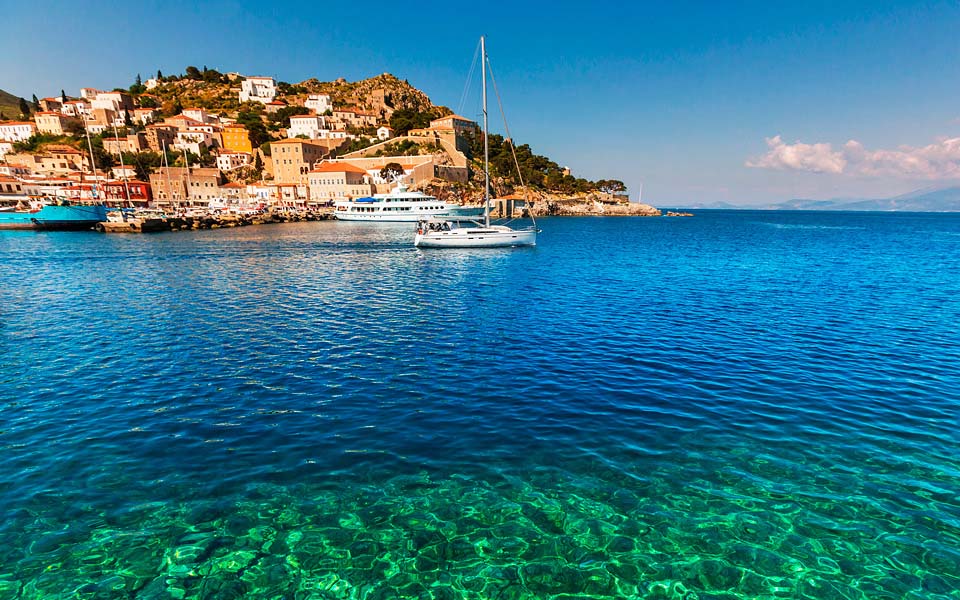
Deciding the best time to visit Greece depends less on a single “perfect” month and more on what we want from the trip. Plan the whole trip with Greece Tours. Are we chasing beach days on crystalline islands, intimate encounters with local life, or cooler weather for walking ancient sites?
Greece changes character with the seasons: spring fills the countryside with wildflowers and festivals, summer brings azure seas and crowds, autumn offers warm sea temperatures and harvest celebrations, and winter reveals quiet archaeological sites and genuine neighborhood life. In this guide, informed by our local experts at Greece Tours who grew up here, we’ll walk through each season, give practical planning tips, and offer sample itineraries so we can choose the best time to visit Greece for our priorities.
Quick Overview: Seasons And What They Offer
Greece essentially has four travel seasons, each with distinct advantages:
- Spring (March–May): Mild temperatures, blooming landscapes, fewer tourists, and cultural events. Ideal for active exploration and mainland travel.
- Summer (June–August): Peak season for islands, consistent hot, dry weather, and long days. Best for beach time and island-hopping, but expect crowds and higher prices.
- Autumn (September–November): Still-warm seas in September and October, grape harvests, olive oil season, and thinning crowds. A sweet spot for food and wine travelers.
- Winter (December–February): Cooler, sometimes rainy weather on the islands, but quiet museums, local festivals, and lower costs. Great for history lovers and those seeking authentic, offbeat experiences.
When we recommend the best time to visit Greece on MyGreeceTours, we always start by asking what matters most: sun and swimming, culture and cuisine, or peaceful exploration. That answer directs the season, and often the exact weeks, we suggest.
Spring (March–May): Ideal For Culture, Wildflowers, And Mild Weather
Spring is our favorite time for mainland adventures. Temperatures range from the mid-50s to mid-70s°F (12–24°C), which is great for walking archaeological sites without melting in the midday sun. Hillsides and rural roads explode with poppies, cyclamen, and wild herbs, a photographer’s dream and a reason to rent a car for a day trip.
Why go in spring:
- Cultural life revives after winter: local festivals, Easter celebrations, and lively markets. Greek Orthodox Easter, often in April or May, is one of the most authentic cultural events in Greece: we can arrange private access to local celebrations if that aligns with our travel dates.
- Historic sites are pleasantly uncrowded. We can linger at the Acropolis, Delphi, or Knossos without the shoulder-to-shoulder rush of summer.
- Better prices and availability for small-group or private tours.
What to expect:
- Variable weather early in the season: pack layers and a light waterproof. By late May, island ferries begin to run more frequently, making a combined mainland-and-island itinerary smoother.
Insider tip: In spring, we often recommend combining Athens with Nafplio, Epidaurus, and a Peloponnese olive-oil tasting, all within comfortable driving distances and bursting with seasonal produce.
Summer (June–August): Peak Island Time — Pros And Cons For Authentic Travel
Summer is synonymous with islands, sailing, and long sunlit evenings. Temperatures commonly hit the high 80s and 90s°F (30–35°C) in July and August, and the Aegean’s meltemi wind often provides a welcome breeze.
Pros:
- Reliable beach weather and warm sea temperatures from June through September.
- Excellent choice if we want island-hopping, late-night village life, and frequent ferry and flight connections.
- Full calendar of festivals, concerts, and open-air events, especially in island hotspots and Athens’ cultural venues.
Cons:
- Major sites and islands (Santorini, Mykonos, Paros) are crowded, and prices peak. If we’re seeking authenticity, we need to plan beyond the main hotspots.
- Heat can make daytime sightseeing uncomfortable: plan cultural visits early morning or late afternoon.
How to travel more authentically in summer:
- Choose less-touristed islands like Naxos, Serifos, or Amorgos for a quieter vibe while still enjoying beaches and tavernas.
- Book private or small-group tours with local guides who can introduce us to family-run farms, secluded bays accessible by boat, and off-peak dining times.
- Consider early June or late August to catch good weather with slightly fewer crowds.
Practical note: We advise booking accommodations, ferries, and any private excursions well in advance if traveling in July–August.
Autumn (September–November): Warm Seas, Harvest Festivals, And Fewer Crowds
Autumn is a strong contender for the best time to visit Greece, especially in September and October. The sea remains pleasantly warm after a hot summer, daytime temperatures sit in the comfortable 60s–80s°F (16–28°C), and the tourist flow eases.
Why autumn stands out:
- Harvest season: grape and olive harvests mean winery visits, olive-press experiences, and food festivals. We can pair cultural touring with hands-on tastings.
- The shoulder season reduces lines at archaeological sites and gives us more personal interaction with hosts, restaurateurs, and artisans.
- The weather is stable in early autumn; late autumn may bring more rain, especially in northern and western regions.
Who should go in autumn:
- Food-focused travelers and couples looking for a quieter, romantic atmosphere.
- Families who want to combine beach time with cultural sightseeing without the summer crush.
Insider angle: On our small-group autumn tours, we often include a village feast or a visit to a working village winery, moments that reveal contemporary Greek life more clearly than any postcard view.
Winter (December–February): Off-Season Travel For History Lovers And Local Life
If we’re after museums, archaeological sites with nearly no queues, and a chance to see Greece without the tourist gloss, winter is unexpectedly rewarding. Coastal regions remain mild compared to northern Europe: Athens often enjoys sunny days in the 50s–60s°F (10–15°C).
Benefits of winter travel:
- Lower prices and greater availability for private tours and boutique hotels.
- Authentic local life: neighborhoods, cafés, and markets operate as they do year-round; now we’re not viewing them through a tourist lens.
- Cultural events: Carnival (Apokries) in February and local winter festivals offer immersive experiences if we time our trip right.
Limitations:
- Some islands scale back ferries and seasonal businesses. Stick to larger islands (Crete, Rhodes, and Corfu) or the mainland for the fullest experience.
- The weather in mountainous regions can be cold and snowy, great for a different mood, but not for beach time.
Practical tip: Let us at MyGreeceTours tailor a winter itinerary that leverages local connections, private museum access, family-run tavern invitations, or a bespoke wine tasting, since many experiences are more intimate this season.
How To Choose The Best Time Based On Your Travel Priorities
Our decision tree for timing a trip to Greece centers on three core priorities: activities, crowd tolerance, and culinary/cultural interests. Below are focused considerations to match months to goals.
Weather And Activities, Matching Months To Interests
- Beach & swimming: Aim for June to September (late May and early October still work in warmer parts like Crete).
- Walking & archaeology: March–May and September–October provide cooler temps and better light for photos.
- Sailing & boating: June and September offer calm seas with fewer day-trippers.
Avoiding Crowds, Timing For Popular Sites And Islands
- To avoid crowds at iconic sites (Acropolis, Santorini caldera), visit early spring or late autumn.
- If we must go in summer, book the earliest ferries and reserve guided slots for major ruins; private guides can secure quieter time windows.
Food, Festivals, And Local Events To Plan Around
- Greek Orthodox Easter: A highly authentic experience with processions and local customs, date varies (March–May).
- Harvest festivals: September–October for wine, and November for olive pressing in many villages.
- Carnival (Apokries): February/March, lively in the Peloponnese and Crete.
As local guides, we often build trips around a single cultural highlight, a family olive-press day, a village wedding celebration, or a manor cooking class, because those moments create lasting memories.
Practical Travel Planning Tips For Your Chosen Time
Once we’ve selected a season, a few practical details make the trip smoother and more enjoyable.
Booking, Transportation, And Island Hopping Considerations
- Ferries vs. flights: Summer offers dense ferry schedules; in spring and autumn, some routes run less frequently. For complex itineraries, we recommend mixing short domestic flights with key ferry legs.
- Book early for summer travel, accommodations, and private transfers fill quickly. For shoulder season trips, we can usually secure last-minute upgrades or unique local stays.
- Car rentals: Essential on many islands and the mainland for exploring beyond main towns. Reserve cars ahead for peak months: in winter, choose vehicles suitable for wet or hilly roads.
What To Pack And Dress For Authentic, Respectful Experiences
- Dress modestly for religious sites: smart-casual clothing with shoulders covered and no shorts above mid-thigh. We advise keeping a lightweight scarf for quick cover-ups.
- Layering is key: spring and autumn mornings are cool, afternoons warm. A light rain jacket is useful in the shoulder seasons.
- For island days: reef-safe sunscreen, water shoes for pebbly beaches, and a hat. For winter cultural trips: waterproof shoes and a warmer coat.
We always suggest packing a small gift (a local specialty from our country) if we’re invited to a family home, it opens doors in ways an expensive souvenir won’t.
Sample 7–10 Day Itineraries By Season (Ideas For Personalized Tours)
Below are three flexible sample itineraries tailored to different seasons and interests. Each can be customized by our MyGreeceTours local experts.
Spring Itinerary, Mainland Culture And Blossoming Landscapes
Day 1–2: Athens, Acropolis at sunrise, Plaka walk, and a private cooking class featuring spring greens.
Day 3–4: Delphi and Arachova, temple ruins, mountain village life, and local cheese tasting.
Day 5–7: Peloponnese (Nafplio, Epidaurus), archaeological sites, seaside dinners, and an olive-press visit.
Optional Day 8–10: Short ferry to Hydra for car-free charm and coastal walks.
Why it works: Cooler weather is ideal for walking and inland exploration. We weave cultural encounters and seasonal produce experiences throughout.
Summer Itinerary, Islands, Beaches, And Private Boat Excursions
Day 1–2: Athens, quick highlights, and evening flight to the Cyclades.
Day 3–5: Naxos, family-run taverna meals, long beaches, and mountain villages.
Day 6–8: Paros or Antiparos, kayaking, a private fishing-boat excursion, and time for seaside rest.
Day 9–10: Optional Santorini sunset experience (early morning/late evening sightseeing to avoid crowds).
Why it works: This mixes lively island culture with quieter options. Private boats and small-group transfers keep the experience intimate.
Autumn/Winter Itinerary, History, Wine, And Local Festivals
Day 1–2: Athens, museums with private guide access and neighborhood market tours.
Day 3–5: Peloponnese/Mani, Byzantine sites, vineyard visits, and tavernas where locals gather.
Day 6–7/8–10: Crete or Rhodes, temperate winter weather, archaeological sites like Knossos, and island tavern hospitality.
Why it works: Cooler weather suits in-depth cultural exploration, and harvest/festival timing adds rich local texture. We emphasize slow travel and meaningful local connections.
Conclusion
Choosing the best time to visit Greece comes down to the kind of memories we want to bring home. For lively island summers, aim for June–August: for milder weather and blossoms, choose spring: for food, wine, and warm seas with fewer crowds, autumn is superb: and for quiet, intimate cultural immersion, winter surprises in the best way.
As local specialists at MyGreeceTours, we design itineraries that match both the season and our travelers’ priorities, whether that’s a family-friendly beach escape, a romantic island-hopping route, or a deep jump into Greece’s culinary and historical landscapes. If you’re planning a trip, let us know what matters most to you, and we’ll recommend the ideal months, craft a tailored plan, and handle the logistics so you spend your time experiencing Greece, not managing it.
Read more about Greece Tours: