
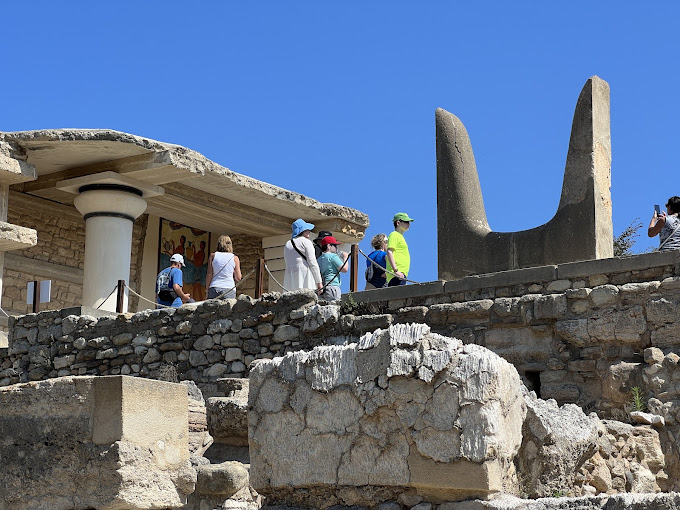
Planning a self-guided Greece itinerary is one of the most rewarding ways to experience this layered, sun-drenched country. We get to choose our pace, linger at a seaside taverna, and pivot when a local recommends a lesser-known chapel or beach.
In this guide, we’ll walk through why self-guiding works in Greece, when to go, sample routes by length and interest, the logistics to lock down, how to connect with local culture, and practical budgeting and packing tips. Our aim: equip you to plan a confident, flexible, and deeply authentic Greek adventure.
Why Choose A Self-Guided Greece Trip
Greece rewards curiosity. When we plan our own route, we control the rhythm, spending extra time archaeologizing in a hilltop site, or choosing an unhurried afternoon in a cafe watching island life unfold. Self-guided travel blends independence with intimacy: we avoid rigid group schedules but can still lean on local services for transfers, experiences, or one-off guided visits.
Benefits of going self-guided:
- Flexibility: We set start and stop times, swap destinations, and add spontaneous side trips.
- Cost control: We choose where to save (hostels, local buses) and where to splurge (private sunset cruise, boutique villa).
- Authentic encounters: By staying in small guesthouses and eating at neighborhood tavernas, we meet locals and see daily life rather than a polished tourist circuit.
When a trip is not ideal for self-guiding: If we want deep, continuous expert commentary at every classical site, or we prefer all logistics bundled and guided every step, a full escorted tour may suit us better. But for those of us who crave control with local access, exactly the experience Greece Tours specializes in, self-guided planning is often the sweet spot.
Best Time To Travel And Ideal Trip Durations
Seasonality in Greece significantly affects weather, crowds, and prices, so timing matters.
- Peak season (mid-June to mid-September): Warmest sea temperatures and longest days, but crowds and higher rates. Ideal for lively island hopping and guaranteed beach weather.
- Shoulder seasons (April–early June, late September–October): Our favorite windows. Mild temperatures, fewer crowds at major sites, and vibrant local life, olive harvest and grape harvest begin in autumn.
- Winter (November–March): Quieter and more affordable on the mainland, though many island businesses close. Great for cultural trips focused on Athens, Thessaloniki, and archaeological sites that stay open.
Ideal trip lengths by interest:
- Long weekend (3–5 days): Focus on Athens plus a nearby island (Aegina or Hydra) or a single-region mainland circuit.
- 7–10 days: The sweet spot for combining Athens, one or two islands, or a mainland loop (Peloponnese + Delphi). This duration allows us to balance history, beach time, and relaxed travel.
- 2+ weeks: Best for deeper regional explorations, Northern Greece, the Peloponnese, or multi-island Cyclades/Sporades circuits.
Choosing duration: Match travel time to travel style. If we want to move less and immerse more, choose fewer destinations and more nights per stop: for sampling, plan efficient transfers and accept a brisker pace.
Sample Self-Guided Itineraries (By Length And Interest)
7-Day Mainland And Cyclades Loop
Day 1–2: Athens, Acropolis, Plaka, a food walk in Monastiraki. Day 3: Morning ferry to Mykonos for a quick stroll and a sunset swim. Day 4–5: Ferry to Paros or Naxos, rent a scooter, explore inland villages, and enjoy quieter beaches. Day 6: Return to Athens via high-speed ferry or flight. Day 7: Delphi or a Peloponnese half-day before departure.
Why it works: We combine history with relaxed island time, limiting long overnight transfers and using high-speed ferries.
10-Day Classical Greece With Two Islands
Day 1–3: Athens, including a guided morning at the Acropolis Museum to set context. Day 4–5: Ferry to Santorini for archaeology (Akrotiri), caldera views, and wine tasting. Day 6–8: Ferry to Crete (Heraklion or Chania) to explore Minoan sites and local markets. Day 9–10: Return to Athens, with an optional overnight stop in Nafplio on the Peloponnese.
Why it works: We pair classical sites with island contrasts, Santorini’s dramatic cliffs and Crete’s deep culture and cuisine, giving a satisfying historical arc.
Family-Friendly 7-Day Slow-Paced Route
Day 1–3: Athens, short museum visits, the National Garden, and an evening puppet show or family-friendly cooking class. Day 4–7: Ferry to Corfu or Skiathos, compact islands with calm beaches, short transfers, and family-oriented lodging. Plan one flexible day for rest or a local boat trip.
Why it works: Short rides, fewer hotel changes, and activities that work for both kids and adults make this an easy, less hectic family holiday.
Tips for all sample itineraries: Always leave a buffer day for delays or simply to linger: Greek travel often rewards unplanned discoveries.
Planning Logistics: Transport, Accommodation, And Tickets
Getting Around: Flights, Ferries, Trains, And Car Rentals
Ferries connect islands and coastal towns. Book high-speed ferries for short hops and conventional ferries for cheaper, scenic overnight legs. Domestic flights (Athens to Crete or the Dodecanese) save time on longer island jumps. On the mainland, trains are limited but reliable between major nodes: buses (KTEL) are extensive and cost-effective. Renting a car is invaluable for regions like the Peloponnese, Crete, and some Ionian islands, where public transit is sparse. Reserve cars early in high season and choose a small, fuel-efficient model for narrow roads.
Choosing Lodging: Town Centers, Villas, And Small Guesthouses
Where we stay shapes the trip. Town-center hotels or guesthouses keep us in the thick of markets and evening life. Villas work well for families or groups seeking privacy and space. Small guesthouses (pensions) often include insider tips from hosts, exactly the local access we value at Greece Tours. Book early for hotspots like Santorini or Mykonos: for mainland villages, we can often secure excellent rooms closer to travel dates.
Booking Attractions And Managing Time Blocks
Reserve must-see tickets in advance: Acropolis tickets, the Acropolis Museum, and popular archaeological sites. For sunsets, boat trips, or niche experiences (olive-mill visits, winery tours), booking ahead ensures availability. Build your days in time blocks: morning for major sites when it’s cooler and less crowded, midday for relaxed lunches and siestas, late afternoon for exploration or photography. Allow at least half a day for travel between hubs to avoid rushed connections.
Authentic Cultural Experiences And Local Connections
Food, Markets, And Dining Like A Local
We make food a central part of the plan. Street markets in Athens and Thessaloniki are perfect for sampling cheeses, olives, and loukoumades. For dinners, choose tavernas where locals dine, look for handwritten menus and a steady stream of regulars. Join a family cooking class or a bakery visit: these experiences give us recipes and stories to take home.
Local Hosts, Private Guides, And Small-Group Options
Even on self-guided trips, short bursts of expert guidance elevate the experience. We often book a half-day private guide at major sites to decode layers of history, or arrange a local host to introduce us to area specialties. Small-group workshops, pottery, wine, or olive oil tastings, offer hands-on learning without the impersonal feel of big tours.
Hidden Gems: Villages, Sites, And Seasonal Events
Beyond the headline attractions are tiny monasteries, coastal hamlets, and regional festivals. We recommend asking hosts for nearby lesser-known spots: a lunch-only seaside taverna, a family-run museum, or a mountain village with a weekly market. Time your trip to coincide with festivals (Easter celebrations are vivid and profound, while summer village feasts, panigyria, are lively nights of dance and food). These moments turn a checklist trip into a cultural immersion.
Budgeting, Practical Tips, And Packing Checklist
Estimating Costs And Where To Save Or Splurge
Daily budgets vary by season and travel style. On average:
- Budget travelers: $50–80/day (hostels, local buses, street food).
- Mid-range: $120–200/day (3-star hotels, some private transfers, daily meals at tavernas).
- Splurge: $300+/day (boutique hotels, private guides, fine dining, private boats).
Save on travel by using ferries and buses, eating at neighborhood tavernas, and traveling shoulder-season. Splurge on a private sunset cruise, a night in a historic boutique hotel, or a guided archaeological tour that brings sites to life.
Essential Documents, Health, And Safety Notes
Carry passport copies and digital backups. Health: Greece is safe, with good healthcare in cities. Bring routine meds and a small first-aid kit. If we drive, ensure we have an International Driving Permit if required by the rental company. Safety: standard precautions apply, watch bags in crowded sites, and follow local guidance on swimming and hiking.
Packing Checklist For Comfort And Cultural Respect
- Lightweight layers, a sun hat, and good walking shoes.
- Swimwear and a versatile sarong or cover-up for church visits.
- Reusable water bottle, sunscreen, and a small daypack.
- Plug adapter and portable charger: medicines and basic first-aid items.
- Modest clothing for religious sites (knees/shoulders covered) and a light jacket for cooler evenings.
Pack for variety: cobbled streets and warm seas both await.
Read more about Greece Tours:
- The Ultimate Guide to Choosing the Right Greek Tour
- Budget Tips For Greece Visitors: How To Travel Well For Less
- Greece Tours 2026: Complete Guide To Trips, Vacations, And Packages
Conclusion
Self-guided Greece itinerary planning offers the best of both worlds: control over our days with the option to plug into local expertise when we want it. By choosing the right season, balancing travel time with rest, booking key tickets early, and prioritizing authentic experiences, food, hosts, and small events, we craft trips that feel personal and memorable. If we’d like a jumpstart, resources like Greece Tours can help arrange private guides, insider stays, or bespoke transfers while keeping our overall itinerary self-directed. Let’s plan with curiosity, leave room for surprises, and bring home more than photos; bring home stories.