
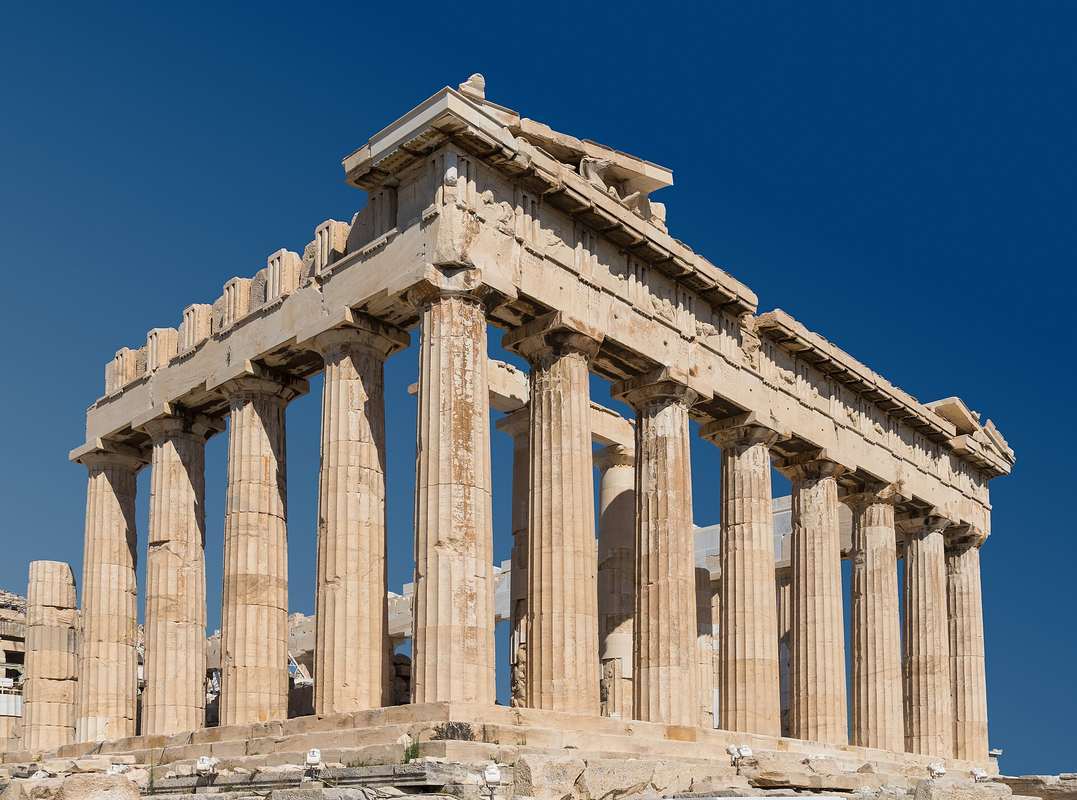
This Athens 4 day itinerary covers the Acropolis and Plaka, the great museums and neighbourhoods, a stunning day trip to Cape Sounion or Delphi, and the Athens Riviera coast, the perfect plan for first-time visitors. Build it around skip-the-line Acropolis tickets and tours from My Greece Tours.
This four-day plan draws on the wider Athens travel guide. The sections below cover whether four days is enough, then a day-by-day plan for days one to four, plus how to get around, where to stay and practical tips for the perfect Athens trip.
Is four days enough for Athens?
Four days is an excellent amount of time for Athens. It covers the major ancient sites and museums, the best neighbourhoods, a full-day trip out of the city, and a relaxed coast day. Three days covers the highlights; the fourth adds the day trip.
For first-time visitors wondering how long to spend in the Greek capital, four days is close to ideal. It strikes a balance between seeing the essential sights and avoiding the exhausting rush of a long weekend. The compact historic centre means the headline monuments and the greatest museums fit comfortably into the first two days.
The remaining two days turn a good trip into a great one. They leave room for exploring the city’s characterful neighbourhoods at a relaxed pace, venturing out on a full-day excursion beyond the city, and enjoying a slower day by the sea or chasing the sunset. This is the difference between ticking off monuments and truly seeing Athens.
Two or three days give you the Acropolis and the main highlights. The fourth day unlocks the wider region, allowing a day trip to the oracle of Delphi, the clifftop Temple of Poseidon at Cape Sounion, or the ancient theatres of the Argolid. Four days also leaves breathing room for long Greek lunches, café stops and spontaneous wandering.
What should you do on day one?
Spend day one on the Acropolis and its surroundings. Arrive early with a skip-the-line ticket to see the Parthenon, then explore the slopes and the Acropolis Museum. Wander Plaka for lunch, and end with a sunset from the Areopagus rock.
The first day belongs to the Acropolis, the symbol of Athens, and it is best tackled early before the heat and crowds build. Arrive as the site opens, ideally with a skip-the-line ticket bought in advance, and climb the sacred rock to stand before the Parthenon, the Erechtheion with its caryatids, the Temple of Athena Nike and the grand Propylaea gateway.
Descending, explore the monuments on the southern slope, the ancient Theatre of Dionysus where Greek drama was born and the beautiful Odeon of Herodes Atticus. Then head to the world-class Acropolis Museum at the foot of the hill, whose luminous galleries display the original sculptures and the famous frieze, giving context to all you have seen.
Ready for lunch, stroll into the adjoining old quarter of Plaka, the picturesque neighbourhood beneath the Acropolis, with its narrow lanes, neoclassical houses, tavernas and souvenir shops. As evening falls, climb the smooth rock of the Areopagus just below the Acropolis for a celebrated sunset view of the citadel, then enjoy your first Greek dinner in Plaka.
What should you do on day two?
On day two, explore more ancient sites and the city centre. Visit the Ancient Agora, the Roman Agora, the Temple of Olympian Zeus and the Panathenaic Stadium. In the afternoon, tour the National Archaeological Museum, then end at Monastiraki and Psiri.
With the Acropolis behind you, the second day covers the wider sweep of ancient Athens and the buzzing heart of the modern city. Begin at the Ancient Agora, the civic centre of classical Athens where Socrates once taught, home to the wonderfully preserved Temple of Hephaestus and the reconstructed Stoa of Attalos housing its museum.
Take in the adjacent Roman Agora with the elegant Tower of the Winds and the ruins of Hadrian’s Library. A short walk away stand the towering columns of the Temple of Olympian Zeus, the largest temple in ancient Greece, beside the triumphal Hadrian’s Arch, and nearby the gleaming white marble Panathenaic Stadium, host of the first modern Olympics, where you can sit on the ancient marble seats.
In the afternoon, devote a few hours to the National Archaeological Museum, the finest in Greece and one of the great collections of the world, where treasures such as the gold Mask of Agamemnon and the Antikythera Mechanism await. As evening comes, dive into the lively neighbourhoods of Monastiraki and Psiri, with their flea market, street life, mezze tavernas and bars.
What should you do on day three?
Day three is for a day trip out of Athens. The classic choices are the oracle of Delphi on Mount Parnassus; the clifftop Temple of Poseidon at Cape Sounion, ideal for a sunset; or the Argolid sites of Mycenae, Epidaurus and Nafplio.
One of the greatest rewards of a four-day stay is a whole day exploring the ancient sites and landscapes beyond Athens, and the third day suits such an excursion. The most celebrated choice is Delphi, the sanctuary of Apollo and home of the famous oracle, dramatically set on the slopes of Mount Parnassus around two and a half hours northwest of the city.
At Delphi the Temple of Apollo, the theatre, the stadium and a superb museum reward the journey, often combined with the mountain town of Arachova or the seaside town of Galaxidi. An easier alternative is Cape Sounion, about an hour and a half south along a beautiful coast, where the Temple of Poseidon crowns a cliff above the Aegean, magical at sunset and combinable with a Riviera beach.
History lovers may instead head to the Argolid in the Peloponnese to see the Bronze Age citadel of Mycenae, the magnificent ancient theatre of Epidaurus and the harbour town of Nafplio. Any of these works comfortably as a day trip by organised tour, which removes the driving, or by rental car for independence. Such an excursion adds a memorable new dimension to your trip.
What should you do on day four?
Spend the relaxed fourth day on what you missed and the coast. Climb Lycabettus Hill for the best city panorama, explore Kolonaki or Koukaki, or visit the Benaki Museum. In the afternoon, head to the Athens Riviera for a swim and a farewell seafood dinner.
The fourth day is the moment to slow down, fill in the gaps and enjoy the more relaxed pleasures of Athens and its coast. A fine way to start is by ascending Lycabettus Hill, the highest point in the city, on foot or by funicular, for a sweeping panorama over Athens, the Acropolis and the sea. It sets up the day with the whole city laid out below you.
From there you might explore a neighbourhood you have not yet seen, perhaps the chic boutiques and cafés of Kolonaki, the artsy streets of Koukaki or Pangrati, or the mural-covered district of Exarcheia. Art lovers could spend the morning in another of the city’s excellent museums, such as the elegant Benaki Museum, the Museum of Cycladic Art, or the Goulandris Museum of modern masterpieces.
In the afternoon, reward yourself with a trip to the Athens Riviera, the coast south of the city, easily reached by the seaside tram, for a swim and some sun at the beaches of Glyfada or Vouliagmeni. Round off your four days with a coastal sunset and a leisurely farewell dinner of fresh seafood by the water. It is a fitting, unhurried finale.
How do you get around Athens on this itinerary?
Athens has a clean, cheap metro linking the airport, the port and the centre, plus a coastal tram to the Riviera. The historic core is compact and best walked. A car or tour suits the day-three excursion, and taxis fill the gaps at night.
The metro is the backbone of getting around. Three lines connect the airport, the port of Piraeus, the main squares and the key archaeological sites, and a single ticket covers a set window of travel across the network. Buying a rechargeable travel card at the start saves fumbling for tickets at every station.
Walking handles most of the sightseeing. The Acropolis, Plaka, Monastiraki, the Agoras and the museums cluster within a short stroll of one another along a pedestrianised route, so the first two days need almost no transport. Comfortable shoes matter here, as the marble paths and cobbled lanes turn slippery underfoot.
The coastal tram carries you south to the Riviera beaches for day four, and the day-three excursion is easiest by organised tour or rental car. Taxis and ride-hailing apps are inexpensive by European standards and useful after the metro closes, so an evening across town or a late dinner never leaves you stranded.
Where should you stay and what tips help?
Stay in a central neighbourhood within walking distance of the sights, such as Plaka, Monastiraki, Koukaki, Thissio or Syntagma, near a metro station. Book the Acropolis and major attractions online in advance, wear comfortable shoes, use the metro, and carry water and sun protection.
To make the most of a four-day itinerary, a few decisions smooth the whole trip, starting with where you base yourself. Staying in a central neighbourhood pays off, since the main sights are concentrated and walkable. Plaka, Monastiraki, Thissio, Koukaki and the area around Syntagma all place you within easy reach of the Acropolis and the historic core.
Booking tickets for the Acropolis and the most popular attractions and tours online in advance is strongly advised. It lets you skip the long ticket queues and guarantees entry, saving precious time on the busiest mornings. Pairing a base near a metro station with pre-booked entries removes most of the friction from a packed sightseeing schedule.
Carry water and sun protection, especially in the warmer months, and for the finest food and best value, seek out the tavernas where Athenians actually eat, a little away from the most touristed streets. Where to base yourself is detailed in the where to stay in Athens guide.
What are the must-see ancient sites in this itinerary?
The must-see ancient sites are the Acropolis with the Parthenon, the Ancient Agora with the Temple of Hephaestus, the Temple of Olympian Zeus, and the Panathenaic Stadium. A combined ticket covers several sites, and the National Archaeological and Acropolis museums complete the story.
The Acropolis stands at the heart of any Athens itinerary. Its crowning temple, the Parthenon, together with the Erechtheion, the Temple of Athena Nike and the Propylaea, forms the most celebrated group of monuments in the ancient world. The nearby Acropolis Museum then displays the original sculptures in daylight galleries that face the rock itself.
The Ancient Agora fills in the everyday life of the classical city. Its Temple of Hephaestus is among the best-preserved Greek temples anywhere, and the reconstructed Stoa of Attalos holds the site museum. A combined archaeological ticket links the Agora to the Acropolis, the Roman Agora, Hadrian’s Library and the Temple of Olympian Zeus, so a single purchase covers a full day of ruins.
Two museums anchor the story indoors. The National Archaeological Museum holds the greatest collection of Greek antiquities, from the gold Mask of Agamemnon to the Antikythera Mechanism, while the Acropolis Museum focuses on the sculptures of the sacred rock. Together they turn the scattered ruins outside into a connected narrative you can follow across the four days.
When is the best time of year for this Athens itinerary?
Spring and autumn are the best times for this Athens itinerary, with mild weather for the ancient sites and comfortable coast days. Summer brings heat and crowds but the warmest sea, while winter is quiet and cool, better for museums than beaches.
Spring, from around March to May, brings warm days, green hills and wildflowers across the archaeological sites, ideal for the long walks this itinerary involves. The crowds are lighter than in high summer, entry queues are shorter, and a day trip to Delphi or the Argolid is at its most scenic before the heat arrives.
Autumn, from September into November, mirrors spring with settled weather and a sea still warm enough for the day-four swim. The summer rush has eased, so the Acropolis and museums feel calmer, and the light turns golden over the ruins in the late afternoon. Many travellers rate these shoulder months the finest window for the city.
Summer runs hot, so this itinerary shifts sightseeing to the cooler mornings and evenings, saving the middle of the day for shade, a long lunch or the Riviera beaches. Winter is quiet and cool, with the museums, neighbourhoods and ancient sites all open and uncrowded, though the coast day works better as a scenic drive than a swim.
How can you adapt this Athens itinerary?
Adapt this itinerary by swapping the day-three trip, adding a Greek islands extension, or slowing the pace for families. History lovers pick the Argolid, sunset chasers pick Cape Sounion, and travellers short on time merge days one and two into a fast city core.
The day-three excursion is the easiest piece to tailor. Choose Delphi for the drama of the oracle and mountain scenery, Cape Sounion for a half-day and a famous sunset, or the Argolid for the Bronze Age citadel of Mycenae and the theatre of Epidaurus. Each swaps in cleanly without disturbing the city days on either side.
Families and slower travellers can spread the two Acropolis-and-Agora days across three, trading one museum for extra time in the parks, the flea market and the ice-cream stops of Plaka. A single-child-friendly excursion, such as Cape Sounion, keeps the day trip short and rewards everyone with a beach at the end.
Travellers with more time can bolt a Greek islands leg onto the end, catching a ferry from Piraeus to a Saronic island like Hydra or Aegina, or flying to the Cyclades. Those with less time can compress the ancient core into a tighter two days and keep the coast day as a gentle finale before flying out.
What food and nightlife should you build into the evenings?
Build the evenings around Greek tavernas, mezze and the lively districts of Plaka, Monastiraki, Psiri and Koukaki. Try souvlaki, seafood by the coast, and mezze with ouzo. Rooftop bars with Acropolis views and the flea-market streets set the mood each night.
Each evening of this itinerary has its own flavour. The first night in Plaka calls for a classic taverna dinner beneath the Acropolis, with grilled meats, a Greek salad and a carafe of house wine. The neighbourhood’s floodlit lanes and stepped streets make the walk back to your hotel part of the experience.
Later nights shift to the buzzier quarters. Monastiraki and Psiri pack in mezze tavernas, ouzeries and bars around the flea market, while Koukaki and Pangrati draw a younger crowd to their wine bars and small plates. A rooftop bar with a floodlit Acropolis view is worth booking for at least one drink.
Food maps neatly onto the four days. Souvlaki and gyros make a cheap, satisfying lunch between sights, seafood by the coast crowns the Riviera evening on day four, and a long mezze spread with ouzo suits any night in the centre. The seafood guide covers the coastal tavernas in detail.
What should you pack and prepare for the four days?
Pack comfortable walking shoes, sun protection, a refillable water bottle and a light layer for the evenings. Prepare by pre-booking the Acropolis ticket and the day-three tour, loading a metro card, and carrying a little cash for small tavernas.
Footwear matters most on this itinerary. The marble of the Acropolis and the cobbles of Plaka grow slippery, and the days involve long stretches on foot, so sturdy, broken-in shoes save your feet. A sunhat, sunscreen and sunglasses handle the strong light over the exposed ancient sites, especially in the warmer months.
Preparation before you arrive smooths the busy first two days. Booking the Acropolis entry and the day-three excursion online locks in your place and skips the ticket queues, while a rechargeable metro card bought on landing covers the airport transfer and every ride thereafter. A power bank keeps your phone alive across long sightseeing days.
A little cash rounds things out. Cards work widely, but small tavernas, kiosks and the Monastiraki flea market often prefer coins and notes, so keep a modest amount on hand. A light jacket or shawl suits cooler evenings and the breeze on the coast, and a small daypack carries water, layers and a guidebook without weighing you down.
Frequently Asked Questions
Is four days enough to see Athens?
Four days is an excellent length for Athens. It is enough to see the Acropolis and all the major ancient sites and museums, explore the best neighbourhoods, take a full-day trip to Delphi, Cape Sounion or the Argolid, and enjoy a relaxed day on the Athens Riviera coast, giving a full and unrushed experience of the city and its surroundings.
What day trips can you do from Athens in four days?
With four days in Athens you can dedicate one day to an excursion. Popular day trips include the oracle of Delphi on Mount Parnassus, the clifftop Temple of Poseidon at Cape Sounion with its sunset, and the ancient sites of the Argolid, Mycenae, Epidaurus and Nafplio. Each works well as an organised tour or a self-drive trip from the city.
Where is the best area to stay in Athens for four days?
The best areas to stay in Athens are the central, walkable neighbourhoods near the sights, such as Plaka, Monastiraki, Thissio, Koukaki and around Syntagma Square. These place you within walking distance of the Acropolis and the historic centre and near a metro station, making it easy to reach the airport, the port of Piraeus and the coastal beaches.
How much should you budget for four days in Athens?
Athens is affordable by European capital standards. The metro is cheap, many ancient sites share a combined ticket, and tavernas away from the tourist streets offer good value. The largest costs are usually your hotel, the day-three excursion by tour or car, and entry to the Acropolis and major museums, so booking those in advance helps you plan the budget.
Can you do this Athens itinerary without a car?
You can complete this four-day itinerary entirely without a car. The first three days rely on the metro, the tram and your own feet, all within the compact centre and the coastal suburbs. For the day-three excursion to Delphi, Cape Sounion or the Argolid, an organised coach tour removes the need to drive, picking you up in the city and handling the route, the timing and the guiding.
Is four days too long for Athens?
Four days is not too long for Athens, especially for first-time visitors who want to see the ancient sites, the museums, the neighbourhoods and a day trip without rushing. If you have already seen the main sights on a previous visit, three days may be enough for the city alone, but the fourth day earns its place through the excursion beyond Athens or the relaxed day on the Riviera coast.