
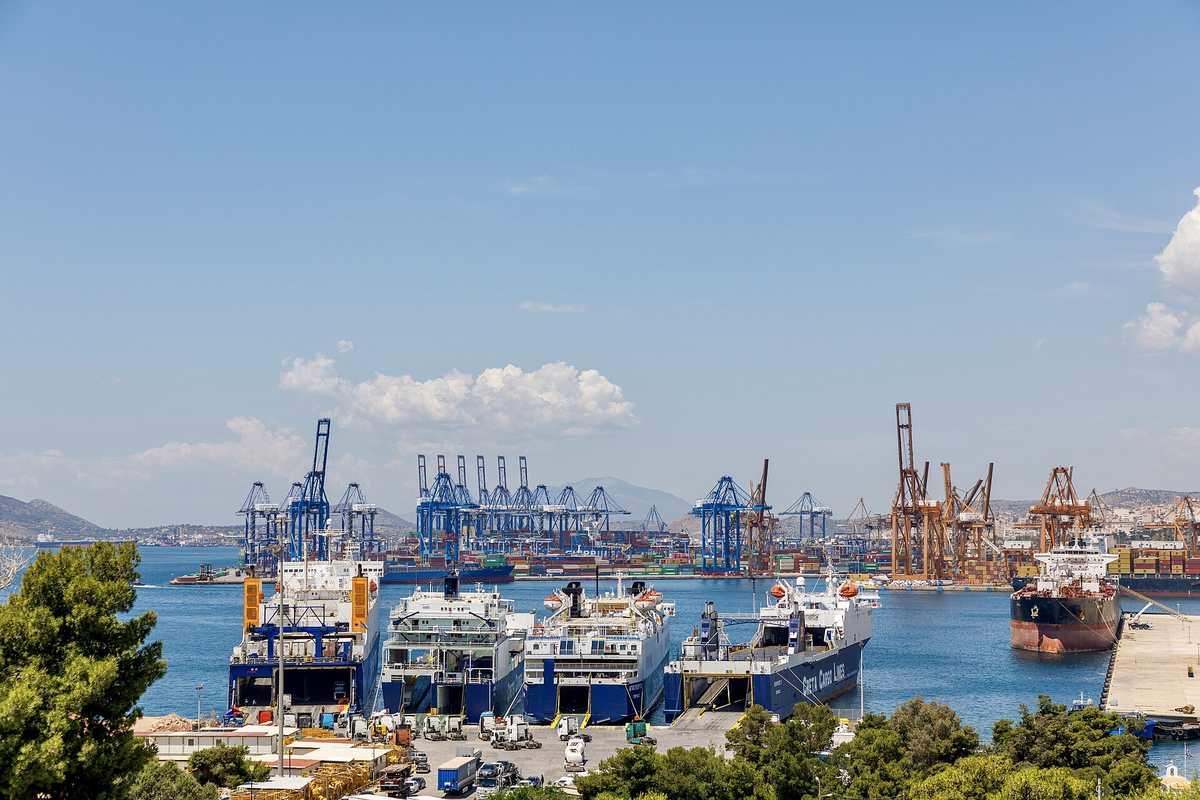
Piraeus is the great port of Athens and one of the busiest in Europe, the main gateway to the Greek islands by ferry, with the scenic Kastella hill, pretty marinas and a fine archaeological museum. Plan your island-hopping and city days around it with skip-the-line tickets and tours from My Greece Tours. Plan the whole trip with Greece Tours.
The port is the launchpad for any island adventure in the Athens travel guide. The sections below cover what it is, the ferries, getting there, what to do, Kastella and the marinas, the cruise port, where to stay and eat, and practical tips.
What is Piraeus in Athens?
Piraeus serves as the principal port of Athens and the largest harbour in Greece, ranking among the busiest passenger terminals in Europe with over 20 million travellers a year. It lies 10 kilometres south-west of central Athens and is the gateway for island ferries.
For most visitors to Greece, Piraeus is the place where an island adventure begins. It is far more than a ferry terminal. The port sits around ten kilometres south-west of the Athens centre, with which it has merged into one continuous urban area. It is the largest harbour in the country and among the busiest passenger terminals in Europe, handling upwards of twenty million passengers a year. From its numbered gates depart the ferries that connect Athens to nearly every Greek island group: the nearby Saronic islands, the Cyclades, the great island of Crete, and the more distant Dodecanese and North Aegean chains.
Piraeus is also a substantial city in its own right. Its history reaches back to antiquity, when it served as the naval base of ancient Athens. Today it holds lively neighbourhoods, elegant marinas, a hilltop quarter with sea views, museums, theatres and a busy waterfront life beyond the commercial harbour. Understanding the port helps any island trip run smoothly. It is the starting point for islands like those in the Hydra day trip guide. Its ferries are the main reason most visitors come.
How far is Piraeus from Athens?
Piraeus sits about 10 kilometres south-west of central Athens, roughly a 20-minute metro ride from Monastiraki on line 1. The port and the city have grown into one continuous urban area, so the boundary between them is not obvious to visitors.
The short distance is one reason island-hopping from Athens is so easy. Central landmarks such as the Acropolis and Syntagma Square lie around ten kilometres from the main harbour, and the trip by metro takes about twenty minutes with no traffic to worry about. By car or taxi the same journey ranges from twenty to forty minutes, depending on the time of day, because road traffic through the western suburbs can be heavy at peak hours. The metro therefore stays the fastest and most reliable link between the two. For a wider view of distances and routes across the capital, the getting around Athens guide sets out the full network.
Where do ferries from Piraeus go?
Ferries from Piraeus serve almost all the Greek islands: the Saronic group, the Cyclades, the island of Crete, plus the Dodecanese and North Aegean. Different island groups leave from different numbered gates around the harbour, so check your gate before you arrive.
The great appeal of Piraeus is the reach of its ferry network, which links Athens to the vast majority of inhabited Greek islands. The nearby Saronic islands, including Aegina, Poros, Hydra and Spetses, are served by frequent fast and conventional boats ideal for day trips. The Cyclades, among them Mykonos, Santorini, Naxos, Paros, Milos, Ios, Syros and Tinos, are reached by a mix of large car ferries and high-speed catamarans. A string of daily crossings serves the great island of Crete, with boats sailing to Heraklion, Chania and Rethymno. Further routes reach the Dodecanese chain and the North Aegean. In all, Piraeus holds direct ferry connections to more than seventy Greek ports.
The harbour is so large that the different island groups depart from separate numbered gates, often a considerable walk apart. Knowing your gate number, usually printed on your ticket, before you arrive is therefore essential, and you should allow twenty minutes to spare. Free shuttle buses circulate within the port to help passengers reach the more distant gates. Fast ferries cost more and sail quicker, while conventional ferries are cheaper and carry vehicles. Booking ahead is wise in the busy summer months. The Saronic options are detailed in the Poros day trip guide. Reaching the port is easy.
How do you buy ferry tickets and read the schedule?
Ferry tickets from Piraeus are sold online, at port agencies and at ticket machines, and can be booked weeks ahead for summer sailings. Schedules list the departure time, gate and ferry company, so match your ticket to the gate number and the printed departure time.
Buying tickets in advance is the surest way to secure a place, especially on popular Cyclades routes in July and August, when fast boats sell out. Online booking lets you choose between economy seats, numbered airline-style seats and cabins on the longer overnight crossings to Crete and the Dodecanese. Each ticket names the ferry company, the sailing time and the departure gate, and you should read all three carefully.
Schedules change with the seasons. Sailings run most frequently from late spring to early autumn and thin out in winter, when island routes can drop to two or three boats a week. Confirm the current timetable close to your travel date, as weather can also cause changes. Arriving at the gate at least an hour before departure gives time to board without stress.
How do you get to Piraeus?
The easiest way to reach Piraeus is the metro. Line 1 runs from central Athens in about 20 minutes, while line 3 connects directly from the airport in around 60 minutes, arriving by gate E6. Buses and taxis also serve the port.
Getting to Piraeus from Athens or the airport is straightforward thanks to good public transport, which is the recommended way to avoid traffic and parking problems. The simplest option from central Athens is metro line 1, the green line, which runs directly from stations including Monastiraki and Thissio down to the Piraeus terminus in around twenty minutes. Departures leave every ten to fifteen minutes, and the station sits right by the main harbour. From the airport, the extended metro line 3, the blue line, now runs all the way to Piraeus in about an hour with no change. It arrives opposite gate E6, a great help for travellers heading straight to a ferry on arrival.
The suburban railway and city buses also connect the port to the city and airport, and taxis or ride-hailing offer a door-to-door alternative, though they are subject to traffic. Once you reach the port, allow extra time to find and walk to your specific ferry gate. The harbour is very large and a number of gates sit a fair distance from the metro, while free shuttle buses help with the longer stretches. Arriving at least an hour before departure is sensible in summer. The wider network is explained in the Athens airport to city centre guide. Beyond the ferries, Piraeus rewards exploration.
What can you do in Piraeus?
Beyond catching a ferry, in Piraeus you can explore the scenic Kastella hill, stroll the Mikrolimano and Marina Zeas harbours lined with tavernas and yachts, visit the Archaeological Museum of Piraeus, and enjoy the waterfront and local food scene.
Travellers who pass straight through Piraeus to their ferry miss a great deal, because the port-city rewards two or three spare hours or a full day. The most beautiful area is the hilltop neighbourhood of Kastella, also called Profitis Ilias, a short distance from the main harbour. Elegant nineteenth-century mansions and winding streets climb to a summit with sweeping views across the Saronic Gulf, a peaceful contrast to the bustle of the commercial port. Below it lie two of the most charming corners of Piraeus, the small harbours of Mikrolimano and Marina Zeas. Both are ringed by fish tavernas, cafés and bars and filled with fishing caïques and gleaming yachts, ideal for a seaside meal or a relaxed stroll.
Culture lovers should not miss the Archaeological Museum of Piraeus, a short walk from the port. This compact gem displays finds from the Bronze Age to Roman times discovered in and around the city, including magnificent ancient bronze statues such as the famous Piraeus Kouros. The handsome Municipal Theatre, the long waterfront and a genuine, unpolished local atmosphere complete the picture. There is more here than first meets the eye. The bronzes complement the collections of the National Archaeological Museum. The hill and harbours are the highlights.
What are Kastella and the marinas like?
Kastella is the most scenic neighbourhood of Piraeus, a hill of neoclassical mansions and stepped lanes crowned by the church of Profitis Ilias and the open-air Veakeio Theatre. Below it, Mikrolimano and Marina Zeas are pretty yacht harbours lined with seafood tavernas and cafés.
The loveliest side of Piraeus is found around the Kastella hill and the elegant marinas at its foot, an area that feels worlds away from the industrial container terminals. Kastella rises above the sea just east of the main port. It is a desirable residential quarter of grand nineteenth-century neoclassical mansions, bougainvillea-draped lanes and steep stepped streets climbing to the hilltop church of Profitis Ilias. Beside the church, the open-air Veakeio Theatre stages summer performances against a backdrop of the glittering gulf. The views from the top stretch across the sea to the islands and back over the sprawl of Athens, and they are superb, especially at sunset.
At the base of the hill curves Mikrolimano, a postcard-pretty horseshoe harbour packed with fishing boats and yachts. It is ringed by the best fish tavernas in the Athens area, a classic spot for a long seafood lunch by the water. Nearby Marina Zeas, the largest yacht marina, offers a smarter waterfront of cafés, bars and restaurants with a relaxed, affluent air. Together these make the eastern side of Piraeus a genuinely delightful place to wander, dine and watch the boats. The seaside setting recalls the Athens Riviera beaches. The food here is a highlight in itself.
What is the Piraeus cruise port like?
The Piraeus cruise port sits on the western side of the main harbour, with piers handling large cruise ships. It offers passenger terminals, taxis, a metro shuttle and organised shore excursions into Athens, a common start or end point for eastern Mediterranean cruises.
Piraeus is one of the leading cruise ports in the Mediterranean, and voyages around the Greek islands and the Aegean begin or end here. Cruise ships dock at dedicated piers on the western side of the harbour, a short distance from the ferry gates and the metro. Each pier has passenger facilities, and taxis wait outside the terminals for the ten-kilometre run into central Athens. Shore excursions typically head straight for the Acropolis, the ancient sites and the museums, since the city centre lies close by. Cruise passengers with a full day in port can combine a morning at the Acropolis with an afternoon in Piraeus itself, seeing Kastella and the marinas before returning to the ship. These city sights appear in the Athens travel guide.
Where do you stay and park near Piraeus?
Hotels near Piraeus range from waterfront rooms by the marinas to business hotels around the main harbour, handy for early ferries. Paid garages and open-air car parks serve drivers leaving a car during an island trip, so book parking in advance.
Staying near the port suits travellers with an early-morning sailing or a late arrival, since it removes the risk of missing a boat because of city traffic. Comfortable hotels cluster around the main harbour and near the metro, while smarter options sit by Marina Zeas and the Kastella waterfront, trading a short taxi ride for sea views and quieter streets.
Drivers who plan to island-hop and leave a car behind can use the paid parking garages and open-air car parks around the port. Spaces fill quickly in the peak summer weeks, so reserving a spot ahead of time is wise, and long-stay rates are worth checking for trips of three days or more. For visitors continuing to the airport afterwards, the metro link from Piraeus makes the return simple. Booking accommodation early secures the best positions near the water.
Where do you eat in Piraeus, and what tips help?
Piraeus is famous for fresh seafood, best enjoyed at the tavernas around Mikrolimano and Marina Zeas, with classic ouzeri in the back streets. Know your gate number, arrive early, use the metro to avoid traffic, and allow time to walk between gates.
Eating well is one of the pleasures of Piraeus, a city long associated with the sea and its bounty. The port is renowned above all for fresh fish and seafood, and the finest place to enjoy it is among the tavernas that line the harbours of Mikrolimano and Marina Zeas, where you can choose your fish, watch the boats and dine by the water. Away from the marinas, the back streets of the port and its neighbourhoods hide excellent traditional ouzeri and mezedopoleia. These serve plates of grilled octopus, fried small fish, salads and meze with ouzo or tsipouro, often at fairer prices than the waterfront.
Five practical tips make a visit smoother. Always know your ferry’s gate number in advance, as the harbour is huge and gates are far apart. Use the metro rather than a car to avoid traffic and parking headaches. Arrive at the port well before departure, at least an hour in summer, and allow time to walk or shuttle to your gate. If your ferry leaves later in the day, fill the spare time with a meal or a stroll in scenic Kastella or by the marinas. With a little planning, Piraeus is easy and enjoyable. The wider transport picture appears in the getting around Athens guide. The questions below cover the points visitors ask most.
Frequently Asked Questions
How do you get from Athens to Piraeus port?
The easiest way is the metro: line 1 runs from central Athens, including Monastiraki and Thissio, to Piraeus in about 20 minutes, while line 3 connects directly from the airport in around 60 minutes, arriving near gate E6. Buses, the suburban railway and taxis also serve the port, though the metro avoids traffic.
Which islands can you reach from Piraeus?
From Piraeus you can reach almost all the Greek islands by ferry, including the Saronic islands (Aegina, Poros, Hydra), the Cyclades (Mykonos, Santorini, Naxos, Paros and more), Crete (Heraklion, Chania, Rethymno), and the Dodecanese and North Aegean. Different island groups depart from different numbered gates around the harbour.
Is Piraeus worth visiting beyond the ferry?
Yes, Piraeus is worth exploring beyond the port, especially the scenic Kastella hill with its mansions and sea views, the Mikrolimano and Marina Zeas harbours lined with seafood tavernas, and the Archaeological Museum of Piraeus with its ancient bronze statues. It makes a rewarding half-day away from central Athens.
How far in advance should you book a ferry from Piraeus?
For summer sailings to popular islands such as Santorini and Mykonos, book three to four weeks ahead, since fast boats sell out. On quieter routes and outside the peak season two or three days is usually enough. Always check the current schedule close to your travel date, as departures and gates can change with the season and the weather.