
Athens in spring is glorious: mild sunny days, wildflowers blooming across the ancient sites, Greek Orthodox Easter celebrations and the month-long city festival make March to May the best time to visit. Explore the comfortable weather with skip-the-line Acropolis tickets and tours from My Greece Tours.
This rewarding shoulder season is fully covered in the Athens travel guide. The sections below cover the spring weather month by month, the wildflowers, Greek Easter, the city festival and events, sightseeing and day trips, and whether spring suits you.
What is the weather like in Athens in spring?
Spring in Athens brings mild, increasingly sunny weather ideal for sightseeing. Early spring stays fresh with occasional rain, then the season turns comfortably warm and finishes reliably hot with long sunny days. These temperatures make exploring the ancient sites a pleasure.
Spring ranks among the very best times to visit Athens, and the weather is the main reason. The season offers a clear progression from fresh early-season days to warm, sun-filled late-spring ones, all without the punishing heat of summer. In March the city shakes off winter. Average daytime temperatures sit around fifteen to eighteen degrees Celsius, generally pleasant and often sunny, though showers and the occasional cooler day still call for a light jacket. April is when spring truly arrives. Temperatures climb into a comfortable range of around eighteen to twenty-two degrees, the days lengthen and brighten, and the city looks its loveliest.
By late spring the weather is reliably warm and summery. Highs reach roughly twenty-two to twenty-six degrees, the days are long and sunny, rain is rare, and the sea begins to warm enough for the hardy to swim. Across the season the moderate temperatures are perfect for walking the open archaeological sites, climbing the hills and exploring on foot without the exhaustion of summer heat or the queues. The mild air is a gift to visitors. Nature responds with a spectacular display.
What are the wildflowers and landscape like?
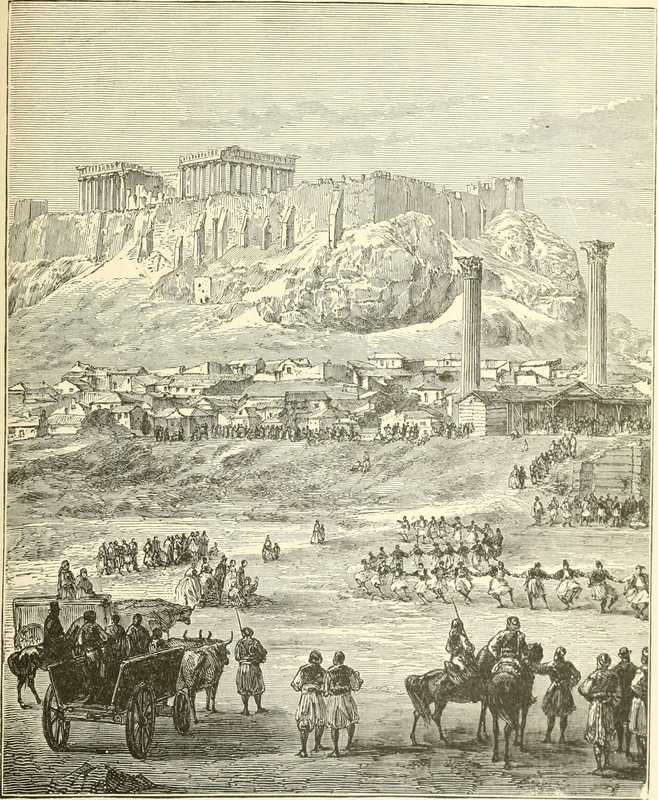
Spring turns Athens and its surroundings into a carpet of wildflowers. Red poppies, daisies and chamomile appear among the ruins, while the mountains and countryside turn lush and green. The Acropolis slopes, Filopappos Hill and the parks look especially beautiful.
One of the most striking aspects of Athens in spring is the way the natural world bursts into life, draping even the ancient stones in colour and softening the city’s stony summer face. From early March onward, the winter rains give way to sun and wildflowers erupt across the landscape. Scarlet poppies, white and yellow daisies, fragrant wild chamomile and a host of other blooms spring up among the ruins and along the paths of the archaeological sites. The slopes of the Acropolis, the Ancient Agora, Filopappos Hill and the Kerameikos cemetery are framed and dotted with flowers, a sight that delights photographers and adds romance to every visit.
Beyond the city, the hills and mountains ringing Athens, Hymettus, Penteli and Parnitha, turn green and lush. The wider Attic countryside and the islands reach their most verdant and beautiful before the summer sun bleaches them golden. The air is fresh and often scented with herbs and blossom, and the famously clear spring light is superb for sightseeing. This combination of mild weather and natural beauty makes spring the most photogenic season of all in Athens. The city feels alive and renewed. Spring is also the time of Greece’s greatest celebration.
What is Greek Easter like in Athens?
Greek Orthodox Easter is the most important celebration in Greece. Holy Week brings solemn services and candlelit processions. Holy Saturday closes with a midnight resurrection service, fireworks and candles, and Easter Sunday centres on feasting and roast lamb.
A spring visit to Athens that coincides with Greek Orthodox Easter delivers the most important and deeply felt celebration in the entire Greek calendar, a moving cultural experience quite unlike the secular Easter of the West. The date of Orthodox Easter varies each year and often differs from the Western date, falling in April or early May. The celebrations unfold over the whole of Holy Week leading up to it. During this week the city’s mood turns solemn and reverent. Churches hold daily services and their bells toll, and on Good Friday evening candlelit processions follow flower-decked biers, the Epitaphios, through the streets in a beautiful and sombre ritual.
The emotional climax comes at the midnight service of Holy Saturday. In churches and squares across the city the lights are extinguished, and then the holy flame is passed from candle to candle through the crowd as the priest proclaims the resurrection. The darkness erupts into a sea of flickering candlelight, ringing bells and bursting fireworks. Easter Sunday is then given over to joyful feasting, above all the traditional roasting of whole lambs on the spit, shared with family and friends. To experience even part of this is unforgettable. It is the soul of Greek spring. Beyond Easter, the season offers a lively programme.
What festivals and events happen in spring?
Spring in Athens is full of events. The pre-Lenten carnival, Apokries, brings costumes and festivities. Clean Monday launches Lent with kite-flying and picnics. The final spring month hosts the huge This is Athens City Festival, and Protomagia celebrates the season with flowers.
Beyond the great observance of Easter, the Athenian spring is studded with festivals and traditions that fill the season with colour and life, reflecting the Greek love of celebrating outdoors as the weather warms. The season opens in the weeks before Lent with Apokries, the Greek carnival, a period of merrymaking, costumes, masquerade parties and festivities that runs through February into early March. Lent then begins with Clean Monday, Kathara Deftera. This public holiday is marked by a nationwide custom of flying kites, picnicking outdoors and eating special Lenten foods, when families head to the hills and parks of Athens with their kites filling the sky.
The city’s cultural life blossoms through the season and culminates late in spring with the This is Athens City Festival. The capital’s largest yearly cultural programme fills the whole month with hundreds of events, from concerts and exhibitions to guided walks and street performances across many neighbourhoods. Protomagia, the first-of-the-month spring holiday, celebrates the return of the season with flowers, wreaths and excursions to the countryside. Together these events mean a spring visitor almost always finds something joyful happening. The city is at its most festive and welcoming. The mild weather is perfect for seeing the sights and venturing out.
How is sightseeing and day-tripping in spring?
Spring is excellent for sightseeing and day trips, with mild temperatures, clear skies, fewer crowds and longer daylight. The Acropolis and outdoor sites feel comfortable, and the green countryside makes day trips to Delphi, Sounion and Nafplio especially beautiful.
For active sightseeing and excursions, spring is the finest season of all in Athens, combining ideal walking weather with thinner crowds and a countryside at its most beautiful. The mild temperatures and the clear, bright skies make exploring the exposed archaeological sites a genuine pleasure rather than the endurance test of high summer. You can wander the Acropolis, the Ancient Agora and the hills at a relaxed pace, and the lengthening days give you more daylight hours for sightseeing. Outside the Easter peak, spring is far less crowded than the summer months, meaning shorter queues at the major attractions and a calmer atmosphere across the city.
The season is also superb for day trips out of Athens. The green, wildflower-strewn landscape makes excursions to the ancient site of Delphi, the clifftop Temple of Poseidon at Cape Sounion, the romantic town of Nafplio and the nearby islands particularly scenic. The countryside stays lush before the summer heat dries it out. Ferry crossings to the Saronic islands of Aegina, Hydra and Poros are calm and pleasant in spring, and the Argolid sites of Mycenae and Epidaurus reward a full day out from the capital.
The one caveat is the sea. It remains cool for swimming in March and April and warms only gradually toward late May, so spring is more a season for exploring than for beach days. For walkers, history lovers and day-trippers, it is close to perfect. Day-trip ideas abound in the day trips from Athens guide. Whether spring suits you is easy to judge.
Is spring a good time to visit Athens?
Yes, spring is the best time to visit Athens. The mild weather suits sightseeing, the wildflowers are beautiful, crowds are thinner than in summer, and Greek Easter is unforgettable. The main trade-offs are cooler seas and unsettled early-spring weather.
Weighing everything up, spring stands out as the single best time of year to visit Athens, thanks to a near-ideal combination of advantages. The weather is the great draw. It is mild, sunny and comfortable, perfect for exploring the ancient sites and hills on foot without the exhausting heat of summer, while the city and countryside are at their most beautiful, carpeted in wildflowers and lush greenery under crystal-clear skies. The crowds, outside the busy Easter period, are notably thinner than in peak summer, so you enjoy shorter queues and a more relaxed pace. Prices for flights and hotels tend to be gentler too.
Add the chance to experience the deeply moving traditions of Greek Easter and the lively spring festival calendar, and the case for spring is compelling. The only real trade-offs are the sea, which stays cool for swimming until late in the season and makes spring less suited to a beach-focused holiday, and the early-March weather, which turns unsettled or rainy on some days. For a trip centred on culture, history, walking, day trips and atmosphere, spring in Athens is close to perfect. It rewards almost every type of visitor. The questions below cover the points visitors ask most.
How do crowds and costs compare in spring?
Spring sits between the winter low and the summer peak on crowds and price. Early spring stays quiet and affordable, Easter week spikes demand and rates, and late spring grows busier as summer approaches. Booking ahead secures the best value.
Spring is a shoulder season, so crowds and costs land comfortably below the July-and-August peak for most of March, April and May. Early spring is the quietest and cheapest window. Flights and hotel rooms cost noticeably less than in high summer, the major sites feel uncrowded on weekday mornings, and tables at popular tavernas need no advance planning. Prices and visitor numbers climb steadily as the season warms and the days lengthen.
Greek Orthodox Easter is the one clear exception. Demand for flights, ferries and hotels rises sharply in the week around Easter, when Greeks travel to their home villages and many international visitors arrive for the celebrations. Book accommodation and any Easter-week tours well ahead, and expect the city to empty slightly on Easter Sunday itself as families gather for the traditional lamb feast. Outside that window, spring offers strong value, and reserving your Acropolis tickets and day trips in advance still smooths the experience and locks in preferred times.
What do you pack for Athens in spring?
Pack layers for Athens in spring. Bring light clothing for warm afternoons, a jacket for cooler evenings, and comfortable walking shoes for the sites and hills. Add sunglasses, sunscreen, a hat, and a light raincoat for early-spring showers.
Spring weather shifts through the season, so layered clothing serves you best. Warm afternoons call for light shirts and trousers, while cooler mornings and evenings, especially in March, reward a sweater or light jacket. The archaeological sites and hills involve a lot of walking on uneven marble and stone, so sturdy, broken-in walking shoes matter more than any other single item.
The spring sun strengthens quickly, particularly across the shadeless ruins of the Acropolis and the Ancient Agora, so sunglasses, sunscreen and a brimmed hat belong in every day bag. A compact, foldable raincoat or a small umbrella handles the occasional shower of early spring. A refillable water bottle helps on long sightseeing days, and swimwear is worth packing only for a late-spring trip, when the sea finally warms enough for a brief dip. This packing approach keeps you comfortable across the full March-to-May range.
Frequently Asked Questions
Is spring a good time to visit Athens?
Yes, spring is the best time to visit Athens. From March to May the weather is mild and sunny, ideal for sightseeing, the ancient sites are framed by wildflowers, the countryside is green, and the crowds are smaller than in summer. Greek Easter adds an unforgettable cultural highlight. The main downside is that the sea stays cool for swimming.
When is Greek Easter in Athens?
Greek Orthodox Easter usually falls in April or early May, though the date varies each year and often differs from Western Easter. It is the most important celebration in Greece, with a solemn Holy Week of services and candlelit processions, a midnight resurrection service on Holy Saturday with fireworks, and joyful feasting on roast lamb on Easter Sunday.
Which spring month is best for visiting Athens?
April is often the sweet spot, with warm days of eighteen to twenty-two degrees, wildflowers at their peak and, in most years, Greek Easter. March suits travellers who want the quietest sites and lowest prices, though it carries a higher chance of rain. May brings the warmest, most reliable weather and the This is Athens City Festival, at the cost of gradually rising crowds and rates.
Can you swim in the sea near Athens in spring?
Swimming is possible only late in the season. In March and April the sea off the Athens Riviera and the Saronic islands stays cool, around sixteen to eighteen degrees, comfortable for a quick dip only for the hardy. By late May the water warms toward twenty degrees and beach days become pleasant. For a swimming-focused trip, early summer suits better than spring.