
Ano Mera is Mykonos’s only significant inland village, an authentic, traditional spot 8 kilometres from town, built around the historic 16th-century Panagia Tourliani monastery, with tavernas around a quiet square. This guide covers what Ano Mera is like, the monastery, its architecture and museum, what else to do, why to visit, how to get there and tips.
Ano Mera offers a calm, authentic counterpoint to glamorous Chora within the Mykonos travel guide. The sections below cover the village in full.
What is Ano Mera like?
Ano Mera is Mykonos’s only significant inland village, a traditional, authentic settlement about 8 kilometres east of Mykonos Town, built around a quiet central square and the historic Panagia Tourliani monastery. Far from the glamour and crowds of the coast, it offers genuine village life, tavernas and a relaxed, local atmosphere.
Ano Mera is the heart of inland Mykonos and the island’s only real village away from the coast, lying about 8 kilometres east of Chora in the centre of the island. It is a complete contrast to the glamorous, crowded resort areas and the chic old town: here you find authentic, traditional village life, centred on a peaceful main square framed by the imposing Panagia Tourliani monastery, with tavernas, cafes and shops where locals gather and the pace is slow. There are no big beaches, beach clubs or nightlife, just a genuine, lived-in Mykonian community going about its day. For visitors, Ano Mera is the place to glimpse the island’s quieter, more traditional side, to eat well at a fraction of the coastal prices, and to visit one of its most important historic sights, all in a calm, unhurried setting, set within the wider list of things to do in Mykonos. Its great landmark is the monastery.
What is the Panagia Tourliani monastery?
The Panagia Tourliani monastery is Ano Mera’s centrepiece and one of Mykonos’s most important sights, a fortified 16th-century monastery founded in 1542 and dedicated to the Virgin Mary. The patron of the island, it has a towering marble bell tower, an ornate interior and a small museum, and celebrates its feast on 15 August.
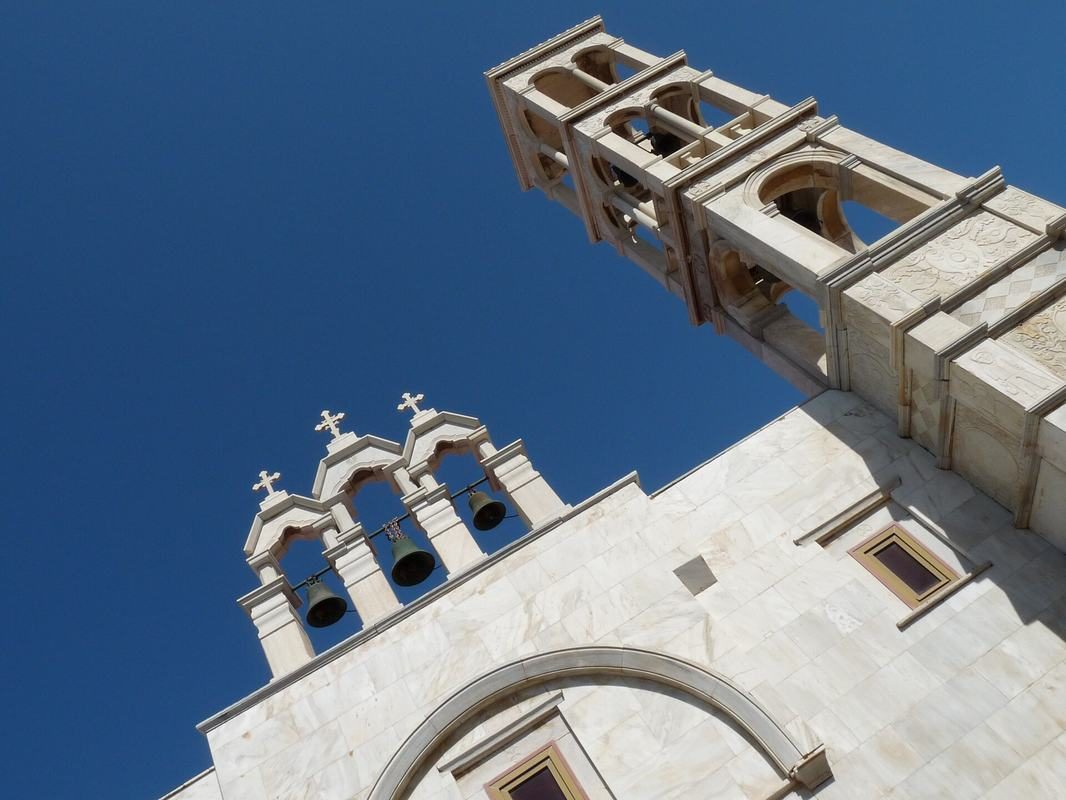
The monastery of Panagia Tourliani sits at the very centre of Ano Mera and is the village’s reason for fame. Founded in 1542 by two priests and dedicated to the Presentation of the Virgin Mary, it was restored in 1767 and takes its present name from an icon of the Virgin found in the nearby area of Tourlos. Panagia Tourliani is the patron, or tutelary, of the whole island, deeply revered by Mykonians, and it celebrates its great feast day on 15 August, the Dormition of the Virgin, with a major local festival. The monastery has the fortified, defensive form typical of Cycladic monasteries built in an age of pirate raids, and its most striking external feature is a towering, intricately carved marble bell tower rising above the white walls. It is both an active place of worship and a fascinating monument, well worth the short trip inland, set out alongside the guide to Mykonos Town. Its interior is richly decorated.
What can you see inside the monastery?
Inside the monastery you can see an impressive carved wooden iconostasis made in 1775 by Florentine artists, a three-aisled Byzantine church with a dome, and a small museum displaying vestments, Byzantine and Renaissance icons, the first bells and ecclesiastical treasures. A marble fountain sits in the peaceful courtyard outside.
The interior of Panagia Tourliani rewards a visit as much as its exterior. The katholikon, or main church, is a three-aisled cruciform Byzantine church crowned with a dome, its central aisle dedicated to the Dormition of the Virgin and the side aisles to the Nativity of the Virgin and to Saint Ignatius. Its great treasure is the magnificent carved wooden iconostasis, or altar screen, carved in 1775 by Florentine craftsmen, an intricate masterpiece of woodcarving. A small museum operating within the monastery displays an interesting collection of religious exhibits, including embroidered vestments, Byzantine and Renaissance icons, the monastery’s first bells and other ecclesiastical gems, giving a sense of its long history. Outside, the tranquil courtyard, with its beautiful marble fountain and the shade of the surrounding buildings, is a peaceful place to pause. Together the church, the iconostasis, the museum and the courtyard make the monastery a genuinely rewarding cultural stop, set out alongside the guide to the island’s heritage. There is more to the village.
What else is there to do in Ano Mera?
Beyond the monastery, Ano Mera has a relaxed central square lined with traditional tavernas and cafes serving authentic, well-priced Greek food, plus small churches and a genuine village atmosphere. It is also close to the south-east beaches of Kalo Livadi, Elia and Kalafatis, so it pairs well with a beach day.
Ano Mera is a place to slow down and soak up authentic island life rather than to tick off a long list of sights, and its chief pleasure beyond the monastery is its atmosphere. The main square, in front of the monastery, is shaded and lined with traditional tavernas and cafes where locals and in-the-know visitors linger over grilled meats, home-cooked dishes and the island’s cheeses and cured meats at far gentler prices than the coast, especially lovely in the evening when the square comes alive. Small whitewashed churches dot the village, and wandering its quiet lanes gives a real sense of everyday Mykonos. Ano Mera also makes a handy inland base for the nearby south-east beaches: the long sands of Kalo Livadi and Elia and the windsurfing bay of Kalafatis are all a short drive away, so a visit to the village pairs perfectly with a relaxed beach day, set out alongside the guides to restaurants and Elia beach. Why visit is clear.
Why should you visit Ano Mera?
You should visit Ano Mera to experience the authentic, traditional side of Mykonos away from the glamour and crowds, to see the important Panagia Tourliani monastery, and to eat genuine Greek food at local prices. It offers a calm, cultural and affordable contrast to Chora and the resort beaches.
Ano Mera is well worth a visit for travellers who want to see beyond the glamorous, party-and-beach image of Mykonos. It offers a glimpse of the island’s real, traditional character, a working village where life carries on much as it always has, far from the designer boutiques, beach clubs and crowds of the coast. The historic Panagia Tourliani monastery is a genuinely important and beautiful sight, giving cultural and spiritual depth to a Mykonos trip, while the tavernas around the square serve some of the most authentic and best-value food on the island, a welcome change from the high coastal prices. The calm, unhurried atmosphere is a restful contrast to the busy resorts. A visit to Ano Mera, easily combined with a nearby beach, rounds out a Mykonos holiday with a taste of the island’s heritage and everyday life, the side many visitors never see, set out alongside the guide to a Mykonos itinerary. Getting there is easy.
How do you get to Ano Mera and what tips help?
You reach Ano Mera in about 15 minutes from Mykonos Town, 8 kilometres away, by KTEL bus from the old port, by taxi or by car. Allow about an hour or two to see the monastery, its museum and the square, dress modestly with shoulders and knees covered for the monastery, and pair the visit with a nearby beach.
Ano Mera is simple to reach and visit. Lying 8 kilometres east of Chora in the centre of the island, it is about a 15-minute drive away, reached by KTEL bus from the old port in Mykonos Town, with the village square a few minutes’ walk from the stop, or by taxi or hire car, which also lets you combine it with the nearby beaches. Most visitors find an hour to an hour and a half enough to explore the monastery grounds, see the museum and the carved bell tower, take photos in the courtyard and have a coffee or meal in the square, though lingering longer over lunch or dinner is a pleasure. As the monastery is an active place of worship, dress modestly, covering shoulders and knees; wraps are sometimes available at the entrance, but bringing your own is more reliable, and avoid flash photography or loud talk inside the church. Pairing Ano Mera with a relaxed afternoon at Kalo Livadi or Elia makes a perfect day, set out alongside the guides to getting around Mykonos and the best time to visit. One more point is worth knowing.
Where do you eat in Ano Mera?
You eat in Ano Mera at the traditional tavernas around the central square, in front of the monastery, which serve authentic Greek and Mykonian food, grilled meats, home-cooked dishes and the island’s cheeses and cured meats, at far gentler prices than the coast. It is one of the best spots for genuine, affordable local food.
One of the great pleasures of Ano Mera is its food, and the village is rightly known as one of the best places on Mykonos for authentic, affordable Greek cooking. The shaded central square, framed by the Panagia Tourliani monastery, is lined with traditional tavernas where locals and visitors gather to eat, especially lovely in the evening when the square comes alive. Here you can enjoy grilled meats and souvlaki, slow-cooked stews and home-style dishes, fresh salads, and the island’s own specialities, the pungent kopanisti cheese, the cured louza, local sausages and the mostra rusk, all at prices well below those of the glamorous coastal and town restaurants. Eating in Ano Mera is as much about the relaxed, local atmosphere as the food, a genuine taste of village life. It is the perfect place to pause for a long lunch or dinner around a visit to the monastery, set out alongside the guide to Mykonos food.
Is Ano Mera worth visiting?
Ano Mera is worth visiting for travellers who want to see the authentic, traditional side of Mykonos beyond the glamour, to experience the important Panagia Tourliani monastery, and to eat genuine Greek food at local prices. It is a short, easy trip that adds cultural depth and a calm contrast to a Mykonos holiday.
Ano Mera is well worth the short trip inland, especially for visitors who want their Mykonos holiday to include more than beaches, glamour and nightlife. It offers a rare chance to experience the island’s real, traditional character, a genuine working village where life goes on much as it always has, far from the designer boutiques and beach clubs of the coast. The historic Panagia Tourliani monastery, with its carved marble bell tower, ornate iconostasis and small museum, is a genuinely important and beautiful sight that gives cultural and spiritual depth to a trip, while the tavernas around the square serve some of the most authentic and best-value food on the island. The calm, unhurried atmosphere is a restful contrast to the busy resorts, and the village pairs easily with a relaxed day at the nearby south-east beaches. For all these reasons, a visit to Ano Mera rounds out a Mykonos holiday with a welcome taste of the island’s heritage and everyday life, set out alongside the guide to things to do in Mykonos. The questions below cover the points travellers ask most.
Frequently Asked Questions
What is Ano Mera in Mykonos?
Ano Mera is Mykonos’s only significant inland village, a traditional, authentic settlement about 8 kilometres east of Mykonos Town, built around a quiet central square and the historic Panagia Tourliani monastery. Far from the glamour and crowds, it offers genuine village life and tavernas.
What is the Panagia Tourliani monastery?
The Panagia Tourliani monastery is Ano Mera’s centrepiece, a fortified 16th-century monastery founded in 1542 and dedicated to the Virgin Mary, the patron of Mykonos. It has a towering carved marble bell tower, an ornate wooden iconostasis, a small museum and celebrates its feast on 15 August.
How do you get to Ano Mera?
You reach Ano Mera in about 15 minutes from Mykonos Town, 8 kilometres away, by KTEL bus from the old port, by taxi or by car. Allow an hour or two for the monastery, museum and square, dress modestly for the monastery, and pair the visit with a nearby beach like Kalo Livadi or Elia.