
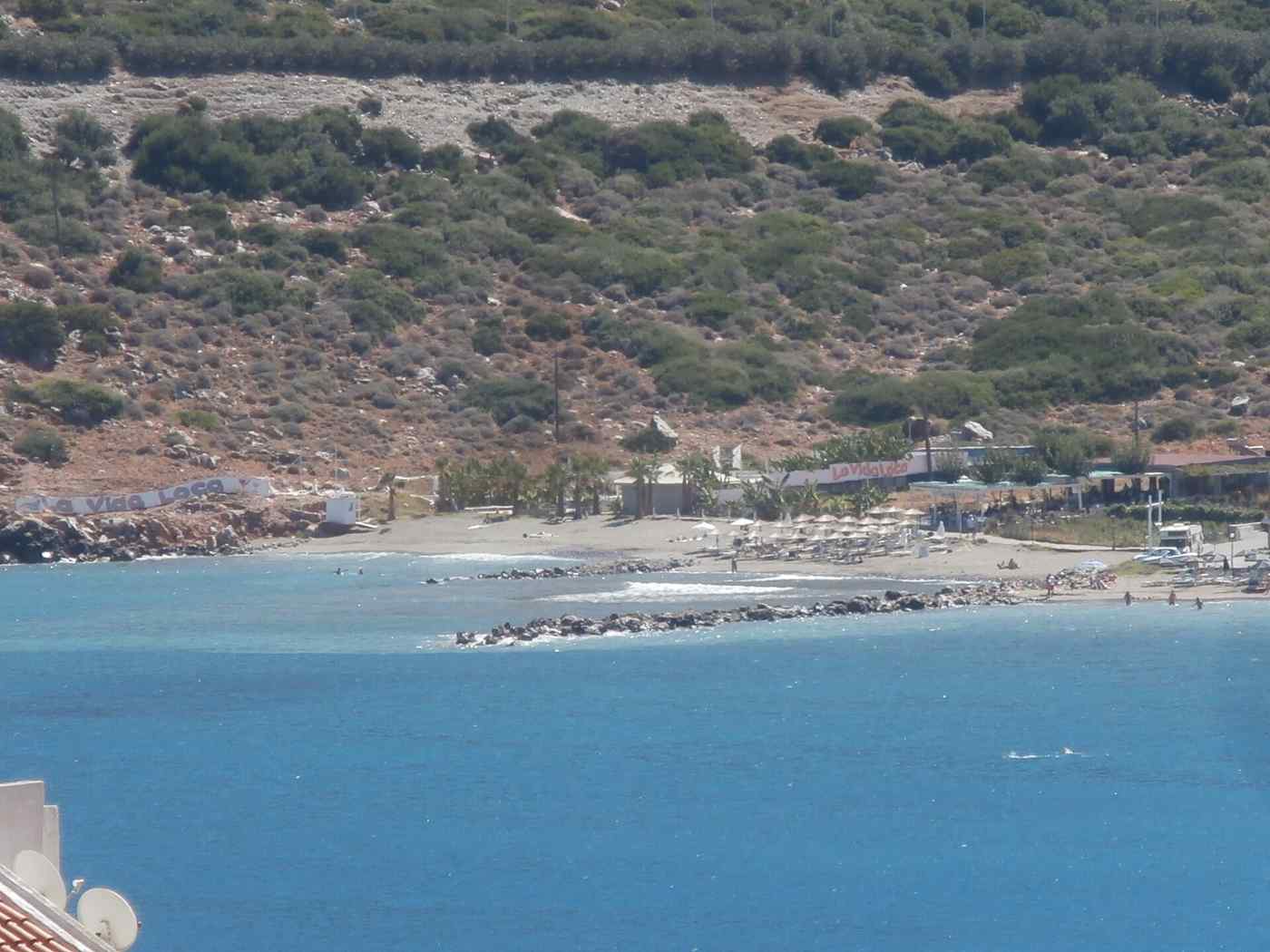
Bali sits tucked into the north coast of Crete, midway between Rethymno and Heraklion in the Rethymno region. This small resort spreads across hillsides above a working fishing harbour, built around sheltered coves and sandy beaches that include Livadi, Varkotopos, Karavostasi and Evita. The calm, shallow water and low-rise development create a relaxed atmosphere that appeals to families and snorkellers seeking a quieter alternative to the larger coastal centres. Tavernas line the harbour, coves lie within walking distance of each other, and the village serves as an easy-going base for exploring the surrounding coastline with My Greece Tours.
The village retains a traditional pace despite its tourism role, with fishing boats still mooring in the small harbour and local life continuing alongside visitor activity. Day trips reach both Rethymno and Heraklion within comfortable driving distance, and the protected coves offer safe swimming conditions throughout the summer months. The sections below cover the beaches, practical details, family appeal, and coastal context that define this north shore destination. For broader island planning, consult our Crete travel guide to coordinate your itinerary across regions.
What beaches and coves define Bali in Crete?
Bali comprises four main coves spread along the hillside: Livadi, Varkotopos, Karavostasi and Evita. Each offers sandy or pebbly shores with calm, clear, shallow water ideal for families and snorkelling in sheltered conditions.
Livadi beach sits closest to the harbour and forms the largest and busiest cove in the village. Sand and pebble mix underfoot, sunbeds line the shore, and tavernas cluster at the back of the beach. The shallow gradient and protected position create safe swimming conditions for children, and snorkelling around the rocky edges reveals small fish and clear visibility. Varkotopos lies a short walk west, smaller and quieter, with a sandy strip backed by low cliffs and fewer facilities. Karavostasi occupies the harbour cove itself, where fishing boats moor alongside swimmers and the waterfront tavernas serve fresh catch. The beach here is narrow but convenient, and the harbour wall shelters the water from wind and waves.
Evita beach sits furthest east, reached by a short drive or longer walk, offering the most seclusion and a crescent of sand framed by rocky headlands that appeal to snorkellers seeking underwater exploration.
The proximity of the coves means visitors can sample all four beaches during a stay, walking between them along coastal paths or driving the short distances in minutes. Each cove maintains its own character: Livadi for facilities and space, Varkotopos for quiet, Karavostasi for harbour atmosphere, and Evita for seclusion. The sheltered aspect of all four coves keeps the water calm even when the north coast experiences wind, and the clarity suits snorkelling without needing boat trips to offshore sites. Sunbeds and umbrellas are available at Livadi and Karavostasi, while Varkotopos and Evita remain more natural.
The compact geography makes Bali practical for families who want variety without long transfers, and the shallow water at all four coves provides safe conditions for young swimmers. For context on how these beaches compare across the island, see our guide to Crete beaches.
How does Bali compare to other north coast resorts in Crete?
Bali remains smaller and quieter than major centres like Hersonissos or Malia. The low-rise development, working harbour, and hillside setting preserve a relaxed pace, attracting families and couples seeking calm beaches without large-scale nightlife or high-rise hotels.
The village retains a traditional scale that distinguishes it from the sprawling resorts further east along the north coast. Buildings rarely exceed three storeys, and the hillside topography prevents the linear hotel strips that characterise larger centres. The fishing harbour continues to function, with local boats landing catches that supply the waterfront tavernas, and the village centre remains compact enough to walk end to end in under ten minutes. Nightlife consists of taverna dining and harbour-side bars rather than clubs or extensive entertainment complexes, and the visitor demographic skews toward families and older couples rather than the youth market that dominates Malia or Hersonissos.
The cove geography creates natural divisions that prevent overcrowding, and even Livadi beach, the busiest, maintains space and a manageable atmosphere during peak season. This smaller scale makes Bali suitable for visitors prioritising relaxation and swimming over activities and nightlife.
The location between Rethymno and Heraklion positions Bali conveniently for day trips to both cities, with Rethymno thirty kilometres west and Heraklion forty-five kilometres east along the coastal highway. Buses connect the village to both centres, and car hire allows exploration of inland villages, gorges, and archaeological sites within an hour’s drive. The north coast highway provides fast access, and the village sits just off the main road, avoiding through traffic while remaining easy to reach. This balance of seclusion and accessibility appeals to visitors who want a quiet base without isolation, and the proximity to larger towns provides options for shopping, dining, and cultural visits when beach time needs a break.
The combination of calm beaches, manageable scale, and central location defines Bali’s niche among north coast options.
What makes Bali suitable for families visiting Crete?
The shallow, calm water at all four coves provides safe swimming for children. The compact layout allows easy walking between beaches, tavernas, and accommodation. The relaxed pace, lack of traffic in the village centre, and snorkelling opportunities suit family holidays.
Parents appreciate the visibility and gradual depth at Livadi and Karavostasi beaches, where children can wade and play within sight while adults relax on sunbeds or at waterfront tavernas. The sheltered coves eliminate strong currents and large waves, and the clarity of the water allows constant visual supervision. Snorkelling gear hired from beachside shops opens underwater exploration for older children, with small fish and rock formations visible close to shore without needing boat trips or deep water. The village layout keeps cars away from the harbour and beach areas, and the short distances between coves mean families can walk to different beaches without long transfers or car journeys.
Tavernas offer familiar Greek dishes alongside international options, and the harbour setting provides entertainment as fishing boats come and go. The absence of intense nightlife and the early-to-bed atmosphere suit families with young children who need quiet evenings.
Accommodation ranges from small hotels to apartment complexes, with self-catering options that provide flexibility for meal times and budgets. The village has mini-markets for supplies, and the beach facilities include showers and changing areas at the main coves. The scale of Bali means children can gain independence exploring the harbour or walking between beaches while parents maintain oversight, and the friendly local atmosphere creates a safe environment. Day trips from Bali reach family-friendly attractions including Rethymno’s Venetian harbour, Heraklion’s aquarium, and inland villages with traditional life, providing variety beyond beach days. For broader family planning across the island, our Crete with kids guide covers age-appropriate activities and practical logistics.
What dining and harbour atmosphere does Bali offer?
Tavernas line the harbour at Karavostasi, serving fresh fish landed by local boats alongside Greek classics. The waterfront setting provides sunset views, and the working harbour adds authentic character. Dining remains relaxed and family-friendly, with outdoor seating overlooking the coves.
The harbour tavernas operate from mid-morning through late evening, with lunch and dinner service that peaks as fishing boats return with the day’s catch. Menus feature grilled fish, octopus, calamari, and shellfish alongside moussaka, souvlaki, and Greek salads, with prices reflecting the village scale rather than resort premiums. Outdoor tables sit directly above the water, and the sunset view across the harbour and western cove creates a popular dinner setting. The atmosphere remains casual, with families, couples, and groups mixing at neighbouring tables and service that accommodates children without formality. Local wine and raki accompany meals, and the pace encourages lingering over multiple courses as evening settles.
The working harbour adds movement and interest, with boats mooring, fishermen mending nets, and cats prowling for scraps, creating a scene that feels lived-in rather than staged for tourism.
Tavernas at Livadi beach offer similar menus with beachfront seating, and cafes around the village centre provide breakfast, coffee, and snacks throughout the day. The dining scene lacks fine dining or international cuisine variety, focusing instead on Greek staples done well with fresh ingredients. This simplicity suits visitors seeking authentic taverna meals rather than culinary experimentation, and the quality remains consistent across the harbour establishments. Evening activity centres on the harbour, with post-dinner strolls along the waterfront and drinks at the handful of bars that stay open past midnight. The village quiets early compared to larger resorts, and the emphasis remains on relaxed dining and conversation rather than entertainment or nightlife.
For visitors considering accommodation options that balance dining access with beach proximity, our guide to where to stay in Crete covers regional trade-offs.
When should visitors plan a stay in Bali?
Late May through early October offers warm weather and calm seas. July and August bring peak crowds and heat. June and September provide the best balance of good conditions, manageable visitor numbers, and comfortable temperatures for beach days and exploration.
The swimming season runs from May through October, with water temperatures climbing from cool in May to warm by June and remaining comfortable through September. July and August deliver guaranteed sunshine and the calmest seas, but temperatures regularly exceed thirty-five degrees and the beaches reach capacity during peak afternoon hours. Accommodation prices peak in these months, and advance booking becomes essential. June offers warm weather with fewer visitors, and September maintains summer conditions as crowds thin and prices drop. October extends the season for hardy swimmers, though afternoon winds can pick up and some tavernas reduce hours or close.
April and November sit outside the main season, with cooler temperatures, reduced services, and unpredictable weather that suits exploration over beach time. The shoulder months of June and September deliver the most comfortable experience for visitors who want warm weather without extreme heat or crowds.
The north coast position means Bali experiences the meltemi winds that blow from the north during summer, though the sheltered coves provide protection that larger exposed beaches lack. Morning hours typically offer the calmest conditions, with afternoon breezes picking up but rarely creating rough water inside the coves. Rain is rare from June through August and occasional in May and September, with most precipitation falling between November and March. The village operates year-round at a reduced level, with local life continuing through winter even as tourism pauses. Visitors planning trips should consider the best time to visit Crete in relation to their priorities, balancing weather, crowds, and prices.
For Bali specifically, the combination of sheltered beaches and mid-coast location makes it reliable during the core summer months and pleasant during the shoulder seasons.
Frequently Asked Questions
How do visitors reach Bali from Crete’s airports?
Heraklion airport lies forty-five kilometres east, roughly fifty minutes by car via the north coast highway. Chania airport sits ninety kilometres west, about ninety minutes by car. Rental cars provide the most flexible access, with agencies at both airports and advance booking recommended during summer. Taxis offer direct transfers at fixed rates negotiated before departure, and private transfers can be pre-booked through accommodation or online services. Public buses connect Bali to both Heraklion and Rethymno, with services running along the coastal route multiple times daily during summer and less frequently in winter. The bus stop sits on the main highway above the village, requiring a short walk down to the harbour and beaches.
Heraklion serves as the main hub for bus connections, and schedules are available at the station or online. The village’s position on the main coastal road makes access straightforward by any method, and the short distance from Heraklion airport suits visitors prioritising beach time over extensive island touring.
What day trips work well from Bali?
Rethymno sits thirty kilometres west, reachable in thirty minutes, with its Venetian harbour, fortress, and old town providing a half-day or full-day excursion. Heraklion lies forty-five kilometres east, offering the archaeological museum, Venetian walls, and urban dining, with Knossos palace just south of the city. The drive to either city follows the coastal highway with sea views, and both destinations have parking near the old town areas. Inland from Bali, the village of Margarites is known for pottery workshops, and the Melidoni Cave sits fifteen kilometres south, offering stalactite formations and historical significance. The Arkadi Monastery, twenty-five kilometres southeast, holds importance in Cretan history and features impressive Venetian architecture.
Coastal drives east toward Panormo or west toward Georgioupoli provide beach-hopping opportunities, and the dramatic Samaria Gorge lies further west for ambitious hikers. The central north coast position makes Bali a practical base for exploring both urban centres and rural interior, with most destinations reachable within an hour. For comprehensive island coverage, our things to do in Crete guide organises options by region and interest.
Does Bali suit visitors without rental cars?
The compact village layout allows walking between all four coves, the harbour, and accommodation within fifteen minutes, making car-free stays practical for visitors content with beach days and taverna dining. Public buses connect Bali to Rethymno and Heraklion along the coastal route, with stops on the main highway above the village requiring a ten-minute walk down. Bus frequency is adequate during summer for day trips to either city, though schedules limit flexibility and require planning around departure times. Taxis can be arranged through accommodation for specific excursions, and organised tours to major sites like Knossos or Samaria Gorge pick up from the village or nearby points.
The absence of a car restricts spontaneous exploration of inland villages, remote beaches, and mountain areas, but the village itself and the immediate coast remain fully accessible on foot. Visitors prioritising relaxation over extensive touring will find Bali manageable without a car, while those wanting to explore the island’s diversity will benefit from rental flexibility. The decision depends on whether the goal is a static beach holiday or a mobile exploration base.