
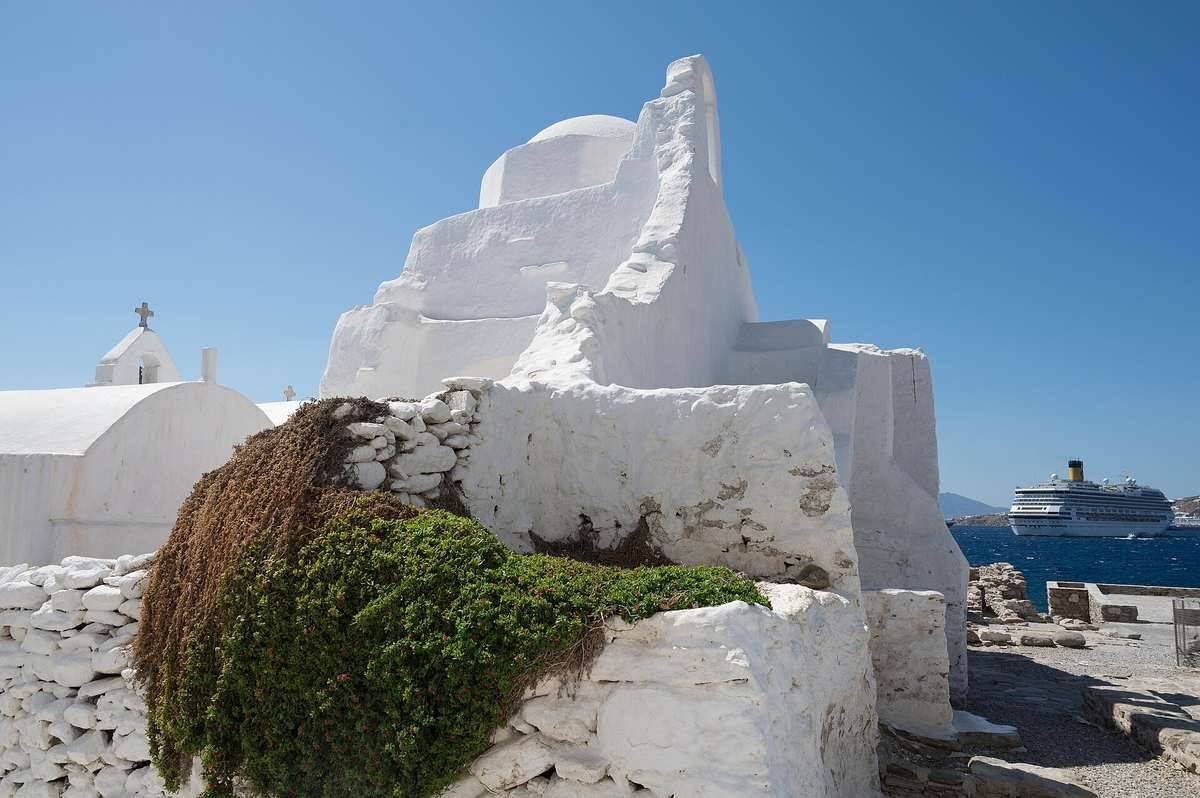
Mykonos in winter is a quiet, mild and authentic side of the island, with most beach clubs and seasonal resorts closed but Mykonos Town still alive with locals, very low prices, few crowds and a peaceful, genuine atmosphere. This guide covers the weather, what stays open, what to do and tips for an off-season visit.
Winter shows a completely different face of the island, as set out in the Mykonos travel guide, complementing the best time to visit guide. The sections below cover it in full.
What is Mykonos like in winter?
Mykonos in winter is quiet, peaceful and authentic, a world away from the summer party scene. Beach clubs and seasonal hotels close from November to March, yet Mykonos Town stays alive with locals, low prices and no crowds.
Mykonos in winter reveals a different, authentic side of the famous party island, swapping glamour and crowds for peace and local life. From roughly November to March the island enters its quiet off-season: the summer crowds vanish, the meltemi winds give way to cooler, wetter weather, and the frenetic energy of high season is replaced by a calm, genuine rhythm. The whitewashed lanes of Mykonos Town stay handsome and now belong to residents, with everyday Greek island life on show.
The absence of crowds lets you take in the Cycladic architecture, the windmills and Little Venice in serene quiet. Winter is not the time for beach clubs, sunbathing or nightlife, all of which shut down, but it rewards travellers seeking tranquillity, low prices, authentic culture, photography and a relaxed pace, or those passing through in the shoulder of the season. Winter Mykonos is moody, peaceful and real, a rewarding experience for the right visitor, set out alongside the guide to Mykonos Town. The weather is mild but changeable.
What is the weather like in Mykonos in winter?
Mykonos winter weather is mild but changeable, with daytime highs around 10 to 15°C, cooler nights, and spells of rain and strong wind. December to February are the coolest, wettest months, and the sea is too cold for swimming.
Winter in Mykonos is mild by northern European standards but cooler and more changeable than the famous summer, so set expectations accordingly. Daytime temperatures range from around 10 to 15°C, with the coldest, wettest period running through December, January and February. Nights are colder, and the strong winds common to the Cyclades can make it feel chillier, so a windproof layer matters. The island receives most of its rainfall in the winter months.
Spells of rain and the occasional storm are interspersed with crisp, bright, sunny days, so the weather is variable day to day. The island very rarely freezes, and snow is exceptional, but the Aegean sea sits around the mid-teens Celsius, too cold for comfortable swimming. Daylight hours are shorter too. Pack for a mild but unpredictable climate: warm layers, a fleece, a waterproof jacket, a windbreaker and sturdy shoes, plus something lighter for a warm sunny afternoon. Checking the forecast and embracing the changeable conditions makes a winter trip comfortable, set out alongside the guide to Mykonos weather. Knowing what stays open is key.
What is open in Mykonos in winter?
Beach clubs, seasonal hotels and summer restaurants close from November to March, but Mykonos Town stays alive with year-round tavernas, cafes, bars and shops. Ferries and flights run on reduced schedules, and the Delos site opens year-round on winter hours.
Knowing what operates in winter is essential, as Mykonos is a seasonal destination where much of the tourist infrastructure shuts down. The glamorous beach clubs, the large seasonal resort hotels, and the summer-only restaurants, bars and clubs close from late October or November and reopen in April or May, so the beaches are deserted and the party scene is gone. Mykonos Town, though, does not fully close.
A core of year-round tavernas, cafes, bars, bakeries and shops stays open serving the local community, so you can still enjoy good Greek food, a coffee or a drink and soak up authentic island life. Smaller hotels and guesthouses remain open for winter visitors, though you should book ahead and confirm. Transport continues on reduced off-season schedules: ferries connect Mykonos to Athens and neighbouring islands less often, and flights operate mainly as domestic links to Athens, so getting there and away is possible with planning. The ancient site of Delos opens year-round, on reduced winter hours and weather permitting for the boats. Checking opening times before you travel avoids disappointment, set out alongside the guides to ferries and Delos.
What can you do in Mykonos in winter?
Winter suits exploring Mykonos Town, its quiet lanes, windmills and Little Venice, plus authentic tavernas, the Delos ancient site, coastal walks, the village of Ano Mera with its monastery, and photography of the serene island.
Winter is not for beaches and clubbing, yet Mykonos still offers rich experiences for the off-season traveller who values culture and calm. Exploring Mykonos Town is the highlight: wandering its photogenic, now-peaceful whitewashed lanes, admiring the windmills and the Little Venice waterfront without the summer crowds, and browsing the shops and galleries that stay open. Food and local life are a pleasure, with tavernas serving hearty Greek winter cooking to a mostly local crowd, a genuine taste of island life.
History lovers can visit the sacred island of Delos on its reduced winter schedule, weather permitting, exploring the ruins in atmospheric quiet. The natural landscape rewards walkers, with coastal paths, countryside, empty beaches to stroll and viewpoints to enjoy on bright days. The inland village of Ano Mera, with its historic Panagia Tourliani monastery, offers a cultural outing. Photographers value the moody light, deserted beaches and serene scenery, while the warm hospitality of locals who have time to chat rounds out the trip. For a peaceful, culture-focused visit, winter Mykonos delivers, set out alongside the guides to Ano Mera and walking.
Is it worth visiting Mykonos in winter?
Visiting Mykonos in winter is worth it for peace, authenticity, low prices and culture over beaches and nightlife. You get the real island at a fraction of summer costs, but not the beach clubs, swimming or party scene, which all close.
Whether a winter visit suits you depends on what you want from Mykonos, so it pays to be honest about your expectations. Winter rewards a particular traveller: someone seeking tranquillity, authenticity and value over sun and partying. You get the whitewashed town, the windmills and Little Venice almost to yourself, with room to appreciate the Cycladic architecture that crowds obscure in summer. You can experience real local life, eat hearty Greek food in cosy year-round tavernas, and enjoy the unhurried hospitality of locals who have time to chat.
Prices for the hotels and rentals that stay open sit at a fraction of summer rates, and queues disappear across the island. Photographers, culture lovers, couples wanting a quiet romantic break and budget travellers all find it rewarding. Winter is the wrong choice if your heart is set on the classic Mykonos of beach clubs, sunbathing, swimming, boat parties and nightlife, as virtually all of that shuts down from November to March. Knowing which Mykonos you want makes the decision clear, set out alongside the guide to when to visit.
How do you get to Mykonos in winter?
Reach Mykonos in winter by reduced ferry and flight schedules, mainly via Athens. Domestic flights connect Athens year-round, while ferries from Piraeus and Rafina run a sparser timetable. Book ahead and allow for weather delays.
Getting to Mykonos out of season takes more planning, as transport runs on reduced winter timetables, but the island stays accessible. Flying is the most reliable route in winter: domestic flights link Athens to Mykonos airport year-round, operated by the main Greek carriers, though with fewer daily services than in high summer, so book ahead and check the schedule. International direct flights largely stop in winter, so overseas visitors connect through Athens.
Ferries also continue year-round but on a sparser off-season schedule. Services from the mainland ports of Piraeus and Rafina to Mykonos run only a handful of times a week, mostly on conventional ferries rather than the summer high-speed fleet, with longer journey times of around five to six hours. Winter weather and strong winds can delay or cancel ferries at short notice, so allow buffer time, avoid tight connections, and watch the forecast and the latest timetables. Booking your flights or ferry in advance and building in flexibility ensures a smooth off-season trip, set out alongside the guides to ferries and the airport.
How much does Mykonos cost in winter?
Mykonos in winter costs far less than summer, with the hotels that stay open charging a fraction of peak rates and no premium on food or transport. Budget travellers gain the most, though choice of accommodation narrows sharply.
Cost is one of the strongest reasons to choose the off-season, since Mykonos ranks among the priciest Greek islands in summer. The hotels, guesthouses and rentals that stay open through winter drop their rates steeply, often to a third or less of August prices, so a comfortable room becomes affordable. Tavernas and cafes charge everyday local prices rather than the inflated summer menus, and there are no queues or booking premiums on tables.
Transport costs also ease, with conventional ferries cheaper than the summer high-speed services and domestic flights from Athens reasonably priced when booked ahead. The trade-off is choice: the range of open hotels and restaurants is limited, so you compare fewer options and should reserve early to secure a place that suits you. For a value-focused break, winter delivers a genuine Mykonos experience without the peak-season outlay, set out alongside the guide to the best time to visit.
Is Mykonos festive around Christmas and New Year?
Mykonos marks Christmas and New Year quietly, with local church services, lights in Mykonos Town, family gatherings and open tavernas. It is a genuine Greek island celebration rather than a commercial tourist event.
The festive season on Mykonos belongs to the residents, giving visitors a window into authentic Cycladic tradition. Mykonos Town strings festive lights through its lanes and around the harbour, the year-round churches hold Christmas and Epiphany services, and families gather for long meals of seasonal Greek dishes. The mood is warm and communal rather than flashy, a contrast to the glittering summer scene the island is known for.
Open tavernas serve winter comfort food, cafes stay busy with locals, and the occasional village feast or name-day celebration adds colour to the calendar. Epiphany in early January brings the blessing of the waters at the harbour, a memorable local ritual. Travellers who want a peaceful, traditional holiday find the festive weeks on Mykonos quietly rewarding, best paired with an exploration of Mykonos Town at its calmest.
What should you pack for Mykonos in winter?
Pack warm layers, a waterproof jacket and a windbreaker for Mykonos in winter, plus a fleece, sturdy walking shoes and something lighter for a bright sunny afternoon. The changeable, windy climate rewards flexible clothing.
Packing well is the key to a comfortable winter trip, since the weather shifts from crisp sunshine to rain and strong wind across a single day. Base your kit on warm, versatile layers: long-sleeved tops, a jumper or fleece, and a warm outer layer for cold evenings. A waterproof jacket and a windproof shell handle the rain and the sharp Cycladic gusts that make the air feel colder than the temperature suggests.
Footwear matters on the marble-paved lanes and rougher coastal paths, so bring sturdy, grippy walking shoes rather than sandals. A hat, scarf and gloves help on the windiest days, while sunglasses and a lighter top cover the bright, mild afternoons that reward a walk. Skip the beachwear beyond a stroll along the shore, and add an umbrella and a small daypack for exploring. Dressing for the changeable conditions lets you enjoy the island whatever the sky does, as noted in the guide to Mykonos weather.
Can you visit other islands from Mykonos in winter?
Island hopping from Mykonos is limited in winter, as ferry links thin out and high-speed routes pause. You can still reach nearby Cyclades such as Tinos, Syros or Naxos on reduced conventional services, weather permitting.
Winter island hopping needs realistic planning, because the dense summer ferry web contracts to a skeleton off-season network. The reliable connections run through the mainland and the larger regional hubs, so links to Tinos, Syros, Paros and Naxos continue on conventional ferries, though only on set days each week and subject to cancellation in rough seas. Direct high-speed hops between smaller islands largely disappear until spring.
Combining Mykonos with a second island in winter works best when you build in flexibility, treat each leg as its own weather-dependent journey, and avoid tight schedules. Tinos, a short crossing away, makes a natural winter pairing for its churches and villages, while Syros, the Cycladic capital, stays lively year-round with its grand town. Checking the current timetables and keeping plans loose turns off-season hopping into a rewarding, quiet adventure, set out alongside the guide to Mykonos ferries.
What is the nightlife like in Mykonos in winter?
Winter nightlife on Mykonos is low-key and local, centred on year-round bars and tavernas in Mykonos Town rather than the famous summer clubs, which close from November to March.
The summer image of Mykonos as a nightlife capital dissolves in winter, replaced by a slower, more social evening rhythm. The big beach clubs, superclubs and seasonal cocktail bars shut for the season, so the international party crowd is absent. What remains is genuine: a handful of year-round bars, wine spots and tavernas in Mykonos Town where residents gather after dark for a drink, a meal and conversation.
Evenings revolve around long dinners of Greek winter cooking, a glass of local wine or raki, and the easy company of a small community. Live music turns up occasionally in cosy bars, and the lit lanes of the old town make for an atmospheric after-dinner stroll. Travellers who want depth over spectacle find these quiet Mykonian nights more memorable than the summer crush, best enjoyed after a day exploring Mykonos Town.
How many days do you need in Mykonos in winter?
Two to three days suit a winter trip to Mykonos, enough to explore Mykonos Town, eat well, walk the coast and visit Ano Mera. Add a day or two for Delos or a neighbouring island if the weather allows.
Winter Mykonos centres on the town and a compact set of cultural sights rather than a long roster of beaches, so a short stay covers the highlights comfortably. Two full days let you wander the lanes, windmills and Little Venice, eat in the year-round tavernas, browse the open shops and galleries, and make the inland trip to Ano Mera and its monastery at an unhurried pace. This is the right length for a relaxed off-season city-break feel.
A third or fourth day adds room for slower pleasures: a coastal walk on a bright morning, a visit to Delos when the boats run and the sea is calm, a leisurely lunch, and time simply to absorb the quiet. Extending further makes sense only if you plan to combine Mykonos with a neighbouring island such as Tinos or Syros, in which case build in buffer days for weather-dependent ferries. For a focused winter escape, a long weekend on Mykonos is enough to feel the real island, set out alongside the guide to when to visit.
Which is the best winter month to visit Mykonos?
November and March are the mildest, most rewarding winter months on Mykonos, blending open tavernas, softer weather and shoulder-season energy. December suits a festive trip, while January and February are the quietest and coolest.
Choosing your month shapes the trip, as conditions and atmosphere shift across the off-season. Early winter in November keeps a shoulder-season feel: more tavernas and hotels remain open, the weather is milder, and the town still hums gently before deep winter sets in. March mirrors this at the other end, with lengthening days, warming air and the island stirring back to life ahead of spring, making it a strong choice for walkers and photographers.
December brings the festive weeks, with lights, church services and family celebrations that reward visitors seeking authentic Greek tradition. January and February are the coldest, wettest and quietest stretch, the deepest off-season, best for travellers who prize solitude and the moody Cycladic light above open venues. Matching the month to your priorities, whether festivity, mild weather or pure calm, makes the winter trip land well, set out alongside the guide to the best time to visit.
Frequently Asked Questions
How cold does Mykonos get in winter?
Mykonos in winter is mild but cool, with daytime highs typically around 10 to 15°C and colder nights, plus spells of rain and strong winds. December to February are the coolest, wettest months. It very rarely freezes and snow is exceptional, but the sea is too cold for swimming, so pack warm layers.
What is Mykonos like in winter?
Mykonos in winter is quiet, peaceful and authentic, a world away from the summer party scene. Most beach clubs, seasonal hotels and many restaurants close from around November to March, but Mykonos Town stays alive with locals, prices are low and crowds gone. It suits travellers seeking calm, culture and the real island.
Is anything open in Mykonos in winter?
Most beach clubs, seasonal hotels and many summer restaurants and bars close from around November to March, but Mykonos Town stays alive with year-round tavernas, cafes, bars and shops serving locals. Ferries and flights still run on reduced schedules, and the Delos site opens year-round with reduced winter hours.
Can you swim in Mykonos in winter?
No, you cannot comfortably swim in Mykonos in winter, as the Aegean sea is cold, around the mid-teens Celsius, and the air is cool at roughly 10 to 15°C with wind and rain spells. Winter is for exploring the town, culture and walks, not the beaches, though you can still stroll the empty shores.