
Corinth wine tasting is a visit to a winery around Corinth in the north-east Peloponnese, with a cellar tour and a tasting of local wines such as Agiorgitiko, Roditis and sparkling wines, sold alone, with lunch or with Ancient Corinth and the Corinth Canal. Tours across the rest of the country are listed on Greece Tours.
The sections below cover the wineries, the formats, the winery visit, the wines and grapes, Ancient Corinth and the canal, tours from Athens, the food, the season and booking, with links into the Ancient Corinth pages. The tastings shown are checked on GetYourGuide and Viator.
What is Corinth wine tasting?
Corinth wine tasting is a guided flight of local wines poured at the wineries and tasting rooms of the Corinthia zone, around the city of Corinth and the Gulf coast, with a host who explains the vineyard, the cellar and the grapes behind every glass.
The zone that Corinth wine tasting draws on reaches from the coastal plain beside the Gulf of Corinth into inland hills and limestone slopes. The city of Corinth is the second-largest urban centre in the Peloponnese and a working port, and the whole area lies 78 kilometres west of Athens. Calcareous soils, pockets of clay and schist, and cooling breezes off the water shape the fruit. Vines grow on coastal plains, rolling hills and higher limestone ground, planted where the slope drains well.
The climate is Mediterranean, with hot, dry summers tempered by maritime air from the gulf. Elevation and aspect create cooler pockets inland that hold acidity in the grapes, and a Corinth wine tasting ties each pour to that landscape, because the host names the slope, the soil and the harvest date behind the wine. Roditis ripens late and holds its acidity in the heat, while the red grapes of the basin ripen after mid-September, so the harvest runs for weeks.
Sessions run inside working wineries rather than in bars. A visit opens with a walk through the vines, continues past the tanks and the barrels, and ends in a tasting room where the flight is poured and explained. A Corinth wine tasting lasts about ninety minutes from the vineyard gate to the last glass, and the estates near Corinth pour for reserved guests, so an hour is fixed before the drive out of the city.
- A walk through the organic vineyard, with the rows and the soil underfoot
- A look at the production room, its steel tanks and French oak barrels
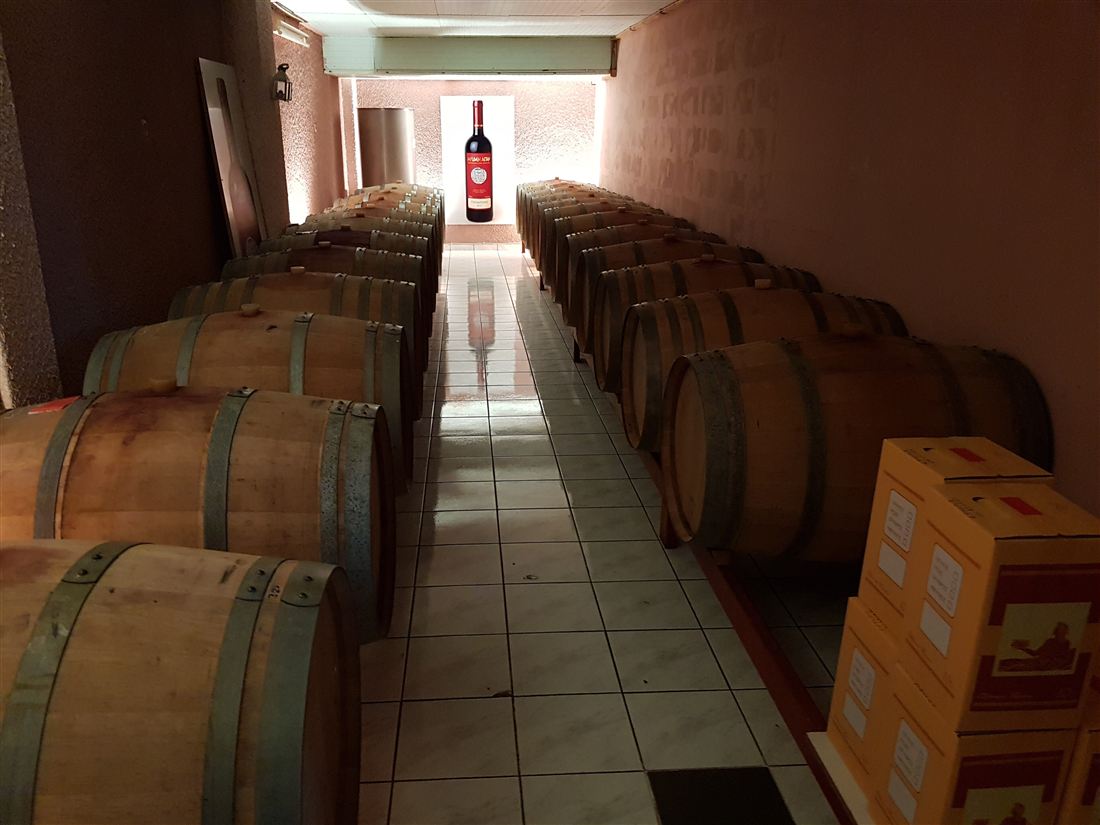
- The cellar below ground, where the barrels mature the wine
- A guided flight of four or five wines, red, white, rosé and sweet
- A plate of local bites, and bottles to buy at the end
Which wineries host Corinth wine tasting?
Giannikos Winery on the edge of Corinth is the estate that hosts Corinth wine tasting for visitors, together with Boubas Wines in the hills at Agios Vasileios and the smaller family cellars of the Corinthia zone that open by appointment.
Giannikos Winery farms eight hectares of vines on two sites: one around the winery at Corinth, the other at Mycenae, near the archaeological site. The family planted its first vines at Mycenae in the late nineteenth century, rebuilt the estate after a fire destroyed the old buildings, and now works organically, pruning and picking by hand. Roditis, Agiorgitiko and Malagouzia grow beside Cabernet Sauvignon, Merlot, Syrah, Chardonnay and Viognier, and Corinth wine tasting here begins among the vines rather than in a town centre.
Every wine at the estate is bottled as a single varietal and certified organic, so a Corinth wine tasting here shows one grape at a time. A guided visit lasts ninety minutes and pours five wines across red, white, rosé and sweet styles, with the vineyard, the winery, the cellar and the tasting room all on the route. The winery takes guests only by reservation, in English, German or Greek.
Boubas Wines, a family estate at Agios Vasileios, farms about seventy acres in a semi-mountainous village with rocky limestone ground and a wide swing between day and night temperatures. Its premium Corinth wine tasting runs ninety minutes and pours six wines with local products. Papantonis Winery keeps a small cellar at Argos, open Monday to Friday between 10:00 and 15:00. The Nemea estates lie thirty-five kilometres south-west of Corinth, a drive of about twenty-six minutes, and the Nemea guided tour keeps its own routes through them.
- Giannikos Winery, Corinth: organic wine, tours by reservation only
- Boubas Wines, Agios Vasileios: six wines with local products
- Papantonis Winery, Argos: a small cellar, weekdays only
- Lafazanis Winery, Ancient Kleones: ninety minutes, four wines
- Barafakas Winery, Nemea: a family estate in the wine basin
Which Corinth wine tasting formats can you book?
Bookable Corinth wine tasting formats include a winery tour with organic tastings, a sparkling tasting among the vines, tastings served with lunch, a farm-house cooking session with wine near Ancient Corinth, and day tours from Athens that stop at the Corinth Canal.
The shortest format is the small-group winery tour with organic fine wine tastings, which runs one and a half hours, walks the organic vineyard with the winemaker, passes the production area and ends in the cellar tasting room. Guests taste four local wines with a plate of cheeses, tomatoes, olives and breadsticks, and a Corinth wine tasting of this shape suits a first visit because the group is capped at ten travellers and the host speaks English.
A longer option is the sparkling wine tasting at the vineyard, which takes two to three hours and meets among the rows. A welcome glass of sparkling wine opens the visit, the producer walks the vines and explains how grapes for sparkling wine are grown and turned into bottle, and three sparkling wines follow. A light lunch can be added, and a winemaker leads the session. This Corinth wine tasting stays outdoors, so the view over the valley is part of the pour.
Two tasting menus with lunch are booked in the village of Nemea: one pours six wines from Greek grape varieties and regions and matches them to a private lunch cooked by a local chef, while the other pours four sparkling wines from crisp and dry through to sweet with a multi-course menu. Near Ancient Corinth, a farm-house session of two hours closes with a meal and unlimited wine, and that Corinth wine tasting is the one that puts guests in the kitchen.
- Winery tour and organic fine wine tastings, one and a half hours
- Sparkling wine tasting at the vineyard, two to three hours
- Tasting with lunch on the ambassador grape varieties, two hours
- Tasting with lunch on the sparkling wines of Greece, two hours
- Farm-house cooking with unlimited wine near Ancient Corinth, two hours
- An Athens day tour with the Corinth Canal and Nemea, eight hours
What happens during a Corinth wine tasting at the winery?
During Corinth wine tasting at the winery, a host leads a walk through the vines, then through the production room and the barrel cellar, before pouring a guided flight of local wines in the tasting room and answering questions about the vintage.
The visit starts outdoors. Guests walk the organic vineyard beside the winery and hear how healthy vines and natural cultivation sit behind the wine in the glass. The host points out the slope, the soil and the sea winds that cool the grapes after hot days, and explains why the harvest date is set grape by grape rather than for the whole plot. A Corinth wine tasting opens with that walk, because the vines explain the wine better than any leaflet.
Indoors, the route runs through the production area, with temperature-controlled stainless steel tanks and French oak barrels from selected cooperages, and then down into the cellar, where the barrels rest and the young wines take on depth. Because the estate bottles single varietals, the guide can show how one grape behaves on its own, without a blend to blur the picture. Sweet wine is drawn straight from the barrels for guests who ask, and that stop is the quiet part of a Corinth wine tasting.
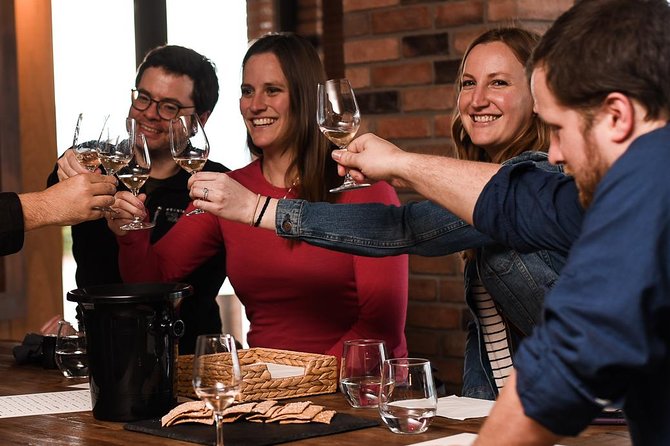
The Corinth wine tasting itself is seated in the tasting room, at a table rather than at a bar. Four wines are poured on the small-group visit, and the estate booking of ninety minutes pours five, moving from white and rosé through to red and sweet. A plate of cheeses, tomatoes, olives and breadsticks sits within reach, questions go to the winemaker, and bottles can be bought at the end of the session.


Which grapes and wines does a Corinth wine tasting pour?
A Corinth wine tasting pours the pink-skinned Roditis, Malagouzia and Assyrtiko, the red Agiorgitiko in small measure, sparkling wines from local producers and sweet styles, while the Corinthian currant stands for the region’s dried-grape trade rather than for the glass.
Roditis is the white grape with the widest plantings in Greece and a stalwart of the Peloponnese. Its skins are pink, and it ripens late, which lets it hold its acidity through hot summers, the reason growers valued it long before phylloxera cut its numbers. Expect peach, apricot and apple in the glass, and a familiar role beside Savatiano in retsina. A Corinth wine tasting that opens on Roditis starts light and fresh, with the acidity keeping the white crisp.
Agiorgitiko needs little space here, because the site covers Nemea on its own pages: it is the red of the Nemea PDO, the only grape the appellation allows, and it ripens after mid-September. The Nemea wine guide sets out the grape in full. Malagouzia, Assyrtiko and Moschofilero appear at Corinthia estates, and international vines such as Cabernet Sauvignon, Merlot, Syrah, Chardonnay and Viognier grow beside them, so a Corinth wine tasting can move between Greek and French plantings in one sitting.
Sparkling wine is a small but real part of the offer: a vineyard tasting opens with a glass of sparkling wine and pours three more, and a lunch tasting follows four Greek sparkling wines from crisp and dry through to sweet. Corinthian currant tells a different story. The Black Corinth grape dries into the small seedless raisin that gave the English word currant, and Greece still grows about eighty per cent of the world supply. Sweet wines close a Corinth wine tasting.
- Roditis, pink-skinned and late-ripening, the widest-planted white in Greece
- Malagouzia, Assyrtiko and Moschofilero from the Corinthia estates
- Agiorgitiko, the red grape of the Nemea PDO
- Sparkling wines: three at the vineyard tasting, four with lunch
- Sweet wines, and Corinthian currant dried from the Black Corinth grape

How does Corinth wine tasting pair with Ancient Corinth and the Corinth Canal?
Corinth wine tasting pairs with the sights because the ruins at Ancient Corinth, the canal at the isthmus and the wineries near Corinth sit within a short drive of each other, so a morning of stone and water leads into an afternoon in the cellar.
Ancient Corinth holds the Temple of Apollo, whose columns date to the middle of the sixth century BC, a museum filled with finds from more than a century of excavation, and the rock of Acrocorinth above the village. The site lies about eight kilometres by road from the modern city, so a Corinth wine tasting booked in Corinth fits around a visit without a long detour or an early start. Travellers who walk the site in the morning reach a winery table by early afternoon.
The Corinth Canal cuts the isthmus that joins the Peloponnese to the mainland. It runs 6.34 kilometres, measures 24.6 metres wide at sea level and carries no locks, and its rock walls rise about 90 metres. Ships within the limits still pass through, submersible bridges cross at Isthmia and Poseidonia, and a photo stop takes about fifteen minutes. A Corinth wine tasting added to the same morning needs no extra driving.
A workable day starts at the canal, continues to Ancient Corinth and its museum, and finishes at a winery table. The Ancient Corinth tour and the Corinth Canal tours cover the history for travellers who want the stones first, and the winery gate sits a short drive from both. Nemea adds thirty-five kilometres, about twenty-six minutes more, so a Corinth wine tasting near the city leaves the late afternoon free.
Which Corinth wine tasting tours start in Athens?
Corinth wine tasting tours that start in Athens include a private eight-hour Nemea day trip with a Corinth Canal stop, a private six- to eight-hour run through Nemea and Argos, and longer Nemea tours that collect guests in Athens, Corinth or Loutraki.
The first is an eight-hour private tour with hotel pickup in Athens. The driver-guide stops at the Corinth Canal for photographs, continues to the archaeological site and museum at Nemea, and ends at a family winery with a walk through the vines and a tasting of local wines beside cheeses, olive oil and olives. The winery tasting is settled at the estate. The Nemea wine day trip from Athens follows that shape, and the Corinth wine tasting at its end is the reason the day runs long.
A second private option runs six to eight hours from a chosen pickup point in an air-conditioned vehicle, with bottled water, tolls and fuel covered. It spends fifteen minutes at the Corinth Canal, about ninety minutes at Barafakas Winery in Nemea, and another ninety minutes at Domaine Skouras at Malandreni, near Nafplio, where red, white and rosé wines come with light local products. Groups run to seven guests, so a Corinth wine tasting here stays quiet.
Longer Nemea tours of five to six hours collect guests from Athens, Corinth, Loutraki or Nafplio by taxi, minivan or bus. Two boutique wineries in the PDO Nemea zone open their cellars, an organic balsamic vinegar maker shows its process, and lunch is served privately in a tasting room above the vines. A Corinth Canal day trip from Athens, an Ancient Corinth day trip from Athens and a Nafplio wine tour each add their own ground, and a Corinth wine tasting fills the day that is left.
What food comes with a Corinth wine tasting?
Food with a Corinth wine tasting runs from a plain winery plate of cheeses, tomatoes, olives and breadsticks to a full farm-house meal near Ancient Corinth, where guests cook the dishes themselves and drink unlimited local wine from Nemea.
At the wineries the plate is deliberately simple: cheeses, tomatoes, olives and breadsticks, cut to sit beside the flight rather than compete with it. Papantonis serves a generous platter with cold cuts and cheeses, and Boubas pairs its six wines with local products. Snacks and alcoholic drinks are listed as included on the small-group winery booking, so a Corinth wine tasting there comes with food already on the table.
The farm-house session near Ancient Corinth is the full meal. Guests walk the garden and the vines, pick seasonal vegetables and collect eggs from the coop, then cook in a rustic kitchen with a wood-fired oven: dolmadakia, kagianas with fresh eggs and tomatoes, tzatziki, a village salad and handmade bread. The table is set outdoors with unlimited wine from Nemea and a sweet finish of loukoumades or tiganites with honey, so that Corinth wine tasting ends with dessert.
Lunch tastings take the pairing further. One menu places six dishes and a dessert beside six Greek wines chosen by an oenologist, and the sparkling tasting builds a multi-course menu around four sparkling wines. On the Nemea tours the vineyard lunch brings local delicacies and a wine from the region, with a balsamic vinegar tasting beforehand. Cheese, olive oil, olives and salami appear on the Athens day trip as well.
- Cheeses, tomatoes, olives and breadsticks at the winery table
- Cold cuts and cheeses beside the Papantonis flight
- Dolmadakia, kagianas, tzatziki and village salad at the farm house
- Bread from a wood-fired oven, then loukoumades with honey
- Six dishes and a dessert matched to six Greek wines

Which months suit a Corinth wine tasting?
Corinth wine tasting works through the year because the tasting rooms sit indoors and the estates pour for reserved guests, though the vineyard walk and the harvest change what a visitor sees from one season to the next.
The growing year drives the calendar. Vines are pruned in winter, the fruit sets and colours through the warm months, and Agiorgitiko ripens after mid-September. Roditis ripens late as well and keeps its acidity in the heat, so the white harvest stretches on. Late summer and autumn bring picking, pressing and the first taste of the new wines, and a Corinth wine tasting in those weeks sits close to the crush.
Spring is the season for the vineyard walk, when the rows turn green and the ground is firm underfoot. High summer brings dry heat and strong sun, so the tour listings advise comfortable shoes, a sun hat and a bottle of water, and a morning slot leaves the afternoon free. Below ground the cellar holds a steady temperature, which makes a midday Corinth wine tasting a cool pause.
Winter keeps the tables open on reservation, with quieter rooms and snow on the mountains behind Corinth. Harvest weeks, from late summer into autumn, put the press and the crush within sight of the tasting room. The sparkling tasting at the vineyard is held outdoors among the rows, so the drier months suit it. Whatever month is chosen, a Corinth wine tasting needs the reservation first, because the estates pour only for booked guests.

How do you book and cancel a Corinth wine tasting?
Booking a Corinth wine tasting takes one of two routes: a reservation form on the winery’s own site, or a marketplace listing with free cancellation, which is available up to twenty-four hours before the tour and forty-eight hours on the winery’s tasting booking.
Giannikos takes bookings through a form on its own site: name, contact details, the date wanted and a message, and the estate replies. Tours run only on reservation, and the tasting is offered in English, German and Greek. Booking direct helps travellers who want a set hour or an answer to a question before the visit, and a Corinth wine tasting held this way can be moved with a single email.
Marketplace listings handle the rest. The small-group winery tour, the farm-house cooking session, the Athens Nemea day trip and the Nemea and Argos private tour all carry free cancellation up to twenty-four hours before the start, and payment can be deferred until later on selected listings. The ninety-minute winery tasting booked through a wine tourism site gives free cancellation up to forty-eight hours and confirms the request within twenty-four hours, so a Corinth wine tasting is rarely a locked-in commitment.
Practical points matter as much as the booking. The small-group winery tour caps at ten travellers, the Corinthia premium tasting takes two to fifteen, and private tours run to seven guests. Payment for the winery tasting on the Athens day trip is settled at the estate rather than with the driver. Guests give dietary restrictions when booking, and wine is served to guests of eighteen and over, so a Corinth wine tasting suits adults at any level of experience.
Frequently Asked Questions
How long does a Corinth wine tasting last?
A Corinth wine tasting at a Corinth-area winery lasts about ninety minutes, covering the vineyard walk, the production area, the cellar and the flight. The small-group winery tour runs one and a half hours, the tastings with lunch run two hours, and the sparkling tasting among the vines takes two to three hours. Travel time is extra when the winery sits outside the city.
Where does a Corinth wine tasting take place?
Corinth wine tasting happens at working estates rather than in bars. Giannikos Winery sits in the countryside outside Corinth, at Thesi Koutoumatsa, and takes guests on reservation. Boubas Wines pours at Agios Vasileios, the sparkling tasting meets among the vines at Nemea, and the tastings with lunch are held in a tasting room beside the square in Nemea village.
Can a Corinth wine tasting be combined with Ancient Corinth and the Corinth Canal?
Yes. The ruins at Ancient Corinth stand about eight kilometres by road from the modern city, and the Corinth Canal at the isthmus runs 6.34 kilometres between limestone walls that rise about 90 metres. The Nemea tours allow fifteen minutes at the canal. A day that takes in the canal, the museum and a winery table fits comfortably.
Is food included in a Corinth wine tasting?
Food comes with the bookings described here. The small-group winery tour and the private tasting bring a plate of cheeses, tomatoes, olives and breadsticks or a platter with cold cuts. The farm-house session serves a full meal cooked by the guests, and the two lunch tastings in Nemea match six dishes or a multi-course menu to the wines. Tasting-only visits exist too.