
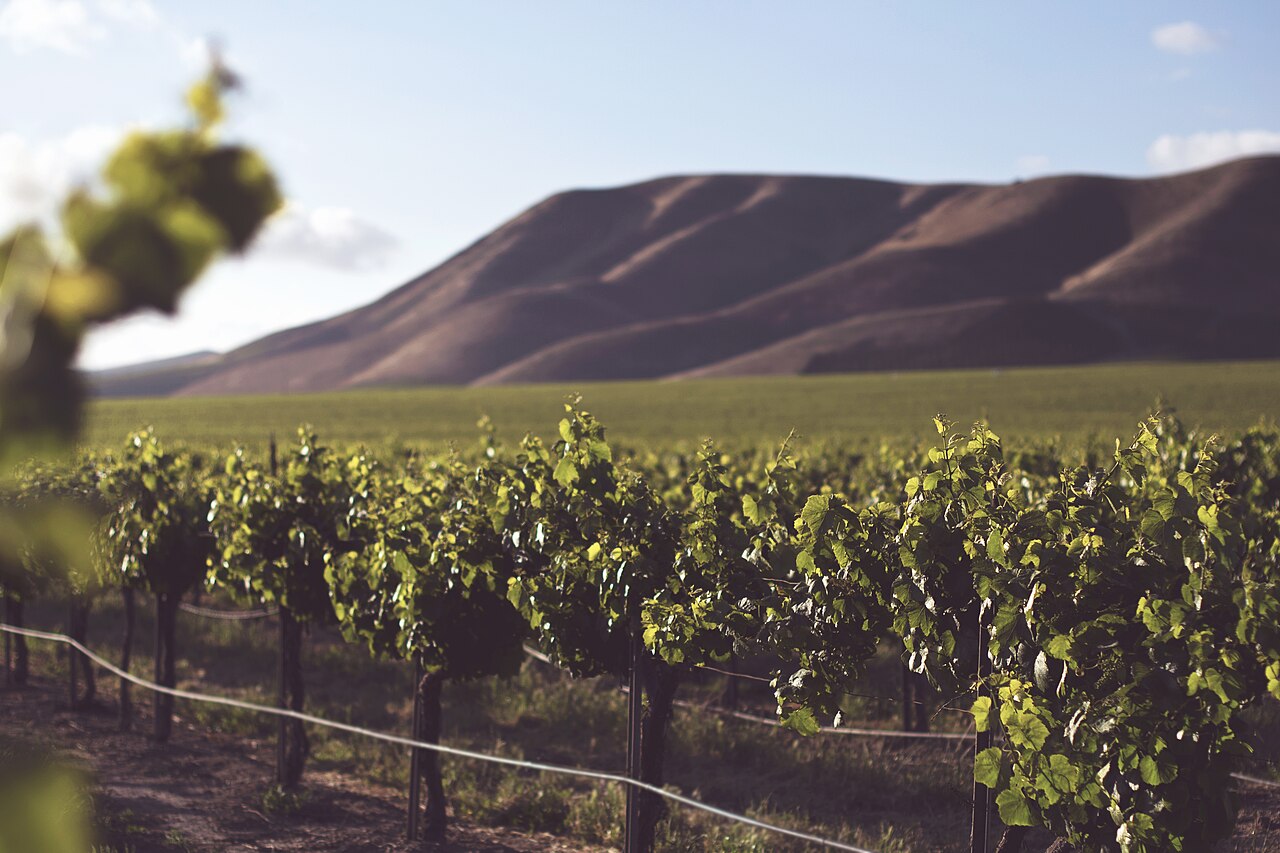
Nemea is the largest and most celebrated red-wine region in Greece, set in the hills of the Argolid an hour from Nafplio. Its native Agiorgitiko grape makes deep, smooth reds that range from soft and fruity to powerful and long-lived, and its valleys have grown wine for well over a thousand years. With many wineries open for tastings and the ancient sanctuary and stadium of Nemea alongside, a day in the region combines great wine with history and scenery, making it one of the best day trips from Nafplio.
This guide covers Nemea wine in full: the Agiorgitiko grape, where the region lies, how to visit from Nafplio, what a wine tour involves, the best wineries and time to go, the food pairings and the ancient site. Read it beside the full Nafplio travel guide, the guide to day trips from Nafplio and the guide to Nafplio food and restaurants.
What is Nemea wine?
Nemea wine is the red wine of the Nemea region in the northeast Peloponnese, the largest appellation in Greece, made mainly from the native Agiorgitiko grape. Its wines range from soft, fruity reds to powerful, oak-aged bottles that age for a decade or more, and the region lies an hour from Nafplio.
It is Greece’s great red. Nemea is the country’s largest and most famous red-wine appellation, so its reds, made from the Agiorgitiko grape, are among the best known and most widely poured Greek wines, found on tavernas tables across the Peloponnese and beyond.
It has deep roots. Wine has been made in the valleys of Nemea for well over a thousand years, and the region carries the ancient legend of the Nemean lion slain by Hercules, so its wine culture is as old as any in Greece, tied to the myth and history of the land.
It sits near Nafplio. The Nemea region lies about an hour north of Nafplio in the hills of Corinthia, so it is an easy day trip from the town, combining wine with the ancient sanctuary and stadium of Nemea nearby, as the guide to day trips from Nafplio describes.
What is the Agiorgitiko grape?
Agiorgitiko is the native red grape of Nemea, named after Saint George, and one of the finest in Greece. It makes deep, smooth reds with aromas of red cherry, plum and spice when young, and dark berry, liquorice and leather when aged in oak, with the best bottles ageing for ten to fifteen years.
It is named for Saint George. Agiorgitiko takes its name from Agios Georgios, Saint George, the patron of the village now called Nemea, and it is grown almost only in Nemea and the surrounding Corinthia, so it is a grape deeply tied to this one region of Greece.
It makes two styles. Young Agiorgitiko is fruity and approachable, with red cherry, plum and strawberry and soft, round tannins, while reserve wines from higher vineyards aged in oak gain depth, showing dark berries, liquorice, leather and tobacco with firmer structure and long ageing potential.
It is versatile and fine. Because it ranges from easy, velvety reds to serious, age-worthy wines, and even into rosé and sparkling, Agiorgitiko is one of the most versatile and respected grapes in Greece, the heart of what makes Nemea wine special.
Where is the Nemea wine region?
The Nemea wine region lies in the hills of Corinthia in the northeast Peloponnese, about an hour north of Nafplio and around two hours from Athens. Its vineyards spread across valleys and slopes at varying altitudes around the town of Nemea and villages such as Asprokampos and Koutsi.
It is in the northeast Peloponnese. Nemea sits in the region of Corinthia, in the hills inland from the Argolic Gulf, so it lies between Nafplio to the south and Corinth to the north, at the heart of the wine country of the northeast Peloponnese.
It spreads across varied land. The vineyards of Nemea climb from the valley floor to slopes at several hundred metres, so the region has a range of altitudes and soils that give its wines variety, from riper, softer reds low down to fresher, more structured wines from the higher sites.
It is close to Nafplio. At about an hour by road from Nafplio, the region is an easy excursion from the town, so a visit to the wineries fits comfortably into a day, often combined with the ancient site of Nemea, as the guide on Nafplio food and wine notes.
How do you visit Nemea from Nafplio?
You visit Nemea from Nafplio by car in about an hour, or on an organised wine tour with hotel pick-up. Tours run around five to six hours, taking in two wineries with tastings and often the ancient site of Nemea, so a day trip combines wine, food and history from the town.
A car reaches it easily. Driving from Nafplio to Nemea takes about an hour on good roads, so those with a car can plan their own route between wineries, though a designated driver is needed given the tastings, which is why many visitors prefer an organised tour.
Tours make it simple. Organised wine tours from Nafplio collect visitors from their hotel or the port and drive through the countryside to Nemea, so a tour handles the transport and the bookings, letting everyone taste freely, typically over a five-to-six-hour day.
It fits a day trip. Because the region is close and the tours well organised, Nemea makes an easy and rewarding day trip from Nafplio, combining the wineries with the ancient sanctuary and stadium, as the guide to day trips from Nafplio sets out.
What happens on a Nemea wine tour?
On a Nemea wine tour you visit two wineries, walk the vineyards and cellars, hear the winemaker explain the process, and taste four to six wines with a plate of cheese, charcuterie and local specialities. Many tours add a stop at the ancient stadium of Nemea, over a five-to-six-hour day.
You see how the wine is made. A tour takes visitors through the vineyards and cellars of the wineries, with the winemaker or guide explaining the growing and the winemaking, so a tasting comes with an understanding of how the Agiorgitiko reds are produced.
You taste with food. Most tastings offer four to six wines, from young reds to reserve bottles and often whites and rosés, accompanied by a plate of local cheese, charcuterie and specialities, so the wines are tasted with food as they are meant to be drunk.
You often see the ancient site. Many tours pair the wineries with the ancient sanctuary of Zeus and the stadium of Nemea, where the Nemean Games were held, so a wine day doubles as a visit to one of the great ancient sites of the region.
What are the best Nemea wineries?
The best Nemea wineries include Skouras and Gaia Estate, whose old-vine Agiorgitiko is a benchmark of the region, alongside many family estates open for tastings. From large modern wineries to small cellars, the region offers a range of visits, most welcoming guests for tours and tastings.
Skouras leads the modern era. The winemaker George Skouras trained in Burgundy and brought modern methods to Nemea, and his award-winning wines are among the most respected of the region, so his estate is a landmark of the modern Nemea wine scene.
Gaia sets a benchmark. The Gaia Estate, with its old-vine Agiorgitiko, is regarded as a benchmark Nemea red, so it is among the estates most sought out by wine lovers visiting the region for the depth and quality of its wines.
Family estates fill the region. Beyond the famous names, many family wineries across the valleys and slopes welcome visitors for tours and tastings, from large modern operations to small traditional cellars, so a visit can mix well-known estates with smaller, personal producers.
When is the best time to visit Nemea?
The best time to visit Nemea is spring and autumn, in April and May or September and October, for mild weather and the vineyards at their best. Autumn brings the grape harvest, a lively time in the wineries, while the mild shoulder seasons suit touring the estates and the ancient site.
The shoulder seasons are ideal. Spring and autumn bring mild weather that suits driving between the wineries and walking the vineyards and the ancient site, so April to May and September to October are the finest months for a wine visit to Nemea.
Autumn is harvest time. The grape harvest falls in the autumn, when the wineries are busy bringing in the fruit, so a visit then catches the region at its most active and atmospheric, with the new vintage under way.
Summer and winter still work. High summer is hot but the wineries stay open, and the mild winter is quiet, so the region can be visited year-round, though the shoulder seasons remain the most comfortable and rewarding, as the guide to the best time to visit Nafplio notes.
What food goes with Nemea wine?
Nemea wine goes with the grilled meats, stews and cheeses of Peloponnesian cooking. The smooth reds suit lamb, beef stifado, grilled sausages and hard cheeses, while the region’s whites and rosés match seafood and meze, so the wine pairs naturally with the taverna food of the Argolid.
The reds suit meat. The deep, smooth reds of Nemea are a natural match for grilled meats, slow-cooked stews such as stifado, and hard, aged cheeses, so they are the classic wine to drink with the hearty taverna dishes of the Peloponnese.
The whites match the sea. The whites and rosés of the wider region, from Moschofilero and Roditis, suit seafood, salads and lighter meze, so a Nemea wine list offers wines to match the fresh fish of Nafplio as well as the meat dishes.
It belongs on the taverna table. Because the wine and the food come from the same region, Nemea reds and Peloponnesian cooking belong together, so a carafe of local wine is the natural companion to a meal in Nafplio, as the guide to Nafplio food describes.
Can you visit the ancient site of Nemea too?
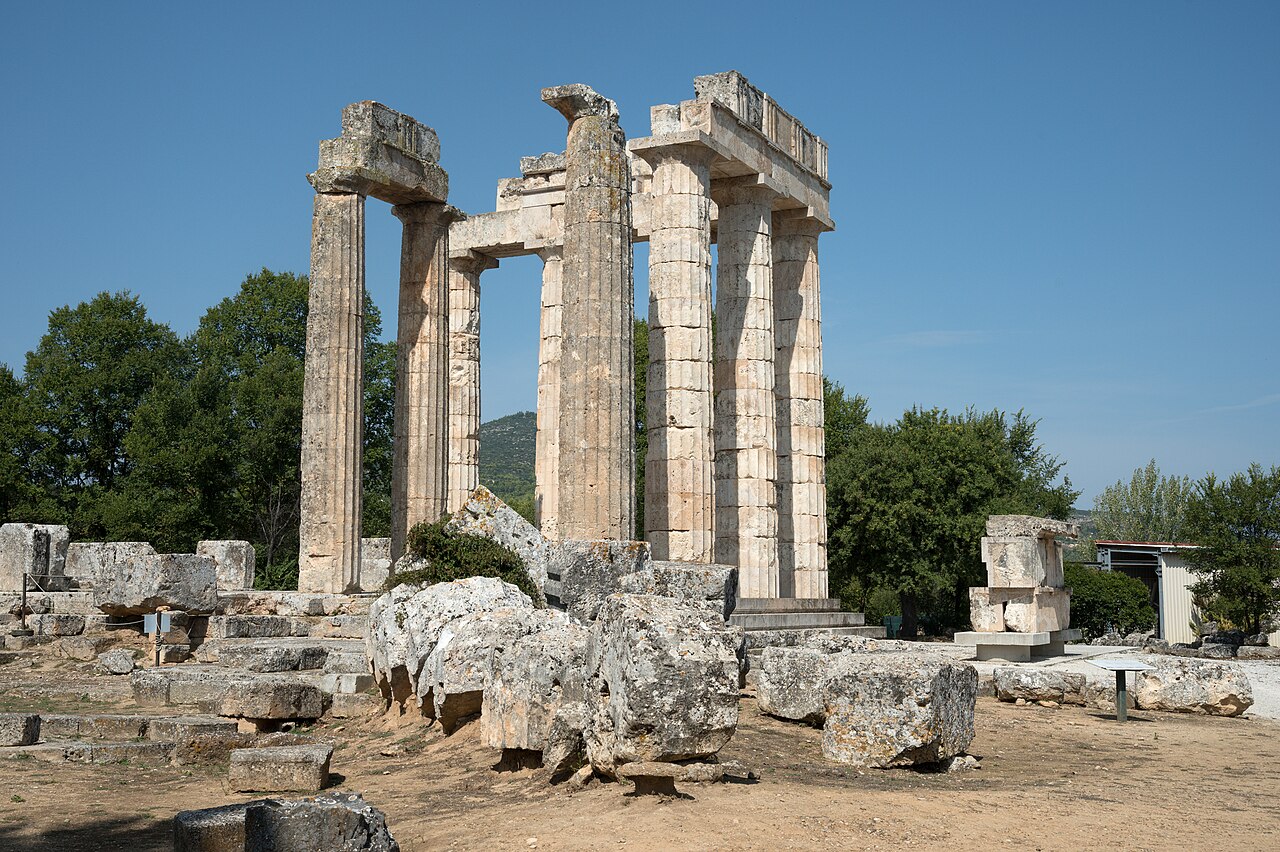
Yes, the ancient site of Nemea sits beside the wine region and is easily combined with a tasting. The sanctuary of Zeus, with its restored temple columns, and the ancient stadium where the Nemean Games were held, built in the fourth century BC, make a fine addition to a wine day.
The sanctuary of Zeus is the centrepiece. Ancient Nemea was one of the four great sanctuaries that held the pan-Hellenic games of ancient Greece, and the temple of Zeus, with its tall restored columns standing among the ruins, is the heart of the site.
The stadium recalls the games. The ancient stadium of Nemea, with its vaulted entrance tunnel through which the athletes once passed, survives well, so visitors can walk the track where the Nemean Games were run, a vivid link to the ancient world.
It pairs with the wine. Because the ancient site lies among the vineyards, most wine tours and independent visits take it in alongside a tasting, so a day in Nemea combines the pleasures of the wine with the history of one of the great ancient sites of the region.
What is the history of Nemea wine?
Nemea has made wine for well over a thousand years, and its reds carry the ancient legend of the Nemean lion slain by Hercules, giving Agiorgitiko the old nickname of the “blood of Hercules”. The region grew from ancient roots into the largest and most respected red-wine appellation in modern Greece.
Its roots are ancient. Wine has been made in the valleys of Nemea since antiquity, tied to the sanctuary of Zeus and the games held there, so the region’s wine culture reaches back thousands of years, among the oldest in Greece.
The legend gives it a name. Nemea is the land of the Nemean lion killed by Hercules in the first of his labours, and its deep red wine has long been called the “blood of Hercules”, linking the wine to the myth of the region.
It grew into a modern appellation. From these ancient roots Nemea developed into the largest red-wine appellation in Greece, and a new generation of winemakers has raised its quality and reputation, so the region today blends deep history with modern winemaking.
Can you buy Nemea wine to take home?
Yes, you can buy Nemea wine at the wineries, where tastings usually end with the chance to buy, and in the wine shops and food shops of Nafplio. Bottles range from inexpensive everyday reds to premium reserve wines, so Nemea wine makes an easy and typical gift to carry home.
The wineries sell direct. Most Nemea wineries sell their bottles at the cellar door, often at good prices and including wines hard to find elsewhere, so a tour and tasting is the ideal chance to buy, from everyday reds to the estate’s finest reserve wines.
Nafplio stocks it too. The wine shops and food shops of Nafplio carry a good range of Nemea and Peloponnesian wines, so those who do not visit the wineries can still buy the region’s wine in the town, a typical gift of the Argolid.
It travels as a gift. Because Nemea wine is well regarded and comes in a wide range of prices, a bottle makes an easy, characteristic gift to take home, so many visitors carry back a red from the region as a souvenir of a stay in Nafplio.
Frequently Asked Questions
What is Nemea wine known for?
Nemea is known as the largest and most celebrated red-wine region in Greece, famous above all for the native Agiorgitiko grape. This grape, named after Saint George, is grown almost only in Nemea and the surrounding Corinthia, and it makes deep, smooth red wines that range from soft, fruity and approachable, with red cherry, plum and spice, to powerful, oak-aged reserve wines showing dark berries, liquorice, leather and tobacco, with the best bottles ageing for ten to fifteen years or more. Wine has been made in the valleys of Nemea for well over a thousand years, and the region carries the ancient legend of the Nemean lion slain by Hercules, whose wines are sometimes called the “blood of Hercules”. The region also produces whites and rosés, but it is its Agiorgitiko reds that have made Nemea the best-known red-wine name in Greece.
How do you get from Nafplio to Nemea?
Nemea lies about an hour north of Nafplio by road, in the hills of Corinthia. The simplest ways to visit are by hire car, driving the scenic route through the countryside in about an hour, or on an organised wine tour that collects you from your hotel or the port in Nafplio. Because the visit involves tastings, many people prefer a tour so that no one has to drive, and these tours typically run five to six hours, taking in two wineries with tours and tastings, a plate of cheese and charcuterie, and often a stop at the ancient sanctuary and stadium of Nemea. Driving yourself gives more freedom to choose the wineries and the pace, but needs a designated driver. Either way, the region’s closeness to Nafplio makes it one of the easiest and most rewarding day trips from the town, combining wine, food and ancient history in a single day.
Is Nemea worth visiting for wine?
Yes, Nemea is well worth visiting for wine, and it is one of the best day trips from Nafplio. As the largest and most famous red-wine region in Greece, it offers the chance to taste the native Agiorgitiko grape at source, from soft, fruity young reds to serious, age-worthy reserve wines, at wineries ranging from large modern estates such as Skouras to small family cellars. A visit combines the wine with the scenery of the vineyards and hills, and with the ancient sanctuary of Zeus and the stadium of Nemea, so a day in the region mixes tasting with history and landscape. The wineries welcome visitors for tours and tastings, usually with a plate of local cheese and charcuterie, and the region is at its best in spring and autumn. For anyone who enjoys wine, a day in Nemea from Nafplio is a rewarding and memorable excursion.