
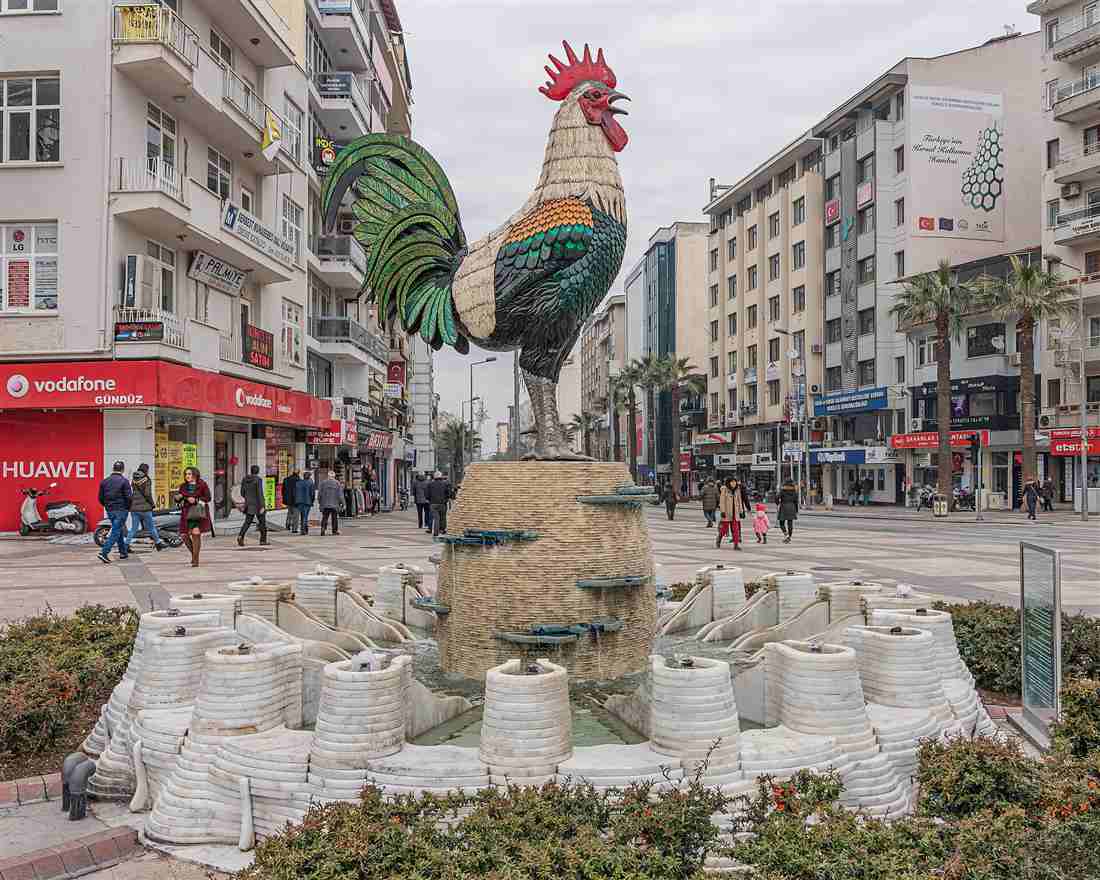
Denizli is a large city in south-west Turkey, the gateway to Pamukkale just 20 kilometres away, famous for the long-crowing Denizli rooster and for its towel and textile industry, and the transport hub for the whole Lycus valley. Plan the whole trip with Greece Tours.
This guide covers Denizli in full: what the city is and where it sits, the Denizli rooster and the textiles, its role as the gateway to Pamukkale and Hierapolis, how to get there, what to do in the city, the ancient cities nearby including Laodicea, the cable car to Bagbasi, the food, where to stay, and the best time to visit.
What is Denizli in Turkey?
Denizli is a large industrial and market city in south-west Turkey, capital of Denizli Province, home to about one million people. It anchors the inner Aegean region and serves as the gateway to the white travertine terraces of Pamukkale, 20 km to the north.
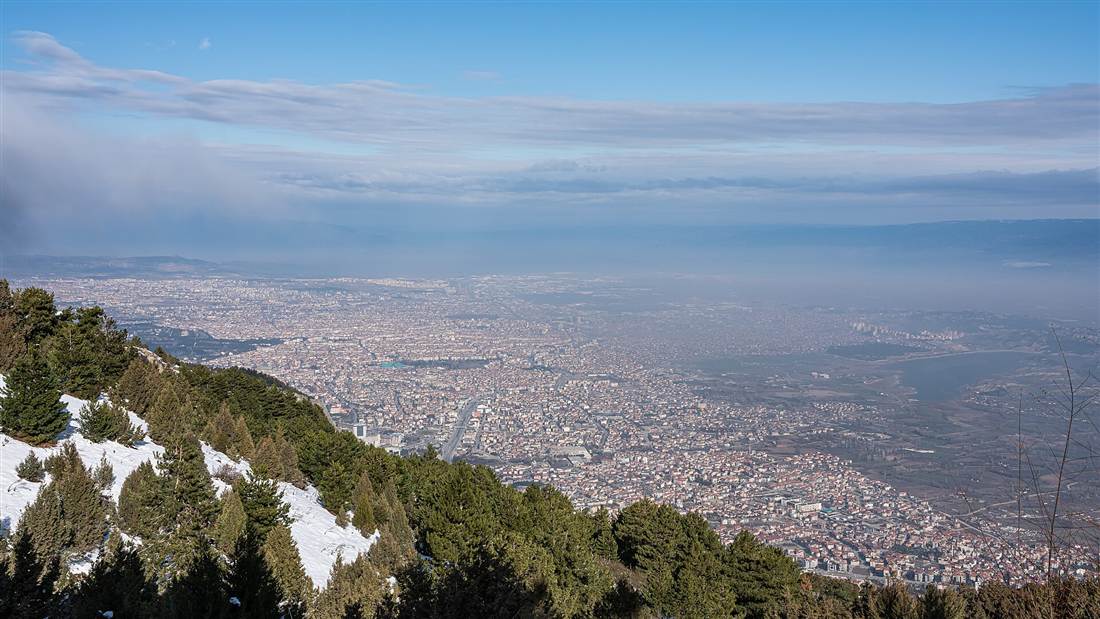
Denizli sits at the eastern edge of the Aegean hinterland, where the fertile Menderes river basin meets the foothills of Mount Honaz, the tallest peak in western Anatolia at 2,571 metres. The city spreads across a broad plain ringed by mountains, and its position on the trade routes between the coast and the Anatolian interior shaped it into a commercial hub across centuries. Merchants moving goods between Izmir and the central plateau passed through this crossroads, and the modern city inherited that role as a manufacturing and distribution centre.
The modern municipality functions as the economic engine of the province. Textile mills, marble quarries, cable works and agricultural processors line the industrial zones on the outskirts, while the centre carries the government offices, the university, the covered bazaar and the market halls that draw shoppers from surrounding towns. Denizli grew fast through the late twentieth century as rural residents moved in for factory work, and the population climb turned a provincial town into one of the twenty most populous cities in the country. The city presents itself as a working place first and a tourist stop second, which gives visitors an unfiltered view of everyday Anatolian urban life.
For most travellers, Denizli enters the itinerary because of what lies just beyond it. The name appears on train timetables, coach schedules and airport signage as the transit point for Pamukkale and the ruined Roman city of Hierapolis that crowns the terraces. The city itself rewards a slower look, with its rooster monuments, its museum, its highland cable car and its kebab houses, but its lasting identity is bound to the calcite pools that made this corner of Turkey a landmark on the world tourism map.
Where is Denizli?
Denizli lies in south-west Turkey, in the inner Aegean region within the upper Menderes valley. It stands about 230 km east of Izmir, roughly 230 km north of Antalya, and around 3 km from the travertines of Pamukkale, linking the Aegean coast to inland Anatolia.
The province occupies the transition zone between the coastal Aegean and the Anatolian plateau. To the west, the land drops toward the Büyük Menderes river, the classical Maeander, whose winding course gave the English word “meander” its meaning. To the east and south rise the mountain chains that separate the Aegean watershed from the lake district around Burdur and Isparta. This geography places Denizli at a natural junction, and highways radiate out of the city toward Izmir, Aydın, Muğla, Antalya and Afyonkarahisar.
Distances frame the traveller’s choices. Izmir, the third-largest city in Turkey and the nearest major coastal airport hub, sits about 230 km to the north-west, a drive of roughly three hours on the toll motorway. Antalya, the Mediterranean resort capital, stands about 230 km to the south across the mountains, a journey of nearly four hours. The Aegean beach towns of Kuşadası and Bodrum lie within a half-day drive, which turns Denizli into a practical stop between the coast and the interior. The city’s altitude of around 350 metres above sea level tempers the summer heat that grips the lower river valley.
Within the province, the settlements cluster along the valley floor and the plateau shelves above it. Pamukkale village sits at the foot of the terraces on the northern rim of the plain, the ancient site of Laodicea occupies a low hill closer to the city, and Tripolis guards the valley mouth to the north-west. Mount Honaz National Park protects the forested slopes to the south-east, and the reservoir lakes and thermal springs scattered across the district feed both agriculture and tourism.
Why is Denizli famous — the rooster and the textiles?
Denizli is famous for two things: the Denizli rooster, a native long-crowing breed whose drawn-out call lasts far longer than an ordinary cockerel’s, and its towel and textile industry, which supplies bathrobes, towelling and home fabrics to markets across Europe and beyond.
The Denizli rooster, the Denizli horozu, is the emblem of the city. This indigenous breed carries dark plumage shot through with metallic green and bronze, and its defining trait is the crow: a rich, resonant call that stretches for a prolonged period, far past the brief cry of common poultry. Breeders prize the length, tone and clarity of the crow, and contests rank birds by the quality of their song. Statues of the rooster stand at roundabouts and in parks across the city, its silhouette marks municipal logos, and the bird gives its name to the local football side and to countless shops and brands. The state runs a breeding station to protect the strain, and the rooster ranks as a registered geographical indication tied to the province. Souvenir stalls sell the bird as ceramics, keyrings and carved figures, and the image travels home with visitors as the enduring token of the city.
The second pillar of the city’s fame is cloth. Denizli built one of the largest textile clusters in Turkey, specialising in terry towelling, bathrobes, bed linen and home textiles. Thousands of workers staff the mills and workshops in the industrial districts, and the sector drives a large share of the province’s exports. The reputation for towels and bathrobes reaches shops and hotels across Europe, the Middle East and North America, and the annual output places Denizli among the leading towel-producing centres in the world. Alongside cloth, the province mines and cuts marble and travertine stone, and the marble blocks quarried from the surrounding hills ship to construction and design markets internationally.
These two identities, the crowing bird and the woven towel, define how the city sees itself. A visitor walking the centre passes the rooster monument near the bus terminal, browses towelling in the covered bazaar, and reads the horozu name on signs throughout the streets. The pairing of a proud farmyard heritage with heavy modern industry captures the character of a place that stayed rooted in Anatolian tradition while building a global manufacturing base.
The rooster carries a legend that binds it to the land. Folk tradition ties the long-crowing bird to a tale of a young man who tested the loyalty and endurance of his cockerel, and the drawn-out crow became the mark of nobility in the breed. The province stages horozu festivals where breeders parade their birds and judges time the crows, and the winning roosters fetch prices that reflect their pedigree. This living tradition keeps the emblem more than a logo: it stands as a genuine strand of rural culture that the industrial city carries into the present.
Is Denizli the gateway to Pamukkale?
Yes. Denizli is the gateway to Pamukkale, standing about 20 km south of the white travertine terraces and the Roman ruins of Hierapolis above them. The city holds the airport, the railway station and the main bus terminal that funnel almost every visitor toward the calcite pools.
Pamukkale, whose name means “cotton castle” in Turkish, is the reason the wider world knows Denizli. Warm mineral water rich in calcium carbonate flows down the hillside, depositing brilliant white terraces of travertine that cascade in shelves and pools above the plain. The site pairs with Hierapolis, the ancient spa city built on the plateau at the top of the terraces, and together they hold a joint listing as a UNESCO World Heritage Site. The combination of the dazzling mineral formations and the extensive Greco-Roman ruins draws travellers from across the globe, and the full account of the terraces sits in the guide to Pamukkale.
Because the terraces themselves lie beside a small village with limited transport links, arriving travellers route through Denizli. Trains terminate at Denizli station in the city centre, long-distance coaches pull into the main otogar, and flights land at Çardak Airport to the east of the province. From each of these arrival points, local minibuses, taxis and tour coaches carry visitors the short distance up to the terraces. The transport infrastructure concentrated in Denizli makes the city the logistical hinge of the entire Pamukkale visit, whether a traveller stays overnight in the city or pushes straight on to the village at the foot of the pools.
The 20 km link runs frequently through the day. Dolmuş minibuses depart from the Denizli bus terminal on a regular schedule, threading through the northern suburbs and out across the plain to Pamukkale village in around half an hour. This tight connection means a traveller lands, transfers and stands before the terraces inside a single morning, which is why most itineraries treat Denizli and Pamukkale as one destination.
How do you get to Denizli?
Denizli is reached by air through Çardak Airport, by rail on the line from Izmir, and by intercity coach from cities across Turkey. The airport lies about 65 km east of the centre, the railway station sits in the heart of the city, and the motorway network links it to the Aegean and Mediterranean coasts.
Çardak Airport, officially Denizli Çardak Airport, handles domestic flights and seasonal international services. Located roughly 65 km east of the city toward the town of Çardak, it connects Denizli with Istanbul through direct flights that take around one hour and fifteen minutes. Airport shuttle buses time their departures to the flight schedule and run to the city centre in around one hour, and taxis cover the same route for travellers arriving outside shuttle hours. For visitors flying in from abroad, Izmir Adnan Menderes Airport offers a wider choice of international routes, with the onward journey to Denizli completed by train, coach or hire car.
Rail service reaches Denizli on the branch line from Izmir through the Menderes valley. The regional train departs Izmir Basmane station and follows the river inland through Aydın, Nazilli and Sarayköy before terminating at Denizli station, a journey of around four to five hours that traces the classical Maeander. The line delivers passengers directly into the city centre within walking distance of hotels and the bus terminal, and the fares undercut every other mode of travel. The scenery along the valley, with cotton fields, orchards and fig groves, turns the slow train into an experience in its own right. High-speed rail projects push toward the region to shorten the link with Istanbul and Ankara, tying the province ever tighter into the national network.
Intercity coaches provide the densest network of all. The Denizli otogar, the main bus terminal, receives services from Istanbul, Ankara, Izmir, Antalya, Bodrum, Fethiye and dozens of other centres, run by the large national coach companies. The overnight coach from Istanbul takes around nine to ten hours, and daytime services from Izmir and Antalya run through the day at frequent intervals. By road, the toll motorway from Izmir and the trunk highways from Antalya and the interior put Denizli within a comfortable drive of the whole region, and hire cars collected at the airport or in the city open up the ancient sites and lakes of the surrounding province.
What is there to do in Denizli city?
Denizli city offers the covered bazaar, the Denizli Archaeology Museum, the tree-lined Atatürk Boulevard, the parks and tea gardens of the centre, and the giant rooster statues that mark the town. The urban core rewards a half-day walk between shopping, monuments and museums.
The covered bazaar and the surrounding market streets form the commercial heart of the city. Stalls and shops sell the towels, bathrobes and home textiles the province produces, alongside clothing, leather, spices, dried fruit and Turkish delight. Bargaining runs the trade, and the towelling on offer here comes straight from the local mills at prices below the export shops abroad. The weekly open-air markets add fresh produce, olives, cheeses and household goods, and the market halls give a direct taste of everyday commerce in an Anatolian manufacturing town.
The Denizli Archaeology Museum gathers the finds excavated from the ancient cities of the province. Its galleries display statues, sarcophagi, mosaics, inscriptions and everyday objects recovered from Laodicea, Hierapolis, Tripolis and the other classical sites of the Lycus valley, and the collection sets the ruins outside the city into their historical frame. A visit here before touring the sites turns scattered stones into a coherent story of the Roman and Byzantine towns that thrived across this landscape.
Around the museum and the bazaar, the city centre unfolds along Atatürk Boulevard, the broad main avenue lined with shops, cafés and civic buildings. Public parks such as Çınar Meydanı and the tea gardens along the pedestrian streets give shaded space to rest, and the celebrated rooster monuments, the largest of them a towering bronze near the railway station, stand as photo landmarks. The Bayramyeri square marks the pulse of the centre, and the nearby thermal pools and the historic Kaleiçi quarter add depth to a walking tour of the working city.
The Kervansaray historic caravanserai and the old han buildings recall the trade routes that built the town, and the İncilipınar Park with its fountains and cafés gives the modern centre a green gathering place. The Great Mosque and the Ottoman-era prayer houses anchor the old quarter, while the state opera and the concert halls host the cultural calendar of the province. The Pamukkale University campus on the edge of the city fills the streets with students, and its life spills into the cafés, bookshops and cheap eateries that ring the university district. A traveller with a spare afternoon threads these landmarks into a loop, ending in a tea garden with a glass of çay and a view of the rooster monument.
What ancient cities are near Denizli?
Denizli sits amid a dense cluster of classical cities. Laodicea lies 6 km north of the centre, Hierapolis crowns the Pamukkale terraces 20 km north, and Tripolis guards the Menderes valley to the north-west. All three belong to the ancient Lycus valley, a corridor of Greco-Roman urban ruins.
Laodicea on the Lycus is the closest and grandest of the ruined cities, spread across a broad plateau a short drive from the modern centre. Founded in the Hellenistic era and enriched under Rome, it grew into a prosperous commercial city famous for black wool, banking and a medical school, and it holds a place in early Christian history as one of the seven churches addressed in the Book of Revelation. Excavations uncovered two theatres, a stadium, colonnaded streets, temples, bath complexes and one of the earliest church buildings in Anatolia, and the ongoing digs keep enlarging the visible city. The full picture of the site sits in the guide to Laodicea.
Hierapolis stands at the top of the Pamukkale travertines, a spa city built around the thermal springs that feed the terraces. Its ruins stretch across the plateau: a well-preserved Roman theatre carved into the hillside, the vast necropolis of tombs, the colonnaded main street, the Temple of Apollo, the Plutonium gateway to the underworld, and the Antique Pool where visitors swim among submerged marble columns. The city’s history reaches from its Phrygian roots through Roman prosperity to a Byzantine and Seljuk afterlife, and the complete account appears in the guide to Hierapolis.
Tripolis on the Maeander lies at the north-western edge of the province near the town of Buldan, where three ancient regions met. Excavations there revealed a colonnaded street, a Roman villa with rich frescoes, city walls and a theatre, and the site draws a steadier trickle of visitors as the digging advances. Beyond these three, the province holds further classical remains, and the Lycus valley as a whole ranks among the richest concentrations of Greco-Roman urban archaeology in Anatolia, all within an easy radius of Denizli.
What is the Denizli cable car and Bağbaşı plateau?
The Denizli cable car, the teleferik, carries passengers from the city up the mountainside to the Bağbaşı plateau, a highland recreation area at around 1,400 metres. The plateau delivers sweeping views over the city and plain, cool pine air, picnic grounds and walking trails.
The teleferik climbs from a lower station on the southern edge of Denizli up the forested slopes toward the highland shelf that overlooks the city. The ride lifts riders out of the summer heat of the plain into the pine belt, and the cabins glide over the treetops as the whole urban sprawl unfolds below. On a clear day the view stretches across the Menderes plain to the ridges beyond, and the ascent itself ranks among the favourite outings for local families escaping the city warmth.
Bağbaşı plateau, the destination at the top, functions as the green lung of Denizli. The highland meadows and pine woods hold picnic areas, tea gardens, restaurants, walking paths and open spaces where residents gather at weekends. The cooler mountain climate makes the plateau a refuge through the hot months, and the setting on the slopes of the Honaz range opens onto forest trails and viewpoints. The combination of the scenic cable-car ride and the highland park gives visitors a natural counterpoint to the archaeology and industry of the valley floor, and it fills an afternoon for travellers who base themselves in the city.
Beyond Bağbaşı, the wider uplands of the province reward exploration. Mount Honaz National Park protects the forested peak to the south-east, with its summit trails and cascades, and the plateaux around the mountains hold yayla settlements where highland dairy and honey are produced. The teleferik and its plateau serve as the accessible gateway to this mountain world for anyone without a hire car.
Where do you eat in Denizli — the local food?
Denizli serves the robust cuisine of inland Anatolia: charcoal-grilled kebabs, the slow-cooked tandır lamb, the local speciality kelle söğüş, hearty soups, and the flatbreads and mezes of the region. The bazaar eateries and the kebab houses along the centre supply the honest local table.
Grilled meat anchors the Denizli plate. The kebab houses turn out skewered lamb and chicken over charcoal, alongside the tandır kebab of lamb cooked slowly in a pit oven until it falls from the bone. A distinctive local dish is kelle söğüş, thin-sliced meat from the head served cold with onions, tomato, parsley and spices, folded into flatbread as a street snack that carries deep roots in the town’s food culture. The province also claims its own version of the round flatbread and the boiled-then-grilled preparations that mark the Aegean-interior kitchen.
The markets supply the raw ingredients that define the regional table. The plains around the city grow cotton, figs, grapes, olives and vegetables, and the highland yaylas produce dairy, honey and walnuts. Denizli sits within the wine and grape country of the inner Aegean, and the Güney and Çal districts of the province press their own wines and grape molasses. The weekly markets pile up seasonal produce, cheeses, olives, dried figs and the local pekmez grape syrup, and the covered bazaar hides tucked-away lokantas serving home-style stews and pide.
For a full meal, the restaurants along the centre and around the university district plate the kebabs and mezes at prices well below the coastal resorts. Baklava, künefe and semolina helva finish the meal, and Turkish tea and coffee follow in the tea gardens of the parks. Eating in Denizli means eating as the locals do, in a working city rather than a tourist strip, which keeps both the food and the prices grounded.
Breakfast, the Turkish kahvaltı, ranks as a meal in its own right across the province. The spread piles up white cheese, olives, tomatoes, cucumbers, honey with clotted kaymak cream, eggs cooked in butter, jams and fresh bread, laid out on a table crowded with small plates. The highland yaylas supply the honey and dairy that lift the local version, and a slow weekend breakfast in a garden restaurant on the Bağbaşı plateau ranks among the treasured rituals of the city. Street carts sell simit rings, roasted chestnuts and grilled corn through the day, and the bakeries turn out the round Denizli bread from dawn.
Where do you stay in Denizli?
Travellers choose between hotels in Denizli city and guesthouses in Pamukkale village. The city offers business hotels, transport links and lower prices; the village puts visitors at the foot of the terraces for the sunset and dawn. The choice turns on whether transport convenience or proximity to the travertines matters more.
Denizli city holds the larger and more varied stock of accommodation, geared toward business travellers and the trade that flows through the textile and marble industries. The hotels cluster around the centre, the bus terminal and the university, and they range from international-standard properties to modest family-run places. Staying in the city gives immediate access to the railway station, the otogar and the airport shuttles, along with the bazaar, the restaurants and the museum, and the room rates run below those in the tourist village. This suits travellers who arrive by train or coach, treat Denizli as a base for the whole province, and travel out to the sites by day.
Pamukkale village, at the foot of the terraces, offers a different trade-off. The guesthouses and small hotels there sit within walking distance of the travertines and the Hierapolis gate, and staying overnight lets visitors reach the terraces at first light before the coach crowds and linger for the sunset colours after they leave. The village atmosphere is quieter and more rural, oriented entirely toward tourism, with pools, breakfast terraces and views of the white hillside. The trade-off is thinner transport links and a narrower choice of dining beyond the tourist menu.
The decision comes down to the shape of the trip. A traveller crossing Turkey by public transport, using Denizli as a hub to reach Laodicea, Tripolis, Salda Lake and the terraces, finds the city hotels the practical base. A traveller focused purely on Pamukkale, chasing the golden light on the terraces at dawn and dusk, gains from a village room at the foot of the pools. Both lie within the same 20 km corridor, so neither choice locks a visitor out of the other.
A third option sits at Karahayıt, a spa village a short distance beyond Pamukkale, where red-tinted thermal springs feed hotels built around mineral pools. The larger thermal resorts there cater to visitors seeking the health waters, and their spa complexes draw guests for multi-night stays. Whichever base a traveller picks, booking ahead pays off through the peak summer months, when the coaches fill the village and the city hotels take the overflow of business and leisure traffic alike.
What is the weather and best time to visit Denizli?
Denizli has a hot inland Mediterranean climate: scorching, dry summers with daytime highs around 33 to 37°C, mild green springs and warm autumns, and cool, damp winters that dip near freezing. Spring and autumn deliver the finest conditions for touring the city and the terraces.
Summer, from June to September, brings the peak heat. The Menderes plain bakes under clear skies, and midday temperatures climb into the mid-thirties, with the driest months seeing almost no rain. The white terraces of Pamukkale reflect the fierce sun, so summer visits to the travertines reward an early start or a late-afternoon approach, and the cool air of the Bağbaşı plateau above the city becomes a genuine relief. The heat draws the largest tourist numbers regardless, as the summer holiday season fills the coaches and the terraces.
Spring, from April to early June, and autumn, from mid-September to November, offer the balanced conditions. Daytime temperatures settle into the pleasant twenties, the countryside turns green in spring and gold in autumn, rainfall stays light, and the sites shed the heaviest crowds. These shoulder seasons pair comfortable sightseeing weather with softer light on the terraces and the ruins, which makes them the prime windows for a visit. The wildflowers of the valley in spring and the harvest colours of the vineyards in autumn add to the appeal.
The elevation of the city moderates the extremes that grip the river plain below. At around 350 metres, Denizli stays a touch cooler than the lowland cotton fields, and the mountain backdrop draws down fresh air on summer evenings. Rainfall concentrates in the winter half of the year, feeding the springs that supply Pamukkale, and the dry summer keeps the terraces gleaming under a cloudless sky. Travellers timing a visit to catch the fullest flow of the mineral water aim for the spring, when the winter rains have recharged the aquifer and the shoulder-season crowds stay thin.
Winter, from December to February, turns cool and wet. Temperatures fall into the single digits by day and hover near freezing at night, rain feeds the rivers and reservoirs, and snow dusts the surrounding mountains and the Honaz summit. The terraces still flow and the ruins stay open, and the low season empties the sites of crowds, so a winter traveller trades warmth for solitude. The thermal pools of Hierapolis and the region’s spa waters hold their appeal through the cold months, offering warm bathing against a chill mountain backdrop.
How does Denizli fit a Pamukkale trip?
Denizli serves as the transport hub and practical base for a Pamukkale trip. From the city, travellers reach the travertines and Hierapolis in half an hour, tour Laodicea and Tripolis in a day, and strike out to Salda Lake, turning a single terrace visit into a full exploration of the Lycus valley.
A visit built around Pamukkale gains depth when Denizli anchors it. The terraces and the ruins of Hierapolis fill a full day at the heart of the trip, best split between an early-morning walk on the white shelves and an afternoon among the theatre, the necropolis and the Antique Pool. With Denizli as a base, that day pairs naturally with Laodicea, only 6 km from the city, where the vast excavated streets and churches of the ancient metropolis absorb a further half-day, and with Tripolis in the valley to the north-west for those chasing the quieter sites.
Beyond the archaeology, the province opens onto natural landmarks. Salda Lake, the turquoise crater lake with brilliant white mineral shores that draw comparisons to Mars, lies to the south-east within reach of a day trip, and the mountains of Honaz National Park and the Bağbaşı plateau add highland scenery to the itinerary. The weaving town of Buldan, the thermal springs of Karahayıt with their red mineral terraces, and the grape-growing districts of Çal round out a province that offers far more than a single photo stop.
The transport concentrated in Denizli makes this breadth practical. Trains, coaches and flights converge on the city, dolmuş minibuses fan out to the terraces and the sites, and a hire car collected in the centre reaches every corner of the Lycus valley within an hour. Treating Denizli as the hub rather than a mere transfer point turns a rushed terrace visit into a rounded regional journey, and it rewards the traveller who gives the working city and its ancient hinterland the time they deserve. Denizli holds together the threads of the region: the industry that drives it, the rooster that symbolises it, the terraces that draw the world, and the ruined cities that trace its deep past.
Frequently Asked Questions
What is Denizli known for?
Denizli is known as the gateway to Pamukkale, 20 kilometres away, and for the Denizli rooster, a long-crowing breed that is the city emblem. Its towel and textile industry is one of the largest in Turkey.
Is Denizli worth visiting beyond Pamukkale?
Denizli rewards a stop with its bazaar, the museum, the cable car to the Bagbasi plateau and the rooster statue. It is the base for the ancient cities of Laodicea and Tripolis and for Salda Lake.
How do you get from Denizli to Pamukkale?
Pamukkale lies 20 kilometres north of Denizli, 30 minutes by dolmus minibus or taxi from the Denizli otogar and train station. Denizli Cardak Airport, 65 kilometres east, is the nearest airport to Pamukkale.