
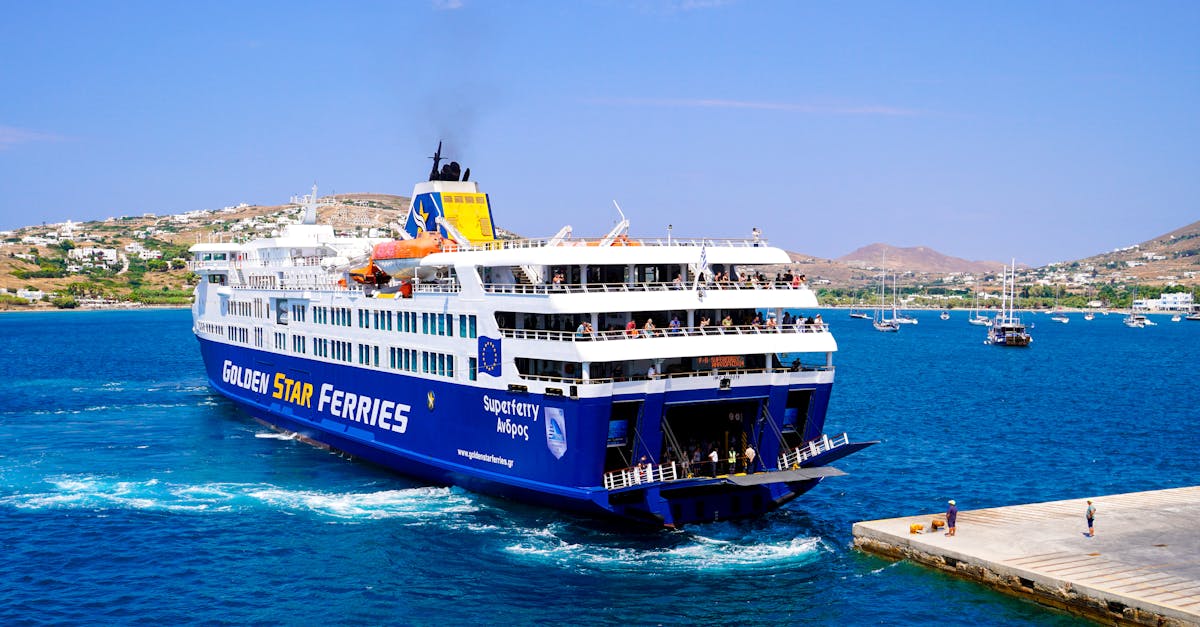
Ferry travel in Greece is how we experience the Greek islands: a mix of sea-salt air, changing light, and the slow, reassuring rhythm of waves beneath the hull. Plan the whole trip with Greece Tours.
For travelers who want authentic, immersive journeys, families, history lovers, couples, or anyone preferring small-group, local-led adventures, knowing a few practical tips turns crossings from stressful chores into enjoyable parts of the trip. In this guide, we share the best timing and routes, booking and seating strategies, port procedures, onboard comfort and safety, and how to stitch multiple islands into a seamless itinerary, based on years of guiding visitors around Greece.
Best Time To Travel, Routes, And Ferry Types
Season and weather
Greece’s ferry network follows the tourist seasons. We usually recommend shoulder seasons, late April to early June and September to mid-October, when seas are calmer, prices are lower, and ports and tavernas feel more local. Summer (July–August) brings the most frequent services but also rougher seas on some routes and packed ferries. Winter schedules shrink dramatically: many small islands have only occasional connections.
Common route clusters
- Cyclades: Santorini, Mykonos, Naxos, Paros, Ios, very popular: expect frequent high-speed and conventional ferries between main hubs.
- Dodecanese: Rhodes, Kos, Symi, longer crossings from the southeast: best in summer or with an overnight option.
- Ionian: Corfu, Paxos, Lefkada, calmer seas, shorter hops, lovely for families.
- Northern Aegean and Sporades: less frequent, more rural: plan well in advance.
Ferry types and what they mean for us
- High-speed catamarans and hydrofoils: fast (sometimes 2–3× quicker) and comfortable for short hops: pricier and more prone to cancellation in strong meltemi winds.
- Conventional ferries: slower but steadier, often with cabins for overnight routes and better luggage handling. They’re ideal for relaxing travel and enjoying onboard amenities.
- Ro‑Ro ferries: mainly for vehicles and cargo, but also carry passengers on many island routes: practical if we’re bringing a rental car.
Choosing between speed and comfort depends on our priorities: if we want to squeeze more islands into a week, high-speed helps; if we value relaxed sea time and onboard facilities, conventional ferries win.
How To Book Tickets, Choose Seats, And Compare Operators
Where to buy
We combine direct ferry operator sites with reputable booking platforms to compare schedules and fares. Operators like Blue Star Ferries, Hellenic Seaways, and Minoan Lines run many core routes: ticketing platforms help when we mix operators. For personalized help and local insight, such as the best route between small islands, we often consult local specialists like those at Greece Tours who grew up navigating these routes.
When to book
- High season: book at least 2–4 weeks in advance for popular routes and cabins. For peak weeks (Greek Orthodox Easter, mid-August), book months ahead.
- Shoulder and low season: You can usually book closer to departure, but be mindful of reduced schedules.
Ticket classes and seat types
- Economy/Deck Seat: cheapest, open seating: good for short crossings if we don’t mind less privacy.
- Reserved seats/Business class: slightly pricier, better seating, and sometimes complimentary snacks.
- Cabin: essential for overnight routes or longer daytime crossings when we want privacy and the ability to rest.
Choosing seats strategically
- Bow vs. stern: bow seats feel the motion more; stern is generally steadier. If we’re prone to seasickness, midship or lower decks are our best bet.
- Sun and shade: upper decks offer views and sun. Bring a hat and sunscreen. If we prefer shade, book indoor seats or lower deck cabins.
Comparing operators
We look beyond price: punctuality records, on-time performance, onboard facilities, and customer reviews matter. Local operators may be friendlier and more flexible with luggage: larger lines often have more reliable schedules. When in doubt, ask local guides or recent traveler reviews for the specific route and season.
At The Port: Arrival, Boarding, And Luggage Tips
Arrive early, but not too early
For domestic ferries, arriving 45–60 minutes before departure is usually enough: bring 90 minutes for summer crowds or if we need to check luggage. International departures (and some busy hubs) may require earlier arrival.
Check-in and documentation
Keep passports and printed or mobile tickets handy. Some ferries still check printed tickets; others accept e‑tickets. If we booked with a different name or have multi-leg bookings, carry confirmation emails.
Luggage handling
- Labels: attach a visible label with contact details to each bag, especially helpful at busy ports.
- Size and weight: most operators are relaxed, but oversized luggage or sports equipment (bicycles, surfboards) may incur fees or require pre-booking.
- Onboard storage: There’s often dedicated luggage space near embarkation. For peace of mind, keep valuables and one change of clothes with you in a small daypack.
Driving to the ferry
If we’re driving, allow extra time to queue and follow port signage; some Greek ports have separate lanes for vehicles. If we’re leaving a car in port parking, photograph the spot and get local security advice: alternatively, consider a short-term covered lot in the town.
Boarding etiquette and tips
When staff call groups, don’t crowd the gangway. If we have cabins, show our ticket at the cabin desk and get settled quickly to avoid luggage racks filling. Be mindful of local customs: many islanders are friendly and helpful; a little Greek “efcharistó” (thank you) goes a long way.
Onboard Comfort, Safety, And Practical Amenities
Seasickness and motion
We always bring motion-sickness remedies, ginger sweets, acupressure bands, or prescribed medications. Sitting midship, on a lower deck, and facing forward helps. If we try to sleep, a light blanket and eye mask can make a difference on longer trips.
Food and drink
Most conventional ferries offer a cafeteria or snack bar with decent options: high-speed ferries sometimes have limited choices. Bringing a refillable water bottle and snacks is sensible, especially for kids or dietary restrictions. On longer routes, look for ferries with a simple mezzanine café or a small restaurant.
Comfort and entertainment
Bring a lightweight travel pillow, a thin sweater (it can be chilly with sea breeze or air conditioning), and chargers. Wi‑Fi is increasingly common but often limited: don’t rely on it for heavy work. Use crossings to read, plan the day’s walking route, or simply watch the islands approach.
Safety procedures
Pay attention to the safety briefing and note lifejacket locations. On rough days, follow crew instructions; doors and access to outer decks may be restricted. We keep an eye on children and ensure they don’t run on wet decks.
Accessibility
Many modern ferries have ramps and accessible toilets, but standards vary. If we have mobility concerns, contact operators in advance to confirm boarding assistance and cabin accessibility.
Planning Multi‑Island Trips And Itinerary Logistics
Realistic pacing
It’s tempting to hop every island, but we recommend a relaxed rhythm: two to three nights on smaller islands, three to five on major hubs like Crete, Santorini, or Corfu. Ferry schedules and sea conditions can create unexpected delays: allow buffer days rather than back-to-back sailings.
Logical routing
Plan geographic loops to minimize crossing times. For example:
- Cyclades loop: Athens (Piraeus) → Paros → Naxos → Santorini. That keeps crossings short and frequent.
- Ionian cluster: Corfu → Paxos → Lefkada → Kefalonia, compact hops and easy driving if we bring a car.
Overnight ferries vs. day hops
Use overnight ferries for long distances (e.g., Athens to Crete) to save daytime hours and a night of accommodation. Daytime ferries let us watch the coastlines and arrive ready to explore.
Coordinating with tours and transfers
When our island plans include guided experiences, we coordinate ferry arrival times with local tour start times. Local operators and guides, like our team at My Greece Tours, can advise which ports work best for private transfers, small-group hikes, or early-morning archaeological visits, saving us transit time and avoiding rushed connections.
Weather contingency planning
Keep at least one flexible day in the itinerary for weather-related cancellations. We recommend travel insurance that covers missed connections and overnight accommodations when ferries are canceled due to weather.
Read more about Greece Tours:
- Seasonal Events To See In Greece
- Scenic Drives In Mainland Greece
- Sailing Holidays in Greece Explained
- Safety Tips for Greece Tourists
- Popular Wine Regions in Greece
- Photography Tips for Greece Tours
- Top Greek Mythology Sites
Ferry travel in Greece is part transport, part travel ritual, and if we prepare smartly, it’s one of the trip’s highlights. Choose the right season and ferry type for your goals, book thoughtfully, and arrive at ports with a clear luggage and boarding plan.
Onboard, prioritize comfort and safety, and when stitching together multi-island itineraries, allow breathing room for delays and discovery. If you’d like local advice tailored to your travel style, whether a family-friendly Ionian loop, a romantic Cyclades escape, or a history-rich route across Crete and the Dodecanese, our team at Greece Tours can help design an itinerary that makes ferry time feel like part of the adventure rather than a hurdle.