
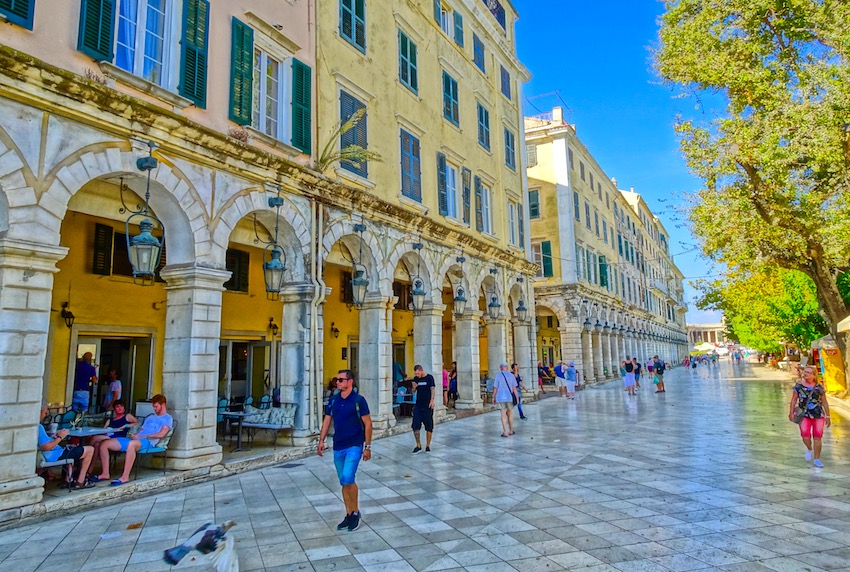
Greece is a place where sun-soaked ruins meet vibrant neighborhoods and island coves, an irresistible mix for travelers seeking authentic experiences.
As we guide tourists at Greece Tours, we’ve learned that a little preparation turns great trips into safe, unforgettable ones. In this text, we’ll share practical, on-the-ground safety tips for Greece tourists: what to prepare before you go, how to stay secure in cities and islands, and how to handle emergencies. These are hands-on, culturally aware strategies that help us focus on the joy of travel, history, food, and hospitality, without unnecessary worry.
Before You Go: Preparation And Planning
Planning well before departure is the single best safety move. We suggest a checklist approach: documents, insurance, health, and a quick study of local customs. Doing this saves time and reduces stress when we arrive.
Essential Documents, Insurance, And Money Safety
Make clear copies of passports, visas, and travel insurance and store them separately from the originals. Keep digital copies in an encrypted cloud folder and a photo on your phone. Notify your bank of travel dates so cards aren’t unexpectedly blocked: carry one primary card and a backup stored separately. Use a slim money belt or inside-pocket wallet in crowded areas rather than a visible backpack. For larger cash needs, withdraw from ATMs inside banks during business hours when possible.
Health Preparations And Medications
We recommend bringing a small first-aid kit and any prescription medications in original pharmacy-labeled containers. Greece accepts most international prescriptions, but bring a copy of your doctor’s note if you require controlled medication. Check routine vaccinations and consider travel insurance that covers medical evacuation. For summer travel, pack electrolyte tablets and a lightweight sun hat: heat and sun exposure are the biggest health issues for tourists.
Navigating Local Laws, Customs, And Cultural Respect
A little cultural preparation goes a long way. Greeks value respect and friendliness, learn a few phrases (hello, thank you), and familiarize yourself with modest dress rules for churches and archaeological sites. Note that drone rules and some photography restrictions apply at certain heritage sites: always ask if you’re unsure. We also advise reading up on local smoking regulations, recycling norms, and any regional curfews during high wildfire risk seasons.
Staying Safe In Cities And Tourist Areas
Cities like Athens, Thessaloniki, and island ports are lively and generally safe, but they demand awareness, especially where tourists gather. We’ll break down the key behaviors that keep us secure and comfortable while exploring urban Greece.
Petty Crime Prevention And Scam Awareness
Pickpocketing is the most common nuisance. We keep valuables zipped and rarely carry everything at once. Be especially cautious on crowded metros, buses, and popular sights. Common scams include distracted approaches and overfriendly locals offering unsolicited help: politely decline and move toward a staffed counter or visible authority if uneasy. If someone asks to check your watch or charm, it’s usually a diversion. Trust your instincts and keep group members in sight.
Using Taxis, Rideshares, And Public Transport Safely
Always use licensed taxis (look for the license number on the door) or reputable rideshare apps when available. Agree on a fare or ensure the meter is running. On ferries and intercity buses, keep tickets until the end of the journey and stow luggage where you can see it. Night transport in major towns is generally fine when we stick to well-lit stops: avoid empty routes late at night if traveling alone.
Accommodation Safety: Choosing And Securing Where You Stay
We book lodgings with verified reviews and visible safety features, working locks, safe boxes, and 24-hour reception when possible. On arrival, test locks, note emergency exits, and store passports in the room safe. For short stays in busy neighborhoods, consider a second form of ID and leave nonessential valuables in locked luggage or deposit boxes.
Staying Safe On Greek Islands And Beaches
The islands are a major draw, but they present distinct hazards: sun, sea, and sometimes unpredictable weather. Our tips are practical for families, couples, and small-group travelers who want relaxed beach days and secure island hopping.
Sea, Sun, And Weather Risks (Currents, Heat, Wildfires)
Respect local flags and signage on beaches: red means stay out, yellow means caution, and green means conditions are calm. Rip currents exist; if caught in one, we tell travelers to swim parallel to shore rather than fighting straight in. Heatstroke is common in summer: drink water regularly, seek shade during midday, and use high-SPF sunscreen. Be alert during summer months for wildfire warnings, follow instructions from local authorities, and be ready to change plans if conditions worsen.
Boat Trips, Swimming, And Water Sports Safety Tips
Choose licensed operators for boat tours and water sports. Ask about life jacket availability and confirm guide-to-passenger ratios. For open-water swims, never go alone and avoid swimming after alcohol. If snorkeling, use reef-safe sunscreen and stay aware of boat traffic; some coves have busy mooring activity. We recommend local guides for cliff-jumping spots: they know safe entry points and underwater hazards.
Road Travel, Driving, And Hiking Safely In Greece
Greece rewards those who explore beyond cities, winding coastal roads, mountain trails, and remote villages. That freedom comes with responsibility: variable road conditions and rugged terrain require preparation.
Driving In Greece: Rules, Road Conditions, And Rental Tips
We advise renting from reputable companies and inspecting vehicles thoroughly before signing. Driving is on the right: seatbelts are mandatory, and speed limits are enforced, though enforcement varies. Mountain roads can be narrow with sharp bends. Drive defensively and avoid night driving in rural areas. Keep physical maps as backups: GPS is good, but signal can drop in gorges and islands. If you’re renting a scooter or ATV, check helmet rules and your insurance coverage carefully.
Hiking And Exploring Archaeological Sites Responsibly
Many archaeological sites have uneven surfaces and limited shade. Wear sturdy shoes, carry water, and respect barriers; some ruins are fragile and closed for preservation. For hiking in areas such as Mount Olympus or coastal trails, tell someone your route and expected return time. Use local guide services when trails are poorly marked: our small-group tours often include expert guides who balance safety with richer historical context.
Health, Emergencies, And Contact Information
Knowing who to call and where to go gives us confidence when things go wrong. We prepare basic emergency contacts and stay calm. Greece has reliable emergency services, but knowing local practices helps speed assistance.
Accessing Medical Care, Pharmacies, And Emergency Services
The EU emergency number 112 works across Greece for police, fire, and medical emergencies. For the ambulance specifically, dialing local numbers at 166 can be useful, but 112 will connect you. Pharmacies are usually marked with a green cross: many towns have rotating on-call pharmacies (printed schedules in shop windows or online). For nonurgent care, larger towns and cities have private clinics with English-speaking staff. Keep your insurance details and a basic medical history card in your wallet.
What To Do If You Lose Documents Or Experience Crime
Report thefts or lost documents to the nearest police station and get an official report for insurance claims and embassy visits. If passports are lost, contact your country’s embassy or consulate immediately: they’ll issue temporary travel documents. For fraud or unauthorized card charges, notify your bank and file a police report. Keep emergency numbers and embassy contact info easily accessible in both digital and printed forms.
Safety Tips For Small-Group And Private Tours

We specialize in small-group and private tours, so we know what keeps those experiences safe, personal, and enriching. Small groups allow for tailored safety measures and smoother logistics.
Choosing Reputable Local Guides And Communicating Needs
Pick guides with verifiable credentials and local ties, someone who grew up in the region knows shortcuts, seasonal hazards, and cultural etiquette. Before booking, ask about group size limits, emergency protocols, and accessibility options. Tell guides in advance about allergies, mobility concerns, or dietary restrictions so they can adapt plans.
Group Dynamics, Accessibility, And Personalized Safety Requests
In small groups, we assign a clear meeting point and time for each stop and use simple headcounts before departures. If a member needs a slower pace or extra rest, we accommodate it without compromising the group’s overall experience. Don’t hesitate to request adjustments; good guides prefer to adapt rather than leave someone behind.
Read more about Greece Tours:
- Greek Legends And Historical Sites: A Myth-To-Map Travel Guide
- Greek Holiday Customs And Traditions: A Season-By-Season Guide
- Greek Festivals To Experience: A Seasonal Guide To Culture, Food, Music, And Traditions
- Greek Ferry Booking Tips: How To Find The Best Routes, Seats, And Prices
- Greek Art And Museums Guide: What To See, Where To Go, And How To Plan
Conclusion
Traveling in Greece offers a blend of history, food, landscape, and warm hospitality, and with a few practical precautions, it’s also very safe. We’ve found that preparation (documents and insurance), situational awareness in cities and islands, and choosing reputable local partners are the cornerstones of secure travel. At Greece Tours, we design experiences that let you savor Greece’s authenticity while minimizing risk, so you can focus on what matters: the stories, the meals, the sunsets, and the people you meet. Keep these safety tips for Greece tourists in mind, and you’ll be set for a memorable, worry-free trip.