
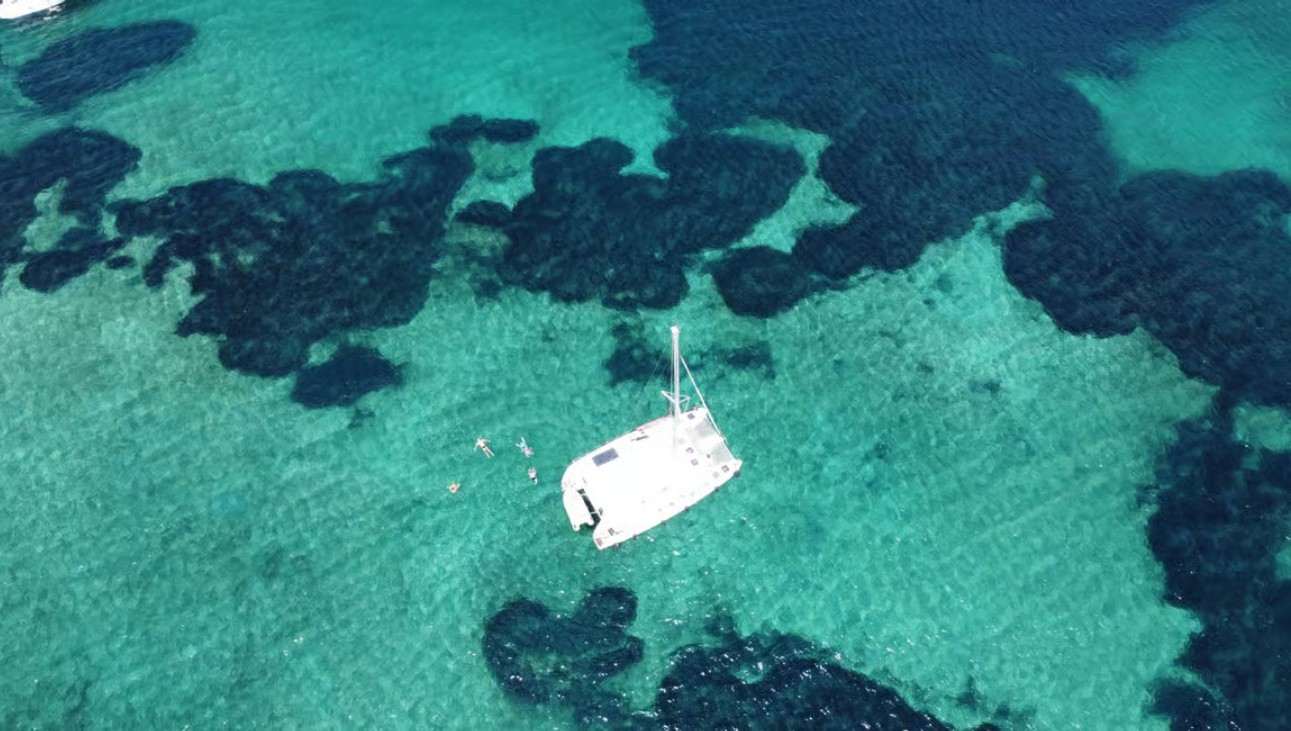
Sailing holidays in Greece blend turquoise seas, sun-drenched islands, and layers of history in a way that few other trips can. Plan the whole trip with Greece Tours. Whether we’re slipping into a quiet bay for a swim, wandering whitewashed alleyways at dusk, or sharing a meal with locals on a fishing quay, a sailing trip gives us a sense of place that land-based holidays rarely match.
In this guide, we explain what to expect, how to choose the right style of charter, and practical tips so your Greek sailing holiday feels effortless and authentic.
Why Choose a Sailing Holiday in Greece
Greece is one of the world’s most naturally suited countries for sailing. The coastline and hundreds of islands create short, scenic hops between ports, and the reliable Meltemi winds in summer shape itineraries that are both adventurous and manageable. But beyond geography, sailing offers us access to experiences that land travel usually misses:
- Intimacy: We anchor in small bays and arrive at seaside villages by boat, which feels quieter and more authentic than landing by coach.
- Flexibility: Each day can be tailored. If we love a spot, we stay: if a beach looks inviting, we drop anchor and swim. Itineraries are adaptable to weather and mood.
- Immersion: Local hosts and crews often introduce us to family-run tavernas, secluded archaeological sites, and seasonal traditions.
For travelers who want culture plus comfort, history lovers, couples seeking romance, families wanting simple logistics, and small groups after personalized itineraries, a sailing holiday in Greece is hard to beat. At Greece Tours, we often recommend combining a couple of island stops with relaxed days at sea so we can truly savor the landscape and local rhythms.
What to Expect on a Greek Sailing Trip
Expect rhythm and variety: mornings with a coffee and a map while the crew prepares for departure, afternoons snorkelling or exploring, and evenings strolling lantern-lit streets.
Typical day-to-day elements:
- Short hops and anchorages: Most legs last 1–4 hours, giving us time to relax between destinations.
- Variable sailing conditions: Calm seas are common, but the Meltemi (strong northerly wind) can make some days brisk and exhilarating.
- Local food and fresh produce: Fish, lemons, olives, cheeses, we often buy from local markets or eat ashore at family-run tavernas.
- Cultural mini-immersions: Ancient ruins, Byzantine churches, local festivals, and olive groves are often within easy reach.
Onboard life is social but also private. Boats range from compact sailing yachts to spacious catamarans: many have comfortable sun decks, shaded cockpit areas, and basic kitchens. For those wanting more service, crewed charters provide a skipper and chef; we’ve found that having a knowledgeable local crew turns an ordinary trip into an insider experience.
Popular Routes and Island Groups
Greece’s islands cluster into groups, each with its own character. Here are popular routes we suggest depending on the vibe we want:
- Cyclades (Mykonos, Santorini, Paros, Naxos): The iconic white-and-blue aesthetic, dramatic cliffs, nightlife hubs, and volcanic scenery. Best for a mix of culture, beaches, and lively evenings.
- Saronic Gulf (Aegina, Poros, Hydra, Spetses): Close to Athens, ideal for short trips with calm waters and elegant small towns. Great for families and first-timers.
- Ionian Islands (Corfu, Paxos, Lefkada): Lush, green islands with sheltered waters and Venetian-influenced towns, perfect for relaxed sailing and anchoring in turquoise coves.
- Dodecanese (Rhodes, Kos, Symi): Rich in medieval history, larger islands with dramatic harbors and quieter neighboring islets.
- Sporades and North Aegean: Less touristy, with hiking, local festivals, and quiet beaches for those seeking off-the-beaten-path charm.
Typical itineraries focus on clusters to keep sailing times short and deliver a richer local experience. We recommend planning routes by island group rather than trying to cross the entire Aegean in one week.
Types Of Sailing Holidays: Who They’re Best For
There are three main charter types, each suited to different travelers:
- Bareboat charter: We hire the boat and skipper ourselves (or we sail it if we’re certified). Best for experienced sailors who want independence and lower cost. It’s ideal for groups who like planning and hands-on control.
- Crewed charter: A skipper (and often a chef) runs the boat. Perfect for travelers who want to relax, eat well, and learn local stories from crew members. Great for couples, families, and smaller groups looking for ease and local insight.
- Cabin charter: We book a cabin on a shared yacht with other travelers. It’s budget-friendly and social, good for solo travelers or those who enjoy meeting new people without organizing an entire boat.
We usually recommend crewed charters for first-time visitors who want a culturally immersive experience. The crew often doubles as guides, recommending hidden bays and authentic tavernas we’d never find otherwise.
Planning Practicalities: When To Go, Costs, And Booking Tips
Best time to travel: Late spring (May–early June) and early autumn (September–October) give warm water, fewer crowds, and manageable winds. July–August are peak months: lively, sunny, but busier and windier.
Cost factors:
- Charter type: Bareboat is typically the least expensive, crewed more costly, and cabin charters sit in between.
- Boat size and season: Larger boats and high season dates raise prices.
- Extras: Fuel, mooring fees, provisioning, and tourist taxes add to the base rate.
Booking tips we use and recommend:
- Book early for summer weeks, the best yachts and itineraries sell out by winter.
- Read crew bios and reviews when choosing a crewed charter; chemistry matters.
- Ask about hidden costs: Some operators quote a base rate but separate provisioning, port fees, and APA (advance provisioning allowance).
- Consider a local operator like Greece Tours for personalized routes and Greek-speaking crew: local operators often have deep island knowledge and relationships with small tavernas and guides.
Visa and entry: Check Schengen rules if you’re entering from outside the EU. Many islands have small ports: confirm entry requirements and where customs/immigration services operate.
Onboard Experience: Accommodation, Food, And Local Culture
Accommodation ranges from snug double cabins to ensuite master cabins on larger yachts. We find that sleeping comfortably and having some privacy make a huge difference, so when possible, we opt for boats with en-suite facilities.
Food is a highlight. On crewed charters, a cook often prepares breakfasts, light lunches, and memorable dinners using local ingredients, fresh fish, tomatoes, capers, and herbs. When we eat ashore, we favor family-run tavernas where dishes are seasonal, and recipes are passed through generations.
Cultural moments are woven into the itinerary: we might visit a centuries-old monastery, attend a village feast (panigiri), or watch fishermen mend their nets while we sip coffee by the harbor. Those small exchanges, a recipe shared, a recommendation for a hidden beach, are what make the trip feel local rather than touristic.
Conclusion
Sailing holidays in Greece offer a unique blend of freedom, culture, and scenery that invites us to slow down and experience places more intimately. With the right planning, choosing the best season, the right charter type, and a knowledgeable local operator, we can craft a trip that balances relaxation with exploration and authenticity.
Typical Itinerary Examples (Day-By-Day Highlights)
- Day 1: Embark in port, provisioning, short sail to first anchorage, dinner in a seaside taverna.
- Day 2: Morning swim and snorkel, afternoon village visit, sunset walk, and local wine tasting.
- Day 3: Short hop to a more remote island, hike or archaeological site visit, anchored evening.
- Day 4: Full-day sail with stops for swimming and a seafood beachfront lunch.
- Day 5: Explore the market town, meet local artisans, and enjoy a family-style dinner.
- Day 6: Leisure morning, last swim, return to main port, disembark.
What Is Included Versus Optional Extras
Included often: the boat, basic linens, safety equipment, and sometimes skipper service. Optional extras: provisioning, fuel, port and mooring fees, APA, water toys (dinghy, paddleboards), and guided shore excursions.
Safety, Insurance, And Health Considerations
We always check the vessel’s safety certificates, confirm lifejackets for all passengers, and carry a basic medical kit. Travel insurance that covers sailing and medical evacuation is essential. If we have motion sensitivity, we prepare with pills or patches and choose routes with shorter open-water crossings.
How To Choose Between Crewed, Bareboat, And Cabin Charters
Decide by our priorities: independence and cost (bareboat), comfort and local insight (crewed), social experience and economy (cabin). Our experience suggests first-timers favor crewed charters for the local knowledge and stress-free navigation.
Suggested Packing List For A Week-Long Trip
- Lightweight clothing, swimwear, hat, reef-safe sunscreen
- Non-marking deck shoes and flip-flops
- Light rain jacket and a warm layer for evenings
- Reusable water bottle, small daypack, personal medications
- Power bank and waterproof phone pouch
Sustainable And Respectful Travel Practices While Sailing
We recommend minimizing single-use plastics, using reef-safe sunscreen, respecting local fishing zones, and supporting small businesses ashore. Anchoring in seagrass beds harms ecosystems. Ask the crew to use mooring buoys where available.
How Local Guides And Hosts Enhance The Experience
Local guides and crew transform logistics into stories. They steer us toward lesser-known coves, set up authentic meals with island families, and translate local customs. Choosing operators with deep local roots, like those who grew up in the islands, enriches our trip and supports the regional community.
If you’re thinking about a sailing holiday in Greece, we’d love to help shape an itinerary that fits your pace and interests. The sea is an invitation, let’s plan it thoughtfully and respectfully so we leave the places we visit better than we found them.
Read more about Greece Tours:
- Food Markets To Visit In Greece: A City-By-City Guide For Hungry Travelers
- Famous Greek Architecture Explained: Styles, Structures, And Lasting Influence
- What Is The Best Greek Island For Over 50s? A Practical, Evidence-Based Review
- Exploring Greece By Public Transport: A Practical Guide For Independent Travelers
- Eco Friendly Accommodations In Greece: Where To Stay Sustainably On The Mainland And Islands