
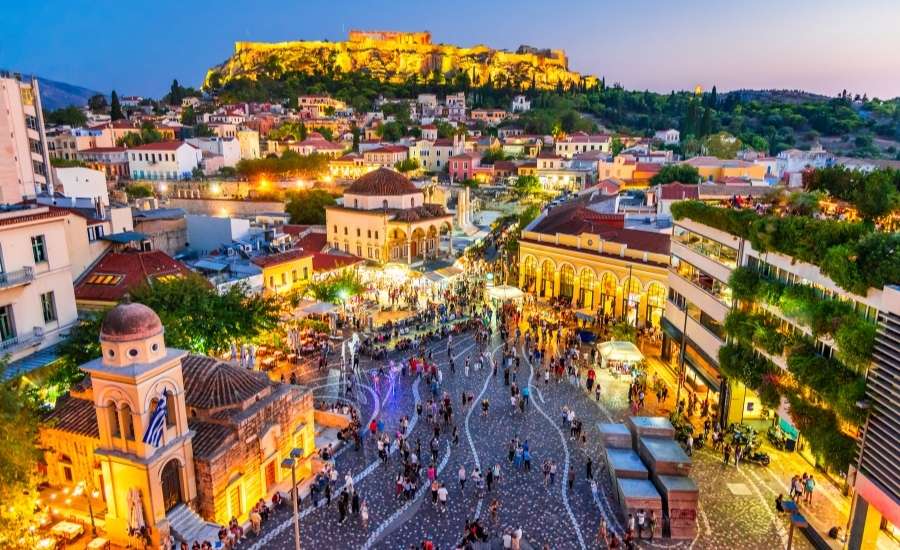
Greece’s calendar is a living mosaic: vibrant carnivals, solemn Easter rites, sun-drenched island panigiria, and intimate village feasts that have been handed down for generations.
For travelers who want to go beyond beaches and ruins, following the seasons unlocks authentic cultural encounters. We’ll walk through the best seasonal events to see in Greece, explain why they matter, and offer practical tips so you can experience them respectfully and memorably, often with the help of local guides like ours at Greece Tours.
Spring Highlights: Carnival To Holy Week
Spring in Greece is a time of rebirth, and nothing shows that more vividly than the mix of rowdy carnival fun and the solemnity of Holy Week. The season moves fast from masquerades to incense-filled churches, offering a dramatic cultural contrast that’s uniquely Greek.
Apokries (Carnival) Celebrations
Apokries, the Greek Carnival season, runs for several weeks before Lent and peaks with street parties, costume parades, and playful traditions. In cities like Patras and small towns across the mainland, we see elaborate floats, satirical theatrical skits, and late-night feasting. Patras’ carnival is the largest, with a parade of illuminated floats and international performers, great for travelers who want spectacle. For a more intimate experience, rural villages host community costume balls and traditional dances where we often end up chatting with locals over loukoumades (honey fritters) and raki.
Orthodox Holy Week And Easter Traditions
Easter in Greece is the most important religious celebration of the year. Holy Week’s rituals are heavy with symbolism: candlelit processions, the service of the Bridegroom (Ta Nymfió), and the midnight Resurrection on Holy Saturday when fireworks often light the skies. On some islands and in villages, we join locals for the dramatic reenactment of Christ’s Passion and the communal roasting of lamb after the midnight service. If we want an unforgettable experience, attending an island or mountain village’s Easter, where centuries-old customs remain intact, beats a city spectacle for authenticity.
Spring Flower Festivals And Rural Panigiria
As wildflowers burst into color, many villages celebrate with spring flower festivals and panigiria (local feast days). These are typically smaller, sometimes spontaneous gatherings with music, folk dancing, and tables laden with home-cooked specialties. They offer our best chance to see local crafts, taste regional cheeses and pies, and watch older generations teach younger ones traditional dances. We recommend planning a few flexible days in rural areas during March–May: you never know when a spontaneous feast will appear on a village square.
Summer Highlights: Island Festivals And Open-Air Culture
Summer is festival season in Greece, and with long daylight hours and warm nights, celebrations spill outdoors. From ancient theatres to island squares, culture and conviviality pair perfectly under the Aegean sky.
Athens And Epidaurus Festival (Performing Arts)
The Athens & Epidaurus Festival, running from June through August, is a magnet for theater lovers. We catch classical drama staged in the ancient Epidaurus theatre, its acoustics are legendary, and contemporary productions in Athens’ Odeon of Herodes Atticus. These performances connect us to Greece’s theatrical heritage while showcasing modern directors and artists. For the best seats and local insight into the program, we often book in advance and include a brief backstage history during our private tours.
Island Feast Days, Local Panigiria, And Parades
Each island has its patron-saint day, when the whole community gathers for a panigiri. Santorini, Naxos, and the Ionian isles host exuberant processions, church services, and night-long dances with live music and local food. Unlike large tourist-centric events, these panigiria are community-led: villagers prepare cheeses, grilled fish, and homemade sweets, often inviting visitors to join the circle dance. Joining a small-group or private tour helps us navigate local schedules and receive invitations into smaller gatherings that are closed to mass groups.
Music Festivals, Jazz Nights, And Food Events
Summer also brings specialty festivals: jazz nights in island cafes, soul and indie gigs on rooftop stages, and food-focused events celebrating seafood, olive oil, or local sweets. Many coastal towns host open-air concerts by Greek and international acts. For culinary travelers, seasonal food festivals are an excellent way to taste regional specialties and meet producers, olive oil samplers, small-batch winemakers, and saronic fishermen, all eager to share their craft.
Autumn Highlights: Harvests, Wine, And Local Flavors
Autumn calms the crowds and revives agrarian traditions. Cooler weather makes it a prime time for harvest festivals, olive and grape, chestnut and honey, where we connect with the rhythm of rural Greece.
Olive Harvest Events And Olive Oil Festivals
The olive harvest begins in late autumn, and many olive-growing regions mark it with festivals celebrating freshly pressed oil. These events include demonstrations of traditional milling, tastings of new oil (called “first cold press” or “early harvest”), and recipes showing how locals use oil in everyday cooking. Attending an olive mill open day or a local olive festival lets us taste the difference between varietals and learn about sustainable practices that small-scale producers are reviving.
Wine Harvests, Vineyard Tours, And Wine Festivals
From North Greece’s Naoussa to the Cyclades’ volcanic vineyards, harvest time is a sensory treat. Many wineries open their doors for grape stomping, barrel tastings, and tours of terroir-specific plots. Regional wine festivals pair local dishes with estate wines, and small-group tours that include a local sommelier can reveal varieties we won’t find abroad. Autumn is also when boutique wineries unveil experimental vintages, perfect for travelers seeking discoveries.
Chestnut, Honey, And Regional Food Festivals
Mountain villages celebrate chestnuts and honey with fairs that spotlight beekeepers and foragers. We can sample honey varieties from pine to thyme-blossom and watch village cooks turn chestnuts into pies and stews. These festivals are low-key but rich in local knowledge, ideal for families and travelers who prefer slow-food experiences over headline events.
Winter And Holiday Events: Christmas To Epiphany
Winter in Greece is quieter but culturally rich. Holiday traditions here blend Orthodox Christian rituals with local customs, perfect for travelers who appreciate cozy markets and ritual observances.
Christmas Markets, Nativity Traditions, And Local Customs
Cities and larger towns run Christmas markets where we buy handmade crafts, artisanal foods, and decorations. In many villages, nativity scenes take local forms, sometimes incorporating fishermen or shepherds from recent times. Traditional carols (kalanda) still echo in some neighborhoods, and family-run bakeries produce seasonal sweets like melomakarona and kourabiedes. If we’re traveling with children, these markets and confection demonstrations tend to be especially memorable.
Epiphany (Blessing Of The Waters) And New Year Rituals
Epiphany (January 6) features the Blessing of the Waters: priests throw a cross into the sea, and brave swimmers retrieve it for blessings and good luck. Coastal towns stage festive processions and lively waterfront ceremonies, spectacles that feel both communal and sacred. On New Year’s Eve, Greeks celebrate with family, often sharing vasilopita (a cake with a hidden coin) whose finder is said to have luck for the year.
Winter Cultural Festivals And Mountain Celebrations
Ski resorts and mountain towns host winter festivals celebrating snow sports and local culture, think torchlit descents, folk music nights, and hearty communal meals. These events are excellent for travelers who want active winter experiences while still experiencing local traditions away from tourist-heavy beach towns.
Year-Round Local Traditions And Village Panigiria
Beyond the big seasonal events, Greece’s heartbeat is in its year-round village life and religious calendar. These smaller traditions are where we often find the most genuine interactions.
Religious Feast Days, Saints’ Days, And Community Celebrations
Every village has a patron saint’s day; iconic examples include Agios Georgios (St. George) and Panagia (the Virgin Mary). On these dates, the church service is followed by a panigiri: music, dance, and a long table of homemade dishes. We recommend checking local calendars or asking our local guides to find celebrations that welcome visitors. Participating respectfully, bringing a small gift, or joining a dance goes a long way.
Small-Town Fairs, Craft Markets, And Seasonal Markets
Weekly markets (laikes) and monthly craft fairs offer fresh produce and handmade goods, and they run year-round in many regions. These are where we meet artisans, potters, weavers, or icon painters, and glimpse living traditions. For travelers intent on authentic souvenirs, shopping at these markets supports local economies and yields unique finds far from tourist shops.
How To Experience Events Authentically (Tips For Travelers)
To make the most of Greece’s seasonal events, we combine thoughtful planning with openness to serendipity. Below are practical tips drawn from years of local guiding.
Timing, Reservations, And Choosing Small-Group Or Private Tours
Plan for headline events (Big Carnivals, Epidaurus performances, Easter services). Book tickets and accommodations early, especially on islands during summer and during Easter week. For authenticity and access, we recommend small-group or private tours: they allow flexible schedules and local introductions that big buses can’t provide. Our team at MyGreeceTours often arranges behind-the-scenes access and early reservations at local tavernas.
Respectful Participation, Dress, And Photography Etiquette
Respect local customs. In churches, dress modestly and follow signs about candle etiquette. Ask before photographing people, especially during religious rituals, and avoid making processions into photo ops. If invited to a home or village table, bring a small gift (a bottle of wine or local sweets) and be ready to accept hospitality. We encourage learning a few Greek phrases; it always wins smiles.
Practical Tips: Weather, Transportation, And What To Pack
Pack for variability: spring and autumn can shift from warm afternoons to cool nights, while mountains can get chilly year-round. Comfortable shoes are non-negotiable for cobbled squares and uneven village paths. If attending coastal panigiria or Epiphany, bring a light rain jacket; for winter festivals in the mountains, include thermals and waterproof boots. Finally, check transport links: many festivals rely on regional buses or ferries with limited schedules, reserve transfers early, or arrange private transfers through local operators.
Conclusion
Greece’s seasons offer a layered cultural calendar that rewards travelers who want more than postcard views. From riotous carnivals and sacred Easter rites to harvest-time celebrations and intimate village panigiria, each event reveals a facet of Greek life shaped by history, faith, and local pride. If you’re planning a culturally immersive trip, align your visit with the season that intrigues you most, travel with sensitivity, and consider a local expert to open doors; those unfiltered moments are what turn a good trip into an unforgettable one. If you’d like, our team at Greece Tours can help design a small-group or private itinerary around the events you’re most eager to experience.
Read more about Greece Tours:
- How To Travel Between Greek Islands: Ferries, Flights, And Smart Island-Hopping Routes
- Adventure Activities In Greece: The Best Outdoor Experiences By Land, Sea, And Air
- Top Archaeological Sites In Greece: Must-See Ruins And Ancient Cities
- A Practical Guide To Ancient Greek Ruins: What To See And How To Visit
- Family-Friendly Greece Travel Tips: Stress-Free Planning, Best Places, And What To Know