
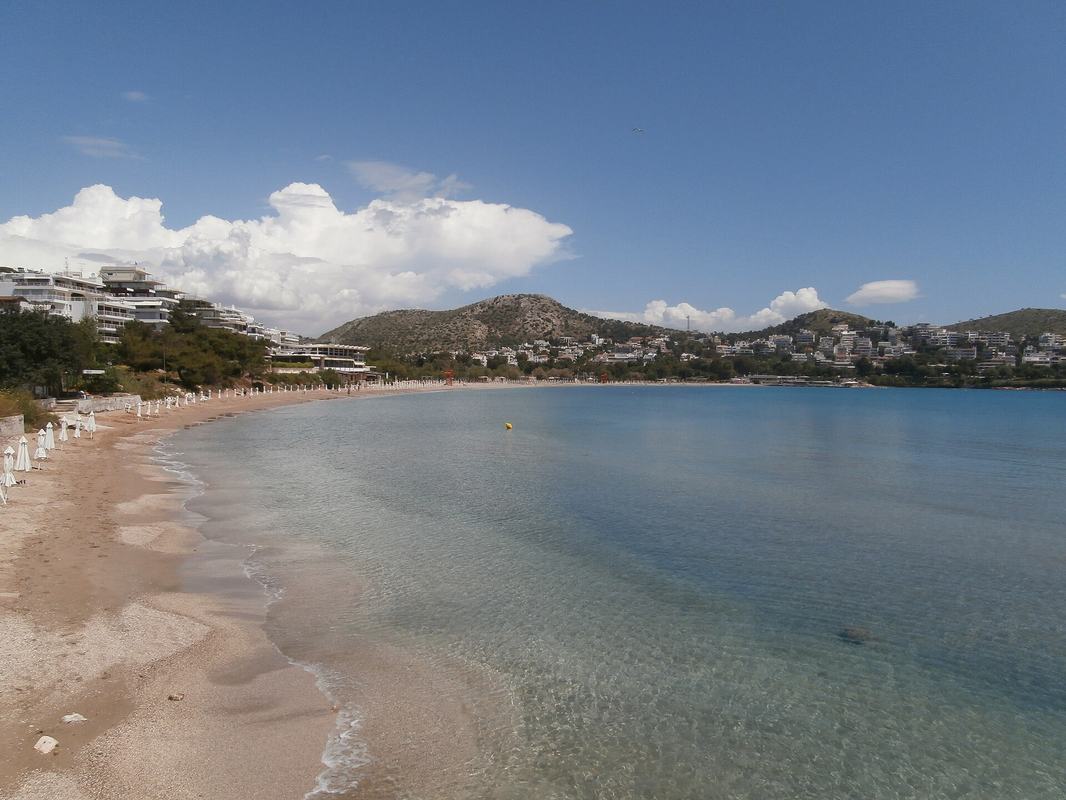
Vouliagmeni is the most luxurious suburb of the Athens Riviera, home to the famous Astir Beach, the thermal Lake Vouliagmeni, pine-clad peninsulas, a super-yacht marina and chic seaside dining. Pair a glamorous Riviera day here with skip-the-line city sightseeing tickets and coastal tours from My Greece Tours for the best of Athens and its coast.
This upscale coastal escape is a highlight of the Athens travel guide. The sections below cover what it is, the beaches, Astir Beach, Lake Vouliagmeni, dining and nightlife, when to visit and how to get there.
What is Vouliagmeni in Athens?
Vouliagmeni is an upscale seaside suburb about 20 kilometres south of central Athens, the most luxurious stretch of the Athenian Riviera. Named after its thermal lake, it is known for crystal-clear coves, the glamorous Astir Beach, a super-yacht marina and chic seaside dining.
The jewel of the Athens Riviera, Vouliagmeni is the most exclusive and beautiful of the seaside suburbs that line the coast south of the capital. Set about twenty kilometres from the centre, it takes its name from its remarkable natural thermal lake, vouliagmeni meaning “sunken” in Greek, after the collapsed cavern that formed it. The suburb occupies a stunning stretch of coastline, where pine-covered peninsulas, above all the adjoining Kavouri headlands of Megalo and Mikro, reach out into a sea of exceptional clarity, their slopes scattered with lavish villas, secluded swimming coves, scenic seaside promenades and a pretty whitewashed chapel.
Vouliagmeni is firmly the luxury end of the Riviera, home to the iconic Four Seasons Astir Palace hotel, a super-yacht marina where gleaming boats rest between voyages, designer boutiques and a string of fashionable beach clubs, restaurants and bars. Yet alongside the glamour it offers genuine natural beauty and some of the cleanest, most inviting swimming near Athens. For a taste of seaside luxury and relaxation within easy reach of the ancient city, Vouliagmeni is unmatched. It anchors the coastline explored in the Athens Riviera beaches guide. Its beaches are the main draw.
What are the beaches in Vouliagmeni?
Vouliagmeni has some of the best beaches near Athens, from the glamorous Astir Beach to free public coves and the sandy bays around the Kavouri peninsulas. The clear, turquoise water is exceptional for swimming, mixing upscale beach clubs with quieter natural spots below pine headlands.
The coastline is the heart of Vouliagmeni’s appeal, offering a superb range of beaches washed by some of the clearest, most beautiful water near the capital. At the glamorous end is the famous Astir Beach, a polished organised beach and club of which more shortly, but the suburb has much more besides. Wrapping around the twin Kavouri peninsulas, whose names mean Big and Little Crab, are a series of lovely sandy and pebbly bays and coves, some organised with sunbeds, bars and watersports, others quieter and free, all shaded by pines that reach toward the shore and blessed with shallow, turquoise water ideal for swimming and snorkelling.
Vouliagmeni Beach itself, the main public beach, offers easy access and facilities, while hidden coves around the headlands reward those who explore. The combination of pine-clad scenery, exceptionally clean water and a choice between upscale beach clubs and simpler natural spots gives Vouliagmeni’s beaches a special quality, drawing Athenians and visitors alike on hot days. Whether you want a luxurious lounger or a free dip in a quiet bay, the suburb delivers. A relaxed beach day here is a delight. The family ideas in the Athens with kids guide apply here too. The most famous beach deserves its own look.
What is Astir Beach?
Astir Beach is the most famous and glamorous beach in Athens, a polished organised beach on the Vouliagmeni peninsula, part of the Four Seasons Astir Palace resort. It offers crystal water, sunbeds, cabanas, restaurants and watersports, with a high summer entry fee.
The most celebrated beach on the entire Athens Riviera, and indeed in the wider Athens area, is the legendary Astir Beach, the byword for seaside glamour in the Greek capital. It sits on a sheltered cove of the Vouliagmeni peninsula and now operates as part of the prestigious Four Seasons Astir Palace hotel, which took over the site where the former Astir Palace resort once stood. The beach has been a playground for the rich and famous for decades, welcoming international movie stars, business tycoons and the Athenian elite to its pristine sands.
Astir now offers a polished, upscale beach experience. The water is crystal-clear and gently shelving, perfect for swimming, and the sands carry neat rows of sunbeds and umbrellas. Guests also find private cabanas, smart beach bars and restaurants, watersports and even a small ancient temple site within the grounds. A ruined sanctuary of Apollo Zoster stands here, a reminder that this glamorous shore has drawn people since antiquity, and it adds a quiet cultural note to the modern resort.
Non-hotel guests can use the beach for an entrance fee, which can be relatively high in peak summer, typically including a sunbed and umbrella, reflecting its exclusive status. For those who want to experience the glamorous, see-and-be-seen side of the Athens coast, a day at Astir Beach is the quintessential choice. It is the height of Riviera chic. The suburb’s other natural wonder is its lake.
What is Lake Vouliagmeni?
Lake Vouliagmeni is the suburb’s famous natural thermal lake, a flooded limestone cavern lined with cliffs and fed by mineral springs that keep the water warm all year. A managed wellness spot with sunbeds and “doctor fish”, it gives the suburb its name.
Alongside its beaches, Vouliagmeni is famous for its extraordinary natural thermal lake, a unique attraction that even gives the suburb its name, since vouliagmeni means “sunken”. The lake formed long ago when the roof of an underground limestone cavern collapsed, leaving a sunken pool ringed by tawny cliffs. Deep underground mineral springs connected to the sea feed it, keeping the brackish, mineral-rich water remarkably warm all year, from around 22 to 29 degrees Celsius.
People have long credited the lake with healing and therapeutic properties. It runs today as a well-organised wellness and leisure facility, with sunbeds and umbrellas around its shores, a café and a spa offering treatments. Visitors float and bathe in the silky warm water against the dramatic backdrop of the cliff, a soothing contrast to the busier beaches nearby.
A famous and slightly ticklish feature is the colony of small Garra Rufa “doctor fish” that gently nibble dead skin from bathers’ feet, a natural fish-spa. Open year-round, including in winter when the warm water is especially appealing, the lake is one of the most distinctive and relaxing experiences on the Riviera. Its calm, restorative waters are a perfect complement to the beaches. The dedicated Lake Vouliagmeni guide covers it in full. Dining and nightlife complete the picture.
Where do you eat and go out in Vouliagmeni?
Vouliagmeni offers upscale, glamorous dining and nightlife, with chic seafront restaurants, celebrity hotspots and beach-club bars around the marina and Astir. Fashionable spots serve fresh seafood and Mediterranean cuisine with sea views, and stylish bars fill on summer nights.
In keeping with its exclusive character, Vouliagmeni offers some of the most glamorous dining and nightlife in the whole Athens area, with a strong emphasis on style, sea views and quality. The suburb is dotted with chic, upscale restaurants, many clustered around the marina, the Astir area and the seafront, where you can dine on fresh fish and seafood, refined Mediterranean and modern Greek cuisine, often on terraces overlooking the yachts and the glittering water. Vouliagmeni has long been a haunt of the wealthy and famous, and certain celebrated hotspots perched above the coast have hosted international celebrities and public figures over the years, lending the dining scene a touch of glamour.
The suburb’s stylish bars, beach-club lounges and the bars of the luxury hotels come alive at sunset. They draw a fashionable crowd to enjoy cocktails by the sea on warm summer nights, in a relaxed but upscale atmosphere. Prices here reflect the suburb’s exclusivity, yet the combination of beautiful settings, excellent food and seaside chic makes for a memorable evening out. For a luxurious meal or a glamorous night by the water, Vouliagmeni is the Riviera’s finest. The wider scene appears in the best restaurants in Athens guide. Reaching the suburb is straightforward.
When should you visit, and how do you get to Vouliagmeni?
Vouliagmeni is best from late spring to early autumn for beaches and swimming, while the lake and restaurants stay enjoyable year-round. Reach it 20 kilometres south of central Athens by car or taxi in about half an hour, or by tram plus a bus.
A little planning helps you make the most of a visit to Vouliagmeni, which sits about twenty kilometres south of the centre along the beautiful coast road. For the beaches, beach clubs and seaside swimming at their best, the ideal time to come runs from late spring through to early autumn, roughly May to October, when the weather is warm and the sea inviting. Summer is the busiest and most glamorous period. Outside those months the thermal lake, the restaurants and the scenery stay enjoyable year-round, and the warm lake is especially appealing in winter.
Getting there from central Athens is easy. By car or taxi the journey takes around thirty to forty minutes via the scenic coastal avenue, and the drive along the Riviera is a pleasure in itself. Public transport options include the coastal tram from Syntagma down toward the Riviera with a connecting local bus, or one of the direct buses that run from the centre toward the southern suburbs and coast.
Once there, the suburb’s beaches, lake and marina are spread along the coast, so some local transport or a car helps you move between them. With its easy access and stunning setting, Vouliagmeni is a rewarding escape. The coastal routes are explained in the getting around Athens guide. The questions below cover the points visitors ask most.
How does Vouliagmeni fit a full Athens Riviera day?
Vouliagmeni sits at the heart of the Athens Riviera, between Glyfada and Voula to the north and Varkiza and Sounion to the south. A classic coastal day pairs a Vouliagmeni swim and lunch with Glyfada shopping, then the Temple of Poseidon at Sounio for sunset.
Vouliagmeni rewards a visit on its own, yet it also works as the centrepiece of a longer coastal outing along the Athenian Riviera. The suburb lies midway along the coast road, with the lively resort towns of Voula and Glyfada just to the north and the quieter bays of Varkiza stretching to the south. A relaxed way to spend the day starts with a morning swim at one of Vouliagmeni’s coves or a session at the thermal lake, followed by lunch at the marina.
From there the coast road runs south past Varkiza toward Cape Sounion, where the marble Temple of Poseidon crowns a headland above the sea and draws crowds for its famous sunset. Northward, Glyfada offers the Riviera’s best shopping and a busier café scene, while Voula adds more family-friendly public beaches. Vouliagmeni’s central position makes it easy to combine with these neighbours by car, so a single day can take in swimming, a spa soak, seafood and an ancient temple. The Glyfada and Voula guides cover the neighbouring suburbs.
Where do you stay in Vouliagmeni?
Vouliagmeni holds some of the finest hotels near Athens, led by the Four Seasons Astir Palace on its own pine-covered peninsula. Upscale resorts and boutique stays line the coast, so an overnight base lets you enjoy the beaches and lake at leisure.
Vouliagmeni is the natural base for travellers who want a luxury seaside stay near Athens rather than a city-centre hotel. The suburb is dominated by the Four Seasons Astir Palace, a landmark resort set across a private, pine-clad peninsula with its own beaches, restaurants and gardens, long regarded as one of the leading hotels in Greece. Around it sit further upscale resorts, design-led boutique hotels and serviced apartments, many with sea views and easy access to the coves and the marina.
Staying in Vouliagmeni suits honeymooners, families seeking a beach holiday and visitors combining a few days of coast with sightseeing in the city. An overnight base here means early swims before the beach clubs fill, quiet evenings by the water and a short hop to the lake and restaurants. The trade-off is distance from the ancient monuments, so those who want daily Acropolis visits may prefer a central hotel and a day trip to the coast. Options across the city appear in the where to stay in Athens guide.
Frequently Asked Questions
What is Vouliagmeni known for?
Vouliagmeni is known as the most luxurious suburb of the Athens Riviera, famous for the glamorous Astir Beach, the natural thermal Lake Vouliagmeni, exceptionally clear swimming coves around the pine-clad Kavouri peninsulas, a super-yacht marina, the Four Seasons Astir Palace hotel, and chic seaside dining and nightlife.
How do you get from Athens to Vouliagmeni?
Vouliagmeni is about 20 kilometres south of central Athens. Reach it by car or taxi in around 30 to 40 minutes via the scenic coastal road, by the coastal tram from Syntagma toward the Riviera followed by a connecting bus, or by a direct bus from the centre toward the southern suburbs and coast.
Is Astir Beach worth it in Vouliagmeni?
Astir Beach is worth it for those wanting a glamorous, polished beach experience, with crystal water, sunbeds, cabanas, restaurants and watersports, part of the Four Seasons Astir Palace. It charges a fairly high entry fee for visitors who are not hotel guests, especially in peak summer, so budget travellers may prefer Vouliagmeni’s free public coves nearby.
Is the water clean for swimming in Vouliagmeni?
Yes, Vouliagmeni is known for some of the cleanest, clearest swimming water near Athens. The coves around the Kavouri peninsulas and the organised beaches enjoy calm, turquoise water in the sheltered Saronic Gulf, and several beaches have earned Blue Flag status for water quality and facilities. The thermal lake offers a warm, mineral-rich alternative to the sea.